
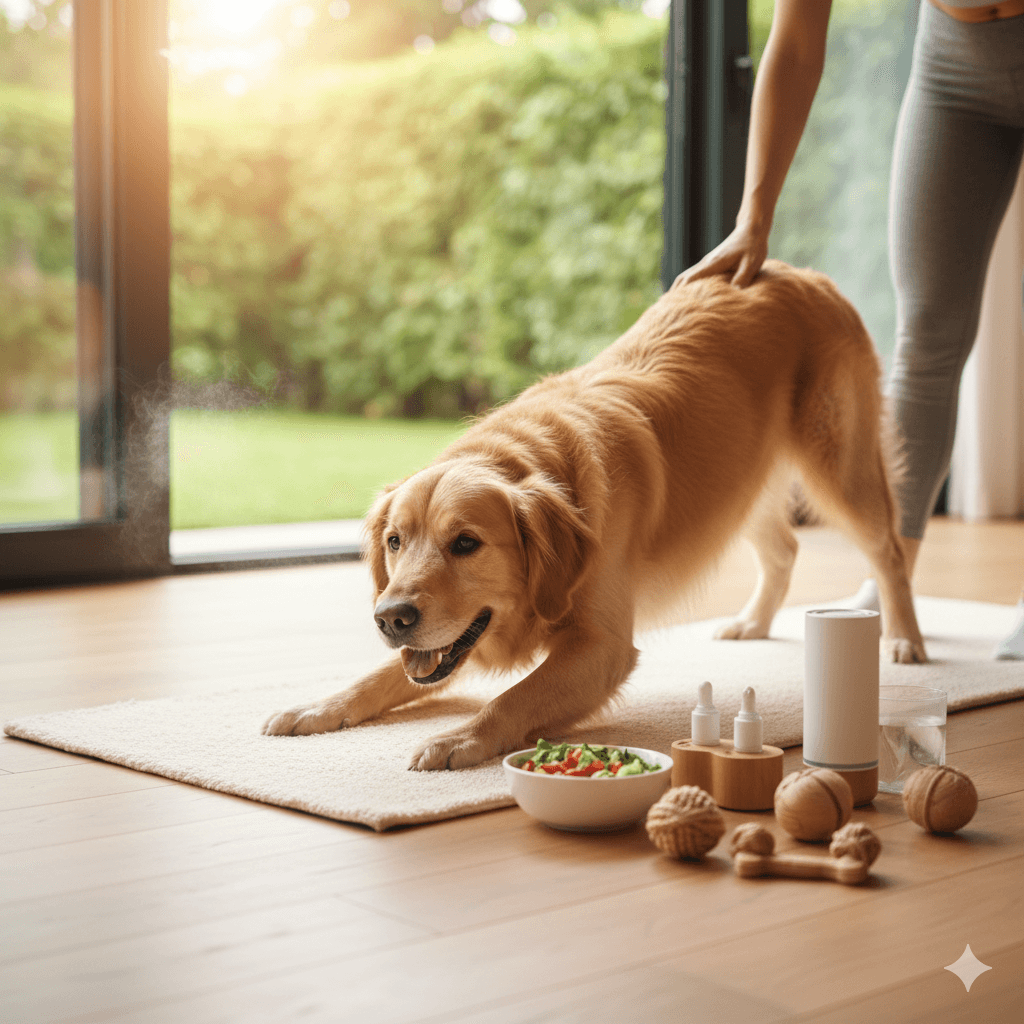

Understanding Dog Wellness: Best 7 Expert Tips!
True dog wellness goes beyond the absence of illness—it’s a proactive approach to your dog’s physical, emotional, and behavioral health. From nutrition and exercise to mental stimulation and preventive care, every choice you make shapes your dog’s quality of life. A well dog isn’t just free from disease; they’re vibrant, engaged, and thriving in everyday moments. By focusing on holistic wellness, you give your companion the best chance at a longer, happier life. Whether you’re a new pet parent or a seasoned owner, these expert-backed insights will help you nurture your dog’s well-being from nose to tail.
Core Pillars of Canine Wellness
A truly well dog benefits from a balanced blend of care elements that support body and mind. These foundational practices form the backbone of long-term health and resilience:
- Balanced, Species-Appropriate Nutrition:
High-quality food tailored to your dog’s age, size, and activity level fuels energy, supports immunity, and maintains a healthy coat and digestion. - Consistent Preventive Veterinary Care:
Annual wellness exams, parasite prevention, and timely vaccinations catch issues early and prevent common but serious illnesses. - Daily Physical Activity:
Regular walks, play sessions, or structured exercise help manage weight, reduce anxiety, and keep joints and muscles strong. - Mental Stimulation and Enrichment:
Puzzle toys, training games, scent work, or new experiences prevent boredom and support cognitive health at every age. - Strong Emotional Bonding:
Quality time, affection, and responsive interaction build trust, reduce stress, and enhance your dog’s sense of security.
When these pillars work together, they create a foundation where your dog doesn’t just survive—but truly flourishes.
Physical Health Indicators of a Well Dog
You can often tell how well your dog is doing by observing everyday signs. A healthy dog radiates vitality through consistent, positive physical cues:
- Bright, Clear Eyes:
No redness, excessive tearing, or cloudiness—indicating good ocular and overall systemic health. - Clean Ears and Fresh Breath:
Ears should be odor-free and pale pink inside; breath shouldn’t be overwhelmingly foul (mild doggy breath is normal). - Shiny, Smooth Coat:
A healthy coat lies flat, sheds moderately, and lacks dandruff, greasiness, or bald patches. - Steady, Comfortable Movement:
Your dog walks, runs, and rises without limping, stiffness, or hesitation—especially important as they age. - Regular, Firm Bowel Movements:
Consistent, well-formed stools signal good digestion and gut health, with no straining or frequent accidents.
These observable signs offer real-time feedback on your dog’s internal wellness—making daily check-ins a simple but powerful habit.
Check this guide 👉Dog Massage Techniques: Best 7 Expert Tips!
Check this guide 👉Can Dogs Truly Enjoy Music? Best 7 Expert Tips!
Check this guide 👉How to Give a Small Dog CPR: Best 7 Expert Tips!
Wellness Strengths | Common Wellness Gaps |
|---|---|
Consistent energy levels | Skipping annual vet visits |
Healthy weight for breed/age | Feeding low-quality or inconsistent diets |
Calm, confident behavior | Ignoring dental hygiene |
Strong, clean nails and teeth | Minimal mental or sensory enrichment |
Restful, uninterrupted sleep | Inconsistent exercise routines |
Emotional and Behavioral Wellness
A dog’s mental state is just as vital as their physical health. Emotional wellness shows in how they interact with the world—and with you:
- Confident Body Language:
Relaxed posture, wagging tail (not stiff or tucked), and willingness to explore indicate emotional balance. - Appropriate Social Responses:
Your dog may be shy or outgoing, but they shouldn’t show extreme fear, aggression, or shutdown in familiar settings. - Ability to Self-Soothe:
A well-adjusted dog can rest alone, settle after excitement, and recover quickly from minor stressors like thunder or doorbells. - Engagement in Daily Routines:
They greet you with interest, respond to cues, and show curiosity—signs of mental presence and connection. - Absence of Compulsive Behaviors:
Excessive licking, pacing, chewing, or barking without triggers may signal anxiety or unmet needs.
Emotional wellness isn’t about constant happiness—it’s about resilience, security, and the ability to navigate life with calm confidence.
Preventive Care: The Backbone of Long-Term Wellness
Prevention is the most effective wellness strategy. Regular, proactive care stops problems before they start and extends healthy years:
- Vaccinations and Parasite Control:
Core vaccines and monthly preventives for fleas, ticks, and heartworm protect against life-threatening diseases. - Dental Maintenance:
Daily brushing, dental chews, and professional cleanings prevent periodontal disease, which affects 80% of dogs by age three. - Weight Monitoring:
Use body condition scoring (not just weight) to ensure your dog stays lean—obesity shortens lifespan by up to 2.5 years. - Bloodwork and Screening:
Senior dogs (or breeds prone to issues) benefit from biannual blood panels to catch kidney, liver, or thyroid problems early. - Joint and Mobility Support:
Omega-3s, glucosamine, and controlled exercise help maintain joint health, especially in larger or active breeds.
Preventive care turns wellness from a hope into a habit—and gives your dog more joyful, pain-free years by your side.
Nutrition and Hydration for Optimal Wellness
What your dog eats fuels every cell in their body. Thoughtful nutrition is one of the most impactful wellness choices you’ll make:
- Choose Whole-Food Ingredients:
Look for named animal proteins (like “chicken” or “salmon”) as the first ingredient, not by-products or vague terms like “meat meal.” - Avoid Overfeeding and Treat Overload:
Treats should make up no more than 10% of daily calories; use kibble or veggies like carrots for training rewards. - Hydration is Non-Negotiable:
Always provide fresh, clean water—dehydration impairs kidney function and energy levels within hours. - Consider Life-Stage Needs:
Puppies, adults, and seniors have vastly different nutritional requirements; switch foods gradually as they age. - Watch for Food Sensitivities:
Itchy skin, ear infections, or soft stools may signal allergies—work with your vet to identify triggers and adjust diet.
Great nutrition isn’t about the most expensive bag—it’s about consistency, quality, and alignment with your dog’s unique biology.
Environment and Lifestyle Factors That Boost Wellness
Your home environment shapes your dog’s daily wellness more than you might realize. Small changes create big ripple effects:
- Safe, Enriched Indoor Space:
Provide cozy resting spots, chew-safe toys, and access to natural light to support circadian rhythms and calm. - Predictable Daily Routine:
Dogs thrive on consistency—regular feeding, walking, and bedtime schedules reduce anxiety and improve digestion. - Positive Social Exposure:
Controlled interactions with people, dogs, or new places (when your dog is ready) build confidence without overwhelm. - Temperature and Comfort Control:
Avoid extreme heat or cold; use cooling mats in summer and dog sweaters in winter for vulnerable breeds. - Minimize Household Toxins:
Keep cleaning products, essential oils, and human meds out of reach—many common items are dangerous to dogs.
A wellness-focused environment meets your dog’s instinctual needs while keeping them safe, calm, and curious about life.
Special Wellness Considerations by Life Stage
Wellness isn’t one-size-fits-all. Your approach should evolve as your dog moves through life:
- Puppies (0–1 year):
Focus on vaccination, socialization, gentle training, and high-calorie nutrition for growth—but avoid over-exercising joints. - Adults (1–7 years):
Maintain consistent routines, monitor weight, and prioritize mental challenges to prevent boredom-related behaviors. - Seniors (7+ years):
Increase vet visits to twice yearly, adjust diet for kidney or joint support, and offer softer bedding and shorter walks. - Working or High-Energy Breeds:
These dogs need purpose—nose work, agility, or jobs like carrying a backpack give mental and physical fulfillment. - Brachycephalic or Small Breeds:
Address breed-specific risks (like breathing issues or dental crowding) with tailored wellness plans from your vet.
Meeting your dog where they are in life ensures their wellness plan stays relevant, respectful, and deeply supportive.
Frequently Asked Questions About Dog Wellness
What does “holistic dog wellness” really mean?
It means caring for your dog’s whole self—body, mind, and emotions—through integrated, preventive, and compassionate practices.
How often should I take my dog to the vet for wellness checks?
Healthy adult dogs need annual exams; seniors or those with chronic conditions should go every 6 months.
Can wellness practices really extend my dog’s life?
Yes—studies show dogs with consistent preventive care, proper diet, and mental stimulation live 1.5 to 2.5 years longer on average.
Is it okay to skip dental care if my dog eats dry food?
No—kibble alone doesn’t prevent plaque buildup. Daily brushing is the gold standard for oral health.
How do I know if my dog is “well” emotionally?
A well dog explores calmly, rests deeply, responds to you, and recovers quickly from surprises—without chronic fear or reactivity.
Nurturing a Lifetime of Vibrant Health
Dog wellness isn’t a destination—it’s a daily commitment woven into walks, meals, cuddles, and vet visits. By honoring your dog’s physical needs and emotional world with equal care, you create a life rich in comfort, joy, and connection. The reward? A companion who meets each day with wagging tail, bright eyes, and unwavering trust. And in that quiet reciprocity—where your care meets their contentment—you’ll find the true heart of wellness. Because a well dog doesn’t just live longer; they live fuller, right by your side.
Understanding Cryptosporidium in Cats: Best 7 Expert Tips! – Spot symptoms, treat safely, and stop parasite spread in your home.
Understanding Cryptosporidium in Dogs: Best 7 Expert Tips! – Learn symptoms, treatment & prevention for this stubborn gut parasite.
Understanding Syringomyelia in Cats: Best 7 Expert Tips! – Recognize signs, manage pain, and support your cat’s neurological health with vet-backed guidance.
Understanding Syringomyelia in Dogs: Best 7 Expert Tips! – Expert insights on symptoms, MRI diagnosis, pain management & quality of life.


