
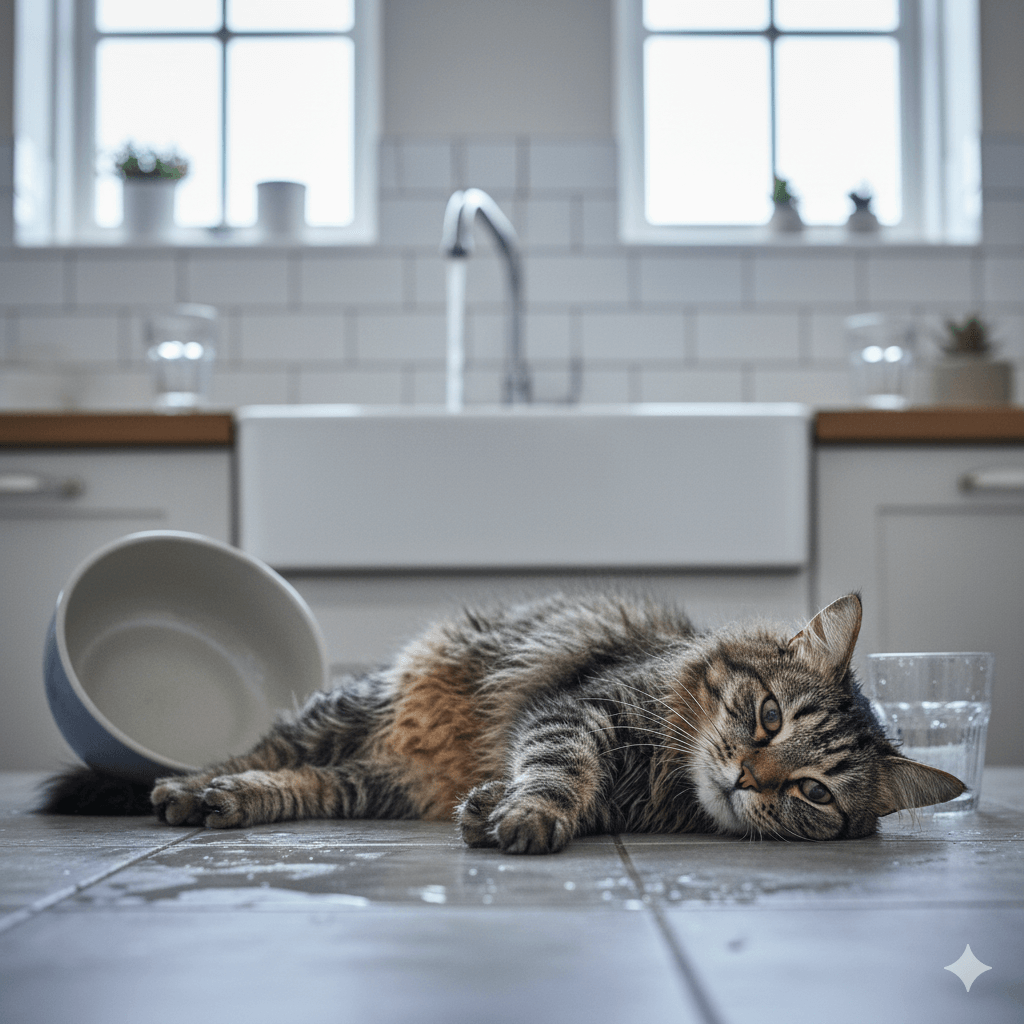

Understanding Water Intoxication in Cats
Water intoxication—also known as hyponatremia—is a rare but potentially life-threatening condition that can affect cats when they consume excessive amounts of water in a short period. While hydration is essential for feline health, too much water too quickly can dangerously dilute sodium levels in the bloodstream, disrupting normal nerve and muscle function. Though uncommon, this condition demands immediate attention, especially in kittens, outdoor cats, or those with underlying health issues. Recognizing early signs and understanding risk factors can make all the difference in protecting your cat’s well-being. With awareness and care, water intoxication is both preventable and treatable.
How Water Intoxication Develops in Cats
Unlike dogs, cats rarely overdrink voluntarily—but certain situations can lead to accidental or excessive water intake. Understanding the mechanisms behind this condition helps owners identify risky scenarios before they become emergencies:
- Playing in Water Sources:
Some cats enjoy splashing in pools, bathtubs, or running hoses and may unintentionally swallow large volumes while playing. - Medical Conditions Driving Thirst:
Diseases like diabetes, kidney failure, or hyperthyroidism cause polydipsia (excessive thirst), increasing vulnerability if water isn’t regulated. - Post-Dehydration Rehydration:
After vomiting, diarrhea, or heat exposure, a cat may gulp water rapidly, overwhelming the body’s ability to balance electrolytes. - Behavioral or Neurological Issues:
Rare compulsive drinking (psychogenic polydipsia) or brain disorders can lead to abnormal water consumption beyond physiological need. - Environmental Factors:
Access to large, unsupervised water sources—like garden ponds or kiddie pools—poses higher risk, especially in curious kittens.
Though the kidneys usually regulate fluid balance efficiently, sudden overload can outpace this system, triggering a cascade of neurological and physical symptoms.
Early Warning Signs of Water Intoxication
Symptoms often appear quickly after excessive intake and worsen as sodium levels drop. Early detection is critical—many signs mimic other illnesses, so context (e.g., recent water play) matters greatly:
- Lethargy or Weakness:
Your cat may seem unusually tired, unresponsive, or reluctant to move, even avoiding favorite spots or toys. - Nausea or Vomiting:
Gastrointestinal upset is common as the body reacts to electrolyte imbalance, sometimes leading to repeated vomiting. - Loss of Coordination:
Wobbliness, stumbling, or difficulty jumping onto furniture can signal neurological disruption from low sodium. - Drooling or Glassy Eyes:
Excessive salivation and a vacant, unfocused gaze are subtle but telling indicators of internal distress. - Dilated Pupils or Staring:
Unusual eye changes—especially without light response—may occur due to brain swelling from fluid imbalance.
If you observe these signs after known or suspected water overconsumption, seek veterinary care immediately—this is a medical emergency.
Check this guide 👉Are Pansies Poisonous to Cats? Best 7 Expert Tips!
Check this guide 👉Cat Ingested Rat Poison Symptoms: Best 7 Expert Tips!
Check this guide 👉Symptoms of Flea Treatment Poisoning in Cats: Best 7 Tips!
Risk Scenarios | Critical Symptoms to Watch For |
|---|---|
Playing in pools or bathtubs | Sudden collapse or seizures |
Underlying kidney disease | Extreme lethargy within hours of drinking |
Hot weather + rapid rehydration | Vomiting followed by disorientation |
Kittens exploring water features | Unsteady gait or head tilt |
Post-illness water gulping | Muscle twitching or tremors |
When Water Intoxication Becomes Life-Threatening
As sodium levels plummet, brain cells absorb excess water and swell—a process that can escalate rapidly. Without intervention, this leads to severe neurological compromise:
- Seizures or Tremors:
Uncontrolled shaking or full-body convulsions indicate significant brain swelling and require urgent stabilization. - Coma or Unresponsiveness:
Advanced hyponatremia can depress consciousness, making your cat unresponsive to voice, touch, or stimuli. - Respiratory Distress:
Labored breathing or shallow breaths may occur if brainstem function is impaired by swelling. - Abnormal Heart Rate:
The heart may beat too fast (tachycardia) or too slow (bradycardia) as electrolyte imbalance affects cardiac conduction. - Loss of Bladder or Bowel Control:
In critical stages, neurological shutdown can lead to incontinence—a sign of severe systemic collapse.
These are dire warning signs. If your cat exhibits any, transport them to an emergency vet immediately—minutes matter.
Diagnosis and Veterinary Treatment
Veterinarians diagnose water intoxication through blood tests, clinical signs, and recent history. Treatment focuses on safely restoring sodium balance while minimizing further brain stress:
- Blood Electrolyte Panel:
Measures sodium, potassium, and other key levels to confirm hyponatremia and assess severity. - Controlled Fluid Therapy:
Intravenous administration of isotonic or hypertonic saline—carefully dosed to avoid rapid shifts that worsen brain swelling. - Neurological Monitoring:
Continuous assessment of reflexes, consciousness, and pupil response guides treatment intensity. - Supportive Medications:
Anti-seizure drugs, diuretics, or oxygen therapy may be used depending on symptoms and complications. - Hospitalization for Observation:
Most cats need 24–48 hours of monitoring to ensure sodium stabilizes without rebound imbalances.
Prompt, professional care dramatically improves outcomes—many cats recover fully with timely intervention.
Preventing Water Intoxication in Your Cat
Prevention centers on managing access, understanding health status, and promoting balanced hydration habits:
- Supervise Water Play:
Limit unsupervised access to pools, bathtubs, fountains with deep basins, or outdoor water features. - Monitor Water Intake in Sick Cats:
If your cat has kidney disease or diabetes, work with your vet to establish safe daily water limits. - Offer Frequent Small Amounts After Illness:
Instead of leaving a full bowl post-vomiting, give small sips every 10–15 minutes to allow gradual rehydration. - Use Shallow Water Bowls:
Wide, shallow dishes reduce the chance of accidental gulping and make it easier to track consumption. - Schedule Regular Health Checks:
Early detection of conditions that cause excessive thirst helps manage risk before problems arise.
A little vigilance goes a long way in keeping your cat’s hydration healthy—not hazardous.
Special Risks for Kittens, Seniors, and Medically Vulnerable Cats
Certain cats face higher susceptibility due to size, age, or health status. Extra precautions are essential for these groups:
- Kittens Under Six Months:
Their small body mass means even a few extra ounces of water can trigger imbalance—always supervise near water. - Senior Cats with Organ Decline:
Aging kidneys may struggle to excrete excess water efficiently, increasing vulnerability during heat or illness. - Cats with Endocrine Disorders:
Hyperthyroidism or diabetes often drives compulsive drinking; these cats need tailored hydration plans. - Outdoor or Feral Cats:
May drink from stagnant ponds or irrigation systems after rain, unknowingly consuming unsafe volumes. - Post-Surgical or Dehydrated Cats:
Those recovering from procedures or illness are at peak risk during the rehydration phase.
For these cats, “more water” isn’t always better—precision matters more than volume.
What to Do If You Suspect Water Intoxication
Immediate action can be lifesaving. If you believe your cat has consumed too much water and shows concerning signs:
- Stop Further Water Access:
Remove water bowls and prevent additional intake until you consult a professional. - Note Time and Symptoms:
Record when excess drinking occurred and list all observed symptoms—this helps vets assess urgency. - Call Your Vet or Emergency Clinic:
Don’t wait for symptoms to worsen. Even mild disorientation warrants a same-day evaluation. - Keep Your Cat Calm and Warm:
Stress increases metabolic demand; wrap them in a soft blanket and minimize handling during transport. - Avoid Home Remedies:
Never give salt, electrolyte drinks, or medications—these can worsen the crisis without medical oversight.
Your quick response could be the difference between full recovery and permanent damage.
Frequently Asked Questions About Water Intoxication in Cats
Can cats really get water intoxication?
Yes—though rare, it can occur when large volumes are consumed rapidly, especially in small or medically compromised cats.
How much water is too much for a cat?
Most cats need 3.5–4.5 oz per 5 lbs of body weight daily. Sudden intake of double that in under an hour raises concern.
Is water intoxication the same as overhydration?
Yes—“water intoxication” and “hyponatremia” refer to the dangerous electrolyte imbalance caused by excessive water.
Are certain breeds more at risk?
No breed is inherently more prone, but small cats (like Singapuras or kittens) are more vulnerable due to body size.
Can wet food cause water intoxication?
No—moisture from food is absorbed slowly and rarely contributes to acute overload; the risk comes from free water gulping.
Keeping Your Cat Hydrated—Safely and Sustainably
Water is life—but like all things, balance is key. By understanding your cat’s natural hydration needs and respecting the fine line between healthy intake and dangerous excess, you become a better guardian of their overall health. Water intoxication may be uncommon, but its consequences are serious—making awareness one of your most powerful tools. Offer fresh water daily, monitor changes in drinking behavior, and celebrate your cat’s quirky splashing habits with supervision, not restriction. In doing so, you ensure that every drop they drink supports vitality, not risk. After all, a thriving cat isn’t just well-hydrated—they’re safely, wisely, and lovingly cared for in every way.
Understanding Cryptosporidium in Cats: Best 7 Expert Tips! – Spot symptoms, treat safely, and stop parasite spread in your home.
Understanding Cryptosporidium in Dogs: Best 7 Expert Tips! – Learn symptoms, treatment & prevention for this stubborn gut parasite.
Understanding Syringomyelia in Cats: Best 7 Expert Tips! – Recognize signs, manage pain, and support your cat’s neurological health with vet-backed guidance.
Understanding Syringomyelia in Dogs: Best 7 Expert Tips! – Expert insights on symptoms, MRI diagnosis, pain management & quality of life.


