
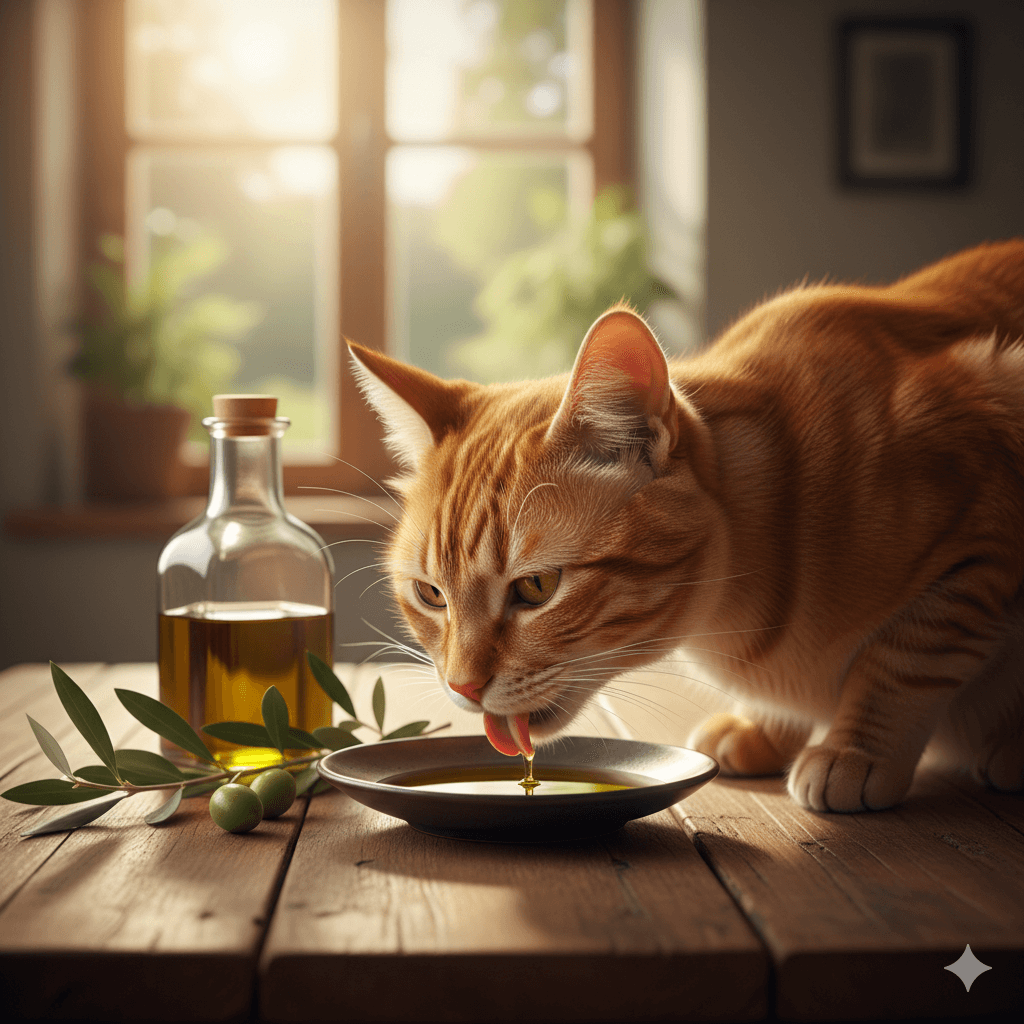

Can I Give My Cat Olive Oil Every Day? Best 7 Expert Tips!

Can I Give My Cat Olive Oil Every Day? Best 7 Expert Tips!

Can I Give My Cat Olive Oil Every Day?

Olive oil is a common pantry staple praised for its health benefits in humans—but can it safely be part of your cat’s daily routine? While small amounts may offer limited support for skin or digestion, regular or excessive use carries real risks. Cats have unique nutritional needs, and what’s healthy for people isn’t always safe for them. Understanding when olive oil might help—and when it could harm—is essential for responsible pet care. Let’s explore the facts so you can make informed, feline-friendly choices.

Potential Benefits of Olive Oil for Cats

In very limited amounts, olive oil may provide minor support for certain feline health concerns—but it’s never a substitute for proper veterinary care or a balanced diet. These potential upsides should always be weighed against the risks:

 
  • Mild Constipation Relief:
    A few drops of olive oil may lubricate the digestive tract and ease occasional mild constipation, especially in older cats.
     
  • Dry Skin or Dull Coat Support:
    The healthy fats in olive oil might temporarily improve coat shine or reduce flakiness when added sparingly to food.
     
  • Hairball Passage Aid:
    Some owners use it to help hairballs move through the GI tract more smoothly, though safer alternatives exist.
     
  • Appetite Stimulation (Short-Term):
    The rich aroma and texture may entice a finicky eater to consume a meal—use only as a temporary measure.
     
  • Natural Lubricant for Pill Administration:
    A tiny amount on a pill can make it easier to swallow, reducing stress during medication time.
 

These benefits are modest and situational—olive oil is not a treatment, supplement, or essential nutrient for cats.

Can I Give My Cat Olive Oil Every Day? Best 7 Expert Tips!

Risks of Daily Olive Oil Use in Cats

Feeding olive oil to your cat every day—even in small amounts—can lead to digestive upset, nutritional imbalance, or more serious health issues over time. Cats are obligate carnivores and process fats very differently than humans:

 
  • Diarrhea or Vomiting:
    Excess fat overwhelms a cat’s sensitive digestive system, often causing loose stools, nausea, or regurgitation.
     
  • Pancreatitis Risk:
    High-fat foods can trigger inflammation of the pancreas, a painful and potentially life-threatening condition.
     
  • Weight Gain and Obesity:
    Olive oil is calorie-dense (about 120 calories per tablespoon)—even a teaspoon daily adds up quickly in a small cat.
     
  • Nutrient Imbalance:
    Regular oil intake can interfere with the absorption of fat-soluble vitamins (A, D, E, K) and disrupt dietary balance.
     
  • Reduced Appetite for Proper Food:
    If your cat fills up on oil-enhanced meals, they may eat less of their complete, species-appropriate diet.
 

Daily use turns a possible short-term aid into a long-term hazard—consistency without medical guidance is rarely wise.

Occasional, Vet-Approved Uses
Daily or Unsupervised Use Risks
1–2 drops for mild constipation
Chronic diarrhea or vomiting
Temporary coat shine boost
Pancreatitis from excess fat
Short-term hairball support
Unwanted weight gain
Pill-giving assistance
Imbalanced nutrition
Appetite encouragement during illness
Reduced interest in essential cat food

Safe Dosage Guidelines for Olive Oil in Cats

If your vet suggests olive oil for a specific issue, dosage must be precise and minimal—never guess or follow internet advice blindly. A cat’s size and health status drastically affect tolerance:

 
  • Tiny Amounts Only:
    For an average 10-pound cat, no more than ¼ to ½ teaspoon once—not daily—is the typical safe upper limit.
     
  • Never Use as a Daily Supplement:
    There’s no established safe daily dose because cats don’t require added plant-based oils in their diet.
     
  • Choose Extra Virgin, Cold-Pressed:
    If used at all, opt for high-quality, unrefined olive oil without additives, garlic, or herbs (which are toxic).
     
  • Mix with Food, Never Force:
    Stir it lightly into wet food—never syringe it directly, as this risks aspiration pneumonia.
     
  • Discontinue After 1–2 Days:
    If no improvement occurs within 48 hours, stop and consult your vet—prolonged use increases risks.
 

When in doubt, skip it. Most feline health issues are better addressed with vet-recommended treatments than kitchen oils.

Healthier Alternatives to Olive Oil for Cats

Instead of relying on olive oil, consider safer, more effective solutions tailored to your cat’s biology and needs:

 
  • Veterinary-Approved Hairball Remedies:
    Gels or pastes formulated specifically for cats offer gentle, consistent relief without digestive side effects.
     
  • Omega-3 Supplements (from Fish Oil):
    EPA and DHA from marine sources support skin, coat, and joint health far more effectively than olive oil.
     
  • High-Fiber Cat Foods:
    For constipation or hairballs, therapeutic diets with added pumpkin fiber or psyllium are safer long-term tools.
     
  • Regular Grooming:
    Brushing your cat daily reduces swallowed fur, minimizing hairball formation at the source.
     
  • Hydration Support:
    Wet food or cat fountains encourage water intake, keeping stools soft and digestion smooth naturally.
 

These alternatives address the root cause—not just the symptom—while aligning with feline physiology.

Special Considerations for Kittens, Seniors, and Sick Cats

Vulnerable cats require extra caution—what’s mildly risky for a healthy adult can be dangerous for others:

 
  • Kittens Under One Year:
    Their digestive systems are still developing; even small fat amounts can cause severe diarrhea and dehydration.
     
  • Senior Cats:
    Age-related declines in liver or kidney function reduce fat tolerance—olive oil may strain these organs unnecessarily.
     
  • Cats with Pancreatitis or IBD:
    Any added fat can trigger painful flare-ups or worsen chronic inflammation.
     
  • Overweight or Diabetic Cats:
    Extra calories from oil sabotage weight management and blood sugar control.
     
  • Cats on Medications:
    Olive oil may interfere with absorption of certain drugs—always check with your vet first.
 

For these groups, “natural” doesn’t mean safe. Medical guidance is non-negotiable.

Myth vs. Fact: Olive Oil and Cat Health

Misinformation spreads easily online. Let’s clarify common beliefs with veterinary-backed truth:

 
  • Myth: Olive oil detoxifies a cat’s liver.
    Fact: Cats don’t need “detoxes”; their liver functions well on a proper diet. Oil adds burden, not benefit.
     
  • Myth: It’s a natural remedy, so it’s harmless.
    Fact: “Natural” ≠ safe—many plants and oils are toxic to cats, including essential oils and even some nuts.
     
  • Myth: All oils are the same for pets.
    Fact: Fish oil (omega-3) is beneficial; olive oil (omega-9) offers little and poses greater digestive risk.
     
  • Myth: If my cat licks it willingly, it’s good for them.
    Fact: Cats are curious and may like the taste—but that doesn’t make it healthy (just like they may eat toxic lilies).
     
  • Myth: Daily oil prevents hairballs.
    Fact: Prevention relies on grooming and fiber—not lubricants that may cause diarrhea or nutrient loss.
 

Stick to science, not social media trends, when caring for your feline friend.

When Olive Oil Might Be Appropriate—And When It’s Not

While olive oil isn’t a daily dietary staple for cats, there are rare, specific scenarios where a vet might suggest its temporary use. Understanding the distinction between appropriate and inappropriate application helps you avoid well-meaning mistakes:

 
  • Appropriate: Short-Term Constipation Aid (Vet-Supervised):
    A single, tiny dose (¼ tsp for a 10-lb cat) may ease mild, acute constipation—but only after ruling out blockages or underlying disease.
     
  • Inappropriate: Daily “Health Boost” or Supplement:
    Cats have no biological need for added plant oils; daily use disrupts digestion and offers no proven long-term benefit.
     
  • Appropriate: Emergency Lubricant for a Stuck Hairball (Once-Off):
    If your cat is retching but not producing a hairball, a vet may advise a one-time dose to help passage—never routine use.
     
  • Inappropriate: Substitute for Proper Grooming or Diet:
    Relying on oil instead of brushing or feeding a fiber-balanced cat food addresses symptoms, not causes, and delays real solutions.
     
  • Appropriate: Temporary Appetite Enhancer During Illness Recovery:
    A drop mixed into wet food might encourage eating during convalescence—but discontinue as soon as normal appetite returns.
 

Using olive oil should always be the exception, not the rule—and never without first consulting your veterinarian.

Frequently Asked Questions About Giving Olive Oil to Cats

Can olive oil kill a cat?

Not in tiny amounts—but large doses or daily use can lead to pancreatitis or severe dehydration, which can be fatal if untreated.

Only under vet guidance: typically ¼ teaspoon once for a 10-pound cat. Do not repeat without approval.

Neither is ideal. Coconut oil is high in saturated fat and may cause even worse digestive upset in cats.

Avoid topical use—it can clog pores, attract dirt, and lead to skin infections. Use vet-recommended moisturizers instead.

Monitor for vomiting or diarrhea. If they consumed more than a teaspoon or show symptoms, call your vet immediately.

Making Feline-Safe Choices with Love and Caution

Your desire to help your cat feel better is a testament to your care—but true wellness comes from respecting their unique biology, not applying human remedies. Olive oil may seem harmless, but daily use risks more than it resolves. Instead, focus on balanced nutrition, regular vet check-ups, and proven solutions tailored to feline needs. When you prioritize safety over convenience, you give your cat not just comfort, but the gift of long-term health. Trust your instincts, lean on professional guidance, and remember: the best care is always the kind that meets your cat where they are—not where we assume they should be.

Understanding Cryptosporidium in Cats: Best 7 Expert Tips!

Understanding Cryptosporidium in Cats: Best 7 Expert Tips! – Spot symptoms, treat safely, and stop parasite spread in your home.

Understanding Cryptosporidium in Dogs: Best 7 Expert Tips!

Understanding Cryptosporidium in Dogs: Best 7 Expert Tips! – Learn symptoms, treatment & prevention for this stubborn gut parasite.

Understanding Syringomyelia in Cats: Best 7 Expert Tips!

Understanding Syringomyelia in Cats: Best 7 Expert Tips! – Recognize signs, manage pain, and support your cat’s neurological health with vet-backed guidance.

Understanding Syringomyelia in Dogs: Best 7 Expert Tips!

Understanding Syringomyelia in Dogs: Best 7 Expert Tips! – Expert insights on symptoms, MRI diagnosis, pain management & quality of life.

Leave a Reply

Your email address will not be published. Required fields are marked *


