Can I Give My Dog Olive Oil Every Day?
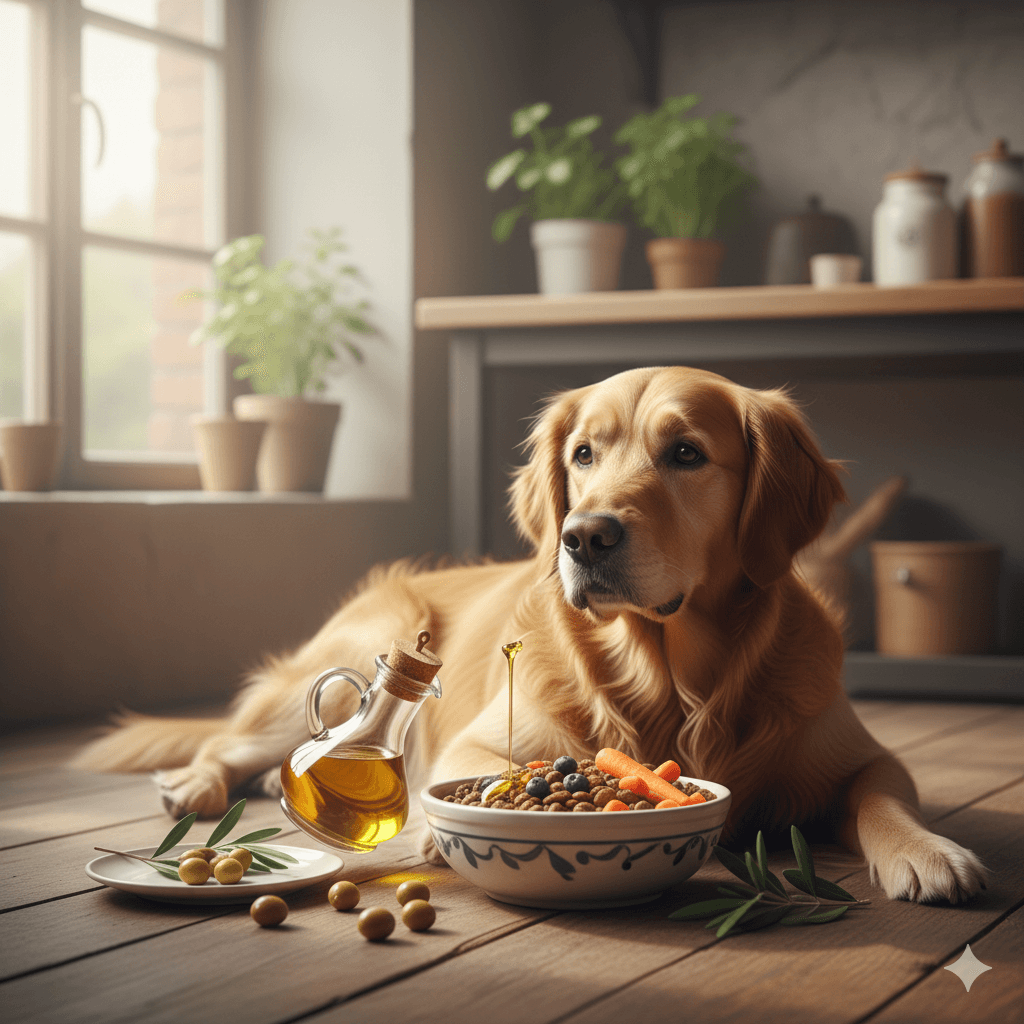
Many pet owners wonder if olive oil—a pantry staple known for its human health benefits—can safely be part of their dog’s daily routine. While small amounts of high-quality olive oil may support skin, coat, and digestion in dogs, the answer isn’t a simple “yes” or “no.” Giving it every day requires caution, proper dosing, and awareness of your dog’s individual needs. Used wisely, olive oil can be a gentle supplement; used carelessly, it may lead to weight gain or digestive upset. Understanding the facts helps you make a safe, informed choice for your furry friend.
Potential Benefits of Olive Oil for Dogs
When used in moderation, olive oil can offer several wellness perks for dogs, thanks to its healthy fats and antioxidants. These benefits are most noticeable in dogs with dry skin, dull coats, or occasional constipation—but results vary by individual:
- Improved Skin and Coat Health:
The omega-9 fatty acids and vitamin E in olive oil may help moisturize dry skin and add shine to a dull coat over time. - Mild Laxative Effect:
A small amount can soften stool and ease mild constipation, acting as a natural lubricant in the digestive tract. - Anti-Inflammatory Properties:
Polyphenols in extra virgin olive oil may support joint comfort and reduce low-grade inflammation, especially in senior dogs. - Enhanced Nutrient Absorption:
Healthy fats help the body absorb fat-soluble vitamins (A, D, E, K) more efficiently from food. - Appetite Stimulation:
A light drizzle over dry kibble can make meals more appealing for picky eaters or recovering dogs.
While promising, these benefits only appear with consistent, appropriate use—not excessive or daily dosing without purpose.
Risks and Downsides of Daily Olive Oil Use
Olive oil is not inherently dangerous for dogs, but giving it every day—even in small amounts—can backfire if your dog’s diet or health doesn’t support it. Overuse is more common than underuse, leading to unintended consequences:
- Weight Gain and Obesity:
Olive oil is calorie-dense (about 120 calories per tablespoon). Daily addition without adjusting total food intake can lead to unhealthy weight gain. - Pancreatitis Risk:
Dogs prone to pancreatitis—or breeds like Miniature Schnauzers at higher risk—can develop life-threatening inflammation from excess fat. - Loose Stools or Diarrhea:
Too much oil overwhelms the gut, causing greasy stools, urgency, or even vomiting in sensitive dogs. - Nutritional Imbalance:
Relying on olive oil over balanced omega-3 sources (like fish oil) may skew your dog’s essential fatty acid ratio over time. - Masking Underlying Health Issues:
Using oil to “fix” chronic dry skin or constipation might delay diagnosis of allergies, parasites, or metabolic disease.
Daily use should never be automatic—it must be intentional, measured, and vet-approved based on your dog’s unique profile.
Check this guide 👉What Essential Oils Are Bad for Dogs: Best 7 Expert Tips!
Check this guide 👉How Much CBD Oil Should I Give My Dog? Best 7 Expert Tips!
Check this guide 👉Is Olive Oil Good for Dogs? Best 7 Expert Tips!
Safe Use Guidelines | Signs to Stop Immediately |
|---|---|
Use only extra virgin, cold-pressed olive oil | Diarrhea or vomiting within hours of giving oil |
Limit to 1/4 tsp per 10 lbs of body weight max | Your dog refuses food or seems lethargic |
Give with a full meal, not on an empty stomach | Greasy or oily stool |
Use only 2–3 times per week, not necessarily daily | History of pancreatitis or gallbladder issues |
Consult your vet if your dog has a chronic condition | Unexplained weight gain over 2–4 weeks |
How to Safely Introduce Olive Oil Into Your Dog’s Diet
If you and your vet decide olive oil could help, start slowly and monitor closely. Most dogs don’t need it daily—intermittent use is often more effective and safer. Follow these steps for a thoughtful introduction:
- Begin with a Tiny Amount:
For a 20-lb dog, start with 1/8 tsp mixed into their regular food—never give it straight from the spoon. - Observe for 48 Hours:
Watch for changes in stool, energy, appetite, or digestion before increasing the dose or frequency. - Use Only High-Quality Oil:
Choose extra virgin olive oil in a dark glass bottle; avoid refined, light, or flavored varieties with additives. - Never Replace Essential Fats:
Olive oil shouldn’t substitute fish oil or vet-recommended supplements that provide critical omega-3s. - Adjust Total Calorie Intake:
Subtract the calories from olive oil from their daily food allowance to prevent weight gain.
Patience and precision turn a simple kitchen ingredient into a supportive tool—not a daily habit without purpose.
Better Alternatives for Common Issues Olive Oil Addresses
Before reaching for olive oil daily, consider whether a more targeted solution exists for your dog’s specific concern. Often, safer, more effective options are available:
- For Dry, Itchy Skin:
Omega-3 fish oil (EPA/DHA) has stronger anti-inflammatory effects than olive oil and is backed by veterinary research. - For Coat Shine:
A balanced diet with adequate protein and biotin often resolves dullness better than added fats alone. - For Constipation:
Canned pumpkin (plain, unsweetened), psyllium husk, or increased water intake are gentler and more reliable remedies. - For Joint Support:
Glucosamine, chondroitin, or vet-prescribed joint supplements outperform olive oil for mobility issues. - For General Wellness:
A high-quality commercial diet meeting AAFCO standards rarely needs added oils—supplements should fill gaps, not create them.
Sometimes, the best care means skipping the trend and choosing evidence-based solutions tailored to your dog.
Special Considerations for Puppies, Seniors, and At-Risk Dogs
Not all dogs tolerate olive oil equally. Age, breed, and health status dramatically influence whether even small amounts are appropriate—especially on a daily basis:
- Puppies Under 1 Year:
Their developing pancreas and digestive system are sensitive; added fats can disrupt growth and nutrient balance. - Senior Dogs:
While anti-inflammatory benefits may appeal, older dogs often have reduced fat metabolism or undiagnosed organ issues. - Overweight or Obese Dogs:
Extra calories from oil sabotage weight loss efforts—focus on portion control and exercise first. - Dogs with GI Sensitivities:
Breeds like French Bulldogs or those with IBD may react strongly to any dietary fat increase. - Dogs on Medication:
Olive oil can interfere with absorption of certain drugs (e.g., fat-soluble medications)—always check with your vet.
For these groups, “natural” doesn’t mean “safe.” Professional guidance isn’t optional—it’s essential.
What Your Veterinarian Might Recommend Instead
Most vets don’t oppose occasional olive oil but rarely endorse daily use. Instead, they often suggest structured, science-backed approaches to the problems owners try to solve with oil:
- Prescription Dental or Skin Diets:
Veterinary therapeutic foods address dry skin or poor coat from the inside out with balanced nutrition. - Probiotics or Fiber Supplements:
For digestive regularity, these offer more predictable results than olive oil’s laxative effect. - Essential Fatty Acid Panels:
A simple blood test can reveal if your dog truly lacks certain fats—before you add any oil unnecessarily. - Weight Management Plans:
If your dog needs more calories (e.g., underweight rescues), vets recommend calorie-dense prescription foods over kitchen oils. - Topical Solutions:
For localized dryness, vet-approved shampoos or sprays may be safer and more effective than systemic supplements.
Your vet’s goal isn’t to deny natural remedies—it’s to ensure they’re truly helpful, not just well-intentioned guesswork.
Practical Ways to Incorporate Olive Oil Safely (If Approved by Your Vet)
If your veterinarian confirms that olive oil is appropriate for your dog’s specific needs, these practical strategies help you use it effectively—without overdoing it or disrupting their health:
- Mix with Meals, Never Serve Alone:
Always stir the oil into your dog’s regular food to slow digestion and reduce the risk of stomach upset or regurgitation. - Use a Measuring Spoon or Syringe:
Precision matters—eyeballing leads to overuse. A 1/4 or 1/2 tsp measuring spoon (or oral syringe) ensures accurate, consistent dosing. - Choose the Right Time of Day:
Give it with your dog’s largest meal to aid fat metabolism and minimize digestive strain, typically at dinner for most dogs. - Track Effects in a Health Journal:
Note changes in coat shine, stool quality, energy, or weight over 2–3 weeks to assess whether it’s truly helping. - Cycle Usage Instead of Daily Dosing:
Try olive oil 2–3 times per week rather than every day—this often provides benefits while lowering long-term risks.
Used thoughtfully and sparingly, olive oil can be a gentle supplement—but only when it serves a clear purpose in your dog’s individual care plan.
Frequently Asked Questions About Giving Dogs Olive Oil
Can I give my dog olive oil every day for shedding?
No—shedding is rarely fixed by oil alone. Genetics, season, diet, and health play bigger roles; daily oil won’t stop normal shedding and may cause weight gain.
Is olive oil better than coconut oil for dogs?
Olive oil is generally safer for long-term use. Coconut oil is higher in saturated fat and may raise cholesterol or trigger pancreatitis in sensitive dogs.
How much olive oil is too much for a dog?
More than 1 teaspoon per 20 lbs of body weight per day is excessive. Even half that amount daily may be too much for small or sedentary dogs.
Can olive oil help my dog pass a foreign object?
No—this is a dangerous myth. If your dog swallowed something unsafe, seek emergency care immediately; oil won’t help and may delay treatment.
Should I add olive oil to homemade dog food?
Only under veterinary nutritionist guidance. Homemade diets require precise fat ratios—adding oil without balancing the whole recipe can cause deficiencies.
Making Thoughtful Choices for Your Dog’s Long-Term Health
The question “Can I give my dog olive oil every day?” reflects your care and desire to support their wellness—and that intention matters deeply. But true care also means pausing, asking the right questions, and sometimes choosing restraint over routine. Olive oil has its place in canine wellness, but it’s not a daily necessity for most dogs. By prioritizing balance, professional advice, and your dog’s individual needs over trends or kitchen shortcuts, you honor the trust they place in you every day. After all, the best supplement you can give your dog isn’t found in a bottle—it’s your thoughtful, informed love.
Dog Seizure Symptoms: Best 7 Expert Tips! – Learn to spot signs, respond effectively, and manage seizures in dogs for a healthier, happier life.
Carprofen Dosage for Cats: Best 7 Expert Tips! – Learn safe dosing, risks, and alternatives to manage pain and inflammation in cats effectively.
Africanis Dog Breed: Best 7 Expert Tips! – Explore the resilience, loyalty, and adaptability of this ancient African breed, perfect for diverse lifestyles.
Cruciate Ligament Injury Symptoms in Dogs: Best 7 Tips! – Discover key signs like limping, swelling, and joint instability to ensure prompt treatment.