
Understanding How Long to Give Metronidazole to Your Cat
Metronidazole is a commonly prescribed antibiotic and antiprotozoal medication used in cats to treat conditions like diarrhea, giardia, inflammatory bowel disease, and certain bacterial infections. While effective, it’s not meant for long-term or unsupervised use. The right duration depends on your cat’s diagnosis, age, overall health, and response to treatment. Giving it too briefly may lead to incomplete recovery, while extending it unnecessarily can increase the risk of side effects. Always follow your veterinarian’s instructions—but understanding general guidelines can help you care for your cat more confidently during treatment.
Typical Treatment Durations Based on Common Conditions
Veterinarians tailor metronidazole courses to the underlying issue, so dosage length can vary widely. However, most protocols follow established ranges to balance effectiveness with safety—especially since prolonged use may impact gut flora or liver function. Here’s what’s typically recommended for frequent feline conditions:
- Acute Diarrhea (Non-Specific):
For short-term gastrointestinal upset with no confirmed infection, vets often prescribe metronidazole for 5 to 7 days to reduce inflammation and restore balance. - Giardia Infection:
When giardia is diagnosed via fecal test, treatment usually lasts 5 to 7 days, though some protocols extend to 10 days for stubborn cases or multi-cat households. - Inflammatory Bowel Disease (IBD):
In chronic conditions like IBD, metronidazole may be used for 2 to 3 weeks initially, sometimes followed by lower maintenance doses or alternative therapies. - Bacterial Overgrowth (SIBO):
Small intestinal bacterial overgrowth often responds to a 7- to 14-day course, depending on severity and response to initial treatment. - Dental or Oral Infections (Off-Label Use):
Though less common, metronidazole is occasionally used for anaerobic mouth infections, typically for 7 days alongside dental care.
Most veterinarians avoid prescribing metronidazole for longer than 14 consecutive days without re-evaluation due to potential neurotoxicity or gut microbiome disruption.
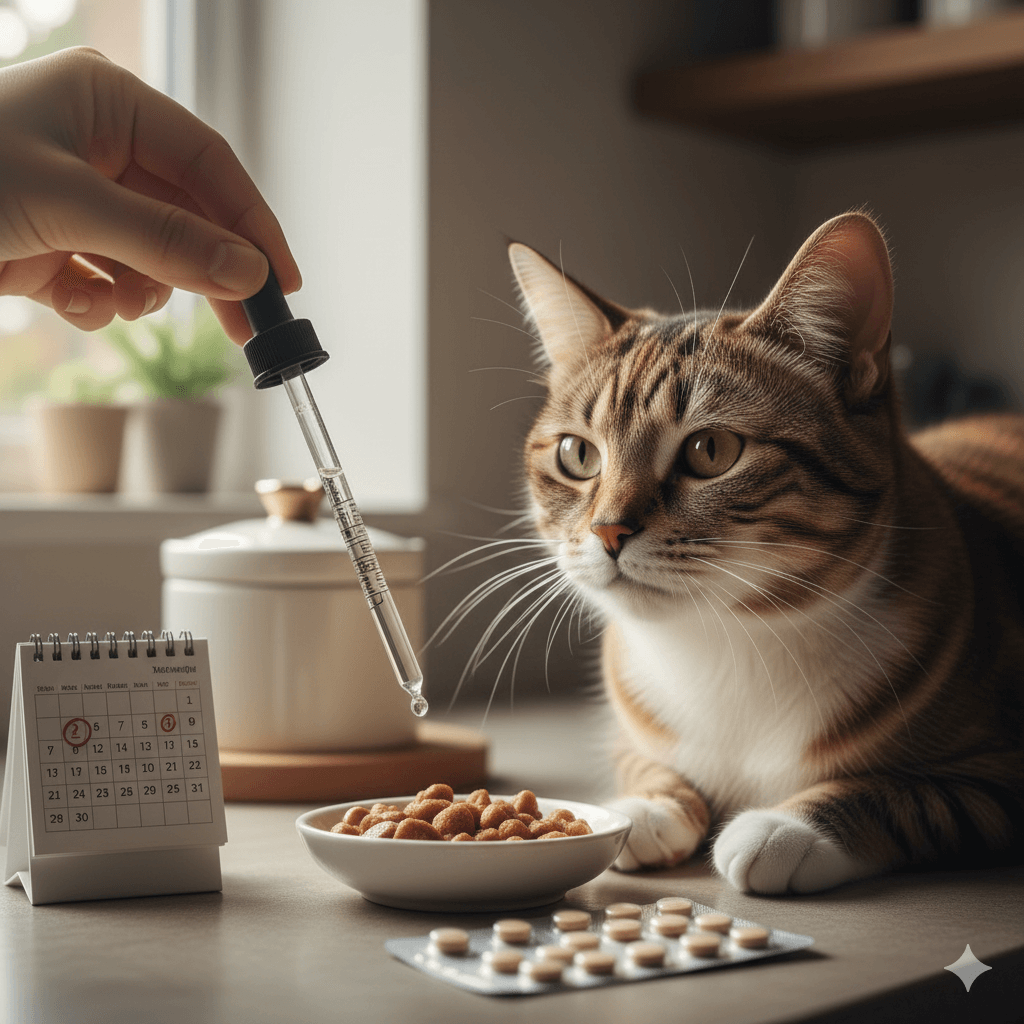
Signs Your Cat May Need a Shorter or Longer Course
While standard durations exist, your cat’s individual response matters more than the calendar. Watch for behavioral and physical cues that signal whether treatment is working—or if adjustments are needed:
- Rapid Improvement Within 2–3 Days:
If vomiting, diarrhea, or lethargy resolve quickly, your vet may still recommend completing the full course to prevent relapse. - Worsening or No Change After 3 Days:
Lack of improvement might mean the issue isn’t responsive to metronidazole—requiring diagnostics like fecal PCR or diet trials instead. - Neurological Side Effects:
Rare but serious signs like head tilt, stumbling, or seizures require immediate discontinuation and vet contact, even if the course isn’t finished. - Loss of Appetite or Excessive Drooling:
These may indicate medication intolerance; your vet might lower the dose, switch formulations, or stop treatment early. - Recurrence After Stopping:
If symptoms return within days of finishing the medication, a longer course or different approach may be necessary under veterinary supervision.
Never extend or repeat metronidazole without professional guidance—self-adjusting can do more harm than good.
Check this guide 👉Metronidazole Side Effects in Cats: Best 7 Expert Tips!
Check this guide 👉Metronidazole Cat Dosage: Best 7 Expert Tips!
Check this guide 👉Metronidazole for Cats: Best 7 Expert Tips!
Short-Term Use (3–7 Days) | Extended Use (8–14+ Days) |
|---|---|
Mild, acute diarrhea | Chronic IBD or protein-losing enteropathy |
Confirmed giardia (standard cases) | Severe bacterial overgrowth |
Post-dietary indiscretion support | Multi-pathogen gastrointestinal infections |
Pre-procedure gut prep (rare) | Cases with poor initial response |
Off-label dental support | Rescue protocol in shelter outbreaks |
Potential Risks of Overuse or Incorrect Duration
Metronidazole is powerful—but not without risks, especially when used too long or at high doses. Cats are particularly sensitive due to differences in liver metabolism, making duration control essential for safety:
- Gut Microbiome Disruption:
Prolonged use can wipe out beneficial bacteria, potentially worsening diarrhea or leading to secondary infections like C. difficile. - Neurotoxicity:
Extended courses (especially beyond 14 days) may cause incoordination, nystagmus, or seizures—often reversible if caught early. - Liver Stress:
The liver processes metronidazole; in cats with preexisting liver disease, even standard doses can be risky without monitoring. - Masking Underlying Issues:
Relying on metronidazole without diagnosing the root cause (e.g., food allergy, parasites) delays proper treatment and long-term relief. - Antibiotic Resistance:
Inappropriate or repeated use contributes to resistant bacterial strains, limiting future treatment options for your cat and others.
This is why vets increasingly favor targeted, short-duration protocols—and why follow-up care is just as important as the initial prescription.
How to Administer Metronidazole Safely and Effectively
Giving the medication correctly maximizes benefits and minimizes stress—for both you and your cat. Many cats dislike the bitter taste, so technique matters as much as timing:
- Use Compounded or Flavored Versions:
Ask your vet about tuna- or chicken-flavored liquid or chewable forms, which are easier to administer than crushed pills. - Hide in Food (If Approved):
Some formulations can be mixed with a small amount of strong-smelling wet food—but confirm with your vet first, as food can affect absorption. - Stick to the Schedule:
Dosing is usually every 12 or 24 hours; consistency maintains therapeutic blood levels and prevents gaps in treatment. - Wear Gloves When Handling:
Metronidazole is a human carcinogen in powder form—always wash hands after giving it and avoid inhaling crushed tablets. - Store Properly:
Liquid suspensions often require refrigeration; check the label and discard after the expiration date (typically 10–14 days for compounded versions).
Patience and precision during administration help ensure your cat gets the full benefit without unnecessary distress.
When to Contact Your Vet During Treatment
Even with a clear plan, unexpected developments can arise. Knowing when to call your veterinarian prevents complications and supports better outcomes:
- Vomiting Immediately After Dosing:
If your cat throws up within 15–20 minutes, you may need to re-dose—but only if your vet approves. - Refusal to Eat for More Than 24 Hours:
Loss of appetite can signal side effects or worsening illness, especially in cats prone to hepatic lipidosis. - Neurological Changes:
Wobbliness, twitching, or disorientation require urgent evaluation—do not wait until morning. - Bloody Diarrhea or Black Stool:
These indicate possible intestinal bleeding, which may be unrelated to the original issue but worsened by gut irritation. - Completed Course but Symptoms Persist:
If diarrhea or lethargy continues after finishing metronidazole, further testing (e.g., ultrasound, diet trial) may be needed.
Your vet would rather hear from you early than manage a preventable crisis later.
Alternatives to Long-Term Metronidazole Use in Cats
Because of its risks, many veterinarians now explore safer, more sustainable options for chronic gastrointestinal issues—especially when metronidazole offers only temporary relief:
- Probiotics and Prebiotics:
Products like FortiFlora or Visbiome help restore healthy gut flora without antibiotics, often used alongside or after short metronidazole courses. - Hypoallergenic Diets:
Many “IBD-like” cases are actually food allergies; a strict 8–12 week trial with hydrolyzed or novel protein food can resolve symptoms permanently. - Fecal Microbiota Transplant (FMT):
Emerging in veterinary medicine, FMT shows promise for recurrent diarrhea by repopulating the gut with healthy bacteria. - Budesonide (for IBD):
This gut-targeted steroid has fewer systemic side effects than prednisolone and is often preferred for long-term IBD management. - Fenbendazole for Parasites:
If giardia or other protozoa are suspected, fenbendazole (a dewormer) is often used alone or combined with metronidazole for better efficacy.
Discuss these options with your vet if your cat has recurring issues—long-term gut health should never rely solely on repeated antibiotics.
What to Avoid When Giving Metronidazole to Your Cat
While metronidazole can be a helpful tool in managing certain feline health issues, several common mistakes can reduce its effectiveness or put your cat at risk. Being aware of what not to do is just as important as knowing how to administer it correctly:
- Never Guess the Dose or Duration:
Using leftover medication or adjusting the dose without veterinary input can lead to toxicity or treatment failure. - Avoid Alcohol-Based Products Nearby:
Though rare in cats, metronidazole can cause a disulfiram-like reaction if exposed to alcohol—keep alcohol-based cleaners or medications away. - Don’t Crush or Split Tablets Unless Instructed:
Some formulations are time-released or enteric-coated; altering them may cause stomach upset or reduce efficacy. - Don’t Use Human Metronidazole Without Approval:
Human pills often contain higher doses or additives (like xylitol) that are dangerous for cats. - Avoid Long Gaps or Irregular Dosing:
Skipping doses or giving them inconsistently allows bacteria or protozoa to rebound, potentially worsening the condition.
Staying precise and cautious with every aspect of treatment helps protect your cat’s health and ensures the best possible outcome.
“Typical course of metronidazole treatment lasts from 5 to 7 days. The exact duration depends on your vet’s recommendation and your cat’s response to the medication.” — Dial-a-Vet
Frequently Asked Questions About Metronidazole Duration in Cats
How many days is metronidazole usually prescribed for cats?
Most commonly 5 to 7 days, though some conditions may require up to 14 days under close veterinary supervision.
Can I stop metronidazole early if my cat seems better?
No—always complete the full course unless your vet instructs otherwise, to prevent relapse or resistant organisms.
What if I miss a dose?
Give it as soon as you remember, but if it’s close to the next dose, skip the missed one—never double up.
Is metronidazole safe for kittens?
It can be used cautiously in kittens over 6–8 weeks old, but dosing must be precise due to immature liver function.
Can I give metronidazole with other medications?
Some drugs (like phenobarbital or cimetidine) interact with metronidazole—always inform your vet of all medications and supplements your cat takes.
Supporting Your Cat’s Recovery with Care and Caution
Giving metronidazole to your cat is more than just following a prescription—it’s an act of stewardship for their delicate digestive and neurological health. While this medication can bring quick relief for troubling symptoms, its power demands respect: the right dose, the right duration, and the right follow-up. By staying observant, communicating openly with your veterinarian, and considering long-term gut health beyond antibiotics, you help your cat heal not just today, but for years to come. In the end, the goal isn’t just to stop the diarrhea—it’s to restore balance, comfort, and vitality to your feline friend’s life.

Is Rawhide Bad for Cats? Best 7 Expert Tips! – Discover the risks, safe alternatives, and expert advice to keep your feline friend healthy and happy.

Is Rawhide Bad for Dogs? Best 7 Expert Tips! – Discover the risks, benefits, and safer alternatives to rawhides for your dog’s chewing needs.

Understanding Anorexia in Cats: Best 7 Expert Tips! – Learn why cats stop eating, spot warning signs, and discover how to help your feline regain appetite safely.

Understanding Anorexia in Dogs: Best 7 Expert Tips! – Learn causes, symptoms, and solutions to help your dog regain appetite and stay healthy.