
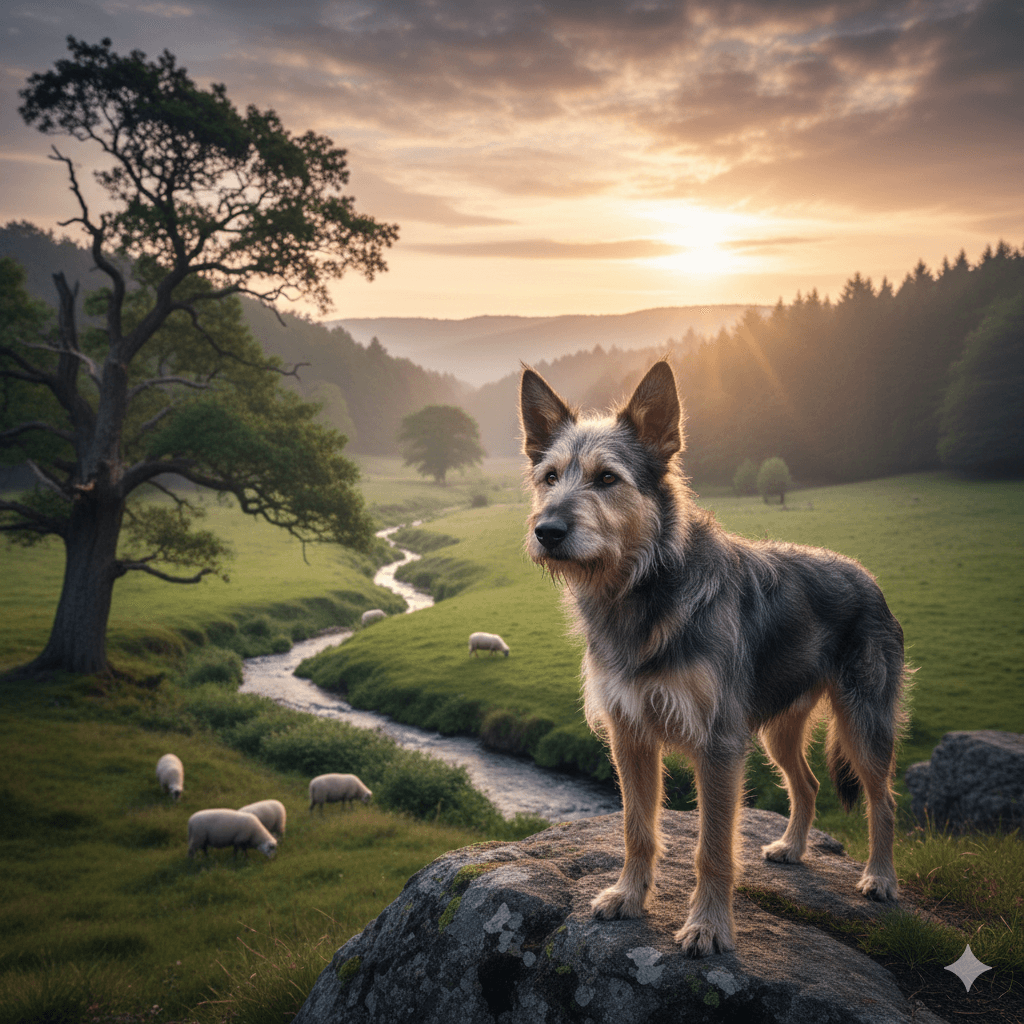

The Berger Picard Dog: Best 7 Expert Tips!
Lively, loyal, and strikingly rustic, the Berger Picard is a French herding gem with a heart of gold and a coat full of character. Known for its expressive eyes, upright ears, and wiry charm, this rare breed blends intelligence with gentle sensitivity—perfect for active families who value both brains and heart in a dog. Though nearly lost to history after two world wars, the Picard’s resilient spirit endures, offering devoted companionship to those who appreciate its depth, dignity, and quiet confidence. If you’re seeking a dog that’s more partner than pet, the Berger Picard might just steal your heart.
Origins and History of the Berger Picard
The Berger Picard hails from northern France’s Picardy region, where it worked tirelessly alongside shepherds for centuries. Its history is a tale of resilience, near-extinction, and quiet revival among devoted admirers.
- Ancient Herding Roots:
The Berger Picard is one of France’s oldest herding breeds, believed to have arrived with Frankish or Celtic tribes as early as the 9th century. - Functional Farm Companion:
Originally used to move cattle and sheep across rugged terrain, the Picard’s endurance, agility, and soft-mouthed herding style made it invaluable. - Near Extinction After Wars:
Both World Wars devastated the breed’s population in its native region; by 1945, fewer than 200 remained. - Slow but Steady Revival:
Dedicated French breeders carefully rebuilt numbers, and the breed gained international recognition—though it remains rare worldwide. - Modern Recognition Milestone:
The Berger Picard was officially recognized by the American Kennel Club in 2015, introducing it to a broader audience of dog lovers.
Though still uncommon, the Picard’s legacy lives on—not just in its working ability, but in its deeply intuitive bond with humans.
Distinctive Physical Traits of the Berger Picard
With its tousled coat, alert ears, and soulful gaze, the Berger Picard stands out even among herding breeds. Every feature reflects its practical origins and rugged elegance.
- Medium-Sized, Athletic Frame:
Standing 21.5–25.5 inches tall and weighing 50–70 pounds, the Picard is lean, muscular, and built for stamina over speed. - Signature Wiry Double Coat:
Its weather-resistant outer coat is harsh and crisp, with a dense undercoat—never silky or fluffy—designed to repel dirt and moisture. - Expressive Face and Upright Ears:
Large, dark eyes convey intelligence and sensitivity, while high-set, erect ears (slightly rounded at the tip) give constant alertness. - Natural Tail with Moderate Curl:
The tail reaches to the hock and often carries a gentle J-curve when alert—never docked, per breed standard. - Classic Coat Colors:
Acceptable colors are fawn (from light sand to reddish) and brindle (fawn with black stripes), always with minimal white markings.
This is a dog that looks like it belongs outdoors—but thrives just as much curled up beside you at home.
Check this guide 👉The Keeshond Dog Breed: Best 7 Expert Tips!
Check this guide 👉Jamaican Dog Breeds: Best 7 Expert Tips!
Check this guide 👉English Dog Breeds: Best 7 Expert Tips!
Temperament Highlights | Care Considerations |
|---|---|
Intelligent and eager to work | Weekly brushing to manage shedding and mats |
Sensitive and attuned to owner’s mood | Requires early and ongoing socialization |
Reserved with strangers but not shy | Needs 60+ minutes of daily physical exercise |
Playful with trusted family members | Mental stimulation essential—puzzle toys, training |
Low tendency to bark unnecessarily | Prone to bloat—avoid vigorous activity after meals |
Personality and Temperament: Sensitive, Smart, and Steadfast
The Berger Picard is not a loud or flashy dog—but its emotional depth and quiet loyalty make it unforgettable. It forms profound bonds and reads human cues with remarkable accuracy.
- Deeply Attuned to Emotions:
Picards often sense your mood and respond with comforting presence or gentle nudges—ideal for empathetic companionship. - Reserved but Not Aggressive:
While naturally cautious around strangers, proper socialization ensures polite confidence, not fear or hostility. - Highly Trainable with Gentle Methods:
They respond beautifully to positive reinforcement but shut down with harsh corrections—patience yields remarkable results. - Loyal Family Protector:
Though not a guard dog, the Picard will stand watch over loved ones and alert you to unusual activity with a calm bark. - Playful Yet Dignified:
Expect joyful zoomies and toy-chasing, but also moments of serene observation—this breed balances fun with thoughtfulness.
In the right home, the Berger Picard isn’t just a dog; it’s a quiet confidant with a working dog’s soul.
Training and Socialization Tips for Berger Picard Owners
Training a Picard requires emotional intelligence as much as consistency. This breed learns quickly but needs trust to shine—harshness backfires, while kindness builds brilliance.
- Begin Socialization Before 12 Weeks:
Expose your puppy to diverse people, sounds, surfaces, and dogs to build confidence and prevent shyness. - Use Motivation, Not Force:
Food rewards, praise, and play work far better than corrections; Picards thrive on collaboration, not domination. - Incorporate Mental Challenges Daily:
Herding breeds need brainwork—try scent games, obedience drills, or trick training to prevent boredom. - Practice Off-Leash Recall Early:
Their herding instinct may trigger chasing; solid recall is non-negotiable for safety in open spaces. - Avoid Repetitive Drills:
Picards get bored easily; keep sessions varied, short (10–15 mins), and full of purpose to maintain engagement.
With the right approach, your Picard becomes not just obedient—but a joyful, willing partner in everything you do together.
Grooming and Health Needs of the Berger Picard
Despite its rough coat, the Picard is relatively low-maintenance—but not no-maintenance. Proactive care prevents common issues and supports long-term well-being.
- Weekly Brushing Suffices:
A stiff bristle brush removes loose hair and prevents tangles; increase during seasonal shedding (spring/fall). - Bathing Only as Needed:
Their coat is naturally dirt-resistant—bathe every 2–3 months or when muddy to preserve skin oils. - Ear and Nail Checks:
Clean ears weekly (especially after rain or swimming) and trim nails every 3–4 weeks to avoid joint stress. - Key Health Concerns:
Responsible breeders screen for hip dysplasia, progressive retinal atrophy (PRA), and heart conditions—ask for clearances. - Lifespan and Preventive Care:
With good genetics and care, Picards live 12–14 years; maintain ideal weight and avoid over-exercising as a puppy.
Simple, consistent routines go a long way in keeping your Picard healthy, happy, and comfortable in its skin.
Living with a Berger Picard: Ideal Home and Lifestyle Fit
This breed adapts beautifully—but only if its core needs for connection, activity, and purpose are met. It’s not a backyard dog; it’s a family member.
- Best for Active Households:
Daily walks, hikes, or dog sports (like agility or obedience) satisfy their physical and mental drive. - Thrives with Human Interaction:
Picards dislike being alone for long—ideal owners work from home, take them on errands, or have another dog companion. - Adaptable to Rural or Suburban Settings:
A fenced yard is helpful, but apartment living works if exercise and enrichment are prioritized. - Good with Respectful Children:
Gentle, supervised interactions build strong bonds; avoid households with very young or rough-playing kids. - Not a High-Maintenance Grooming Breed:
Unlike poodles or schnauzers, Picards don’t need professional styling—just regular upkeep.
Above all, the Berger Picard needs to feel included, valued, and understood—it gives that same devotion right back.
Potential Challenges of Owning a Berger Picard
As rewarding as they are, Picards aren’t for everyone. Their sensitivity, energy, and rarity present real considerations for prospective owners.
- Emotional Sensitivity:
Harsh words or chaotic households can cause anxiety; they need calm, consistent leadership. - Stubborn When Bored or Mistrustful:
If training feels pointless or repetitive, they’ll simply opt out—keep sessions meaningful. - Rare Breed = Longer Wait:
Few U.S. or European breeders exist; expect waiting lists and higher prices from ethical sources. - Prone to Separation Distress:
Left alone daily for 8+ hours, they may bark, chew, or pace—consider a dog walker or remote work. - Moderate Shedding Year-Round:
Not hypoallergen; they blow coat twice a year and require more vacuuming than “non-shedding” breeds.
Understanding these challenges helps you prepare—and ensures your Picard lives its best life by your side.
“Picard expert Betsy Richards describes the dogs as ‘teenage Prozac.’ When her sons would come home sullen from school, it took only 10 minutes with the dog to chase their bad mood away.”
Frequently Asked Questions About the Berger Picard Dog
Is the Berger Picard good for first-time dog owners?
Only if you’re committed to learning positive training, socialization, and meeting its exercise needs—it’s not a “beginner” breed like a Labrador.
Do Berger Picards shed a lot?
They shed moderately year-round and heavily twice a year; weekly brushing helps, but expect some fur on furniture.
Are they good off-leash?
With excellent recall training, yes—but their herding instinct means they may chase moving animals if untrained.
How much does a Berger Picard puppy cost?
From a reputable breeder, expect $2,500–$3,500 due to the breed’s rarity and health testing requirements.
Can they live in hot climates?
Yes, but avoid midday exercise; provide shade, water, and never leave them in cars—heat tolerance is moderate.
A Heritage Breed for the Modern Heart
The Berger Picard may be an old soul from the French countryside, but its quiet intelligence, unwavering loyalty, and gentle spirit fit beautifully into today’s world—if you’re ready to meet it halfway. This isn’t a dog that craves spotlight; it seeks partnership, purpose, and presence. For those willing to offer patience, activity, and deep connection, the Picard gives back a lifetime of silent understanding, joyful play, and steadfast companionship. In a world of flashy trends, the Berger Picard remains a timeless treasure—rare, real, and remarkably devoted.
Is Rawhide Bad for Cats? Best 7 Expert Tips! – Discover the risks, safe alternatives, and expert advice to keep your feline friend healthy and happy.

Is Rawhide Bad for Dogs? Best 7 Expert Tips! – Discover the risks, benefits, and safer alternatives to rawhides for your dog’s chewing needs.

Understanding Anorexia in Cats: Best 7 Expert Tips! – Learn why cats stop eating, spot warning signs, and discover how to help your feline regain appetite safely.

Understanding Anorexia in Dogs: Best 7 Expert Tips! – Learn causes, symptoms, and solutions to help your dog regain appetite and stay healthy.