

Can You Give Your Dog Too Much Peanut Butter: Best 7 Tips!

Can You Give Your Dog Too Much Peanut Butter: Best 7 Tips!

Can You Give Your Dog Too Much Peanut Butter

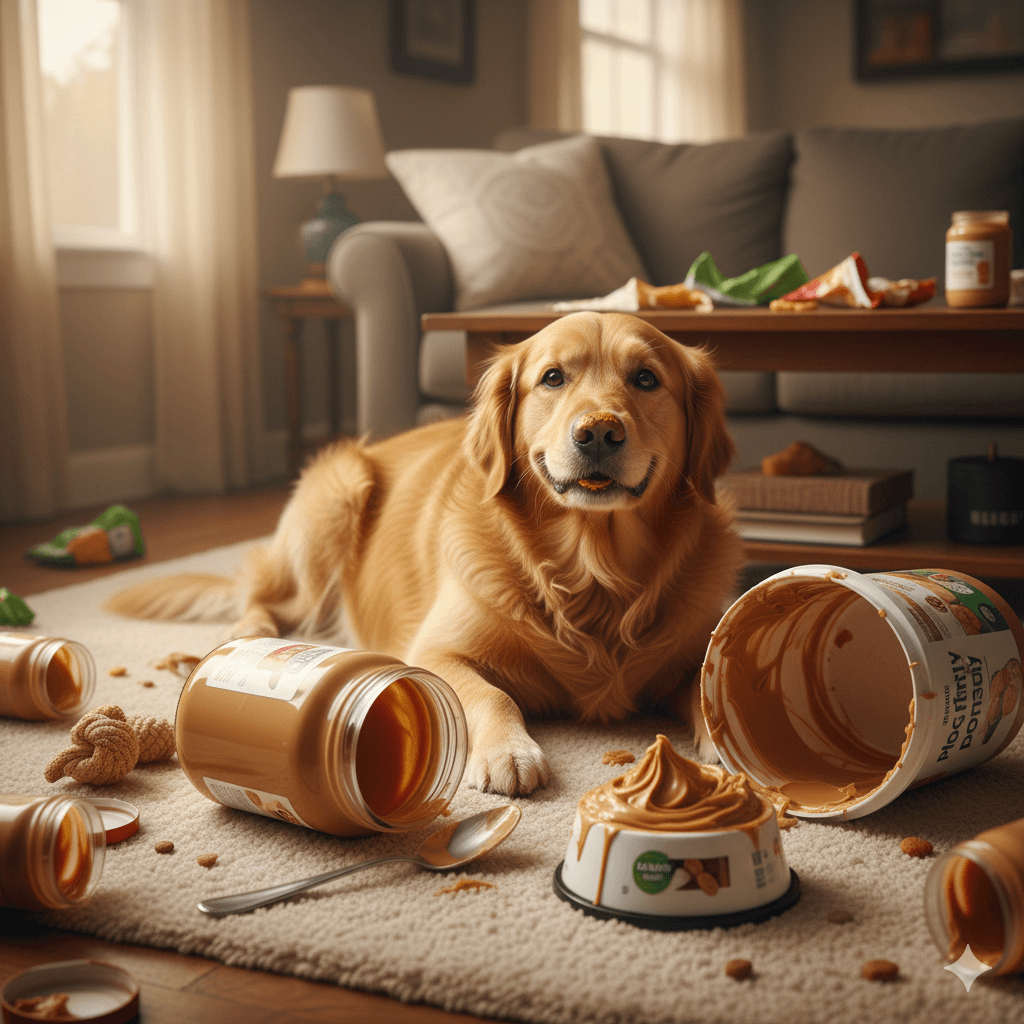
Peanut butter is a favorite treat for many dogs—licked eagerly off spoons, stuffed into toys, or used to hide pills. While it’s generally safe in moderation, overdoing it can lead to serious health issues. High in fat and calories, peanut butter should never be a dietary staple. Even natural varieties can cause problems if fed too often or in large amounts. Understanding safe limits and hidden risks helps you share this tasty snack responsibly. After all, your dog’s wagging tail doesn’t always mean “more is better”—sometimes, it just means “I love you,” and that’s reason enough to choose wisely.


Why Peanut Butter Is Popular (But Risky in Excess)

Many dog owners reach for peanut butter because it’s palatable, versatile, and seems harmless. However, its nutritional profile demands caution—especially when used daily or in generous portions. Here’s why moderation is non-negotiable:

 
  • High Fat Content:
    Just two tablespoons of peanut butter can contain 16+ grams of fat, which may trigger pancreatitis—a painful, potentially life-threatening inflammation of the pancreas.
     
  • Calorie Density:
    A single serving can account for 10–20% of a small dog’s daily calories, leading to weight gain and related health issues like diabetes or joint stress.
     
  • Added Sugars and Salt:
    Many commercial brands include sweeteners (like corn syrup) or excess sodium, which offer no nutritional value and strain your dog’s system over time.
     
  • Artificial Sweeteners (Xylitol Danger):
    Some “sugar-free” peanut butters contain xylitol—a substance extremely toxic to dogs that can cause rapid insulin spikes, liver failure, or death.
     
  • Digestive Upset:
    Even safe peanut butter can cause diarrhea, gas, or vomiting if given too frequently due to its rich, oily nature.
 

While an occasional lick or small dab is fine, peanut butter should never be a regular dietary component—no matter how much your dog begs.

Can You Give Your Dog Too Much Peanut Butter: Best 7 Tips!

Hidden Dangers in Common Peanut Butter Brands

Not all peanut butter is created equal, and what’s labeled “natural” isn’t always safe. Reading labels carefully is essential to protect your dog from preventable harm. Many popular grocery-store jars contain ingredients that pose serious risks:

 
  • Xylitol-Containing Brands:
    Products like Go Nuts Co., Krush Nutrition, and some store-brand “sugar-free” butters use xylitol—always check the ingredient list; even a teaspoon can be fatal.
     
  • Hydrogenated Oils:
    Found in many processed butters, these unhealthy fats contribute to long-term cardiovascular and metabolic issues in dogs.
     
  • Molasses or High-Fructose Corn Syrup:
    Added for flavor or texture, these sugars offer empty calories and may worsen dental health or blood sugar regulation.
     
  • Excessive Salt Levels:
    Some brands contain 100–200mg of sodium per serving—problematic for dogs with heart or kidney conditions.
     
  • Preservatives Like BHA/BHT:
    Though controversial, these synthetic additives are unnecessary and best avoided in favor of simpler ingredient lists.
 

When in doubt, choose unsalted, unsweetened peanut butter with only peanuts (and maybe a touch of oil) on the label.

Safe Practices
Risky Habits to Avoid
Use only xylitol-free, unsalted peanut butter
Giving peanut butter daily as a treat
Limit to ½ tsp (small dogs) or 1 tsp (large dogs) max
Using “natural” brands without checking for xylitol
Offer only occasionally (1–2x/week)
Stuffing Kongs or toys daily with full portions
Choose brands with 3 ingredients or fewer
Assuming all peanut butters are dog-safe
Monitor for vomiting, lethargy, or diarrhea after feeding
Ignoring calorie contribution to daily diet

Safe Serving Sizes Based on Dog Weight

Portion control is critical when sharing peanut butter. What’s harmless for a 70-pound Labrador could overwhelm a 10-pound Chihuahua. Tailor servings to your dog’s size, activity level, and overall diet:

 
  • Under 10 lbs (Toy Breeds):
    No more than ¼ teaspoon once or twice a week—any more risks pancreatitis or obesity.
     
  • 10–25 lbs (Small Dogs):
    Stick to ½ teaspoon max per serving, and limit to 1–2 times weekly to avoid excess fat intake.
     
  • 25–50 lbs (Medium Dogs):
    Up to 1 teaspoon occasionally is acceptable, but not daily—especially if your dog eats commercial kibble already high in fat.
     
  • 50–90 lbs (Large Dogs):
    1–2 teaspoons max, and only as a rare treat—never as a meal substitute or regular training reward.
     
  • Over 90 lbs (Giant Breeds):
    Even large dogs don’t need more than 1 tablespoon, and that should be a monthly indulgence, not a weekly habit.
 

Remember: peanut butter is a treat, not a nutrient. It adds calories without balanced nutrition—so less is always more.

Healthier Alternatives to Peanut Butter

If your dog loves sticky, savory spreads, consider safer, lower-fat options that offer better nutritional value without the risks:

 
  • Pumpkin Puree (Unsweetened):
    Rich in fiber and gentle on digestion, plain canned pumpkin supports gut health and satisfies the urge to lick from a spoon.
     
  • Plain Greek Yogurt (Xylitol-Free):
    Offers probiotics for gut balance and protein—just ensure it’s unsweetened and your dog tolerates dairy.
     
  • Unsweetened Apple Sauce:
    A naturally sweet, low-fat option perfect for stuffing toys or mixing with kibble for picky eaters.
     
  • Mashed Banana:
    Provides potassium and vitamins with natural sweetness—free from added sugars or fats.
     
  • Commercial Dog-Safe Spreads:
    Brands like Bark Butter or Dogsee Crunch offer vet-formulated, peanut-free pastes made specifically for canine safety.
 

These swaps maintain the fun and reward of spreading or stuffing while supporting your dog’s long-term wellness.

Signs Your Dog Ate Too Much Peanut Butter

Even with good intentions, accidents happen. If your dog consumed a large amount of peanut butter—especially an unsafe variety—watch closely for these warning signs:

 
  • Vomiting or Diarrhea Within Hours:
    Indicates digestive overload or early pancreatitis; may worsen over 24–48 hours.
     
  • Lethargy or Reluctance to Move:
    Abdominal pain from pancreatitis can make dogs hunch, whine, or avoid walking.
     
  • Loss of Appetite:
    A sudden disinterest in food after eating rich treats is a red flag for gastrointestinal distress.
     
  • Excessive Thirst or Urination:
    If xylitol was ingested, blood sugar drops rapidly, triggering neurological or metabolic symptoms.
     
  • Tremors, Weakness, or Collapse:
    These are emergency signs of xylitol poisoning or severe pancreatitis—seek vet care immediately.
 

If you suspect xylitol exposure or see multiple symptoms, contact your vet or pet poison helpline right away—time is critical.

Special Considerations for Puppies, Seniors, and Dogs with Health Conditions

Vulnerable dogs need extra caution with high-fat treats like peanut butter. Their systems are less resilient, and consequences can escalate quickly:

 
  • Puppies Under 6 Months:
    Their pancreas is still developing; even small amounts of rich food can trigger inflammation—avoid peanut butter entirely.
     
  • Senior Dogs:
    Older dogs often have reduced kidney or liver function, making fat metabolism harder and increasing pancreatitis risk.
     
  • Dogs with Pancreatitis History:
    Absolutely no peanut butter—any fat intake could trigger a dangerous relapse.
     
  • Overweight or Diabetic Dogs:
    Extra calories and sugars (even natural ones) sabotage weight management and blood sugar control.
     
  • Dogs with Food Allergies:
    Though rare, peanut allergies do occur in dogs—watch for itching, ear infections, or GI upset after first exposure.
 

For these groups, the safest choice is to skip peanut butter altogether and opt for vet-approved alternatives.

What to Do If Your Dog Overindulges

Accidentally left the jar open? Don’t panic—but act wisely. Your response can prevent a minor mistake from becoming a crisis:

 
  • Check the Ingredient List Immediately:
    If xylitol is present, call your vet or the ASPCA Animal Poison Control Center (888-426-4435) without delay.
     
  • Estimate How Much Was Eaten:
    Note the amount and your dog’s weight to help your vet assess risk level accurately.
     
  • Withhold Food for 6–12 Hours:
    Let the stomach rest, but offer small sips of water to prevent dehydration.
     
  • Monitor Closely for 48 Hours:
    Watch for vomiting, diarrhea, pain, or lethargy—don’t wait for symptoms to worsen before seeking help.
     
  • Call Your Vet for Guidance:
    Even if ingredients seem safe, a large fat load may require supportive care like anti-nausea medication or fluids.
 

Quick, calm action can make all the difference between a simple upset stomach and a trip to the emergency clinic.

“Peanut butter is safe for most dogs in moderation, but always check the label first. Xylitol — sometimes listed as birch sugar — is an artificial sweetener found in some peanut butters that is extremely toxic to dogs.” – Dr. Joya Griffin, DVM, DACVD

Frequently Asked Questions About Peanut Butter and Dogs

Can a dog die from eating peanut butter?

Yes—if it contains xylitol. Even small amounts can cause liver failure or hypoglycemia leading to death within hours.

Both are equally risky in excess; crunchiness doesn’t reduce fat or calorie content and may pose a choking hazard for small dogs.

At most 1–2 times per week, in very small amounts, and only if your dog is healthy and at ideal weight.


All breeds are at risk from xylitol or high fat, but Miniature Schnauzers, Cocker Spaniels, and Terriers are genetically prone to pancreatitis.

Look for brands like Whole Foods 365, Trader Joe’s Organic, or Smucker’s Natural—but always verify the label for “peanuts only” and no xylitol.

Sharing Treats with Wisdom and Love

Peanut butter can be a joyful part of your bond with your dog—but only when offered with care, awareness, and restraint. That eager lick from a spoon is a moment of trust, not a license to indulge without limits. By choosing safe products, respecting portion sizes, and prioritizing your dog’s long-term health over short-term delight, you turn a simple snack into an act of true care. Remember: the best treats aren’t the tastiest—they’re the ones that keep your dog happy, healthy, and by your side for years to come.

Is Rawhide Bad for Cats? Best 7 Expert Tips!

Is Rawhide Bad for Cats? Best 7 Expert Tips! – Discover the risks, safe alternatives, and expert advice to keep your feline friend healthy and happy.

Is Rawhide Bad for Dogs? Best 7 Expert Tips!

Is Rawhide Bad for Dogs? Best 7 Expert Tips! – Discover the risks, benefits, and safer alternatives to rawhides for your dog’s chewing needs.

Understanding Anorexia in Cats: Best 7 Expert Tips!

Understanding Anorexia in Cats: Best 7 Expert Tips! – Learn why cats stop eating, spot warning signs, and discover how to help your feline regain appetite safely.

Understanding Anorexia in Dogs: Best 7 Expert Tips!

Understanding Anorexia in Dogs: Best 7 Expert Tips! – Learn causes, symptoms, and solutions to help your dog regain appetite and stay healthy.

Leave a Reply

Your email address will not be published. Required fields are marked *