
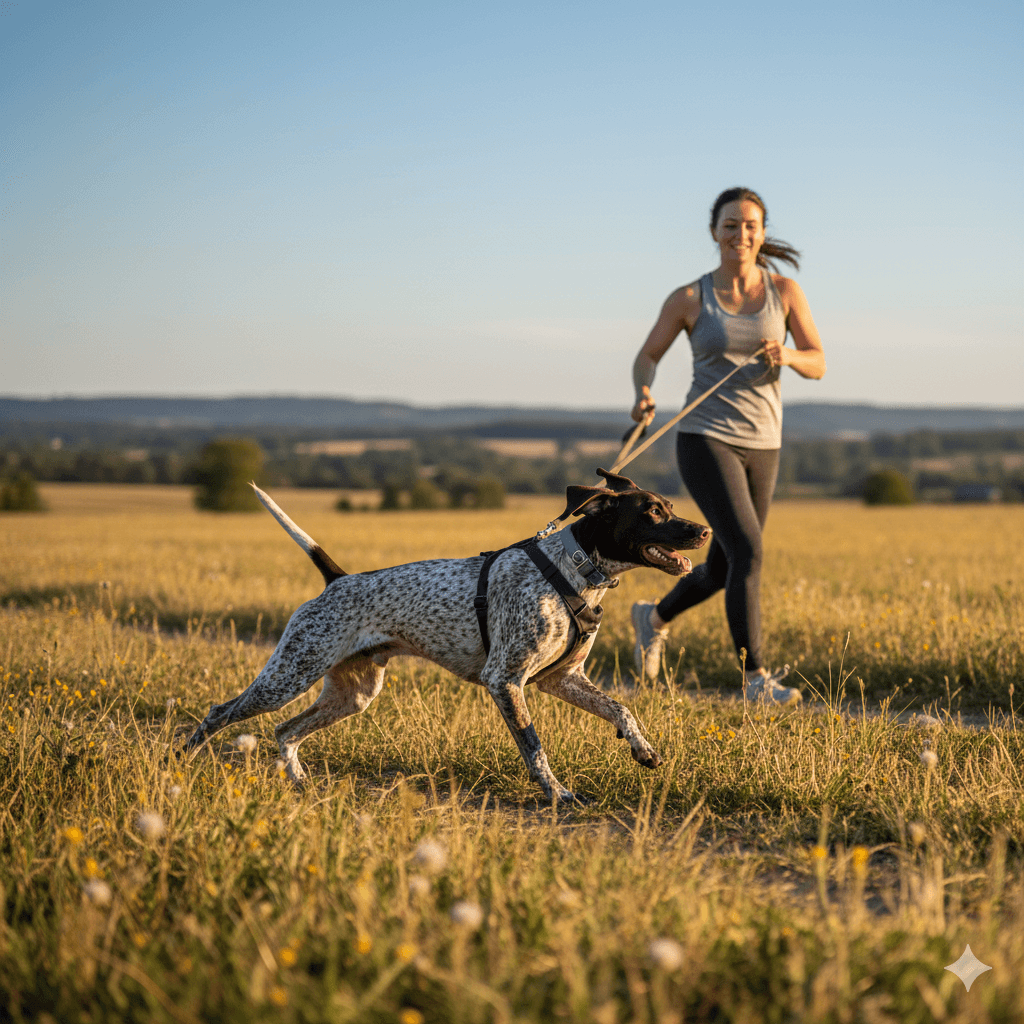

Pointer Dog Exercise: Best 7 Expert Tips!

Pointer Dog Exercise: Best 7 Expert Tips!

Pointer Dog Exercise: Best 7 Expert Tips!

The Pointer is a high-energy, athletic breed built for endurance, speed, and sharp focus in the field. Originally developed as a gun dog to locate and “point” game birds, this breed thrives on physical exertion and mental engagement. Without adequate exercise, Pointers can become restless, destructive, or anxious—behaviors that stem from unmet instinctual needs. Providing the right type and amount of activity isn’t just about burning calories; it’s about honoring their heritage and supporting their well-being. Whether you live in the country or a suburban neighborhood, understanding how to meet your Pointer’s exercise requirements is essential for a happy, balanced dog.

Why Exercise Is Non-Negotiable for Pointer Dogs

Pointers aren’t just active—they’re wired for motion. Bred for hours of fieldwork, their bodies and minds demand consistent stimulation. Neglecting this need can lead to behavioral issues that mimic disobedience but are actually cries for purpose and movement.

 
  • High Stamina by Design:
    Pointers were developed to work all day in varied terrain, meaning short walks won’t satisfy their deep need for sustained activity.
     
  • Mental Stimulation = Physical Outlet:
    Without tasks or challenges, their intelligence turns inward, often resulting in chewing, digging, or excessive barking.
     
  • Prevention of Destructive Behaviors:
    A bored Pointer may redecorate your home with torn cushions or excavated yards—acts of frustration, not malice.
     
  • Weight and Joint Health:
    While naturally lean, insufficient exercise combined with overfeeding can lead to obesity, stressing their long limbs and joints.
     
  • Emotional Balance:
    Regular vigorous exercise reduces anxiety and promotes calmness indoors—your Pointer should be “tired but content,” not frantic.
 

For this breed, exercise isn’t a luxury—it’s the foundation of good behavior, health, and trust.

Pointer Dog Exercise: Best 7 Expert Tips!

Best Types of Exercise for a Pointer Dog

Not all activity is equal for a Pointer. They need exercises that mimic their natural instincts: running, scenting, pointing, and retrieving. Variety keeps them engaged and fulfilled.

 
  • Long Off-Leash Runs or Jogs:
    In secure areas, allow 30–60 minutes of free sprinting—this mimics fieldwork and satisfies their need for speed and space.
     
  • Field or Scent Work Training:
    Even non-hunters can teach “find it” games or enroll in tracking/nose work classes to tap into their innate pointing drive.
     
  • Fetch with Purpose:
    Use bumpers, dummies, or birds (if trained) to simulate retrieving; add directional cues for mental challenge.
     
  • Hiking or Trail Exploration:
    Uneven terrain, new scents, and natural obstacles provide physical and sensory enrichment simultaneously.
     
  • Agility or Canicross:
    Structured dog sports offer controlled intensity, focus, and bonding—ideal for urban or active owners.
 

Mixing these activities throughout the week prevents boredom and builds a confident, responsive companion.

High-Energy Outlets
Indoor/Rest Day Alternatives
Off-leash running in safe fields
Puzzle toys with hidden treats
Scent detection games
Short obedience or trick training sessions
Retrieval drills with dummies
Tug-of-war with controlled “drop” commands
Hiking or long trail walks
Calm leash walks with heavy sniffing time
Canicross or bikejoring (for fit dogs)
Massage or gentle stretching for recovery

How Much Daily Exercise Does a Pointer Need?

While individual needs vary by age and health, most adult Pointers require 90–120 minutes of vigorous activity daily—not just walks, but real exertion that elevates their heart rate and engages their brain.

 
  • Puppies (Under 12 Months):
    Follow the “5 minutes per month of age” rule (e.g., 30 mins at 6 months), focusing on play and short skill sessions to protect growing joints.
     
  • Adults (1–7 Years):
    Split activity into two sessions: a morning run or field session and an afternoon hike or training game to prevent midday restlessness.
     
  • Seniors (8+ Years):
    Reduce intensity but maintain consistency—gentle walks, swimming, or scent games keep them mobile without strain.
     
  • Weather Adaptations:
    In heat, exercise early/late and offer water breaks; in cold, use booties or coats if shivering occurs during long outings.
     
  • Off Days Still Need Movement:
    Even on rest days, provide light activity like leash walks or indoor games to maintain routine and prevent stiffness.
 

Consistency matters more than intensity—daily engagement prevents the “weekend warrior” crash that stresses their system.

Signs Your Pointer Isn’t Getting Enough Exercise

Pointers communicate their needs clearly—if you know what to look for. Unmet energy demands often show up as behavioral red flags mistaken for “bad manners.”

 
  • Pacing or Restlessness Indoors:
    Constant circling, inability to settle, or whining near doors may signal pent-up energy.
     
  • Excessive Barking or Howling:
    Vocalization increases when boredom or frustration builds, especially when left alone.
     
  • Destructive Chewing or Digging:
    Targeting furniture, shoes, or yard corners is a cry for purpose—not spite.
     
  • Hyper-Fixation on Movement:
    Chasing shadows, light reflections, or cars can develop when natural prey drive isn’t redirected appropriately.
     
  • Weight Gain Despite Normal Diet:
    Sluggishness and softening physique often point to under-exercising, not overfeeding alone.
 

Addressing these signs early with more structured activity can reverse unwanted habits before they become ingrained.

Exercise Mistakes to Avoid with Pointer Dogs

Even well-meaning owners can unintentionally undermine their Pointer’s needs by focusing on quantity over quality—or ignoring developmental stages.

 
  • Relying Solely on Leash Walks:
    A 30-minute walk on a short leash offers little mental or physical satisfaction for a field-bred dog.
     
  • Over-Exercising Puppies:
    Forced running or jumping before 12–18 months can damage growth plates and lead to lifelong joint issues.
     
  • Ignoring Mental Fatigue:
    A tired body isn’t enough—your Pointer also needs tasks that challenge their problem-solving skills.
     
  • Skipping Warm-Ups/Cool-Downs:
    Sudden sprinting without preparation increases injury risk; always start with light movement.
     
  • Leaving Them to “Entertain Themselves”:
    Pointers don’t self-exercise—they need direction, partnership, and purpose to truly thrive.
 

Smart exercise is intentional, age-appropriate, and aligned with their working-dog nature.

Seasonal and Environmental Exercise Adjustments

Pointers adapt well to different climates—but only with thoughtful modifications that protect their health while honoring their drive.

 
  • Summer Heat Management:
    Exercise during cool hours, provide shade/water, and avoid hot pavement; consider swimming as a joint-friendly alternative.
     
  • Winter Cold Precautions:
    Their short coat offers little insulation—limit exposure below freezing and dry them thoroughly after snowy outings.
     
  • Urban Living Solutions:
    Use dog parks, flirt poles, or indoor training centers to simulate open-field freedom safely.
     
  • Rainy Day Adaptations:
    Set up indoor scent trails, hide-and-seek games, or backyard puddle runs (with a post-outing towel dry).
     
  • Travel or Boarding Plans:
    Ensure kennels or sitters provide true exercise—not just potty breaks—to prevent post-vacation behavioral meltdowns.
 

Flexibility in routine ensures your Pointer stays active year-round without compromising safety.

Integrating Exercise into Daily Life with a Pointer

You don’t need a farm or endless free time—just creativity and commitment. The key is weaving activity into your existing schedule in sustainable ways.

 
  • Morning Field Simulation:
    Start the day with 20 minutes of fetch or scent work before breakfast to set a calm tone.
     
  • Lunch Break Engagement:
    Even 10 minutes of tug or a brisk walk can reset their energy during work-from-home days.
     
  • Evening Wind-Down Routine:
    Pair a long walk with obedience practice to transition from activity to relaxation.
     
  • Weekend Adventures:
    Hike, visit lakes, or attend dog sports trials to fulfill their need for novelty and space.
     
  • Family Involvement:
    Teach kids safe games like “find the toy” or supervised fetch—this strengthens bonds and shares responsibility.
 

When exercise becomes part of your rhythm—not a chore—your Pointer will be a joyful, balanced member of the family.


“Adult Pointers typically need 20 to 30 minutes per day of vigorous exercise. Puppies and young adults need 30 to 60 minutes twice a day. All exercise should be age appropriate to avoid damage to the bone growth plates until the dog is full grown at approximately 15 months.”
– American Pointer Club

Frequently Asked Questions About Pointer Dog Exercise

Can Pointers live in apartments?

Yes—if their exercise needs are met through multiple daily off-leash sessions, dog sports, or rural access. Apartments alone aren’t enough.

Use secure dog parks, flirt poles, treadmill training (with vet approval), and urban hiking trails to simulate fieldwork.

For adults, yes—start slow, avoid heat, and use a hands-free leash. Never run puppies under 18 months.

Absolutely. Their instinct to range and point requires space; without it, they become frustrated and stressed.

Reassess activity quality—add scent work or directional retrieves. Sometimes mental fatigue is missing, not physical.

A Life in Motion: Honoring Your Pointer’s True Nature

The Pointer isn’t just a pet—it’s a living piece of sporting history, built for wind in its ears and earth under its paws. When you commit to meeting its exercise needs, you’re not just preventing chaos; you’re unlocking loyalty, focus, and quiet contentment that only comes from a life well-lived. In return, your Pointer offers unwavering partnership, joyful enthusiasm, and a grace in motion that’s nothing short of poetry. Give them purpose, space, and partnership—and you’ll have a companion whose heart runs as tirelessly as their legs.

Is Rawhide Bad for Cats? Best 7 Expert Tips!

Is Rawhide Bad for Cats? Best 7 Expert Tips! – Discover the risks, safe alternatives, and expert advice to keep your feline friend healthy and happy.

Is Rawhide Bad for Dogs? Best 7 Expert Tips!

Is Rawhide Bad for Dogs? Best 7 Expert Tips! – Discover the risks, benefits, and safer alternatives to rawhides for your dog’s chewing needs.

Understanding Anorexia in Cats: Best 7 Expert Tips!

Understanding Anorexia in Cats: Best 7 Expert Tips! – Learn why cats stop eating, spot warning signs, and discover how to help your feline regain appetite safely.

Understanding Anorexia in Dogs: Best 7 Expert Tips!

Understanding Anorexia in Dogs: Best 7 Expert Tips! – Learn causes, symptoms, and solutions to help your dog regain appetite and stay healthy.

Leave a Reply

Your email address will not be published. Required fields are marked *