
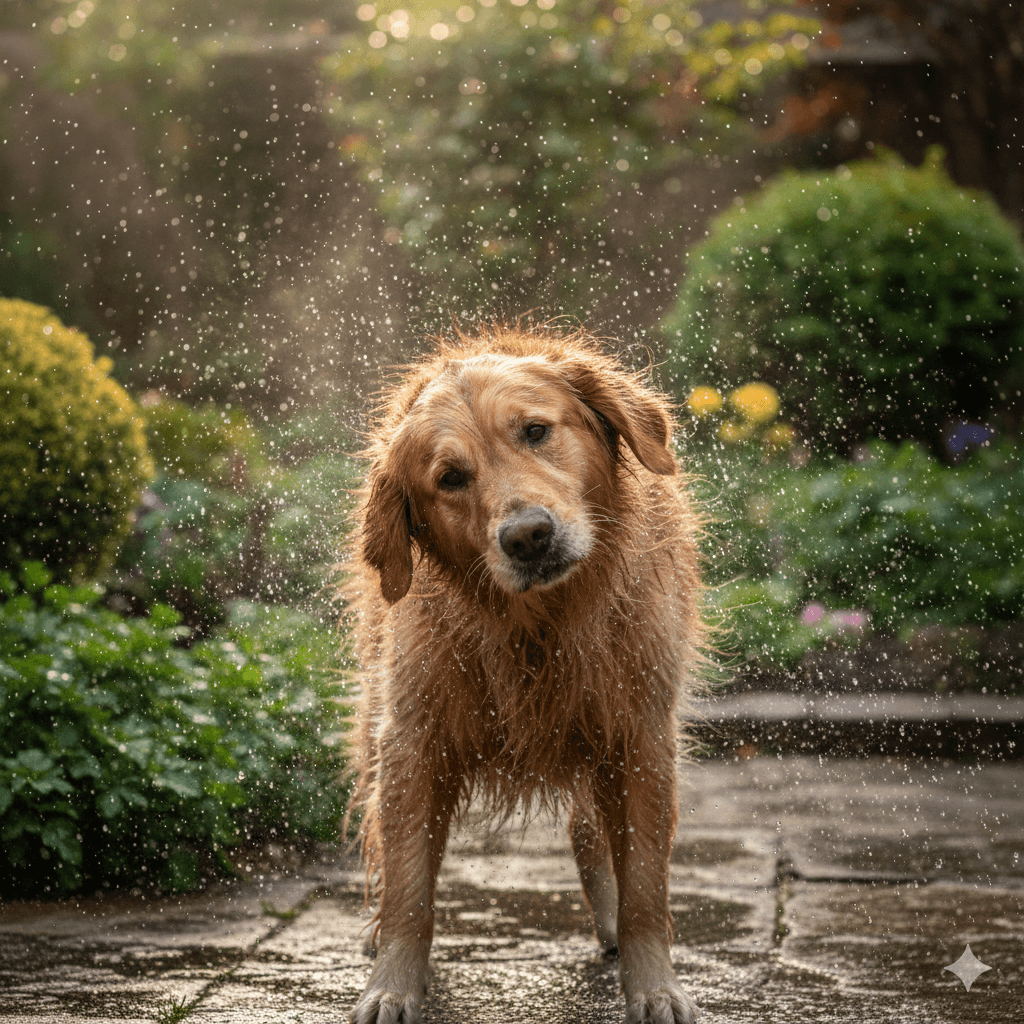

Why Do Wet Dogs Smell: Best 7 Expert Tips!

Why Do Wet Dogs Smell: Best 7 Expert Tips!

Why Do Wet Dogs Smell

That unmistakable “wet dog” odor hits the nose the moment your pup shakes off after a bath or a rainy walk. While it’s harmless in most cases, the smell isn’t just in your imagination—it’s caused by bacteria and yeast living naturally on your dog’s skin and coat. When water gets trapped in their fur, it creates a perfect environment for these microbes to release volatile compounds with a musty, earthy scent. Though normal, the intensity can vary based on coat type, grooming habits, and skin health. Understanding why it happens is the first step to managing it effectively.

The Science Behind the Wet Dog Smell

The odor isn’t from the water itself—it’s a biochemical reaction triggered when moisture interacts with microorganisms already present on your dog’s body. These microbes produce organic compounds that become airborne once water evaporates, releasing that familiar smell into your home.

 
  • Natural Skin Microbiome:
    A dog’s skin hosts beneficial bacteria and yeast that help protect against pathogens—but when wet, they emit smelly byproducts like geosmin and 2-methylisoborneol.
     
  • Trapped Moisture in Fur:
    Thick or double-coated breeds hold water deep in their undercoat, slowing drying time and amplifying odor production.
     
  • Sebum Activation:
    Your dog’s natural oils (sebum) mix with water and microbes, creating a greasy film that intensifies the smell as it dries.
     
  • Dead Skin and Debris:
    Flakes of dander, pollen, or dirt clinging to the coat feed microbes, making the scent stronger in poorly groomed dogs.
     
  • pH Imbalance:
    A disrupted skin pH—often from over-bathing or harsh shampoos—can encourage odor-causing microbes to thrive.
 

This smell is usually temporary and fades as your dog dries—but persistent or foul odors may signal an underlying skin issue.

Why Do Wet Dogs Smell: Best 7 Expert Tips!

Factors That Make the Smell Worse

Not all wet dogs smell the same. Some barely have an odor, while others fill the whole house with a pungent cloud. Several variables influence how strong the smell becomes after getting wet:

 
  • Coat Type and Density:
    Breeds with dense undercoats (like Huskies or Golden Retrievers) trap more moisture and take longer to dry, worsening the smell.
     
  • Infrequent Grooming:
    Mats, tangles, and built-up oils create ideal pockets for bacteria to multiply and emit stronger odors when wet.
     
  • Skin Conditions:
    Dogs with allergies, yeast infections, or seborrhea often have imbalanced skin flora, leading to an intensified wet-dog stench.
     
  • Water Source:
    Rolling in ponds, lakes, or muddy puddles introduces extra organic matter and microbes that boost odor when drying.
     
  • Humidity and Poor Ventilation:
    In damp climates or stuffy rooms, slow evaporation prolongs microbial activity and keeps the smell lingering longer.
 

Managing these factors can significantly reduce how noticeable the odor becomes after your dog gets wet.

Common Triggers of Strong Wet Dog Smell
Practical Ways to Reduce It
Thick double coat
Thorough towel-drying and blow-drying on low heat
Infrequent brushing
Weekly deshedding and regular coat maintenance
Existing skin infections
Veterinary treatment for yeast or bacterial overgrowth
Use of human shampoos
Switch to pH-balanced, dog-safe cleansers
Drying indoors without airflow
Dry your dog outside or in a well-ventilated area

How to Minimize the Wet Dog Smell at Home

You don’t have to live with that damp, musty scent every time it rains or bath time rolls around. With consistent grooming and smart drying habits, you can keep your home fresh even after your dog gets soaked:

 
  • Dry Thoroughly After Water Exposure:
    Use absorbent towels and a pet-safe blow dryer on low heat to remove moisture from the undercoat—especially in cold or humid weather.
     
  • Brush Before and After Bathing:
    Brushing removes loose fur and debris, allowing water to rinse away oils more effectively and reducing trapped odor sources.
     
  • Use a Dog-Specific Shampoo:
    Choose gentle, pH-balanced formulas with natural deodorizers like oatmeal or aloe—avoid human products that strip protective oils.
     
  • Try a Post-Bath Spritz:
    A rinse with diluted apple cider vinegar (1 part vinegar to 4 parts water) can neutralize odor-causing microbes without irritating skin.
     
  • Clean Bedding and Towels Regularly:
    Damp dog towels or beds harbor bacteria—wash them weekly in hot water to prevent recurring smells in your home.
 

Consistency is key: a clean, well-dried dog is far less likely to leave that signature scent trailing behind them.

When the Smell Signals a Health Problem

While a mild wet-dog smell is normal, a sudden change in odor intensity or quality could indicate an underlying issue. If your dog smells unusually sour, fishy, or foul—even when dry—it’s time to look closer:

 
  • Yeast Overgrowth:
    A sweet, cheesy, or musty smell (especially in ears or paws) often points to Malassezia yeast, common in dogs with allergies.
     
  • Bacterial Skin Infections:
    These may produce a rancid or putrid odor, accompanied by redness, itching, or hair loss.
     
  • Ear Infections:
    Wet ears combined with a yeasty or fetid smell can signal an infection needing veterinary treatment.
     
  • Dental or Oral Disease:
    Surprisingly, poor dental health can contribute to overall body odor, including after bathing.
     
  • Anal Gland Issues:
    Impacted or infected anal glands emit a strong, fishy stench that clings to the coat and worsens when wet.
 

If the wet-dog smell becomes persistent, unusually strong, or is paired with skin irritation, consult your vet for a proper diagnosis.

Breed-Specific Considerations for Odor Management

Some breeds are simply more prone to noticeable wet-dog smell due to their coat structure, skin folds, or oil production. Tailoring your care routine to your dog’s breed can make a big difference:

 
  • Double-Coated Breeds (e.g., Samoyed, Shiba Inu):
    Require frequent undercoat raking to prevent moisture trapping and matting that worsens odor.
     
  • Wrinkly Breeds (e.g., Bulldog, Shar-Pei):
    Skin folds hold moisture and debris—clean them gently after baths or rain to avoid bacterial buildup.
     
  • Oily-Coated Breeds (e.g., Basset Hound, Cocker Spaniel):
    Naturally produce more sebum, so they benefit from monthly baths with clarifying shampoos.
     
  • Curly or Corded Coats (e.g., Poodle, Komondor):
    Need professional grooming to prevent dense mats where moisture and odor linger.
     
  • Hairless Breeds (e.g., Xoloitzcuintli):
    Though they don’t trap water in fur, their exposed skin can develop odor if not wiped down regularly.
 

Understanding your dog’s unique needs helps you stay ahead of odor before it becomes a problem.

Preventive Care Habits for a Fresher-Smelling Dog

Preventing the wet-dog smell starts long before your dog steps into water. A proactive grooming and skin-care routine keeps microbes in balance and reduces odor at the source:

 
  • Maintain a Regular Bathing Schedule:
    Bathe every 4–8 weeks (or as needed) using a moisturizing, dog-formulated shampoo to support skin health.
     
  • Brush Several Times a Week:
    This distributes natural oils evenly and removes dead hair that traps moisture and bacteria.
     
  • Feed a High-Quality Diet:
    Omega-3 fatty acids and balanced nutrition promote a healthy skin barrier that resists odor-causing imbalances.
     
  • Wipe Paws and Belly After Walks:
    Remove mud, pollen, and puddle water before your dog shakes it through the house.
     
  • Use Deodorizing Sprays Between Baths:
    Waterless sprays with natural ingredients like baking soda or lavender can freshen the coat safely.
 

These habits don’t just reduce smell—they support your dog’s overall comfort and skin resilience.

Additional Tips to Manage and Prevent Wet Dog Odor

Beyond routine grooming and drying, a few extra habits can significantly reduce how often—and how strongly—the wet dog smell appears in your home. These practical, vet-approved strategies focus on proactive hygiene and environmental control:

 
  • Use a Quick-Dry Towel After Outdoor Play:
    Keep a microfiber or chamois towel by the door to immediately blot excess water before your dog shakes indoors.
     
  • Add a Grooming Wipe to Your Routine:
    Between baths, use unscented, alcohol-free grooming wipes on paws, belly, and beard to remove odor-causing residue.
     
  • Install a Pet Drying Station:
    A small fan or dog-specific dryer in your mudroom or bathroom speeds up evaporation and minimizes lingering smells.
     
  • Wash Collars and Harnesses Monthly:
    These items absorb oils and moisture—cleaning them regularly prevents them from becoming hidden odor sources.
     
  • Use Baking Soda on Bedding:
    Sprinkle food-grade baking soda on dog beds before vacuuming to neutralize embedded odors without harsh chemicals.
 

Integrating even one or two of these habits can make a noticeable difference in keeping your living space fresh—no matter how much your dog loves puddles.

“Wet dog smell is not due to the dog itself but to the yeast and bacteria that live in dog fur. When mixed with water, some of those chemicals become pungent, and the combination of their scents becomes malodorous.” – Melissa Petruzzello

Frequently Asked Questions About Wet Dog Smell

Why does my dog smell worse after a bath?

Lorem ipsum dolor sit amet, consectetur adipiscing elit. Ut elit tellus, luctus nec ullamcorper mattis, pulvinar dapibus leo.

Embrace the Quirk—But Keep It in Check

The wet dog smell is one of those quirky, universal truths of dog ownership—annoying, yes, but also a reminder of your pup’s joyful splashes in puddles or post-bath zoomies. While you can’t eliminate it entirely, smart grooming, thorough drying, and attentive skin care go a long way in keeping your home fresh. More importantly, pay attention to changes in odor: your dog’s scent can be a silent messenger about their health. With a little routine and a lot of love, you can enjoy your dog’s exuberance without holding your breath. After all, that damp, earthy smell is just part of the package that comes with a loyal, muddy-pawed friend.

Is Rawhide Bad for Cats? Best 7 Expert Tips!

Is Rawhide Bad for Cats? Best 7 Expert Tips! – Discover the risks, safe alternatives, and expert advice to keep your feline friend healthy and happy.

Is Rawhide Bad for Dogs? Best 7 Expert Tips!

Is Rawhide Bad for Dogs? Best 7 Expert Tips! – Discover the risks, benefits, and safer alternatives to rawhides for your dog’s chewing needs.

Understanding Anorexia in Cats: Best 7 Expert Tips!

Understanding Anorexia in Cats: Best 7 Expert Tips! – Learn why cats stop eating, spot warning signs, and discover how to help your feline regain appetite safely.

Understanding Anorexia in Dogs: Best 7 Expert Tips!

Understanding Anorexia in Dogs: Best 7 Expert Tips! – Learn causes, symptoms, and solutions to help your dog regain appetite and stay healthy.

Leave a Reply

Your email address will not be published. Required fields are marked *