
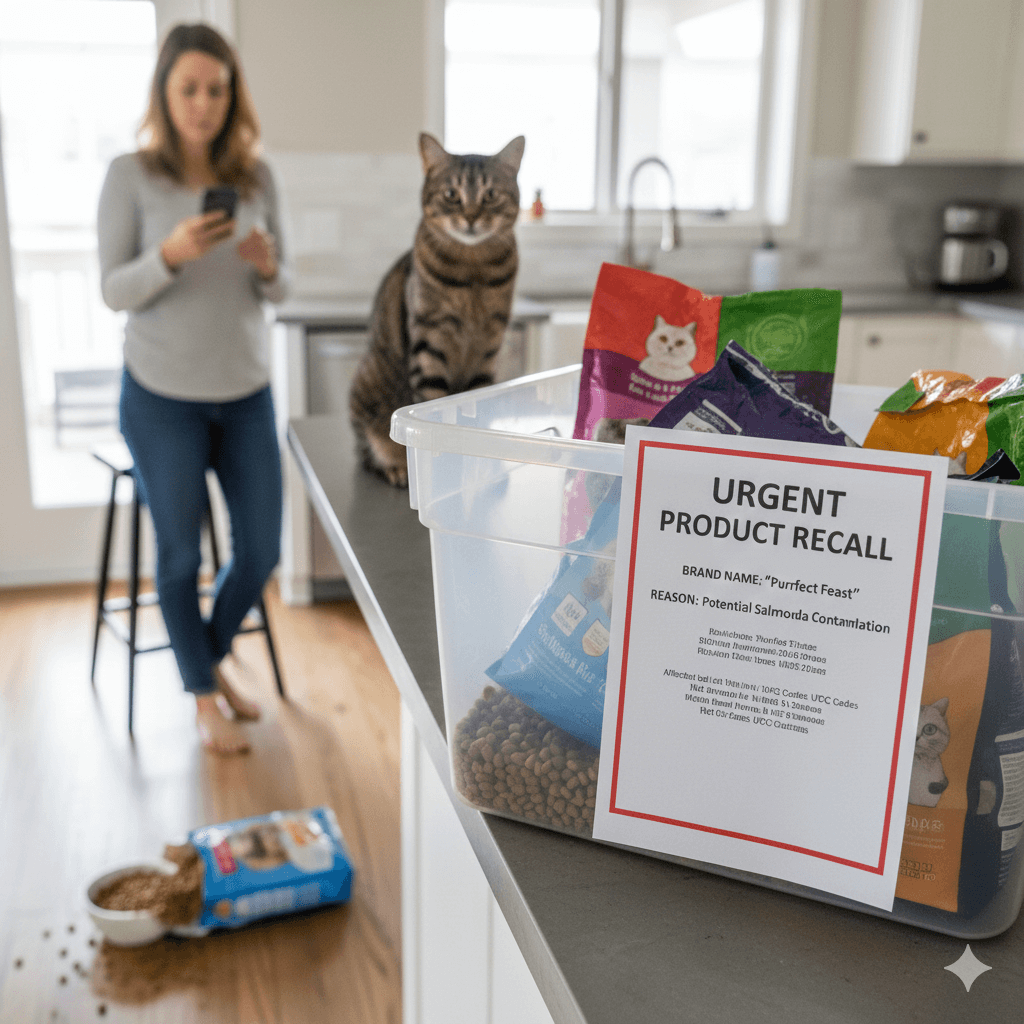

Understanding Cat Food Recalled for Salmonella
When cat food is recalled due to salmonella contamination, it’s more than a headline—it’s a serious health alert for both pets and people. Salmonella bacteria can survive in dry and wet pet foods, posing risks ranging from mild digestive upset to life-threatening infection. As a vigilant cat owner, knowing how to respond to a recall protects your feline friend and your household. While recalls are relatively rare thanks to strict safety standards, staying informed and acting quickly is essential. This guide covers everything you need to recognize, respond to, and prevent exposure to contaminated food.
Why Cat Food Gets Recalled for Salmonella
Salmonella contamination typically occurs during manufacturing, handling, or ingredient sourcing. Though commercial pet foods undergo safety testing, outbreaks still happen—often traced to raw meat, poultry, or contaminated plant-based ingredients. Understanding the root causes helps you assess risk and make smarter choices:
- Contaminated Raw Ingredients:
Poultry, eggs, or meat meal used in production may carry salmonella if not properly processed or heat-treated. - Poor Facility Hygiene:
Cross-contamination in processing plants—especially in facilities that handle raw and cooked products—can introduce bacteria into finished food. - Inadequate Cooking or Drying:
Dry kibble must reach high enough temperatures to kill pathogens; failures in this step allow salmonella to survive. - Post-Production Exposure:
Packaging, storage, or transport in unsanitary conditions can reintroduce bacteria after the cooking process. - Use of High-Risk Additives:
Some natural or “raw-inspired” diets include uncooked ingredients like freeze-dried meat, which carry higher contamination risks if not irradiated.
While recalls reflect responsible oversight, they also remind us that no system is infallible—and pet owners must stay alert.
Signs Your Cat May Have Salmonella Poisoning
Cats exposed to contaminated food may show symptoms within 12 to 72 hours. Some appear healthy but still shed bacteria, becoming silent carriers. Recognizing clinical signs early can prevent complications and protect other pets or family members:
- Persistent Diarrhea:
Often watery, foul-smelling, and sometimes containing blood or mucus—this is the most common symptom. - Vomiting or Nausea:
Your cat may retch, drool excessively, or refuse meals due to abdominal discomfort. - Lethargy and Weakness:
Infected cats often sleep more, move slowly, or show disinterest in play or interaction. - Fever or Dehydration:
Warm ears, dry gums, or sunken eyes may indicate fever or fluid loss requiring urgent care. - Asymptomatic Shedding:
Some cats show no illness but excrete salmonella in feces for weeks, posing a risk to humans and other animals.
If your cat exhibits any of these signs and you’ve fed a recalled product, contact your veterinarian immediately—even if symptoms seem mild.
Check this guide 👉Can Cats Get Food Poisoning? Best 7 Expert Tips!
Check this guide 👉How to Treat a Poisoned Cat at Home: Best 7 Expert Tips!
Check this guide 👉Cat Food Allergies: Best 7 Expert Tips!
Recall Response Steps | At-Home Safety Practices |
|---|---|
Check FDA or manufacturer recall lists daily | Wash hands thoroughly after handling pet food |
Stop feeding the recalled product immediately | Disinfect bowls, scoops, and storage containers with bleach solution |
Seal and isolate unused food in airtight bag | Avoid letting cats lick your face after eating |
Contact your vet if exposure is suspected | Store dry food in clean, sealed containers—not original bag |
Report illness to FDA via Safety Reporting Portal | Never feed raw or recalled food, even if your cat seems fine |
How to Check If Your Cat’s Food Is Recalled
Not all recalls make national news, so proactive checking is crucial. Official sources provide the most accurate, up-to-date information—especially during emerging outbreaks. Use these reliable methods to verify safety:
- Visit the FDA Pet Food Recall Website:
The U.S. Food and Drug Administration maintains a real-time list of recalled pet foods with lot numbers and reasons. - Check the Manufacturer’s Website or Hotline:
Reputable brands post recall notices prominently and offer customer support to verify your product. - Match Lot Number and Expiration Date:
Recalls often affect specific production batches—locate the code on the bag or can and compare it exactly. - Sign Up for Recall Alerts:
Services like AVMA or Petful offer email or text notifications for new pet food recalls. - Ask Your Retailer:
Stores like Petco or Chewy often remove recalled items quickly and can confirm if your purchase is affected.
Never assume your food is safe based on brand reputation alone—always verify using official identifiers.
Protecting Your Household from Salmonella Spread
Salmonella isn’t just a pet health issue—it’s a zoonotic threat, meaning it can transfer from cats to humans, especially children, elderly, or immunocompromised individuals. Safe handling minimizes cross-contamination in your home:
- Wash Hands After Every Interaction:
Always use soap and water after feeding, cleaning litter boxes, or touching your cat’s face or paws. - Disinfect Surfaces Thoroughly:
Use a diluted bleach solution (1:32 ratio) on countertops, floors, or pet feeding areas after potential exposure. - Avoid “Kiss” Contact:
Refrain from letting your cat lick your mouth, face, or open wounds during or after a suspected exposure period. - Isolate Sick Cats Temporarily:
If your cat is ill, restrict access to bathrooms or kitchens and use dedicated litter boxes to contain bacteria. - Monitor Household Members for Symptoms:
Human salmonella presents as diarrhea, fever, and cramps—seek medical care if symptoms appear after handling recalled food.
Your home can remain safe with consistent hygiene—even during a pet food crisis.
Choosing Safer Cat Food After a Recall
A recall shouldn’t cause panic, but it can inspire smarter food choices moving forward. Focus on brands that prioritize transparency, testing, and pathogen prevention throughout production:
- Select Cooked or Extruded Diets:
High-heat processing (like extrusion for kibble) kills salmonella—avoid raw or minimally processed foods unless irradiated. - Look for Third-Party Certifications:
Brands with AAFCO compliance, SQF, or GFSI certification follow stricter safety and traceability standards. - Prefer Transparent Sourcing:
Companies that list specific meat sources and manufacturing locations are often more accountable. - Avoid “Natural” Claims Without Verification:
“Natural” doesn’t mean safer—some such foods skip pathogen-reduction steps in favor of minimal processing. - Consider Vet-Recommended Brands:
Therapeutic or veterinary diets undergo more rigorous safety protocols and are less commonly involved in recalls.
Prioritizing safety over trends ensures your cat’s meals nourish—never endanger—them.
What to Do If You’ve Already Fed Recalled Food
If you discover your cat ate recalled food—even days ago—take these steps to assess risk and limit harm:
- Monitor Closely for 5–7 Days:
Symptoms can appear up to a week after exposure; track appetite, stool, and energy daily. - Collect a Stool Sample (If Possible):
If diarrhea occurs, your vet may test for salmonella to confirm infection and guide treatment. - Do Not Induce Vomiting:
Unless directed by a vet, forcing vomiting can cause more harm than good in asymptomatic cats. - Hydrate Proactively:
Offer fresh water or vet-approved electrolyte solutions to support gut health and flush toxins. - Inform Your Veterinarian:
Even if your cat seems fine, alert your vet—they may recommend preventive checks or fecal cultures.
Early action often prevents serious illness, so don’t wait for symptoms to escalate before seeking help.
Expert Tips to Navigate a Cat Food Salmonella Recall
When a salmonella recall hits your cat’s favorite food, acting swiftly and smartly can prevent serious health risks. These expert-recommended strategies help you respond effectively, minimize exposure, and restore confidence in your feeding routine:
- Verify the Recall Immediately:
Cross-check your food’s brand, lot number, and expiration date against official FDA or manufacturer alerts—don’t rely on headlines alone. - Quarantine the Product Safely:
Seal unused food in a leak-proof plastic bag and store it away from pets and food prep areas until disposal or return. - Disinfect All Feeding Gear:
Wash bowls, scoops, and storage bins with hot, soapy water, then sanitize with a diluted bleach solution (1 tablespoon bleach per gallon of water). - Monitor Your Cat Closely for 7 Days:
Even if they seem fine, watch for diarrhea, vomiting, lethargy, or fever—symptoms can appear up to a week after ingestion. - Document and Report Any Illness:
If your cat gets sick, contact your vet and file a report with the FDA’s Safety Reporting Portal to help track outbreak patterns.
Taking these steps not only protects your cat but also contributes to broader pet food safety awareness and accountability.
Frequently Asked Questions About Cat Food Recalled for Salmonella
Can cats get sick from salmonella in dry food?
Yes—even dry kibble can harbor salmonella if contaminated during production or storage, especially if moisture is introduced.
How long does salmonella live in pet food?
Salmonella can survive for weeks to months in dry environments, including unopened bags stored at room temperature.
Should I switch cat food immediately after a recall?
Yes—stop feeding the recalled batch and transition to a verified safe brand using a gradual 5–7 day mix-in method.
Can I return recalled cat food for a refund?
Most manufacturers offer full refunds or replacements—keep the bag with lot number and contact customer service.
Is homemade cat food safer than commercial brands?
Not necessarily—without proper formulation and pathogen control, homemade diets can carry equal or higher contamination risks.
Keeping Your Cat Safe, One Meal at a Time
A salmonella recall is a wake-up call—not a catastrophe. With vigilance, knowledge, and calm action, you can protect your cat’s health and your family’s safety. Always remember: the best defense is awareness. By checking recall lists, practicing safe handling, and choosing reputable brands, you turn a moment of concern into an opportunity for better care. Your cat depends on you not just for meals, but for mindful choices that keep every bite both nourishing and safe. In the quiet trust of their purr, you’ll find all the motivation you need to stay informed and ready.
Keeping Your Dog Safe This Summer: Best 7 Expert Tips! – Learn how to protect your pup from heatstroke, dehydration, and more this summer. Stay safe!
When Was Cat Food Invented? Best 7 Expert Tips! – Discover the history, key milestones, and evolution of cat food from scraps to scientifically balanced diets.
When Was Dog Food Invented? Best 7 Expert Tips! – Discover the origins, evolution, and milestones of dog food, and how it transformed pet nutrition over time.
Kintamani Dutch Shepherd Mix: Best 7 Expert Tips! – Discover the perfect blend of loyalty, agility, and charm with this unique hybrid. Learn expert care tips now!


