
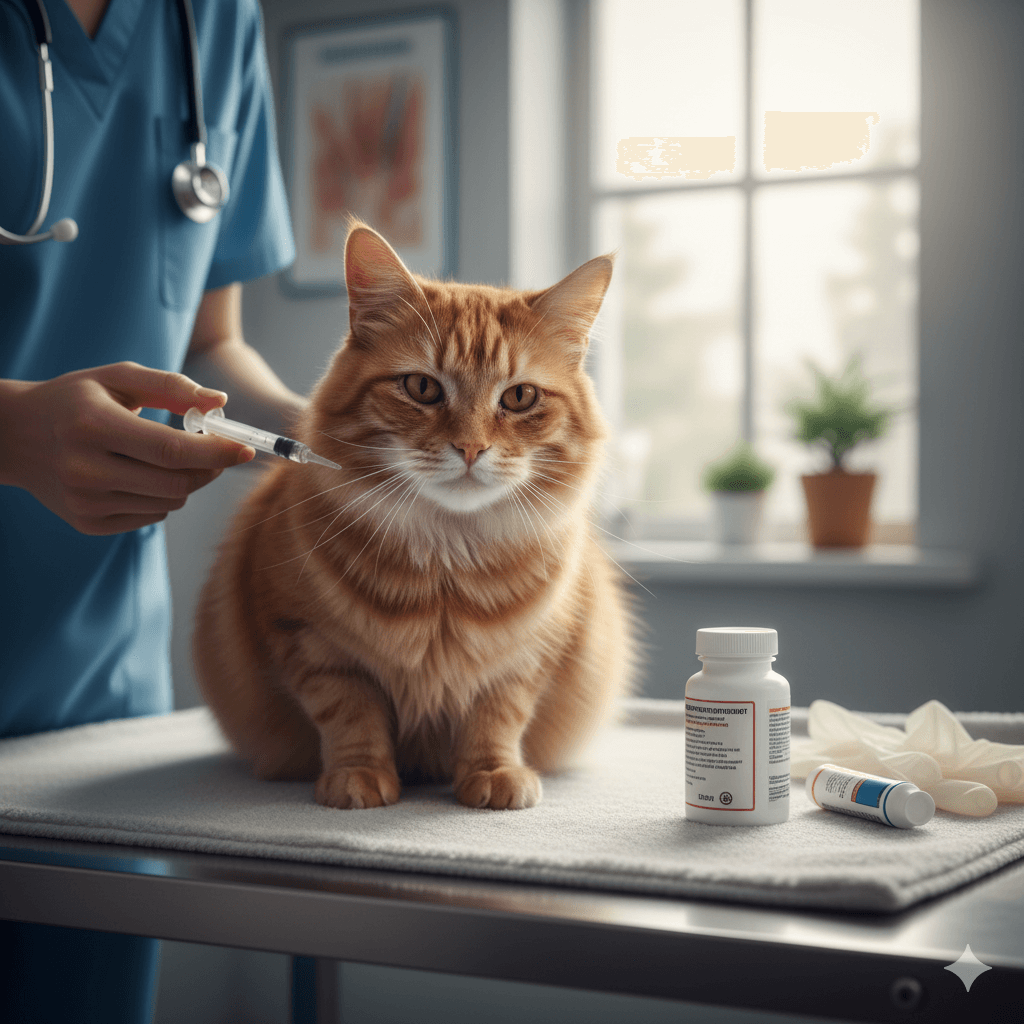

Understanding Pemphigus Cat Treatment
Pemphigus is a rare but serious autoimmune disease that can affect cats, causing painful skin lesions, crusts, and discomfort. While it’s not contagious, it requires prompt diagnosis and consistent management to maintain your cat’s quality of life. Early signs are often mistaken for allergies or infections, which is why awareness is crucial. With the right veterinary care and home support, many cats respond well to treatment and live comfortably for years. Understanding your options is the first step toward helping your feline friend heal.
Types of Pemphigus in Cats and Their Characteristics
Pemphigus isn’t a single condition—it’s a group of autoimmune disorders, each affecting the skin differently. Identifying the specific type guides effective treatment and long-term care decisions:
- Pemphigus Foliaceus (Most Common):
This form causes pustules, crusting, and hair loss, typically starting on the face, ears, and paws before spreading to the body. - Pemphigus Erythematosus:
A milder variant often limited to the face and ears, with symptoms resembling sunburn or superficial dermatitis. - Pemphigus Vulgaris (Rare but Severe):
Involves deep ulcers, blisters, and painful erosions in the mouth, feet, and groin—often leading to secondary infections. - Pemphigus Vegetans:
Extremely rare in cats; features wart-like lesions and thickened skin folds, usually without systemic illness. - Drug-Induced Pemphigus:
Some medications can trigger pemphigus-like symptoms, which often resolve after discontinuing the offending drug.
Accurate diagnosis through skin biopsies is essential, as treatment and prognosis vary significantly between types.
Diagnostic Process for Pemphigus in Cats
Because pemphigus mimics many other skin conditions, veterinarians rely on a combination of tests to confirm the diagnosis and rule out look-alikes like fungal infections or allergies:
- Physical Examination and History:
Your vet will assess lesion location, appearance, and progression while reviewing your cat’s medical and medication history. - Skin Cytology and Scrapings:
These quick tests help exclude parasites, yeast, or bacterial infections that can cause similar symptoms. - Skin Biopsy (Gold Standard):
A small sample is taken under sedation and sent to a lab to identify characteristic immune cell patterns and tissue separation. - Direct Immunofluorescence Testing:
In some cases, this advanced test detects abnormal antibodies bound to skin cells, confirming an autoimmune origin. - Blood Work and Urinalysis:
These baseline tests evaluate overall health before starting immunosuppressive therapy, which can affect organs.
A definitive diagnosis prevents unnecessary treatments and sets a clear path for safe, effective management.
Check this guide 👉Cat Swollen Anus Treatment: Best 7 Expert Tips!
Check this guide 👉Cat Goopy Eye Treatment: Best 7 Expert Tips!
Check this guide 👉How to Treat Cat Fungus at Home: Best 7 Expert Tips!
Treatment Goals | Monitoring Priorities |
|---|---|
Suppress abnormal immune response | Watch for signs of infection (fever, lethargy) |
Reduce skin inflammation and pain | Track appetite, water intake, and behavior |
Promote lesion healing and comfort | Monitor for medication side effects (vomiting, diarrhea) |
Minimize long-term drug dependency | Schedule regular blood tests for liver/kidney function |
Improve quality of life | Assess skin condition weekly with photos or notes |
Primary Medical Treatments for Pemphigus
Treatment focuses on calming the immune system so it stops attacking the skin. Most cats require long-term therapy, but many achieve remission with careful management:
- Corticosteroids (First-Line Therapy):
Prednisolone is commonly prescribed to reduce inflammation and immune activity, often at high doses initially, then tapered slowly. - Immunosuppressive Drugs:
For steroid-resistant cases or to lower steroid doses, vets may add cyclosporine, chlorambucil, or azathioprine. - Antibiotics or Antifungals:
Secondary skin infections are common; these are used short-term to support healing, not as primary treatment. - Topical Therapies:
Medicated shampoos or ointments (e.g., chlorhexidine) can soothe crusted areas and reduce surface bacteria. - Pain Management:
Cats with mouth or foot ulcers may need pain relief like buprenorphine to stay comfortable during recovery.
Treatment is highly individualized—what works for one cat may not suit another, so close vet collaboration is essential.
Supportive Home Care During Treatment
While medication addresses the root cause, your daily care dramatically impacts your cat’s comfort and healing speed:
- Gentle Skin Cleaning:
Use lukewarm water and soft cloths to remove crusts—never scrub, as fragile skin can tear easily. - Elizabethan Collar (If Needed):
Prevent scratching or licking lesions, which can worsen damage and introduce infection. - Stress Reduction:
Keep routines consistent; stress can trigger autoimmune flares, so provide quiet, safe spaces away from household chaos. - Hydration and Nutrition:
Offer palatable, high-quality food—even warmed wet food—to encourage eating, especially if mouth sores are present. - Sun Protection:
UV exposure can worsen some forms; keep your cat indoors during peak daylight hours or use feline-safe UV-blocking window film.
Your calm presence and attentive care are powerful allies in your cat’s healing journey.
Potential Side Effects of Long-Term Medication
Immunosuppressive drugs are life-saving but carry risks that require vigilant monitoring to keep your cat safe:
- Increased Infection Risk:
A suppressed immune system makes cats more vulnerable to urinary, respiratory, or skin infections. - Gastrointestinal Upset:
Vomiting, diarrhea, or loss of appetite can occur—especially with oral steroids or chemotherapy agents. - Liver or Kidney Stress:
Long-term drug use may affect organ function, necessitating regular blood panels every 3–6 months. - Weight Gain and Lethargy:
Steroids often increase appetite and reduce activity, potentially leading to obesity if diet isn’t adjusted. - Diabetes Risk (Especially in Predisposed Cats):
Prolonged steroid use can trigger insulin resistance—monitor for excessive thirst, urination, or weight loss.
Never stop or adjust medications without veterinary guidance, as sudden changes can cause dangerous relapses.
Prognosis and Long-Term Management Outlook
With consistent treatment, many cats with pemphigus—especially pemphigus foliaceus—achieve good control and enjoy years of comfort:
- High Remission Rates for P. Foliaceus:
Up to 80% of cats respond well to therapy, though lifelong low-dose medication is often needed. - Regular Vet Check-Ins Essential:
Adjustments to dosage or drugs are common as your cat’s condition stabilizes or changes over time. - Flare-Ups May Occur:
Stress, illness, or seasonal changes can trigger relapses—having a response plan helps you act quickly. - Quality of Life Remains Good:
Most treated cats return to normal behavior, grooming, and play once lesions heal and pain subsides. - Euthanasia Rarely Needed:
Only in severe, unresponsive cases (like advanced pemphigus vulgaris) might quality of life decline irreversibly.
Proactive care turns a daunting diagnosis into a manageable chronic condition for most feline patients.
Managing Flare-Ups and Supporting Immune Balance
Even with consistent treatment, cats with pemphigus may experience occasional flare-ups triggered by stress, seasonal changes, or minor illnesses. Proactive management helps minimize severity and duration:
- Recognize Early Warning Signs:
Watch for new scabs, redness around the ears or paws, or increased scratching—intervening early can prevent full relapse. - Maintain a Stress-Free Environment:
Keep routines stable, use calming pheromone diffusers, and avoid sudden changes in household dynamics or location. - Avoid Known Triggers:
If your vet suspects UV light or certain foods as contributors, take steps to reduce exposure (e.g., UV-blocking window film, hypoallergenic diet). - Stay on Medication Schedule:
Never skip or double doses—use pill organizers or phone reminders to ensure consistency, which is critical for immune regulation. - Partner Closely with Your Veterinarian:
Keep your vet informed of any changes; they may adjust medication preemptively during high-risk periods like vet visits or travel.
Timely response and steady care turn potential setbacks into manageable moments in your cat’s long-term wellness journey.
Frequently Asked Questions About Pemphigus Cat Treatment
Is pemphigus in cats contagious to other pets or humans?
No—it’s an autoimmune disorder, not an infection, so it cannot spread to other animals or people.
How long does it take for treatment to show results?
Improvement often appears within 1–2 weeks, but full healing may take 4–8 weeks depending on severity.
Can diet help manage pemphigus in cats?
While no specific “pemphigus diet” exists, high-quality, anti-inflammatory foods support overall immune health.
Will my cat need medication for life?
Many do, but doses are usually reduced to the lowest effective level to minimize side effects.
Are there natural remedies for pemphigus in cats?
No proven alternatives exist—delaying proper medical treatment can worsen outcomes. Always consult your vet before trying supplements.
Supporting Your Cat Through an Autoimmune Journey
A pemphigus diagnosis can feel overwhelming, but you’re not alone—and neither is your cat. With modern veterinary medicine and your loving support, most feline patients regain their comfort, coat, and spirit. The road may involve medication adjustments, vet visits, and extra patience, but the reward is a resilient cat thriving once again. Remember, your role isn’t just to administer pills—it’s to provide stability, comfort, and unconditional love during a vulnerable time. In the quiet moments of healing, you’ll reaffirm the bond that makes every challenge worth facing together.
Cat Anaphylactic Shock Treatment Costs: Best 7 Expert Tips! – Learn about costs, treatments, and financial aid options to save your cat’s life.
Exocrine Pancreatic Insufficiency in Cats: Best 7 Tips! – Learn to spot symptoms, manage EPI effectively, and improve your cat’s quality of life with expert advice.
Cost of Dog Anaphylactic Shock Treatment: Best 7 Tips! – Learn about emergency costs, financial planning, and ways to manage expenses for your dog’s care.
Exocrine Pancreatic Insufficiency in Dogs: Best 7 Tips! – Learn to spot symptoms, manage EPI effectively, and improve your dog’s quality of life with expert guidance.


