
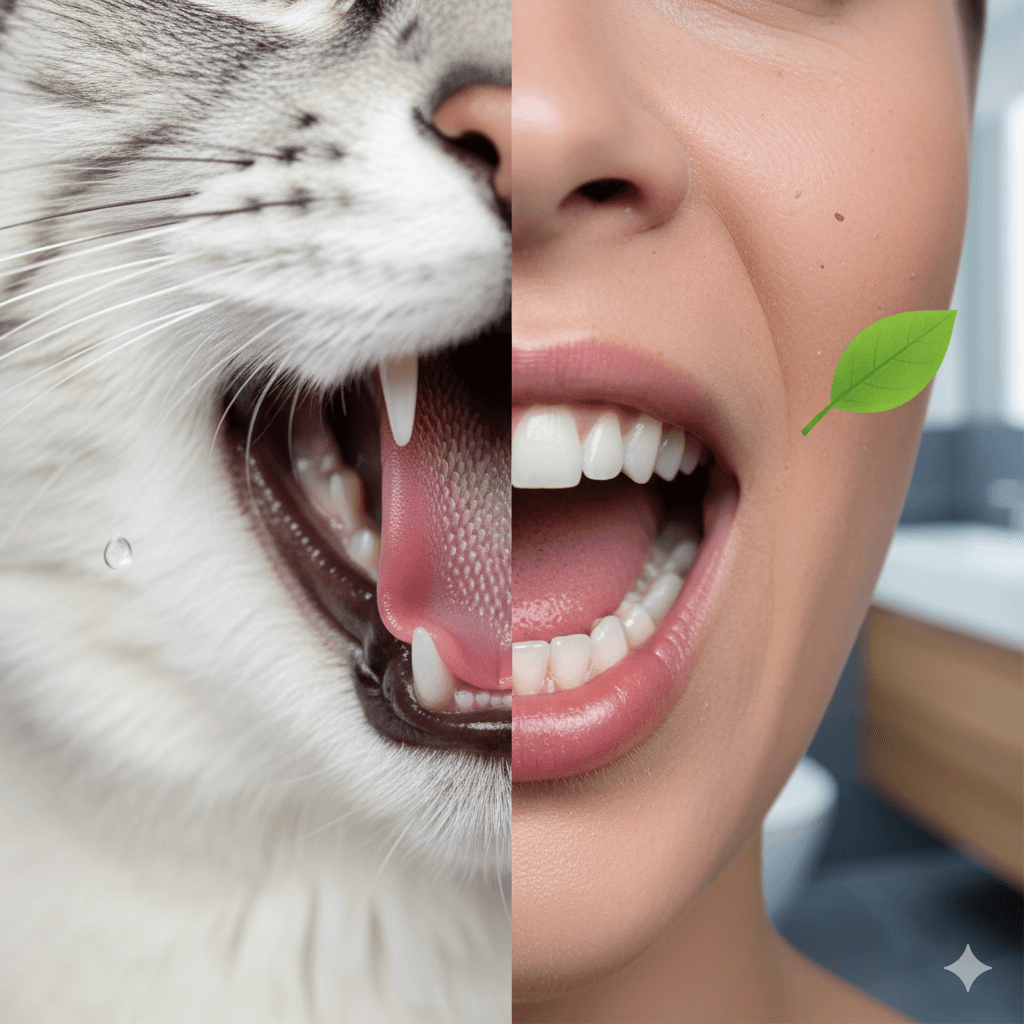

Are Cats Mouths Cleaner Than Humans?
You’ve probably heard the myth that a cat’s mouth is cleaner than a human’s—maybe even used to justify a quick lick from your feline friend. But is there any truth to this popular belief? The short answer is no: cats’ mouths harbor their own unique mix of bacteria, some of which can be harmful to humans or other animals. While cats are fastidious groomers, oral cleanliness isn’t just about licking—it’s about microbial balance, dental health, and hygiene habits. Understanding what’s really going on inside your cat’s mouth can help you protect both their health and your own.
Common Misconceptions About Feline Oral Hygiene
The idea that cats have “clean” mouths likely stems from their meticulous grooming behavior. However, cleanliness isn’t just about appearance—it’s about the types and quantities of bacteria present. Many assumptions overlook the hidden risks lurking beneath that neat exterior:
- The “Self-Cleaning” Myth:
Cats groom constantly, but this only removes surface debris—not plaque, tartar, or harmful oral bacteria that build up below the gumline. - Assuming No Bad Breath = Healthy Mouth:
While foul odor can signal dental disease, its absence doesn’t guarantee oral health; serious issues like gingivitis often start silently. - Believing Cat Saliva Is Antiseptic:
Cat saliva does contain some compounds with mild antibacterial properties, but it also carries bacteria like Pasteurella that can cause infections in humans. - Thinking Indoor Cats Don’t Need Dental Care:
Even cats that never eat raw meat or go outside develop plaque and periodontal disease—diet and genetics play major roles. - Equating Licking with Sterilization:
A cat’s tongue is excellent for fur maintenance, but it doesn’t sanitize wounds or surfaces in a medically meaningful way.
These myths may sound reassuring, but they can delay essential dental care and lead to preventable health problems for your cat.
Bacterial Comparison: Cat Mouths vs. Human Mouths
Both feline and human mouths host hundreds of bacterial species, but the types and implications differ significantly. Neither is “cleaner”—they’re just different ecosystems shaped by diet, behavior, and biology:
- Diverse Microbiomes:
Humans carry bacteria like Streptococcus and Lactobacillus, while cats harbor Pasteurella multocida, Fusobacterium, and Porphyromonas—many of which are pathogenic to humans. - Zoonotic Risk in Cats:
Cat bites or scratches that break the skin can introduce bacteria causing cellulitis, abscesses, or even sepsis—especially in immunocompromised individuals. - Dental Disease Prevalence:
By age 3, over 70% of cats show signs of periodontal disease, often with more aggressive bone loss than in humans with similar plaque levels. - Saliva Composition Differences:
Human saliva has higher levels of amylase (for starch digestion), while feline saliva lacks many enzymes but contains lysozyme with limited antimicrobial effect. - Oral pH and Environment:
Cats have a more alkaline oral pH, which can promote different types of bacterial growth compared to the slightly acidic human mouth.
The truth? Neither mouth is sterile—and comparing them by “cleanliness” misses the bigger picture of species-specific oral health needs.
Check this guide 👉Cat Mouth Swelling: Best 7 Expert Tips!
Check this guide 👉Cat Mouth Black Fungus Treatment: Best 7 Expert Tips!
Check this guide 👉Understanding Cat Mouth Cysts: Best 7 Expert Tips!
Human Oral Traits | Feline Oral Traits |
|---|---|
High starch-digesting enzyme activity | Low carbohydrate-digesting enzymes |
Common cavities from sugar metabolism | Rare cavities, but frequent gingivitis & tooth resorption |
Daily brushing standard in many cultures | <5% of cats receive regular toothbrushing |
Bacteria mostly adapted to human tissue | Bacteria often zoonotic or aggressive in soft tissue |
Dental visits routine for prevention | Dental care often delayed until pain or eating issues arise |
Health Risks of Cat Bites and Licks
While a gentle lick from your cat may feel affectionate, it’s important to understand the potential health implications—especially if you have open wounds, a weakened immune system, or young children:
- Pasteurella Infections:
Pasteurella multocida, found in 70–90% of cat mouths, can cause rapid-onset skin infections within hours of a bite or deep scratch. - Capnocytophaga Risks:
Though more common in dogs, this bacterium can also be present in cats and poses severe risks to people without spleens or with immune disorders. - Cat Scratch Disease (CSD):
Caused by Bartonella henselae, often transmitted when a cat licks a scratch or bite—leading to fever, swollen lymph nodes, and fatigue. - Eye or Mucous Membrane Exposure:
Licking near eyes, nose, or mouth can introduce bacteria more easily into the body, increasing infection risk. - Compromised Skin Barriers:
Even minor cuts, eczema, or surgical scars can become entry points for bacteria when exposed to cat saliva.
Most healthy adults recover without issue, but awareness and caution—especially around wounds—are essential for safe cohabitation.
Signs Your Cat Has Poor Oral Health
Cats hide pain well, so dental disease often goes unnoticed until it’s advanced. Watch for these subtle but telling signs that your cat’s mouth may be more than just “unclean”:
- Bad Breath (Halitosis):
Persistent foul odor is the most common early indicator of plaque buildup or gum inflammation. - Drooling or Pawing at Mouth:
Excessive salivation or face rubbing may signal pain from ulcers, fractured teeth, or stomatitis. - Red or Bleeding Gums:
Healthy gums are pale pink; redness, swelling, or bleeding = gingivitis or periodontitis. - Reluctance to Eat Hard Food:
Your cat may chew on one side, drop food, or prefer soft meals if teeth are sore or loose. - Visible Tartar or Discolored Teeth:
Yellow/brown buildup near the gumline or pink spots on teeth (resorptive lesions) require veterinary attention.
Early detection through regular checks can prevent painful conditions and costly treatments down the line.
How to Maintain Your Cat’s Oral Health
Proactive dental care is one of the best gifts you can give your cat for long-term wellness. Even if brushing seems daunting, small consistent efforts make a big difference:
- Daily Toothbrushing (Ideal):
Use a cat-specific toothbrush and enzymatic toothpaste—start slowly and reward to build positive associations. - Dental Diets and Treats:
VOHC-approved dental kibble or chews help reduce plaque mechanically as your cat chews. - Oral Rinses or Gels:
Water additives or gels with chlorhexidine can lower bacterial load when brushing isn’t possible. - Annual Veterinary Dental Checks:
Include oral exams in wellness visits; many issues are only visible under anesthesia during cleaning. - Professional Cleanings Under Anesthesia:
The only way to fully assess and clean below the gumline—recommended every 1–2 years depending on risk.
Consistency matters more than perfection: even brushing 2–3 times a week significantly slows disease progression.
Special Considerations for Multi-Pet or Immunocompromised Households
If you have young children, elderly family members, or anyone with a weakened immune system, extra precautions around cat saliva are wise—without sacrificing your bond:
- Supervise Interactions with Infants:
Never allow cats to lick a baby’s face, hands, or mouth due to underdeveloped immune defenses. - Wash Hands After Handling:
Especially before eating or touching your face, to reduce bacterial transfer from petting or play. - Keep Cats Out of Food Prep Areas:
Prevent licking of countertops, dishes, or utensils where saliva could contaminate surfaces. - Avoid “Kisses” on the Mouth:
Gentle forehead or cheek affection is safer than direct mouth-to-mouth contact. - Prioritize Your Cat’s Dental Health:
A healthier mouth means fewer harmful bacteria—protecting both your pet and vulnerable household members.
Balancing love and hygiene ensures everyone stays safe while enjoying the companionship of their feline friend.
What Veterinarians Recommend About Feline Oral Myths
Veterinary dentists and behaviorists consistently emphasize that the “clean mouth” myth is not only false but potentially dangerous. Here’s what the experts stress to cat owners:
- No Mouth Is Sterile:
All mammals carry oral bacteria—cleanliness is about management, not absence of microbes. - Cat Bites Are High-Risk:
Due to deep puncture wounds and fast-spreading bacteria, even minor bites often need antibiotics. - Oral Health = Overall Health:
Chronic dental disease is linked to heart, kidney, and liver issues in cats due to systemic inflammation. - Prevention Beats Treatment:
Once bone loss occurs from periodontitis, it’s irreversible—early care is critical. - Education Over Assumption:
Rely on veterinary guidance, not old wives’ tales, when it comes to your cat’s health and your family’s safety.
Trusting science over folklore leads to better outcomes for both cats and their humans.
Frequently Asked Questions About Cat Mouth Cleanliness
Are cat licks dangerous to humans?
Generally not for healthy adults, but they can pose risks if licked on open wounds, eyes, or mucous membranes—especially for immunocompromised individuals.
Do cats get cavities like humans?
True cavities (caries) are rare in cats due to low-sugar diets, but they commonly suffer from tooth resorption and severe gingivitis instead.
Can I get an infection from my cat kissing me?
It’s uncommon but possible—Pasteurella or Bartonella can transmit through saliva, particularly if you have cuts or weakened immunity.
Why does my cat’s breath smell suddenly bad?
Sudden halitosis often signals dental disease, oral ulceration, kidney issues, or diabetes—schedule a vet check promptly.
Should I brush my cat’s teeth if they lick me often?
Yes! Brushing reduces harmful bacteria overall, making interactions safer and improving your cat’s long-term health regardless of licking habits.
Embracing Safe, Informed Affection with Your Cat
The bond between you and your cat is built on trust, warmth, and quiet moments of connection—like a gentle head bump or a slow blink. But affection doesn’t have to mean ignoring science. By understanding that your cat’s mouth, while not “dirty,” is certainly not cleaner than yours, you can enjoy closeness without compromising health. Prioritize dental care, respect boundaries around wounds or sensitive areas, and celebrate your cat’s grooming instincts without romanticizing them. After all, loving your cat means caring for their whole well-being—and yours too. In the end, true companionship thrives on both tenderness and truth.
Newfoundland Dog Personality: Best 7 Expert Tips! – Discover the gentle, loyal, and protective nature of this giant breed perfect for families.
Can Hot Pavement Burn Your Cats Paws? Best 7 Expert Tips! – Learn how to protect your cat’s paws from hot surfaces and prevent painful burns this summer.
Can Hot Pavement Burn Your Dogs Paws? Best 7 Expert Tips! – Learn how to protect your dog’s paws from hot surfaces and ensure safe summer walks.
Irish Wolfhound Size: Best 7 Expert Tips! – Discover the ideal height, weight, and care tips for this majestic giant breed. Learn how to manage their impressive stature responsibly.


