
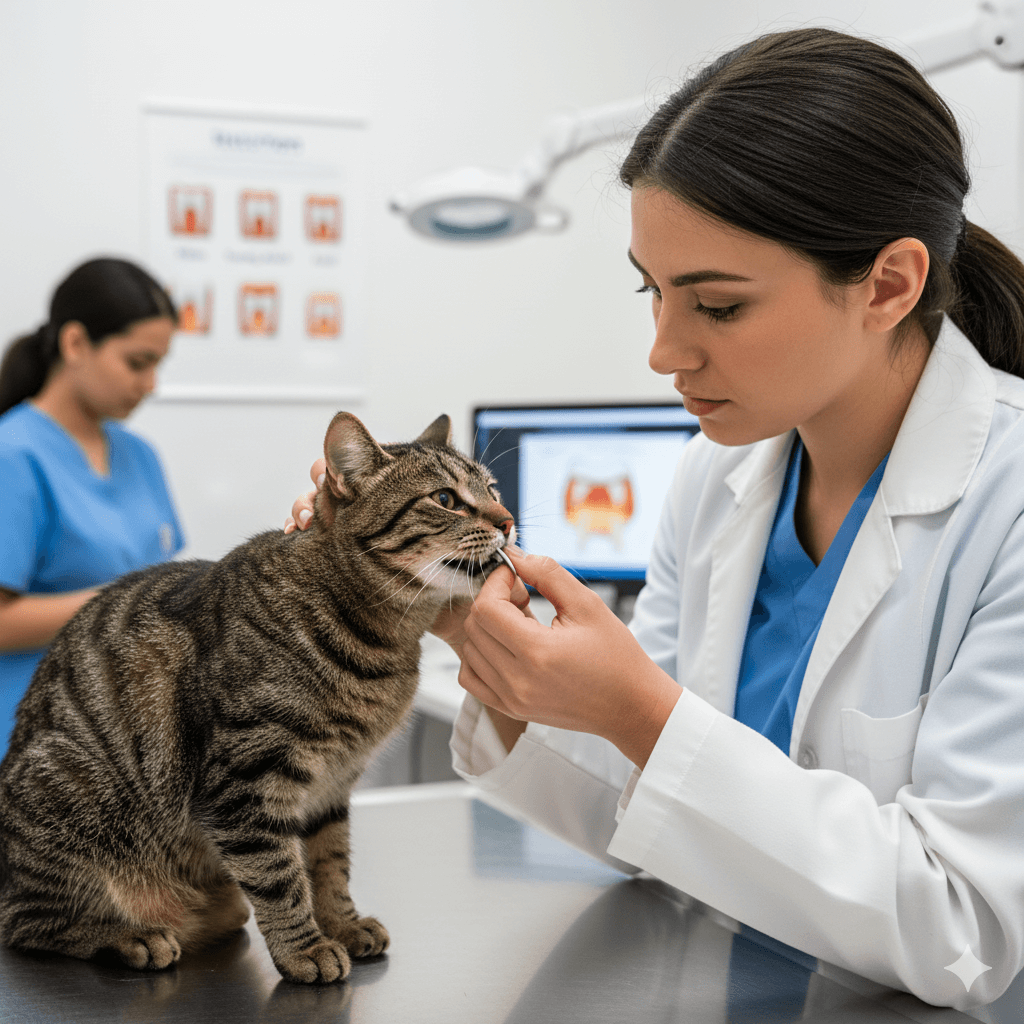

Understanding How Vets Estimate a Cats Age
Figuring out a cat’s exact age isn’t always straightforward—especially with strays, rescues, or cats without documentation. Veterinarians use a combination of physical clues, developmental milestones, and health indicators to make an educated estimate. While no method is 100% precise, experienced vets can often narrow a cat’s age down to a specific life stage with surprising accuracy. This knowledge helps tailor medical care, nutrition, and preventive strategies to your cat’s true biological needs. Whether you’ve just adopted a mystery cat or are simply curious, understanding how vets assess age brings clarity and confidence to your feline care journey.
Dental Clues: The First Window into a Cat’s Age
A cat’s teeth are one of the most reliable indicators of age—especially in kittens and young adults. Tooth eruption, wear, and tartar buildup follow a fairly predictable pattern that vets examine closely during a routine check-up:
- Tooth Eruption Timeline:
Kittens develop baby teeth between 2–4 weeks, and permanent teeth emerge by 3–4 months—fully in place by 6–7 months. - Clean, White Adult Teeth:
Cats under 2 years typically have bright, unstained teeth with minimal wear and no tartar—a strong sign of youth. - Yellowing and Tartar Buildup:
Between ages 2–5, yellow stains appear on molars, progressing to noticeable tartar along the gumline by age 5. - Tooth Wear and Gum Recession:
Older cats (7+ years) often show flattened canine tips, worn molars, and receding gums due to years of chewing and aging. - Missing or Diseased Teeth:
Severe dental disease, loose teeth, or extractions are common in senior cats (10+ years), especially without prior dental care.
While dental health can be influenced by diet and hygiene, the overall pattern remains a cornerstone of age estimation in feline medicine.
Eye Changes: Subtle Signs of Feline Aging
A cat’s eyes also reveal clues about their life stage, particularly as they enter their golden years. Vets look for specific age-related changes that occur gradually and consistently:
- Clear, Bright Lenses in Youth:
Young cats have sparkling, transparent lenses with no cloudiness—ideal for sharp night vision and hunting instincts. - Lenticular Sclerosis Development:
Starting around age 6–8, a bluish haze may appear in the lens center; this benign clouding is common in older cats and not the same as cataracts. - Reduced Pupil Reactivity:
Senior cats often show slower pupil dilation in dim light, making night navigation more difficult. - Increased Eye Discharge:
Aging tear ducts and reduced blinking can lead to mild crustiness or watery eyes in cats over 10. - Cataracts or Iris Atrophy (Less Common):
While rare in cats compared to dogs, true cataracts or thinning of the iris may appear in very senior or ill cats.
These ocular signs, when combined with other physical findings, help vets place your cat into the right age bracket for proactive care.
Check this guide 👉Are Cat DNA Tests Accurate? Best 7 Expert Tips!
Check this guide 👉Understanding Cat Behavior After a Vet Visit: Best 7 Tips!
Check this guide 👉Can I Take a Stray Cat to the Vet for Free? Best 7 Tips!
Age Estimation Clues | What Vets Look For |
|---|---|
Kittens (0–6 months) | Baby teeth → permanent teeth, eye color change, playful clumsiness |
Young Adults (1–3 years) | Bright white teeth, lean muscle tone, high energy, clear eyes |
Mature Adults (4–7 years) | Yellow tartar, slight weight gain, stable behavior patterns |
Seniors (8–12 years) | Dental wear, lenticular sclerosis, slower movement, minor stiffness |
Geriatric (13+ years) | Missing teeth, significant tartar, cloudy lenses, reduced activity, weight loss |
Body Composition and Muscle Tone Over Time
As cats age, their body shape, posture, and muscle mass shift in noticeable ways. Vets assess these physical changes during hands-on exams to complement other age indicators:
- Lean, Agile Frame in Youth:
Cats under 3 years typically have firm muscles, a tucked abdomen, and fluid, bouncy movements. - Slight Weight Gain in Midlife:
Between ages 4–8, many cats gain a few pounds due to slower metabolism—especially if indoor and less active. - Loss of Muscle Mass (Sarcopenia):
After age 10, cats often lose muscle—particularly along the spine and hind legs—making bones more prominent. - Reduced Flexibility and Posture Changes:
Older cats may stand with a hunched back, have difficulty jumping, or groom less thoroughly due to stiffness. - Coat Texture and Thickness Shifts:
While not definitive, seniors often develop a coarser, duller coat or thinning fur due to hormonal changes and reduced grooming.
These body changes are subtle but cumulative—vets piece them together like a puzzle to estimate biological age versus chronological age.
Behavioral and Cognitive Patterns by Life Stage
A cat’s demeanor, habits, and mental sharpness also evolve with time. Vets consider behavior—especially in known environments—as another layer of age assessment:
- High Energy and Curiosity (Under 2):
Young cats explore constantly, play intensely, and may still exhibit “zoomies” or clumsy antics. - Confident Routine-Settling (3–7):
Adults establish stable sleep-eating-play cycles and show consistent social behaviors toward people and pets. - Slower Response to Stimuli (8+):
Seniors may take longer to react to sounds, show less interest in toys, or nap more deeply and frequently. - Litter Box or Grooming Lapses:
Older cats might miss the box or develop matted fur—not from laziness, but due to arthritis or cognitive decline. - Increased Vocalization or Confusion:
Geriatric cats sometimes yowl at night or seem disoriented—possible signs of feline cognitive dysfunction (similar to dementia).
Behavior alone isn’t enough to pinpoint age, but when paired with physical signs, it strengthens the vet’s overall judgment.
Reproductive and Sexual Maturity Milestones
For unaltered cats, reproductive development offers clear age markers—especially in kittens and adolescents:
- First Heat Cycle in Femans:
Queens typically enter their first estrus between 4–6 months, indicating they’ve reached sexual maturity. - Testicle Descent in Males:
By 6–8 weeks, testicles are usually palpable; full fertility arrives around 5–6 months of age. - Breeding-Related Physical Traits:
Intact adult males often develop broader heads, thicker necks, and a more muscular build than neutered counterparts. - Mammary Development in Unspayed Females:
Repeated heat cycles can cause slight, permanent enlargement of mammary glands over time. - Absence of Reproductive Signs Post-Spay/Neuter:
If altered young, these markers disappear—but vets can often tell if a cat was fixed early versus later in life.
While most pets today are spayed or neutered, these signs remain useful for estimating age in community or rescue cats.
Advanced Diagnostic Tools for Age Estimation
In ambiguous cases—especially with malnourished, sick, or traumatized cats—vets may use clinical tests to support age estimation:
- Blood Work and Organ Function:
Young cats show optimal kidney, liver, and thyroid values; seniors often have mild, gradual changes even without disease. - X-Rays for Joint and Bone Assessment:
Arthritis, spinal calcifications, or tooth root resorption on dental X-rays become more common after age 8. - Retinal and Lens Imaging:
Specialized eye exams can differentiate lenticular sclerosis from true cataracts, aiding age classification. - Body Condition Scoring (BCS):
Vets assign a score from 1–9 based on fat and muscle—helping distinguish a thin senior from a starving young adult. - DNA or Epigenetic Testing (Emerging):
While not routine, some labs now offer “biological age” estimates based on methylation patterns—still experimental but promising.
These tools don’t give an exact birthday—but they add scientific context to the vet’s clinical impression.
Why Accurate Age Estimation Matters for Your Cat’s Health
Knowing your cat’s approximate age isn’t just trivia—it directly shapes their medical care, diet, and wellness plan:
- Vaccination Schedules:
Kittens need a series of core vaccines; adults require boosters every 1–3 years; seniors may skip non-essential ones. - Preventive Screening:
Cats over 7 benefit from biannual bloodwork to catch kidney disease, hyperthyroidism, or diabetes early. - Diet Formulation:
Kitten food supports growth; adult food maintains balance; senior diets address joint, kidney, and dental needs. - Anesthesia Risk Assessment:
Older cats need pre-anesthetic blood tests and adjusted protocols to ensure safety during procedures. - Behavioral Support:
Recognizing age-related confusion or pain allows vets to recommend environmental tweaks or medications that improve quality of life.
An accurate age estimate empowers you and your vet to act preventively—turning guesswork into proactive, personalized care.
“You can guesstimate a cat’s age (whether they’re a young cat, middle-aged or senior) based on their teeth… After a cat gets over about 2 years old, [judging by the teeth alone] can be difficult,”
Frequently Asked Questions About Estimating a Cat’s Age
Can a vet tell the exact age of a cat?
No—vets provide an estimated range based on physical and behavioral signs, not an exact birth date.
Do indoor and outdoor cats age differently?
Outdoor cats often show more dental wear, scars, or joint issues earlier due to environmental stressors, potentially appearing older than their indoor peers.
Can a cat’s eye color indicate age?
Only in kittens—eye color typically changes from blue to green, gold, or copper by 3–4 months and stays stable afterward.
Is it harder to age an older cat?
Yes—once a cat reaches 10+, physical changes slow and overlap, making it harder to distinguish a 12-year-old from a 16-year-old without diagnostics.
Does spaying/neutering affect age estimation?
Yes—altered cats may lack reproductive signs and sometimes maintain a more “youthful” body shape longer, requiring vets to rely more on teeth and eyes.
Embracing Your Cat’s Life Stage with Confidence
Whether you adopted a street-savvy stray or inherited a senior from a neighbor, knowing how vets estimate a cat’s age gives you a powerful tool for compassionate care. While we may never know your cat’s true birthday, understanding their biological stage helps you meet them right where they are—with the right food, the right check-ups, and the right amount of patience. Age isn’t just a number; it’s a roadmap to your cat’s changing needs. And with your vet as a guide, you can walk that path together—ensuring every chapter of your cat’s life is as healthy, comfortable, and full of love as possible.
Is Rawhide Bad for Cats? Best 7 Expert Tips! – Discover the risks, safe alternatives, and expert advice to keep your feline friend healthy and happy.

Is Rawhide Bad for Dogs? Best 7 Expert Tips! – Discover the risks, benefits, and safer alternatives to rawhides for your dog’s chewing needs.

Understanding Anorexia in Cats: Best 7 Expert Tips! – Learn why cats stop eating, spot warning signs, and discover how to help your feline regain appetite safely.

Understanding Anorexia in Dogs: Best 7 Expert Tips! – Learn causes, symptoms, and solutions to help your dog regain appetite and stay healthy.