

Is a Saint Bernard a Good Family Dog?
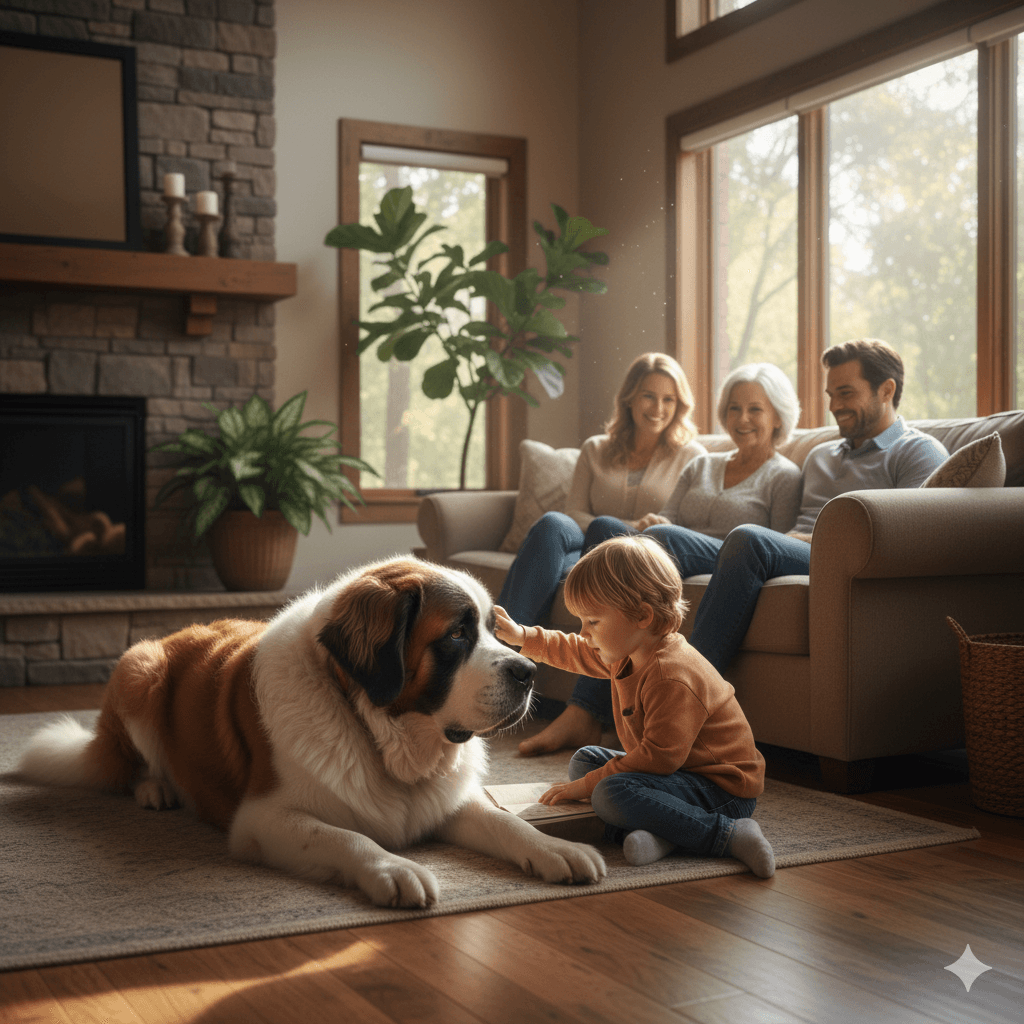
Gentle, loyal, and famously patient, the Saint Bernard has long been celebrated as a nurturing giant among family dogs. Originally bred as alpine rescue dogs in Switzerland, their calm demeanor and protective instincts translate beautifully into modern home life. Despite their massive size, they’re known for being especially soft with children and deeply attuned to their family’s emotions. If you’re seeking a devoted, steady companion who thrives on affection and quiet presence, the Saint Bernard may be an ideal match. Let’s explore why this gentle giant continues to earn its reputation as a treasured family guardian.
Historical Background and Family-Oriented Origins
The Saint Bernard’s roots as a rescue and monastery dog directly shape its loving, dependable nature in domestic settings today. Bred not for aggression but for endurance, empathy, and calm judgment, the breed was trusted with life-saving missions in harsh mountain conditions—traits that now make it exceptionally well-suited for family life.
- Alpine Rescue Heritage:
Saint Bernards were developed by monks at the Great St. Bernard Hospice to locate and save travelers buried in snow, showcasing their intelligence and compassion. - Natural Nurturers:
Historical accounts describe them gently guiding lost children and lying beside stranded victims to provide warmth—instincts that still surface in homes today. - Bred for Temperament, Not Aggression:
Unlike guard breeds, Saint Bernards were selected for steadiness, patience, and reliability around vulnerable individuals, including the elderly and young. - European Family Companionship:
By the 19th century, they transitioned from working roles to beloved household members across Europe, prized for their quiet loyalty. - Symbol of Kindness in Culture:
From classic films like Beethoven to children’s books, the Saint Bernard is consistently portrayed as a protective yet gentle family figure.
This legacy of service and emotional intelligence is why Saint Bernards integrate so seamlessly into family dynamics—they’re wired to care.
Gentle Temperament and Behavior Around Children
Few large breeds match the Saint Bernard’s combination of size, patience, and innate gentleness—especially with kids. Their calm energy and watchful presence make them natural companions for families, though supervision is always wise with such a large dog.
- Exceptional Patience with Kids:
Saint Bernards tolerate toddlers’ hugs, clumsy pets, and loud noises with remarkable composure, rarely reacting negatively. - Protective Without Being Aggressive:
They instinctively position themselves near children during play or outings, acting as silent guardians without unnecessary barking or interference. - Low Prey Drive:
Unlike herding or hunting breeds, they rarely chase, pounce, or nip—making them safer around running, shrieking children. - Emotionally Attuned:
Many owners report their Saint Bernard sensing when a child is sad or unwell, often offering quiet comfort through proximity or gentle nudges. - Calm Indoors:
Despite their size, they’re not hyperactive; most are content to lie quietly beside family members, making them ideal for relaxed home environments.
When properly socialized, a Saint Bernard often becomes a child’s most steadfast, four-legged friend—steady, loving, and endlessly forgiving.
Check this guide 👉Saint Bernard Newfoundland Dog: Best 7 Expert Tips!
Check this guide 👉Saint Bernard Maltese Mix: Best 7 Expert Tips!
Check this guide 👉Saint Bernard Chow Chow Mix: Best 7 Expert Tips!
Family Strengths | Considerations for Households |
|---|---|
Deeply affectionate with all family members | Requires ample space indoors due to size |
Extremely tolerant of children’s behavior | Drooling and shedding demand regular cleanup |
Naturally calm and low-energy indoors | Needs early training to manage weight and strength |
Strong emotional intuition and empathy | Not suited for homes with very limited mobility access |
Low barking tendency—ideal for quiet neighborhoods | Heat sensitivity limits summer outdoor activity |
Training and Socialization Needs for Family Integration
While naturally well-mannered, Saint Bernards still require consistent, early training to ensure they’re safe and manageable in a busy household. Their size alone means that even friendly behaviors—like leaning or wagging—must be guided with structure.
- Start Training Early (Even as Puppies):
A 100+ pound dog can’t learn leash manners or “off” commands at age two—foundation training must begin by 8–12 weeks. - Focus on Gentle Handling:
Teach commands like “easy,” “settle,” and “leave it” to control excitement around guests or kids without harsh corrections. - Positive Reinforcement Works Best:
They respond poorly to yelling or punishment; use treats, praise, and calm consistency instead. - Socialize Broadly:
Expose them to children of all ages, other pets, delivery people, and urban sounds to prevent shyness or overprotectiveness. - Manage Size-Related Behaviors:
Train them not to jump, lean, or pull on walks—these aren’t just nuisances but safety issues in family settings.
With patient guidance, a Saint Bernard becomes not just obedient but intuitively respectful of family routines and boundaries.
Grooming, Health, and Daily Care in a Family Home
Living with a Saint Bernard means embracing their physical needs—especially drool, shedding, and joint health. While not high-maintenance in temperament, their body care requires commitment from all household members.
- Seasonal Heavy Shedding:
They “blow coat” twice a year, requiring daily brushing to manage fur on furniture, clothes, and floors. - Drool Management:
Their loose jowls mean slobber after drinking, eating, or excitement—keep towels handy and teach kids not to hug them right after meals. - Joint and Weight Monitoring:
Rapid growth in puppies and obesity in adults can lead to hip dysplasia or arthritis—feed measured meals and avoid high-impact exercise. - Dental and Ear Hygiene:
Weekly ear checks and daily teeth brushing help prevent infections, especially important in breeds prone to oral disease. - Heat Sensitivity:
Their thick coat makes them vulnerable to overheating; limit summer play, provide shade, and never leave them in cars.
When the whole family participates in care, the Saint Bernard thrives—and becomes even more bonded to each member.
Ideal Home Environment and Lifestyle Fit
Saint Bernards flourish in homes where space, calm routines, and emotional connection are prioritized. They’re adaptable in many ways but have clear needs that determine long-term compatibility.
- Best in Suburban or Rural Homes:
While they can live in large apartments, they truly thrive with access to a secure yard and room to stretch out indoors. - Not for High-Activity or Jogging Families:
They lack endurance for long runs or hikes; moderate walks and relaxed play suit their energy level better. - Excellent with Stay-at-Home or Work-from-Home Families:
They dislike being left alone for hours and may develop anxiety or destructive habits if isolated often. - Compatible with Other Pets:
When raised together, they coexist peacefully with cats and dogs—but introductions should be slow and supervised. - Low Noise Output:
They rarely bark unless necessary, making them ideal for neighborhoods where quiet is valued.
This breed isn’t about excitement—it’s about presence. They offer quiet companionship, unwavering loyalty, and a comforting, steady energy that anchors a household.
Potential Challenges for First-Time or Busy Families
Despite their gentle nature, Saint Bernards aren’t the easiest breed for every household. Their size, lifespan, and physical traits present real challenges that require honest assessment before adoption.
- Space and Mobility Constraints:
Stairs, narrow hallways, or small cars can become problematic as they grow—adults often weigh 140–180 pounds. - Shorter Lifespan:
They typically live only 8–10 years, which can be emotionally difficult for children forming deep attachments. - Cost of Care:
Food, medications, grooming, and vet bills are significantly higher due to their size—plan for $1,500+ annually. - Slow Maturity:
They remain “puppies” in behavior until age 3, meaning large, clumsy adolescents in your home for years. - Drool and Shedding Overload:
Families with allergies or strict cleanliness standards may struggle with constant fur and slobber.
Acknowledging these realities upfront helps ensure the Saint Bernard is welcomed into a home that’s truly ready for a gentle giant.
Frequently Asked Questions About Saint Bernards as Family Dogs
Are Saint Bernards good with babies?
Yes—when properly introduced and supervised, they’re exceptionally gentle with infants, often showing protective, watchful behavior.
Do Saint Bernards need a big yard?
Not necessarily—they’re low-energy and don’t require vast space to run, but they do need room to move indoors comfortably.
Are they aggressive with strangers?
Generally no. They’re reserved but not hostile; most greet guests calmly once they sense the family is unthreatened.
How much do they eat?
Adults consume 4–8 cups of high-quality food daily, but portion control is critical to prevent obesity and joint strain.
Can they live in hot climates?
With precautions—air conditioning, limited outdoor time, and plenty of water—they can adapt, but they’re happiest in cooler regions.
A Loving Giant Who Gives His Whole Heart
The Saint Bernard isn’t just a dog—he’s a pillar of the home. With his calm eyes, massive frame, and uncanny ability to sense when someone needs a nudge of comfort, he embodies quiet, dependable love. For families ready to embrace his drool, his size, and his deep emotional presence, he repays every effort with unwavering loyalty and gentle companionship. Though his years may be fewer than smaller breeds, the impact of a Saint Bernard on a family’s life is immeasurable—leaving paw prints not just on floors, but on hearts. If you seek a dog who feels less like a pet and more like a devoted family member, this gentle giant may be the perfect soul to welcome home.
Is Rawhide Bad for Cats? Best 7 Expert Tips! – Discover the risks, safe alternatives, and expert advice to keep your feline friend healthy and happy.

Is Rawhide Bad for Dogs? Best 7 Expert Tips! – Discover the risks, benefits, and safer alternatives to rawhides for your dog’s chewing needs.

Understanding Anorexia in Cats: Best 7 Expert Tips! – Learn why cats stop eating, spot warning signs, and discover how to help your feline regain appetite safely.

Understanding Anorexia in Dogs: Best 7 Expert Tips! – Learn causes, symptoms, and solutions to help your dog regain appetite and stay healthy.