
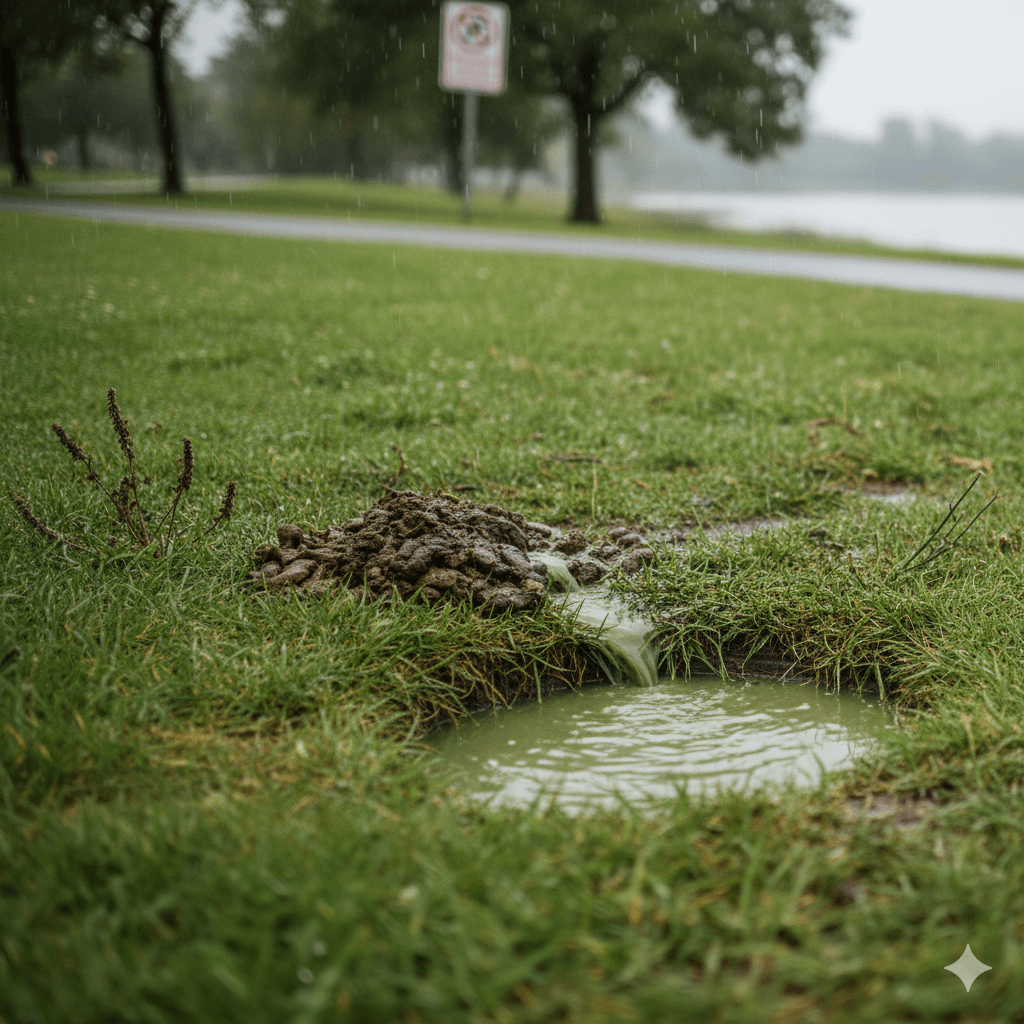

Why Is Dog Poop Bad for the Environment
Many pet owners don’t realize that dog waste isn’t just an unpleasant sidewalk nuisance—it’s an environmental pollutant with real consequences. Unlike wildlife or livestock manure, dog feces contain harmful bacteria, parasites, and nutrients that disrupt ecosystems when left unmanaged. Rainwater can wash it into storm drains, rivers, and lakes, degrading water quality and threatening aquatic life. Understanding the true impact of dog poop helps responsible owners make better choices for their communities and the planet. Proper disposal isn’t optional—it’s an essential act of environmental stewardship.
Health Hazards Hidden in Dog Waste
Dog poop carries more than just odor—it’s a reservoir for pathogens that pose risks to humans, wildlife, and other pets. Left on the ground, these contaminants persist and spread through soil and water systems, often with long-term effects:
- Parasites Like Roundworms and Hookworms:
These can survive in soil for years and infect humans—especially children—through bare skin or accidental ingestion, causing serious illness. - Bacteria Including E. coli and Salmonella:
Dog feces harbor strains that pollute waterways and contribute to beach closures, shellfish bed contamination, and gastrointestinal outbreaks. - Giardia and Cryptosporidium:
These hardy protozoans resist standard water treatment and can cause prolonged diarrhea in humans and animals alike. - Antibiotic-Resistant Microbes:
Dogs treated with antibiotics can shed resistant bacteria in their waste, accelerating the spread of superbugs in the environment. - Fecal Coliform Overload:
High levels in water signal unsafe conditions for swimming or fishing and often trigger public health advisories.
Because dog waste doesn’t break down harmlessly like deer or cow manure, it acts as a persistent source of biological pollution in urban and natural settings.
Water Pollution and Ecosystem Disruption
One of the most damaging effects of dog poop is its role in degrading freshwater and marine ecosystems. When rain washes untreated waste into storm drains—with no filtration—it flows directly into local waterways:
- Nutrient Overload (Eutrophication):
Dog feces are rich in nitrogen and phosphorus, which fuel explosive algae growth that depletes oxygen and kills fish. - Toxic Algal Blooms:
Excess nutrients can trigger harmful blooms that produce toxins dangerous to pets, wildlife, and even humans. - Contaminated Drinking Water Sources:
Runoff can infiltrate groundwater or reservoirs, increasing treatment costs and health risks for communities. - Damage to Aquatic Habitats:
Sensitive species like amphibians, insects, and native fish struggle to survive in polluted, low-oxygen environments. - Beach and Park Closures:
Municipalities often shut recreational areas due to unsafe bacteria levels linked directly to pet waste accumulation.
Unlike compostable herbivore manure, dog waste introduces foreign pathogens into ecosystems that lack natural defenses against them.
Check this guide 👉Why Is My Pregnant Dog Pooping in the House? Best 7 Tips!
Check this guide 👉What Kind of Worms Are in Dog Poop? Best 7 Expert Tips!
Check this guide 👉Dog Poop DNA Testing Cost: Best 7 Expert Tips!
Environmental Risks of Dog Poop | Responsible Disposal Solutions |
|---|---|
Spreads zoonotic parasites | Always bag and trash waste (not compost!) |
Contributes to water pollution | Use biodegradable or certified compostable bags where allowed |
Fuels harmful algal blooms | Pick up immediately—don’t let rain wash it away |
Degrades urban green spaces | Carry extra bags on walks; dispose in designated bins |
Harms wildlife and biodiversity | Support “scoop the poop” ordinances in your community |
Why Dog Poop Isn’t Safe for Composting
Many assume dog waste can go into backyard compost—but this is a dangerous misconception. Unlike plant-based scraps or herbivore manure, dog feces contain pathogens that standard compost piles can’t neutralize:
- High Pathogen Load:
Temperatures in home compost rarely exceed 140°F, far below the 165°F+ needed to kill roundworm eggs or Giardia cysts. - Risk of Cross-Contamination:
Using contaminated compost on gardens can transfer parasites to vegetables or soil, exposing families to infection. - Not Approved for Organic Use:
The USDA prohibits dog waste in organic farming due to persistent health risks and unknown decomposition timelines. - Municipal Compost Bans:
Most city compost programs explicitly exclude pet waste to protect processing workers and end-product safety. - Specialized Systems Required:
Only dedicated pet-waste digesters or high-heat commercial facilities can safely process it—never regular bins.
For these reasons, bagging and placing dog poop in the trash remains the safest and most widely recommended disposal method.
Impact on Urban Green Spaces and Public Health
In cities and suburbs, dog waste accumulates rapidly in parks, trails, and lawns—creating invisible hazards that affect entire neighborhoods:
- Soil Contamination:
Parasites can linger in soil for years, making playgrounds, community gardens, and yards unsafe for barefoot contact. - Increased Municipal Costs:
Cities spend millions cleaning waterways, testing for bacteria, and enforcing pet-waste laws—costs ultimately borne by taxpayers. - Odor and Aesthetic Decline:
Accumulated waste deters park use, lowers property values, and signals neglect in shared public areas. - Pet Health Risks:
Unpicked poop exposes other dogs to reinfection—especially puppies or immune-compromised animals. - Equity and Accessibility Concerns:
Uneven enforcement of cleanup rules often burdens low-income or elderly residents who may lack resources or mobility to manage waste safely.
Clean, well-maintained public spaces depend on universal participation in responsible pet ownership.
How Dog Waste Differs from Other Animal Manure
It’s tempting to compare dog poop to cow or horse manure—but biologically and environmentally, they’re not equivalent:
- Carnivore vs. Herbivore Digestion:
Dogs eat meat-based diets, producing waste with higher pathogen loads than plant-eating animals whose manure is safer to compost. - Gut Microbiome Differences:
Canine intestines host bacteria like Campylobacter and Clostridium that don’t commonly appear in livestock manure. - Urban Concentration:
Millions of dogs in small areas create waste densities far exceeding natural ecosystems’ capacity to absorb it. - Lack of Natural Breakdown Cycles:
In cities, there are no dung beetles or microbial balances to process waste—so it just accumulates. - No Agricultural Benefit:
Unlike cow manure used as fertilizer, dog poop offers no soil value and introduces more risk than reward.
This distinction is critical: what works for farm animals doesn’t apply to companion pets in human-dominated landscapes.
Simple Actions Every Dog Owner Can Take
Reducing the environmental footprint of dog ownership starts with consistent, mindful habits that protect both nature and public health:
- Always Carry Waste Bags:
Keep extras in your car, pockets, or leash—never assume you’ll “find one later.” - Dispose in Trash, Not Storm Drains:
Never flush or dump dog poop outside; it belongs in sealed bags in the garbage bin. - Support Dog-Friendly Infrastructure:
Advocate for public bag dispensers, dedicated waste bins, and clear signage in parks. - Educate Fellow Pet Owners:
Kindly remind friends or neighbors about proper disposal—it’s a shared responsibility. - Choose Eco-Conscious Products:
Opt for certified compostable bags (when industrial composting is available) or recycled-material bags to reduce plastic use.
Small daily choices add up to major environmental benefits when multiplied across millions of dog owners.
Environmental Impact Beyond the Obvious
While many focus on bacteria and water pollution, dog poop affects the environment in subtler—but equally concerning—ways that accumulate over time and across communities:
- Contribution to Urban Heat Islands:
Decomposing waste releases methane, a potent greenhouse gas that exacerbates localized warming in densely populated areas. - Disruption of Soil Microbiomes:
High concentrations of nitrogen and pathogens alter the natural balance of microbes in lawns and parks, harming plant health and native insects. - Wildlife Behavior Changes:
Animals like raccoons, birds, or rodents may be drawn to dog waste as a food source, increasing human-wildlife conflict and disease transmission risks. - Plastic Pollution from Bags:
Millions of non-biodegradable poop bags end up in landfills yearly—adding to microplastic loads when they slowly fragment over decades. - Erosion and Runoff Acceleration:
Accumulated waste on trails or riverbanks degrades vegetation that normally holds soil in place, increasing erosion during heavy rains.
Left unaddressed, these hidden consequences turn a routine pet-owning task into a significant ecological footprint—one that responsible owners can help minimize through awareness and action.
“Dog faeces often contain high levels of nitrogen and phosphorus… when large numbers of dogs visit the same area the nutrients accumulate quickly, leading to grass damage, changes to soil chemistry, and loss of biodiversity.”
— Dr. Duncan Houston
Frequently Asked Questions About Dog Poop and the Environment
Is it okay to bury dog poop in my backyard?
No—parasites like roundworms can survive in soil and contaminate groundwater or garden produce. Always bag and trash it.
Can dog poop be composted safely at home?
Not in standard backyard bins. Only specialized in-ground digesters or commercial high-heat facilities can neutralize pathogens.
Does dog waste really affect ocean health?
Yes—stormwater runoff carries dog feces from streets into rivers and eventually the ocean, contributing to beach pollution and marine dead zones.
How long does dog poop take to decompose?
Up to a year or more in cool or dry conditions—and even then, harmful bacteria and parasites may remain active long after it “looks” gone.
Are biodegradable poop bags better for the environment?
Only if disposed of properly. Most still require industrial composting; in landfills, they break down slowly like regular plastic—so focus first on consistent pickup.
Protecting Nature, One Scoop at a Time
Every time you pick up after your dog, you’re doing more than keeping sidewalks clean—you’re safeguarding water quality, preserving wildlife habitats, and protecting community health. Dog poop might seem small in the moment, but its cumulative impact is anything but. By embracing simple, responsible habits, we honor our role as both pet lovers and planetary stewards. After all, loving a dog means caring for the world they live in, too.
Is Rawhide Bad for Cats? Best 7 Expert Tips! – Discover the risks, safe alternatives, and expert advice to keep your feline friend healthy and happy.

Is Rawhide Bad for Dogs? Best 7 Expert Tips! – Discover the risks, benefits, and safer alternatives to rawhides for your dog’s chewing needs.

Understanding Anorexia in Cats: Best 7 Expert Tips! – Learn why cats stop eating, spot warning signs, and discover how to help your feline regain appetite safely.

Understanding Anorexia in Dogs: Best 7 Expert Tips! – Learn causes, symptoms, and solutions to help your dog regain appetite and stay healthy.