

What to Get for New Dog: Best 7 Expert Tips!
Bringing home a new dog is an exciting milestone filled with joy, cuddles, and a few important to-dos. Before your pup arrives, having the right essentials ensures a smooth transition for both of you. From safety basics to comfort must-haves, thoughtful preparation sets the tone for a trusting, stress-free start. Whether you’ve adopted a playful puppy or a calm adult dog, these foundational items help create a secure and welcoming environment. Let’s explore the smartest choices to make your new companion feel truly at home.
Essential Supplies Every New Dog Owner Needs
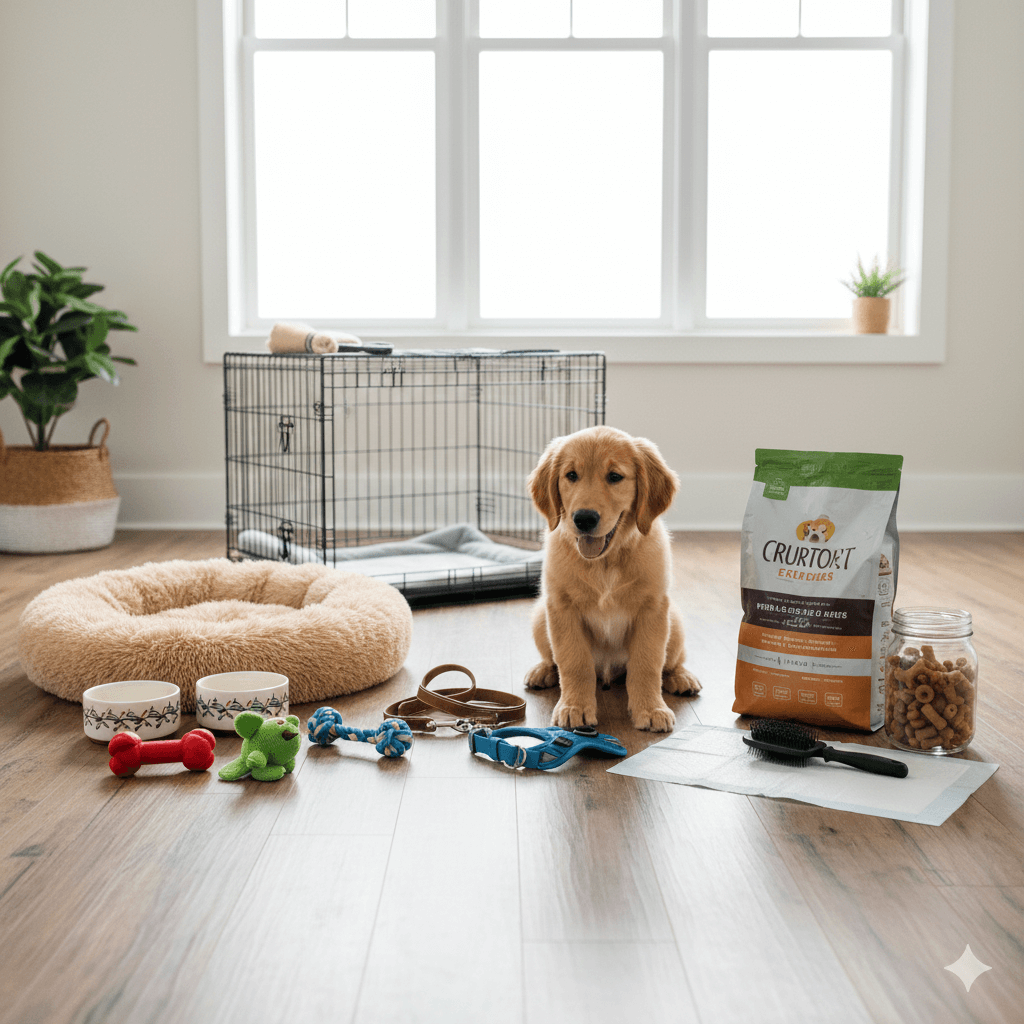
Before your dog steps through the door, gather these core items to cover safety, hygiene, feeding, and comfort. Having them ready prevents last-minute scrambles and reduces anxiety for your new pet during those critical first hours:
- Sturdy Collar and ID Tag:
A well-fitted collar with an up-to-date tag (including your phone number) is non-negotiable for safety—even indoors. - High-Quality Leash and Harness:
Choose a 4–6 foot leash and a padded harness (especially for small or brachycephalic breeds) to ensure control and comfort on walks. - Comfortable Bed or Crate:
Dogs need a quiet, dedicated space to rest; a crate with soft bedding offers security, while a bed supports joint health. - Food and Water Bowls:
Opt for stainless steel or ceramic bowls—they’re hygienic, non-toxic, and easy to clean. Elevated bowls may help larger breeds. - Appropriate Food for Life Stage:
Select a vet-recommended food formulated for your dog’s age, size, and health needs—puppy, adult, or senior formulas differ greatly.
Starting with these basics builds a foundation of safety and routine that helps your dog adjust with confidence.
Smart Toys and Enrichment Tools for Mental Stimulation
A bored dog can become destructive or anxious—so mental engagement is just as vital as food and shelter. The right toys reduce stress, satisfy natural instincts, and strengthen your bond from day one:
- Chew-Resistant Toys:
Durable rubber toys (like Kongs) satisfy chewing urges safely and can be stuffed with treats for longer engagement. - Interactive Puzzle Feeders:
These slow down eating and activate problem-solving skills—especially helpful for intelligent or high-energy breeds. - Soft Plush Toys (with Caution):
Great for comfort and cuddling, but supervise if your dog is a vigorous chewer to avoid swallowed stuffing or squeakers. - Tug and Fetch Toys:
Rope toys and soft balls encourage bonding through play and support physical exercise in a controlled way. - Teething Aids for Puppies:
Frozen chew toys or puppy-safe rubber rings soothe sore gums during the teething phase (3–6 months).
Toys aren’t just entertainment—they’re tools for emotional regulation, dental health, and positive behavior development.
Check this guide 👉Why Is My Dog Moving Around and Cant Get Comfortable? Best 7 Tips
Check this guide 👉How to Make My Dog Happy: Best 7 Expert Tips!
Check this guide 👉Are Zoomies a Sign of a Happy Dog? Best 7 Expert Tips!
Safety & Comfort Essentials | Behavior & Training Aids |
|---|---|
Collar with ID tag | Clicker for positive reinforcement |
Escape-proof crate or gated area | Non-slip mat under food/water bowls |
Non-toxic grooming wipes | Bitter spray to deter chewing on furniture |
Nightlight for nighttime visibility | Calming pheromone diffuser (e.g., Adaptil) |
Emergency first-aid kit | Puppy pads or indoor potty system (if needed) |
Grooming and Hygiene Must-Haves
Even low-maintenance breeds benefit from basic grooming routines that promote skin health, prevent odor, and build trust through gentle handling:
- Slicker Brush or Deshedding Tool:
Match the brush to your dog’s coat type—daily brushing prevents mats and reduces shedding around the house. - Dog-Safe Shampoo and Conditioner:
Never use human products; choose pH-balanced formulas that protect their skin barrier and natural oils. - Nail Clippers or Grinder:
Overgrown nails cause pain and gait issues; start trimming early so your dog accepts it calmly over time. - Toothbrush and Enzymatic Toothpaste:
Dental disease affects 80% of dogs by age 3—daily brushing is the gold standard for prevention. - Ear Cleaner and Cotton Pads:
Weekly ear checks and gentle cleaning prevent infections, especially in floppy-eared or allergy-prone dogs.
Integrating grooming into weekly routines from the start makes it a normal, stress-free part of your dog’s life.
Home Safety and Puppy-Proofing Items
Your home may be safe for humans—but not for curious canines. A few strategic adjustments prevent accidents and protect both your dog and your belongings:
- Baby Gates or Playpens:
Restrict access to stairs, kitchens, or rooms with hazards until your dog is fully trained and trustworthy. - Cord and Trash Covers:
Use cord protectors and secure-lid bins to stop chewing, electrocution risks, or garbage raids. - Pet-Safe Cleaning Supplies:
Many household cleaners are toxic—switch to enzymatic or vinegar-based cleaners labeled safe for pets. - Non-Slip Rugs or Mats:
Hard floors can cause slips and joint strain; add traction in high-traffic areas like hallways or near food bowls. - Toxic Plant Removal:
Remove or relocate common houseplants like lilies, pothos, or sago palms that can cause severe poisoning if ingested.
A dog-proofed home isn’t about restriction—it’s about creating a space where exploration is safe and confidence grows.
Training and Behavior Support Tools
The first few weeks are prime time for establishing habits. The right tools make training clearer, kinder, and more effective—without frustration for either of you:
- Treat Pouch for Easy Access:
Keep small, soft training treats handy to reward good behavior instantly during walks or home sessions. - Crate Training Kit (Divider, Cover, Bedding):
A properly set-up crate becomes a den, not a jail—use a divider to size it correctly for puppies. - Potty Training Supplies:
Enzymatic cleaner for accidents, bells for door signaling, and consistent outdoor potty schedules build reliability. - Calming Aids for Transition Stress:
Thundershirts, calming chews (vet-approved), or white noise machines ease anxiety during the first nights. - Training Clicker or Marker Word System:
Clear communication accelerates learning—pair a click or “yes!” with treats to mark desired behaviors precisely.
Consistency and positive reinforcement in these early days lay the groundwork for a well-mannered, happy dog for life.
Budget-Friendly Tips and What to Skip Initially
While it’s tempting to buy everything at once, prioritize wisely to avoid overspending on non-essentials or items your dog may not need:
- Buy Core Items First:
Focus on collar, leash, bed, food, bowls, and one safe toy—add extras gradually based on your dog’s personality. - Avoid Overbuying Clothes:
Most dogs don’t need sweaters or costumes; invest instead in a rain jacket or winter coat only if climate demands it. - Skip Expensive Tech Gadgets Early On:
Automatic feeders or GPS trackers can wait—build trust and routine before adding complex tools. - Borrow or Secondhand Smart Choices:
Gently used crates, gates, or carriers are often perfectly safe and budget-friendly from trusted sources. - Wait to Buy Specialized Gear:
Doggy pools, agility tunnels, or breed-specific accessories can come later once you know your dog’s true interests.
Thoughtful spending now means more resources later for vet care, training classes, or fun adventures together.
Special Considerations for Puppies, Seniors, or Rescue Dogs
Your dog’s background and age shape their immediate needs—tailor your setup to their unique situation for the smoothest transition possible:
- Puppies (Under 6 Months):
Need teething toys, frequent potty breaks, and extra-safe chew items; avoid hard bones that damage baby teeth. - Senior Dogs (7+ Years):
Benefit from orthopedic beds, ramps for furniture, and joint supplements—comfort and mobility are top priorities. - Rescue or Shelter Dogs:
May need time to adjust; start with minimal toys and quiet spaces, then gradually introduce stimulation as trust builds. - Dogs with Medical Needs:
Those with allergies, incontinence, or mobility issues require specific diets, diapers, or harnesses—consult your vet early. - Breed-Specific Requirements:
Double-coated breeds need slicker brushes; brachycephalic dogs need cooling mats; herding breeds crave mental puzzles.
Meeting your dog where they are—not where you expect them to be—opens the door to a deeper, more empathetic relationship.
“Premium-quality dog food and treats, food dish, water bowl, toys, brush & comb, collar with license and ID tag, leash, carrier, training crate, dog bed, and dog toothbrush form the foundation of responsible new dog ownership.” — ASPCA
Frequently Asked Questions About What to Get for New Dog
Should I buy a crate even if I don’t plan to crate-train?
Yes—many dogs naturally seek den-like spaces, and a crate provides safety during travel, vet visits, or home alone time.
How many toys should I start with?
Begin with 3–4 types: one chew toy, one comfort toy, one puzzle feeder, and one interactive toy—rotate them to maintain interest.
Is it okay to use my old dog’s bed or bowls for a new dog?
Only if thoroughly sanitized; otherwise, start fresh to avoid potential germ transfer and give your new dog their own “new beginning” items.
Do I need both a collar and a harness?
Yes—use a collar for ID tags and a harness for walks to protect the neck and trachea, especially in small or pulling dogs.
What’s the one thing most new owners forget?
Puppy-proofing electrical cords and securing toxic items like medications or chocolate—keep a dog-safe checklist handy!
Building a Loving, Prepared Home for Your New Best Friend
Welcoming a new dog is more than just unpacking toys and filling bowls—it’s about creating a sanctuary where trust, safety, and joy can grow together. The items you choose reflect your commitment to their well-being, but your presence, patience, and consistency matter even more. By starting with thoughtful essentials and staying attuned to your dog’s unique needs, you lay the groundwork for a lifetime of shared walks, quiet cuddles, and unwavering loyalty. Remember, you’re not just giving them a home—you’re becoming their whole world. And with the right preparation, that world will be kind, secure, and full of love from day one.
Is Rawhide Bad for Cats? Best 7 Expert Tips! – Discover the risks, safe alternatives, and expert advice to keep your feline friend healthy and happy.

Is Rawhide Bad for Dogs? Best 7 Expert Tips! – Discover the risks, benefits, and safer alternatives to rawhides for your dog’s chewing needs.

Understanding Anorexia in Cats: Best 7 Expert Tips! – Learn why cats stop eating, spot warning signs, and discover how to help your feline regain appetite safely.

Understanding Anorexia in Dogs: Best 7 Expert Tips! – Learn causes, symptoms, and solutions to help your dog regain appetite and stay healthy.