
Where to Get Dog Rabies Vaccine: Best 7 Expert Tips!
Keeping your dog protected against rabies isn’t just responsible pet ownership—it’s often the law. Rabies is a fatal viral disease that affects the nervous system and can spread to humans, making vaccination a critical public health measure. The good news? Accessing a rabies vaccine for your dog is easier than you might think, with multiple reliable options available depending on your location and needs. From veterinary clinics to low-cost events, knowing where to go ensures your pup stays safe, legal, and healthy.
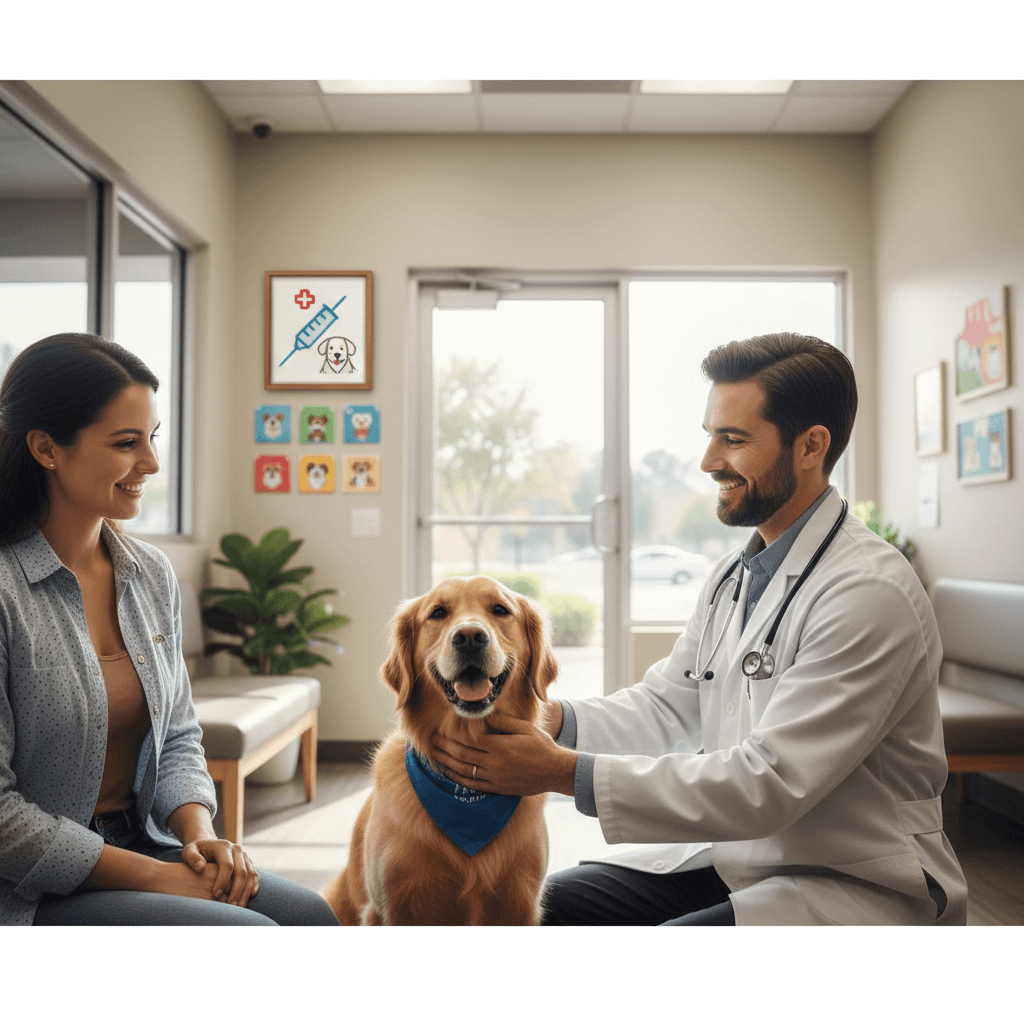
Veterinary Clinics: Your Primary and Most Trusted Source
Private veterinary practices remain the most common and dependable place to get your dog’s rabies vaccine. These clinics offer personalized care, keep detailed medical records, and often bundle the rabies shot with wellness exams for comprehensive health monitoring.
- Full-Service Medical Support:
Your vet evaluates your dog’s overall health before administering the vaccine, ensuring it’s safe and appropriate for their age and condition. - Official Documentation Provided:
You’ll receive a signed rabies certificate and tag—required by most municipalities for dog licensing and travel. - Reminder Systems in Place:
Many clinics offer automatic alerts for booster shots, helping you stay on schedule without mental tracking. - Integrated Health Records:
The rabies vaccine is logged in your dog’s permanent file, useful for emergencies, boarding, or future vet visits. - Tailored Vaccine Schedules:
Vets determine whether your dog needs a 1-year or 3-year rabies vaccine based on local laws and medical history.
For peace of mind, accuracy, and continuity of care, your regular veterinarian is the gold standard for rabies vaccination.
Animal Shelters and Humane Societies: Low-Cost and Community-Focused
Many local animal shelters, humane societies, and rescue organizations host vaccination clinics—often at significantly reduced rates or even free for qualifying pet owners. These services aim to increase community-wide rabies protection and reduce shelter intake due to preventable disease.
- Affordable or Donation-Based Pricing:
Vaccines may cost as little as $10–$25, making them accessible to budget-conscious or fixed-income households. - No Appointment Needed (Often):
Many operate on a walk-in basis during scheduled clinic days, eliminating scheduling delays. - Additional Services Available:
Clinics may also offer microchipping, deworming, or basic wellness checks alongside the rabies shot. - Supports Local Animal Welfare:
Fees often fund shelter operations, so your visit helps dogs in need beyond your own pet. - Geared Toward Preventing Outbreaks:
These programs target underserved areas where rabies risk may be higher due to lower vaccination rates.
Check your nearest shelter’s website or call ahead—they frequently update clinic dates and eligibility requirements online.
Check this guide 👉Rabies Vaccine Side Effects in Dogs: Best 7 Expert Tips!
Check this guide 👉Rabies Symptoms in Dogs: Best 7 Expert Tips!
Check this guide 👉How Long Do Rabies Shots Last for Dogs? Best 7 Expert Tips!
Trusted Vaccine Providers | What to Bring With You |
|---|---|
Private veterinary clinics | Dog’s previous vaccine records (if available) |
Animal shelters & humane societies | Proof of residency (sometimes required for low-cost programs) |
Mobile vaccine clinics | Secure leash and muzzle (if your dog is anxious) |
County health departments | Payment method (cash or card, depending on location) |
Pet supply store vaccine events | Completed consent form (often downloadable ahead of time) |
Mobile and Pop-Up Vaccine Clinics: Convenience Meets Accessibility
Mobile veterinary units and temporary pop-up clinics bring rabies vaccines directly to neighborhoods, parks, parking lots, or community centers. Sponsored by nonprofits, government agencies, or veterinary networks, they prioritize convenience and community outreach.
- Travel to High-Need Areas:
These units often serve rural, urban, or low-income zones with limited veterinary access. - Quick and Efficient Service:
Expect minimal wait times—many dogs are vaccinated in under 10 minutes from arrival. - Public Health Partnerships:
Often coordinated with local health departments during rabies awareness months or after wildlife exposure alerts. - Seasonal or Event-Based:
Look for them during pet fairs, adoption days, or National Rabies Vaccination Week (usually in September). - Digital Record Options:
Some mobile clinics email vaccine certificates immediately or sync them with regional pet health databases.
Follow local pet groups on social media or sign up for city alerts to learn when a mobile clinic is coming near you.
County or Municipal Health Departments: Government-Supported Programs
In many regions, local health departments offer rabies vaccination services—either directly or through contracted veterinarians—as part of public health mandates. These programs ensure legal compliance and curb zoonotic disease risk.
- Legally Recognized Vaccinations:
Shots administered here count toward mandatory licensing and are accepted by animal control agencies. - Fixed Low-Cost Rates:
Prices are standardized and typically lower than private clinics, often under $20 per dog. - Annual Rabies Clinics:
Many counties host one or two large-scale rabies clinics each year open to all residents. - Mandatory in Some Jurisdictions:
A few areas require dogs to be vaccinated through official channels during outbreaks or licensing drives. - Multilingual Staff Available:
Government-run events often provide forms and support in multiple languages to serve diverse communities.
Contact your city or county’s public health or animal services office to inquire about upcoming clinics or permanent vaccine programs.
Pet Retailers with In-House Veterinary Services
Major pet supply chains like Petco (via Vetco clinics) or PetSmart (via Banfield or other partners) offer rabies vaccines through licensed veterinarians inside their stores. These combine shopping convenience with professional medical care.
- Walk-In or Online Booking:
Schedule via app or website, or simply drop in during clinic hours—ideal for busy pet owners. - Transparent Pricing:
Costs are listed upfront online, usually ranging from $15 to $30 depending on location and vaccine type. - Frequent Promotions:
Look for discount days like “Vaccine Wednesdays” or bundled wellness packages. - Loyalty Program Integration:
Some retailers offer reward points or future discounts for using their vaccine services. - Safe, Controlled Environment:
Separate exam areas minimize stress and exposure to sick animals compared to crowded shelters.
While not a substitute for full veterinary care, these clinics are a reliable, efficient option for healthy dogs needing routine rabies boosters.
Travel and Emergency Rabies Vaccination Options
If you’re traveling with your dog—domestically or internationally—or face an unexpected exposure (like a bat in the house), you may need a rabies vaccine urgently. Several options exist for time-sensitive situations.
- Emergency Veterinary Hospitals:
24/7 clinics can administer post-exposure prophylaxis or required pre-travel vaccines outside regular hours. - USDA-Accredited Veterinarians for Travel:
For international trips, only USDA-certified vets can issue the required rabies certificates and health documents. - State Border or Airport Clinics (Rare but Available):
A few states offer vaccination at agricultural inspection stations for dogs entering from high-risk areas. - Wildlife Exposure Protocols:
If your dog contacts a potentially rabid animal, local animal control may direct you to a designated vet for immediate revaccination. - Digital Health Passports:
Some platforms (like GVL or Vetsource) allow vets to upload rabies data for travel compliance within hours.
In urgent scenarios, always call ahead—many providers require appointments for travel paperwork or post-exposure care.
Special Considerations for Puppies, Seniors, and Medically Fragile Dogs
Rabies vaccine timing and safety vary based on your dog’s age, health status, and legal requirements. While most dogs receive their first rabies shot at 12–16 weeks, exceptions exist for high-risk or compromised individuals.
- Puppies Under 12 Weeks:
Too young for rabies vaccine; avoid high-risk areas and ensure maternal antibodies (if the mother was vaccinated) are present. - Senior Dogs with Chronic Illness:
May qualify for a medical waiver in some states if vaccination poses a health risk—but this requires vet documentation and isn’t universally accepted. - Dogs with Vaccine Reactions:
If your dog had a prior adverse reaction, pre-treatment with antihistamines or splitting vaccines may be recommended. - Feral or Rescue Dogs:
Shelters often vaccinate immediately upon intake, but adopters should verify the date and type of rabies shot given. - Breeding or Show Dogs:
May need specific documentation for events; confirm that your provider issues USDA-compliant certificates if required.
Always consult your veterinarian to tailor rabies vaccination to your dog’s unique health profile—never skip or delay without professional guidance.
“Animal rabies vaccines should only be administered by a veterinarian or under veterinary supervision, in compliance with local laws”
Frequently Asked Questions About Where to Get Dog Rabies Vaccine
Can I buy a rabies vaccine online and give it myself?
No—rabies vaccines must be administered by a licensed veterinarian to be legally valid and effective. Self-administered shots are not recognized by law or public health authorities.
Is the rabies vaccine required by law everywhere in the U.S.?
Yes, in all 50 states—but local rules vary on frequency (1-year vs. 3-year) and enforcement. Always check your city or county ordinances.
What if I can’t afford the rabies vaccine?
Seek low-cost clinics through shelters, rescues, or county programs. Many offer vaccines for under $15 or on a sliding scale.
Do indoor-only dogs need a rabies vaccine?
Yes. Bats, rodents, or accidental escapes can expose even housebound dogs—and the law typically doesn’t exempt them.
How long after the rabies shot is my dog protected?
Immunity typically develops within 28 days. Puppies receiving their first shot are not considered fully protected until this window passes.
Protecting Your Dog—and Your Community—One Shot at a Time
Getting your dog’s rabies vaccine is more than a legal checkbox—it’s a vital act of care that safeguards your pet, your family, and your neighbors. With options ranging from trusted veterinary clinics to mobile pop-ups and county health programs, access has never been easier or more flexible. By choosing the right provider for your situation and staying current on boosters, you contribute to a safer, healthier world for both animals and people. Remember: prevention is always simpler, kinder, and less costly than facing the consequences of an unvaccinated exposure. Take that small step today—your dog’s life, and your peace of mind, depend on it.

Is Rawhide Bad for Cats? Best 7 Expert Tips! – Discover the risks, safe alternatives, and expert advice to keep your feline friend healthy and happy.

Is Rawhide Bad for Dogs? Best 7 Expert Tips! – Discover the risks, benefits, and safer alternatives to rawhides for your dog’s chewing needs.

Understanding Anorexia in Cats: Best 7 Expert Tips! – Learn why cats stop eating, spot warning signs, and discover how to help your feline regain appetite safely.

Understanding Anorexia in Dogs: Best 7 Expert Tips! – Learn causes, symptoms, and solutions to help your dog regain appetite and stay healthy.