
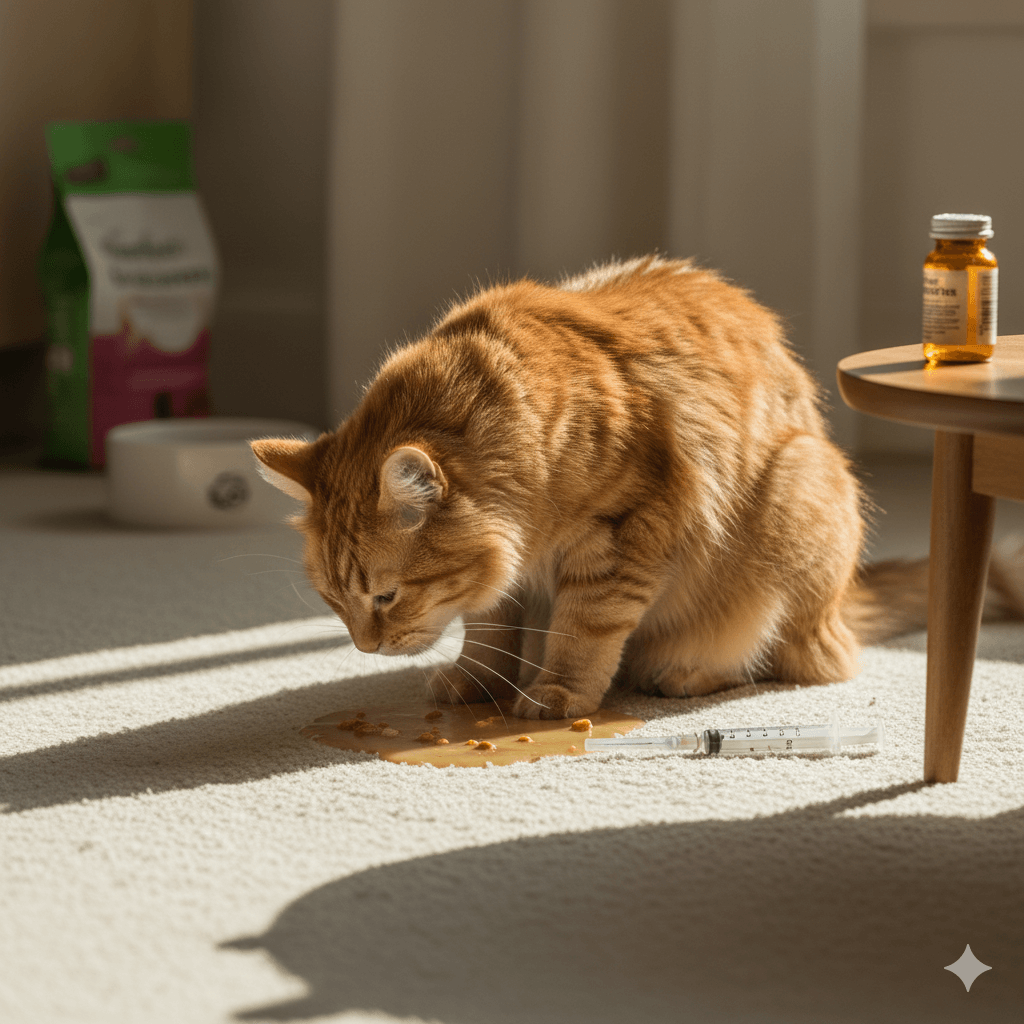

Understanding Cat Throwing Up on Antibiotics
It’s not uncommon for cats to vomit after starting a course of antibiotics—especially if their stomach is sensitive or the medication irritates the digestive tract. While this reaction can be unsettling, it doesn’t always mean you should stop treatment. Understanding why it happens, when it’s normal, and when to seek help can protect your cat’s recovery and prevent complications. With the right approach, many cats can complete their antibiotic therapy safely and effectively.
Why Cats May Vomit When Taking Antibiotics
Antibiotics are essential for fighting bacterial infections, but they can disrupt your cat’s delicate gastrointestinal balance. Several factors contribute to vomiting during treatment, and recognizing them helps you respond appropriately:
- Direct Stomach Irritation:
Some antibiotics, like doxycycline or clindamycin, can irritate the stomach lining—especially if given on an empty stomach. - Altered Gut Microbiome:
Antibiotics kill both harmful and beneficial gut bacteria, which may lead to nausea, gas, or digestive upset. - Pill Formulation or Size:
Large or bitter pills can trigger a gag reflex or cause esophageal discomfort, prompting immediate vomiting after dosing. - Underlying Illness Interference:
If your cat is already unwell (e.g., kidney disease or pancreatitis), their system may be less tolerant of medication side effects. - Rapid Administration or Stress:
Forcing a pill too quickly or causing anxiety during dosing can trigger a stress-induced vomiting response.
Most cases are mild and manageable—but persistent vomiting requires veterinary guidance to avoid dehydration or treatment failure.
Recognizing Normal vs. Concerning Reactions
Not every episode of vomiting means the antibiotic must be changed. Knowing the difference between expected side effects and dangerous complications ensures your cat gets the care they truly need:
- Vomiting Within 30 Minutes of Dosing:
If the pill is visible in the vomit, the medication likely wasn’t absorbed—your vet may advise re-dosing or switching forms. - Occasional Vomit with No Other Symptoms:
One or two episodes without lethargy, diarrhea, or appetite loss may resolve with food-based dosing adjustments. - Frequent or Forceful Vomiting:
Repeated episodes (more than twice in 24 hours) can lead to dehydration and signal intolerance or a more serious issue. - Vomit with Blood or Bile:
Red streaks, coffee-ground material, or bright yellow bile suggest stomach damage or severe irritation—call your vet immediately. - Refusal to Eat or Drink:
Cats who stop eating for over 24 hours risk hepatic lipidosis—a life-threatening liver condition triggered by fasting.
When in doubt, always consult your veterinarian before continuing or stopping antibiotics on your own.
Check this guide 👉Cat Antibiotic Injection Side Effects: Best 7 Expert Tips!
Check this guide 👉Cat Antibiotics for Abscess: Best 7 Expert Tips!
Check this guide 👉Understanding Cat Anti-Anxiety Medication: Best 7 Tips!
Common Side Effects | Emergency Warning Signs |
|---|---|
Mild nausea or drooling before vomiting | Vomiting blood or dark, tarry material |
One-time vomit after first dose | Inability to keep water down for 12+ hours |
Temporary loss of appetite | Lethargy, weakness, or collapse |
Soft stool or mild diarrhea | Rapid breathing, pale gums, or trembling |
Burping or lip-licking (signs of nausea) | Vomiting persists beyond 48 hours on meds |
Safe Ways to Administer Antibiotics and Reduce Vomiting
How you give the medication often makes a big difference in your cat’s tolerance. With smart techniques, you can minimize stomach upset and improve compliance:
- Give with a Small Meal:
Unless instructed otherwise, always administer antibiotics with a spoonful of wet food or a treat to buffer the stomach. - Use Pill Pockets or Compounding:
Hide the pill in a vet-approved treat or ask your vet about flavored liquid or transdermal gel alternatives. - Follow Dosing Instructions Precisely:
Some antibiotics (like doxycycline) require water afterward to prevent esophageal ulcers—never skip this step. - Avoid Crushing Without Approval:
Crushing pills can alter absorption or increase bitterness; confirm with your vet before modifying the form. - Space Doses Evenly:
Stick to the prescribed schedule—irregular dosing can cause peaks and troughs that worsen side effects.
These small adjustments can turn a stressful experience into a smooth, effective treatment course.
Supporting Your Cat’s Gut Health During Treatment
Protecting your cat’s digestive balance while on antibiotics helps reduce vomiting and supports faster recovery. Proactive gut care is especially important for sensitive or senior cats:
- Add a Feline-Specific Probiotic:
Use a vet-recommended probiotic formulated for cats—start it the same day as antibiotics (give 2–3 hours apart). - Offer Bland, Easily Digestible Food:
Cooked chicken, plain pumpkin, or a prescription GI diet can soothe the stomach during treatment. - Ensure Constant Access to Fresh Water:
Hydration helps flush toxins and maintain electrolyte balance, especially if mild vomiting occurs. - Avoid Dairy or Human Foods:
Milk, yogurt, or table scraps can worsen upset—stick to simple, vet-approved nutrition. - Monitor Litter Box Habits:
Changes in stool (diarrhea, constipation) alongside vomiting may indicate broader gut disruption needing attention.
Supporting the gut doesn’t just ease symptoms—it helps your cat fight the infection more effectively.
When to Contact Your Veterinarian
Antibiotic side effects shouldn’t derail your cat’s healing. Knowing when to call your vet ensures timely intervention and prevents treatment gaps:
- Vomiting Prevents Medication Absorption:
If your cat consistently vomits within 20–30 minutes of dosing, the antibiotic isn’t working—and infection may worsen. - Signs of Allergic Reaction Appear:
Facial swelling, hives, difficulty breathing, or sudden collapse require emergency care—though rare, they are life-threatening. - Your Cat Becomes Dehydrated:
Test by gently lifting the scruff—if it doesn’t snap back quickly, dehydration is likely. - They Stop Eating for Over 24 Hours:
Even if not vomiting constantly, food refusal in cats is a medical red flag requiring prompt evaluation. - You’re Unsure About Continuing the Medication:
Never stop or switch antibiotics without guidance—doing so can lead to antibiotic resistance or relapse.
Your vet may adjust the dose, switch drugs, or add anti-nausea medication to keep treatment on track.
Alternatives and Adjustments Your Vet Might Suggest
If vomiting persists, your veterinarian has several options to keep your cat on a safe, effective treatment path:
- Switch to a Gentler Antibiotic:
Amoxicillin-clavulanate or cefovecin (Convenia, an injectable) are often better tolerated than doxycycline or metronidazole. - Prescribe Anti-Nausea Medication:
Drugs like maropitant (Cerenia) can prevent vomiting and make oral dosing possible. - Use Injectable or Long-Acting Forms:
A single injection like Convenia eliminates daily pills and gut exposure—ideal for stressed or sensitive cats. - Adjust Timing or Food Pairing:
Your vet may recommend giving the dose with a larger meal or at bedtime to reduce irritation. - Add a Stomach Protectant:
Famotidine (Pepcid) or sucralfate may be prescribed short-term to shield the stomach lining—but only under vet supervision.
These tailored solutions ensure your cat receives necessary treatment without unnecessary suffering.
Preventing Future Antibiotic-Related Upset
While you can’t always avoid antibiotics, you can reduce the risk of vomiting in future treatments with these proactive steps:
- Keep a Medication History:
Note which antibiotics caused issues before—share this with your vet during future visits. - Request Gentle Formulations Early:
If your cat has a sensitive stomach, ask about injectables or gut-friendly options at the first sign of infection. - Start Probiotics at the First Dose:
Don’t wait for symptoms—begin gut support the moment antibiotics are prescribed. - Practice Low-Stress Medication Techniques:
Train your cat to accept pills calmly using positive reinforcement long before illness strikes. - Maintain Overall Gut Health:
A balanced diet, minimal stress, and regular vet care build a resilient digestive system that better handles medication.
Prevention turns future treatments from crises into manageable routines.
“One of the more common side effects of antibiotics in pets is vomiting in reaction to nausea. For example, the most common side effect of amoxicillin tends to be nausea, which causes pets to vomit, but giving it with food seems to help prevent the nausea.”
— Sharon M. Gwaltney-Brant, DVM, PhD, DABT, DABVT
Frequently Asked Questions About Cat Throwing Up on Antibiotics
Can I give my cat antibiotics with food?
Yes—most antibiotics can be given with a small meal unless your vet specifies otherwise, and doing so often reduces vomiting.
What if my cat throws up the pill right after I give it?
If the pill is intact in the vomit within 15–30 minutes, your vet may advise re-dosing; if more time has passed, absorption may have occurred.
Are some antibiotics more likely to cause vomiting in cats?
Yes—doxycycline, clindamycin, and metronidazole are more irritating; amoxicillin or Convenia are often gentler choices.
Should I stop the antibiotic if my cat keeps vomiting?
Never stop without consulting your vet—stopping early can cause treatment failure or antibiotic resistance.
Can probiotics prevent vomiting from antibiotics?
While not a guarantee, high-quality feline probiotics significantly reduce GI side effects by supporting healthy gut flora.
Caring for Your Cat Through Medication Challenges
Watching your cat struggle with antibiotics is never easy—but with patience, observation, and partnership with your vet, most side effects can be managed without compromising treatment. Vomiting doesn’t mean failure; it’s a signal to adjust, support, and advocate for your cat’s comfort. By understanding the causes, acting calmly, and using vet-guided strategies, you help ensure your feline friend not only recovers from the infection but also maintains trust in your care. After all, healing happens best in a body that’s respected—and a heart that feels safe.
Is Rawhide Bad for Cats? Best 7 Expert Tips! – Discover the risks, safe alternatives, and expert advice to keep your feline friend healthy and happy.

Is Rawhide Bad for Dogs? Best 7 Expert Tips! – Discover the risks, benefits, and safer alternatives to rawhides for your dog’s chewing needs.

Understanding Anorexia in Cats: Best 7 Expert Tips! – Learn why cats stop eating, spot warning signs, and discover how to help your feline regain appetite safely.

Understanding Anorexia in Dogs: Best 7 Expert Tips! – Learn causes, symptoms, and solutions to help your dog regain appetite and stay healthy.