
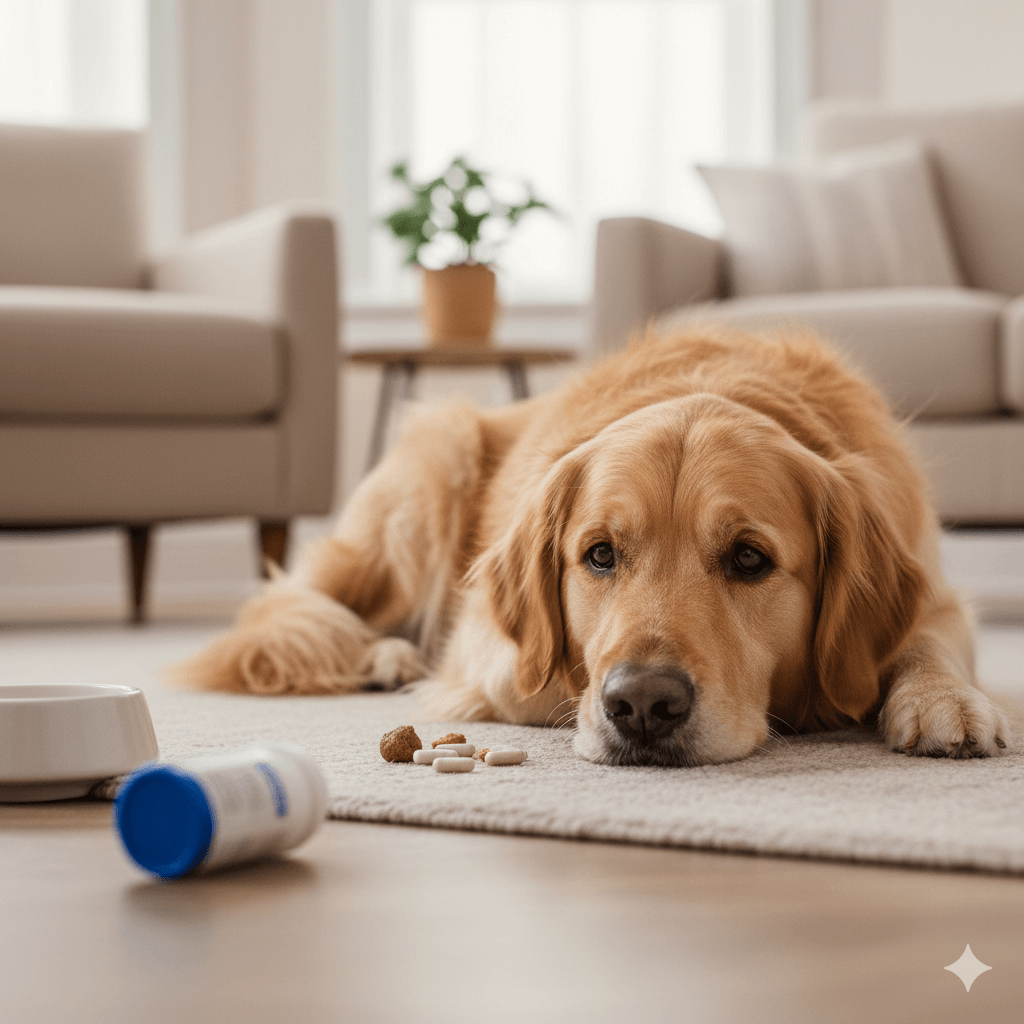

Understanding Dog Throwing Up on Antibiotics: Best 7 Tips!

Understanding Dog Throwing Up on Antibiotics: Best 7 Tips!

Understanding Dog Throwing Up on Antibiotics

Seeing your dog vomit after taking antibiotics can be alarming—especially when you’re trying to help them recover from an infection. While antibiotics are essential for fighting bacterial illnesses, they can sometimes irritate the stomach or disrupt gut balance, leading to nausea or vomiting. Not every case is cause for panic, but knowing how to respond can make treatment safer and more effective. With the right approach, most dogs tolerate antibiotics well and bounce back quickly. Understanding why this happens—and what to do about it—empowers you to support your dog through healing without unnecessary setbacks.

Why Dogs May Vomit After Taking Antibiotics

Antibiotics are powerful medications that target harmful bacteria, but they can also affect the delicate balance of your dog’s digestive system. Vomiting isn’t always a sign of allergy—it’s often a side effect of how the drug interacts with an empty or sensitive stomach. Several factors influence this reaction:

 
  • Gastric Irritation:
    Many antibiotics, like doxycycline or clindamycin, are acidic and can irritate the stomach lining, especially if given on an empty stomach.
     
  • Disruption of Gut Flora:
    Antibiotics don’t distinguish between “good” and “bad” bacteria, often wiping out beneficial gut microbes that aid digestion and prevent nausea.
     
  • Individual Sensitivity:
    Some dogs are simply more sensitive to certain medications due to age, breed, or underlying health conditions like liver or kidney issues.
     
  • Improper Administration:
    Crushing pills, mixing with incompatible foods, or giving the wrong dose can increase the risk of gastrointestinal upset.
     
  • Underlying Illness:
    The original infection being treated—such as a urinary tract infection or respiratory disease—may already cause nausea, which antibiotics can temporarily worsen.
 

While occasional vomiting may resolve on its own, repeated episodes require adjustment to prevent dehydration or treatment failure.

Understanding Dog Throwing Up on Antibiotics: Best 7 Tips!

Common Antibiotics That Cause Gastrointestinal Upset

Not all antibiotics affect dogs the same way. Some are more likely than others to trigger nausea, vomiting, or diarrhea due to their chemical properties or how they’re metabolized. Being aware of high-risk medications helps you anticipate and manage side effects:

 
  • Doxycycline:
    Known for causing esophageal and stomach irritation; must be given with food and followed by water to prevent reflux.
     
  • Clindamycin:
    Frequently linked to vomiting and diarrhea, especially at higher doses or in sensitive individuals.
     
  • Amoxicillin-Clavulanate (Clavamox):
    Generally well-tolerated but can still cause mild GI upset in some dogs, particularly if given without food.
     
  • Metronidazole:
    Used for anaerobic infections and diarrhea, but ironically can cause nausea, drooling, or vomiting in certain cases.
     
  • Trimethoprim-Sulfonamide (TMS):
    Effective against many infections but carries a higher risk of side effects, including vomiting and, rarely, liver issues.
 

If your dog reacts poorly to one antibiotic, your vet may switch to a gentler alternative without compromising treatment.

Antibiotic Side Effects to Monitor
Supportive Measures to Reduce Risk
Vomiting within 1–2 hours of dosing
Always give with a small meal or soft food
Loss of appetite during treatment
Offer bland, appealing foods like boiled chicken
Diarrhea or loose stools
Add vet-approved probiotics to restore gut balance
Lethargy or drooling
Ensure hydration and consult your vet promptly
Refusal to take medication
Use pill pockets or ask about flavored liquid versions

What to Do If Your Dog Vomits After Taking Antibiotics

Immediate action can prevent complications and keep treatment on track. The key is distinguishing between a one-time reaction and a recurring problem that needs medical adjustment:

 
  • Assess Timing and Frequency:
    If vomiting happens only once and your dog seems otherwise fine, it may be a mild reaction—especially if the pill was given on an empty stomach.
     
  • Check for Pill in Vomit:
    If you see the intact antibiotic, contact your vet to determine if a redose is safe or necessary. Never give another dose without guidance.
     
  • Withhold Food Briefly:
    Let the stomach settle for 2–4 hours, then offer small sips of water or ice chips. Resume a bland diet once vomiting stops.
     
  • Give Next Dose with Food:
    Unless instructed otherwise, always administer future doses with a small meal to buffer stomach acid and reduce irritation.
     
  • Call Your Veterinarian:
    If vomiting occurs more than twice, includes blood, or is accompanied by weakness, seek veterinary advice before continuing the medication.
 

Quick, thoughtful responses can often turn a rough start into a smooth recovery path.

How to Safely Administer Antibiotics to Minimize Side Effects

Prevention is far easier than managing repeated vomiting. With smart handling and timing, most dogs tolerate antibiotics without major issues:

 
  • Follow Label Instructions Precisely:
    Some antibiotics must be given on an empty stomach; others require food—never assume. Always read or ask your vet.
     
  • Use Food as a Buffer:
    Unless contraindicated, wrap pills in a bit of plain chicken, cheese, or a commercial pill pocket to ease ingestion and protect the stomach.
     
  • Ensure Adequate Hydration:
    Water helps flush the medication and supports kidney function—especially important with antibiotics like doxycycline.
     
  • Space Out Doses Evenly:
    Maintain consistent intervals (e.g., every 12 hours) to keep therapeutic levels stable without overwhelming the system.
     
  • Avoid Human Medication Aids:
    Never use butter, peanut butter with xylitol, or dairy products unless approved—some interfere with antibiotic absorption.
 

These small steps significantly improve comfort and treatment success.

Supporting Gut Health During and After Antibiotic Treatment

Restoring or protecting gut flora is essential for preventing prolonged digestive upset and ensuring full recovery after infection:

 
  • Add Probiotics Strategically:
    Use a dog-specific probiotic, but give it 2–3 hours apart from antibiotics to avoid killing the beneficial bacteria.
     
  • Feed Easily Digestible Meals:
    Boiled chicken, plain rice, or veterinary GI diets reduce strain on the recovering digestive tract.
     
  • Avoid Rich or Fatty Foods:
    These can worsen nausea—stick to simple, low-fat options until your dog’s appetite fully returns.
     
  • Monitor Stool Consistency:
    Temporary soft stool is common, but persistent diarrhea may indicate overgrowth of harmful bacteria like Clostridium.
     
  • Continue Probiotics Post-Treatment:
    Keep giving probiotics for 1–2 weeks after finishing antibiotics to fully repopulate healthy gut flora.
 

A healthy gut doesn’t just ease current symptoms—it builds resilience against future infections.

When to Contact Your Veterinarian Immediately

While mild vomiting may be manageable at home, certain signs indicate a serious reaction or complication requiring urgent care:

 
  • Vomiting Blood or Coffee-Ground Material:
    This suggests stomach ulceration or internal bleeding—stop the medication and seek help immediately.
     
  • Repeated Vomiting (3+ Times in 24 Hours):
    Leads to dehydration and may mean your dog can’t absorb the antibiotic at all.
     
  • Swelling, Hives, or Difficulty Breathing:
    Though rare, these signal an allergic reaction that can escalate quickly.
     
  • Extreme Lethargy or Collapse:
    May indicate systemic toxicity, low blood sugar, or electrolyte imbalance from fluid loss.
     
  • Refusing All Food and Water for More Than 12 Hours:
    Especially dangerous in puppies, seniors, or small breeds who dehydrate rapidly.
 

Never hesitate to call your vet—early intervention prevents emergency situations.

Special Considerations for Puppies, Seniors, and At-Risk Dogs

Vulnerable dogs need extra caution when on antibiotics due to reduced physiological reserves and higher sensitivity:

 
  • Puppies:
    Their livers and kidneys aren’t fully developed, making them more prone to drug toxicity—dosing must be precise.
     
  • Senior Dogs:
    Often have reduced organ function; antibiotics like TMS or enrofloxacin may require dose adjustments or monitoring.
     
  • Dogs with Preexisting GI Disease:
    Conditions like IBD or pancreatitis can flare severely with antibiotic use—probiotics and gastroprotectants may be needed.
     
  • Small or Toy Breeds:
    Low body mass means even minor vomiting can lead to rapid dehydration—monitor them hourly if symptoms start.
     
  • Dogs on Multiple Medications:
    Antibiotics can interact with NSAIDs, steroids, or seizure meds—always inform your vet of all current treatments.
 

For these groups, “standard” protocols may not apply—personalized care is essential.

“Regurgitation and vomiting is an uncommon side effect of antibiotics for pets. Sometimes this can be due to stomach upsets from the antibiotic. Probiotics and a bland diet might help.”
Dr. Amy Lam

Frequently Asked Questions About Dog Throwing Up on Antibiotics

Should I stop the antibiotic if my dog vomits once?

Not necessarily—contact your vet first. If the pill was expelled whole, they may advise redosing or switching medications.

No—Pepto contains bismuth subsalicylate, which can interact with many antibiotics and isn’t always safe for dogs.

Wait until your dog is stable and keeping water down, then give the next scheduled dose with food—never double up.

Yes, but they must be given 2–3 hours apart from the antibiotic to be effective.

Not necessarily—reactions are often drug-specific. A different antibiotic may be perfectly tolerated next time.

Helping Your Dog Heal Without Unnecessary Suffering

Watching your dog struggle with medication side effects can feel like a step backward in their recovery—but with informed care, most antibiotic-related vomiting is preventable or manageable. The goal isn’t just to eliminate infection, but to do so in a way that respects your dog’s comfort and overall well-being. By working closely with your veterinarian, adjusting administration methods, and supporting gut health, you turn a challenging treatment into a smooth journey toward wellness.

Remember, your attentiveness during this time doesn’t just ease their nausea—it deepens the trust that makes your bond unshakable. With patience and the right strategies, your dog will heal stronger, healthier, and ready to greet you with that wagging tail once again.

Is Rawhide Bad for Cats? Best 7 Expert Tips!

Is Rawhide Bad for Cats? Best 7 Expert Tips! – Discover the risks, safe alternatives, and expert advice to keep your feline friend healthy and happy.

Is Rawhide Bad for Dogs? Best 7 Expert Tips!

Is Rawhide Bad for Dogs? Best 7 Expert Tips! – Discover the risks, benefits, and safer alternatives to rawhides for your dog’s chewing needs.

Understanding Anorexia in Cats: Best 7 Expert Tips!

Understanding Anorexia in Cats: Best 7 Expert Tips! – Learn why cats stop eating, spot warning signs, and discover how to help your feline regain appetite safely.

Understanding Anorexia in Dogs: Best 7 Expert Tips!

Understanding Anorexia in Dogs: Best 7 Expert Tips! – Learn causes, symptoms, and solutions to help your dog regain appetite and stay healthy.

Leave a Reply

Your email address will not be published. Required fields are marked *