
Can I Take My Dog to Italy?
Dreaming of exploring Italy’s cobblestone streets, vineyards, or coastal towns with your furry companion? Good news—you absolutely can bring your dog to Italy, but only if you follow the European Union’s strict pet travel rules. From vaccinations to paperwork, preparation is essential to avoid delays or even denied entry. Whether you’re traveling by plane, car, or ferry, Italy welcomes well-documented and healthy dogs. With the right planning, your dog can join you on pasta-filled adventures without a hitch.
Essential Requirements for Bringing Your Dog to Italy
Before packing your dog’s leash and favorite toy, ensure you’ve met all legal and health prerequisites. Italy, as an EU member, enforces standardized pet import rules that prioritize animal health and disease control. Missing even one step can result in quarantine or refusal at the border:
- Microchip Identification:
Your dog must have an ISO 11784/11785 compliant microchip implanted before any vaccinations. Non-ISO chips may require you to bring your own scanner. - Valid Rabies Vaccination:
A rabies shot must be administered after microchipping and at least 21 days before entry into Italy. The vaccine must still be within its validity period (usually 1–3 years). - EU Pet Passport or Health Certificate:
EU residents use the official EU Pet Passport. Non-EU travelers (e.g., from the US, Canada, or UK) need an Annex IV veterinary health certificate, issued by an accredited vet within 10 days of travel. - Tapeworm Treatment (If Coming from Certain Countries):
Dogs entering Italy from non-EU tapeworm-risk countries (like the UK or Finland) may require specific anti-parasitic treatment 24–120 hours before arrival. - Maximum of Five Pets Allowed:
Italian law permits private individuals to bring up to five pets for non-commercial purposes. More than that requires commercial import procedures.
Meeting these requirements ensures a smooth entry—so double-check dates, documents, and vet endorsements well in advance.

Planning Your Travel Method with Your Dog
How you reach Italy greatly affects your dog’s comfort and documentation needs. Airlines, ferries, and road crossings each have unique rules—so align your pet’s paperwork with your chosen transport:
- Flying to Italy:
Most airlines allow small dogs in-cabin (under 8–10 kg with carrier) or larger ones as checked cargo. Book pet space early—limits apply per flight. - Driving Through Europe:
If you’re road-tripping from another EU country, the EU Pet Passport is sufficient. Keep it with you at all border checks. - Ferry Travel (e.g., from Greece or Spain):
Ferry companies often require advance notice for pets and may restrict access to cabins—confirm policies when booking. - Train Travel Within Italy:
Trenitalia and Italo allow small dogs in carriers; medium/large dogs must wear muzzles and leashes. A small fee may apply. - Accommodation Compatibility:
Many Italian hotels, agriturismi (farm stays), and vacation rentals are pet-friendly—but always verify policies and potential fees ahead of time.
Choosing the right travel method reduces stress for both you and your dog while staying compliant with transport-specific pet rules.
Check this guide 👉Can I Bring Dog Food into Canada? Best 7 Expert Tips!
Check this guide 👉Can I Bring My Dog to Hawaii? Best 7 Expert Tips!
Check this guide 👉Can I Bring My Dog to Mexico? Best 7 Expert Tips!
Pre-Travel Checklist | In-Italy Considerations |
|---|---|
Up-to-date rabies vaccine | Pet-friendly lodging confirmed |
ISO microchip implanted | Leash and muzzle always carried |
Valid EU Pet Passport or Annex IV certificate | Access to vet clinics in your region |
Airline or ferry pet reservation | Knowledge of local dog etiquette (e.g., beach rules) |
Dog’s travel carrier or harness | Waste bags and water bottle for outings |
What to Know About Dog-Friendly Life in Italy
Italy is widely welcoming to dogs—but cultural norms and local laws shape how you and your pet experience public spaces. From cafés to cathedrals, knowing the etiquette helps you blend in like a local:
- Dogs in Restaurants and Cafés:
Many outdoor trattorias and coffee bars allow well-behaved dogs on patios. Indoor access is rarer but possible in rural or family-run spots. - Public Transport Rules:
Small dogs in carriers ride free on buses and metros. Larger dogs must be muzzled, leashed, and often require a reduced-fare ticket. - Beach Restrictions:
Most public beaches ban dogs in summer (June–September). Look for “spiagge per cani” (dog beaches) or visit off-season for coastal walks. - Leash Laws in Cities:
Dogs must be leashed in urban areas, historic centers, and parks. Muzzles are required on public transport and in crowded places. - Vet Access and Emergency Care:
Italy has excellent veterinary care, especially in cities. Save local clinic numbers and know that EU pet insurance may not cover non-residents.
Embracing these local norms ensures your dog is not just tolerated—but truly welcomed—wherever you go in Italy.
Common Mistakes to Avoid When Traveling with Your Dog
Even seasoned pet travelers can stumble on Italy’s nuanced rules. Avoid these frequent oversights to protect your dog’s health and your travel plans:
- Assuming the UK Pet Passport Still Works:
Post-Brexit, UK residents must use the Annex IV form—no longer eligible for the EU Pet Passport. - Scheduling Vaccines Too Close to Travel:
Rabies shots must be given at least 21 days before entry. A last-minute vet visit won’t suffice. - Forgetting the Tapeworm Rule (When Applicable):
If arriving from the UK, Ireland, Norway, or Finland, tapeworm treatment timing is critical—and often overlooked. - Not Translating Documents:
While Annex IV is in English, carrying an Italian translation of your dog’s health records can ease communication with officials. - Overlooking Seasonal Restrictions:
Many parks, trails, and beaches limit dog access in high season—plan outdoor activities accordingly.
A little extra diligence prevents major headaches and keeps your Italian getaway on track.
Special Considerations for Non-EU Residents
Travelers from the U.S., Canada, Australia, or other non-EU countries face additional steps—but bringing your dog to Italy is still very achievable:
- Use an Accredited Veterinarian:
Only USDA-accredited (or equivalent) vets can complete the Annex IV form for U.S. travelers. Book well ahead. - Endorsement by Government Authority:
In the U.S., the USDA APHIS must endorse your health certificate—this can take days, so apply early via VEHCS online. - Entry Through a Designated Border Point:
Italy requires pets from non-EU countries to enter through specific airports (e.g., Fiumicino, Malpensa, Venice). Verify current ports before booking flights. - No Waiting Period After Vaccination for Re-Entry:
Once your dog meets EU standards, they can travel freely within the Schengen zone—no repeat 21-day wait for subsequent trips. - Consider a Pet Relocation Service:
For complex itineraries, professional pet shippers handle paperwork, flight logistics, and customs—ideal for anxious owners.
Non-EU residents can absolutely succeed—they just need more lead time and official validations.
Preparing Your Dog’s Documents: Step-by-Step Guidance
Getting your paperwork right is the single most critical part of traveling to Italy with your dog. Errors or expired documents are the leading cause of entry delays or refusals. Follow this verified sequence to ensure compliance with EU and Italian regulations:
- Schedule a Vet Appointment 4–6 Weeks Before Travel:
Confirm your dog is healthy, microchipped, and due for any required vaccines or treatments well in advance. - Verify Microchip Before Rabies Vaccination:
The rabies shot is only valid if administered after microchip implantation—your vet must note the chip number on the vaccine certificate. - Obtain the Correct Health Certificate:
Non-EU residents must get an official Annex IV certificate signed by an accredited vet and endorsed by national authorities (e.g., USDA APHIS in the U.S.). - Check Expiry Dates on All Documents:
The EU health certificate is valid for 10 days from issuance for entry into Italy, and your dog must travel within that window. - Carry Physical and Digital Copies:
Keep printed documents in your hand luggage and save digital backups on your phone—in case of loss or inspection.
Meticulous documentation isn’t bureaucracy—it’s your dog’s ticket to a safe, stress-free arrival in Italy.
Navigating Italy’s Regional Dog Rules and Local Etiquette
While national laws apply across Italy, local customs and municipal ordinances can vary widely—from historic city centers to coastal villages. Respecting these nuances shows you’re a responsible traveler and keeps your dog welcome everywhere:
- Historic City Centers Often Have Leash Mandates:
In places like Florence, Rome, or Siena, dogs must be leashed at all times—even in open piazzas—to protect pedestrians and heritage sites. - Beaches Have Strict Summer Bans:
Most public beaches prohibit dogs from June to September. Seek out designated “spiagge per cani” or visit coastal areas in May or October. - Dogs Are Welcome in Many Shops and Markets:
Small, well-behaved dogs on leashes are often allowed in grocery stores, bakeries, and outdoor markets—especially outside major tourist zones. - Public Parks May Restrict Off-Leash Time:
Even in dog-friendly cities like Milan or Bologna, off-leash hours are limited (often early morning or evening only). - Respect Quiet Hours in Rural Areas:
In countryside agriturismi or mountain villages, barking late at night may disturb neighbors—provide calming routines during your stay.
By observing these local expectations, you and your dog won’t just visit Italy—you’ll belong in it, even if just for a little while.
Frequently Asked Questions About Taking Your Dog to Italy
Do I need a blood test for my dog to enter Italy?
Only if coming from a high-rabies-risk country (e.g., India, Egypt). Most U.S., Canadian, and EU travelers do not require a titer test.
Can my dog travel in the cabin with me on a flight to Italy?
Yes, if under the airline’s weight limit (usually 8–10 kg including carrier) and you reserve pet space in advance—policies vary by carrier.
Are there quarantine rules for dogs entering Italy?
No quarantine for compliant pets from approved countries. Entry is immediate if all documents and vaccines are valid.
Can I bring my puppy to Italy?
Only if at least 12 weeks old (for rabies vaccine) and 21 days have passed since vaccination—so minimum age is around 15 weeks.
What if my dog’s microchip isn’t ISO standard?
You may still enter, but you must bring your own microchip scanner. Better yet, ask your vet about implanting a compliant chip before travel.
Enjoy La Dolce Vita—With Your Dog by Your Side
Taking your dog to Italy isn’t just possible—it’s a deeply rewarding experience filled with shared sunsets, countryside strolls, and gelato breaks on piazzas that welcome four-legged friends. With meticulous preparation, respect for local customs, and love as your guide, your dog can savor every moment of la dolce vita right alongside you. From the Alps to the Amalfi Coast, Italy opens its heart to well-prepared pets and their devoted humans. So gather those documents, pack the leash, and get ready: your Italian adventure with your best friend starts the moment you cross the border—with tails wagging and dreams of cappuccino in quiet Roman courtyards.

Can I Give My Cat Midol? Best 7 Expert Tips! – Learn the risks, symptoms, and safe alternatives to keep your cat healthy and avoid toxic reactions.

Can I Give My Dog Midol? Best 7 Expert Tips! – Discover the risks, safe alternatives, and expert advice to keep your dog safe from accidental poisoning.
Maximum Weight for Cats on Planes: Best 7 Expert Tips! – Learn airline policies, tips to stay compliant, and ensure safe travels for your feline friend.
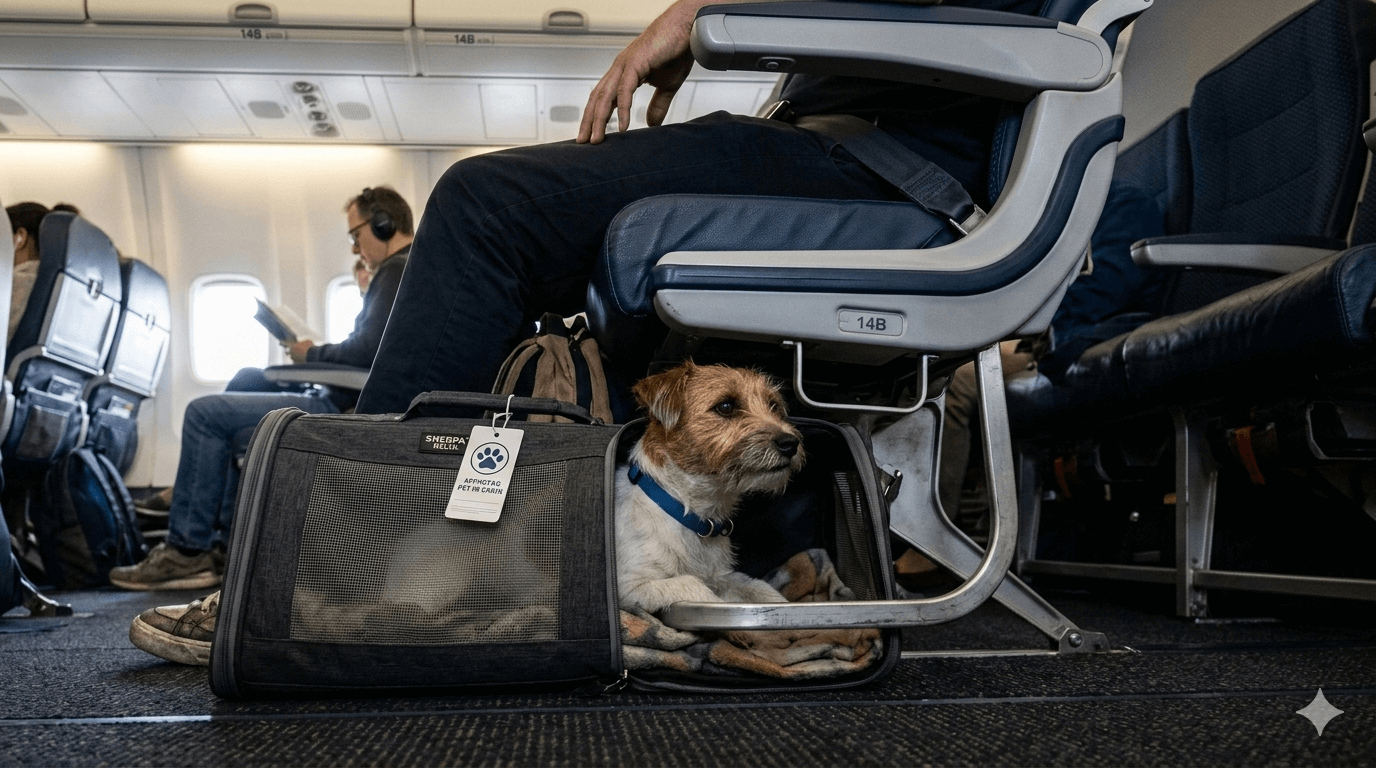
Max Weight for Dogs on Planes: Best 7 Expert Tips! – Discover airline weight limits, safe travel tips, and solutions for flying with your dog stress-free.