
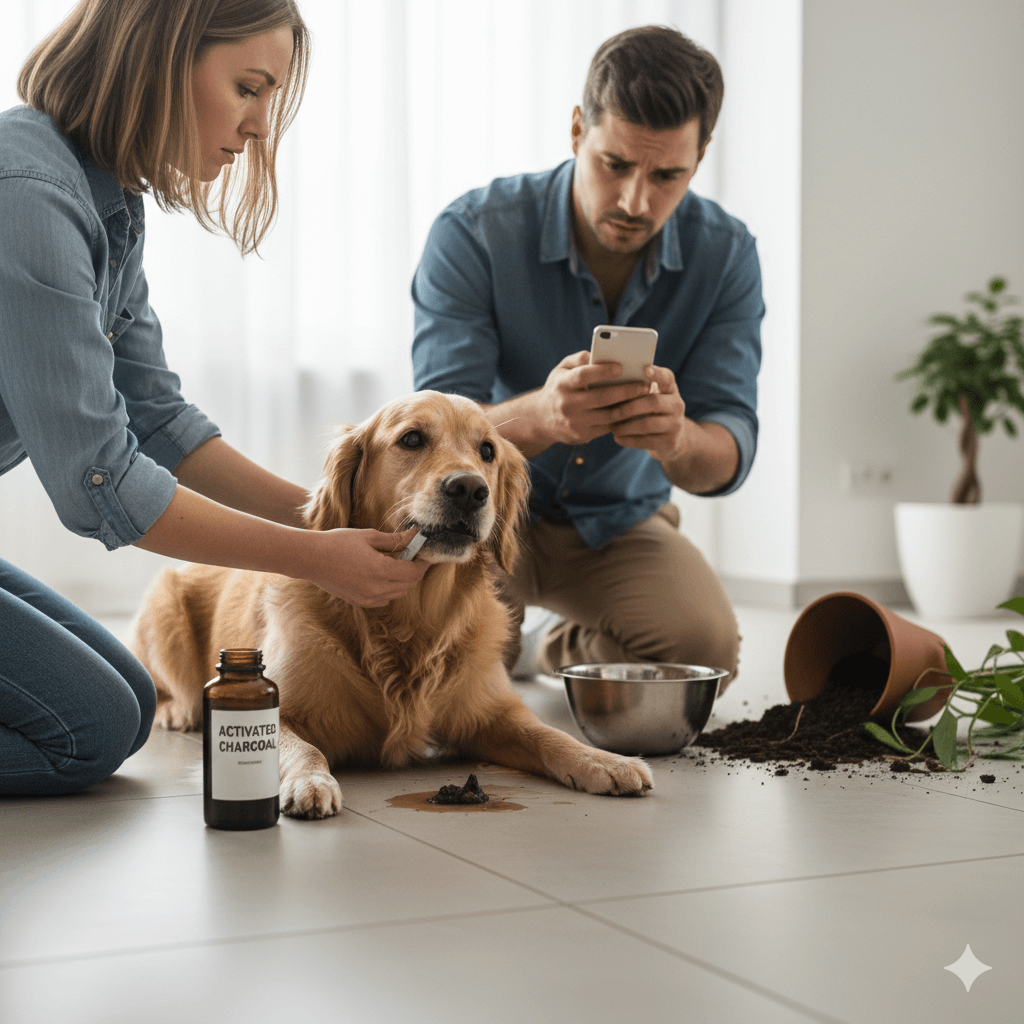

How to Treat a Poisoned Dog at Home: Best 7 Expert Tips!

How to Treat a Poisoned Dog at Home: Best 7 Expert Tips!

How to Treat a Poisoned Dog at Home

Discovering your dog may have been poisoned is every pet owner’s worst nightmare. While immediate veterinary care is always the safest course, knowing what steps to take at home in the critical first minutes can make a life-saving difference. Time, calm thinking, and accurate information are your most valuable tools during this emergency. This guide offers practical, vet-informed strategies to help stabilize your dog while you prepare for professional care. Remember: never attempt full treatment at home—your goal is to reduce harm until a veterinarian can intervene.

Recognizing the Signs of Poisoning in Dogs

Poisoning symptoms can vary widely depending on the toxin, but early recognition is vital for rapid response. Some signs appear within minutes, while others may take hours. Stay alert for any sudden, unexplained changes in your dog’s behavior or physical condition:

 
  • Vomiting or Drooling Excessively:
    Many poisons irritate the stomach lining, triggering nausea, retching, or uncontrollable drooling—sometimes with blood or unusual color.
     
  • Lethargy or Collapse:
    A sudden drop in energy, weakness, stumbling, or inability to stand may indicate systemic toxicity affecting the nervous system or organs.
     
  • Seizures or Tremors:
    Involuntary shaking, twitching, or full-body convulsions are red flags for neurotoxins like certain pesticides or antifreeze.
     
  • Difficulty Breathing:
    Rapid, shallow, or labored breathing can signal lung irritation, swelling, or cardiac stress caused by inhaled or ingested toxins.
     
  • Changes in Gum Color or Heart Rate:
    Pale, blue, or bright red gums—and a heartbeat that’s very fast or very slow—suggest circulation or oxygen issues needing urgent attention.
 

If you notice even one of these signs and suspect poisoning, act immediately. Every minute counts.

How to Treat a Poisoned Dog at Home: Best 7 Expert Tips!

Immediate First Steps to Take at Home

Before calling the vet or rushing out the door, take these critical actions at home to minimize toxin absorption and prepare for professional care:

 
  • Remove Your Dog from the Source:
    Securely isolate your dog from the suspected poison—whether it’s a spilled cleaner, chewed plant, or open pill bottle.
     
  • Do NOT Induce Vomiting Unless Instructed:
    Giving hydrogen peroxide or other emetics can be dangerous if the toxin is caustic (like bleach) or if your dog is already vomiting or unconscious.
     
  • Collect Evidence Safely:
    Gather any packaging, plant clippings, or residue in a sealed plastic bag—this helps vets identify the poison and choose the right antidote.
     
  • Rinse Skin or Fur if Exposed:
    If a chemical contacted your dog’s coat or skin, gently bathe them with mild dish soap and lukewarm water for 15–20 minutes (wear gloves).
     
  • Call a Poison Control Hotline Immediately:
    Contact the ASPCA Animal Poison Control (888-426-4435) or Pet Poison Helpline (855-764-7661)—have the substance details ready.
 

These steps buy crucial time and provide vital information for your veterinarian—never skip them, even in panic.

Home Actions to Take
What to Avoid Doing
Isolate your dog from the toxin
Never induce vomiting without professional advice
Collect substance packaging or samples
Don’t give milk, oil, or home remedies
Rinse skin/eyes with water if exposed
Avoid feeding or giving water if vomiting
Call poison control or your vet
Don’t wait to see if symptoms “get better”
Note the time of exposure and symptoms
Don’t delay transport to a clinic if advised

Common Household Poisons and Their Risks

Many everyday items pose serious threats to dogs. Awareness of high-risk substances helps you act faster and prevent future exposures:

 
  • Human Medications:
    Painkillers (like ibuprofen or acetaminophen), antidepressants, and ADHD drugs can cause organ failure even in tiny doses.
     
  • Toxic Foods:
    Chocolate, grapes, raisins, xylitol (in sugar-free gum), onions, and garlic trigger vomiting, kidney damage, or life-threatening hypoglycemia.
     
  • Household Cleaners:
    Bleach, drain cleaners, and disinfectants burn the mouth, esophagus, and stomach—vomiting them can worsen damage.
     
  • Plants and Garden Products:
    Lilies, sago palms, azaleas, and fertilizers containing iron or snail bait are highly toxic—some fatal with just a few bites.
     
  • Rodenticides and Insecticides:
    Rat poisons cause internal bleeding; ant baits or flea treatments meant for other species can lead to seizures or paralysis.
 

Keeping these items locked away is the best prevention—but if exposure occurs, knowing the exact substance guides emergency care.

What You Should NEVER Do During a Poison Emergency

Well-intentioned home remedies can dangerously worsen poisoning. Avoid these common mistakes that delay proper treatment or harm your dog further:

 
  • Giving Milk or Oil to “Neutralize” Poison:
    These don’t counteract toxins and may increase absorption of fat-soluble poisons like pesticides or vitamins.
     
  • Using Syrup of Ipecac or Hydrogen Peroxide Without Guidance:
    These can cause severe esophageal burns if the toxin is corrosive—or trigger seizures in neurotoxic cases.
     
  • Assuming “Natural” Means Safe:
    Essential oils, herbal supplements, and “non-toxic” labeled products can still be harmful to dogs—always verify with a vet.
     
  • Waiting to See If Symptoms Improve:
    Many poisons cause delayed damage (e.g., antifreeze destroys kidneys over 24–72 hours)—early treatment is essential even if your dog seems fine.
     
  • Punishing or Stressing Your Dog:
    Yelling or scolding adds anxiety, which can worsen symptoms. Stay calm to keep your dog as stable as possible.
 

Mistakes made in panic can be irreversible—rely on expert advice, not myths or guesswork.

Preparing for the Vet Visit: What to Bring and Expect

Once you’ve taken initial home steps, prepare for the vet visit with precision. The faster the clinic understands the situation, the sooner life-saving treatment begins:

 
  • Bring the Poison Container or Sample:
    Original packaging, plant pieces, or vomit (in a sealed bag) helps identify the toxin and appropriate antidote.
     
  • Record Key Details:
    Note the estimated amount ingested, time of exposure, your dog’s weight, and any symptoms observed—even minor ones.
     
  • Expect Diagnostic Tests:
    Blood work, urinalysis, or imaging may be needed to assess organ function and toxin impact, especially with unknown substances.
     
  • Possible Treatments at the Clinic:
    These may include activated charcoal, IV fluids, medications to control seizures, or hospitalization for monitoring.
     
  • Follow-Up Care Instructions:
    Your vet will guide you on diet, rest, and signs of delayed complications to watch for in the coming days.
 

Your preparation directly influences your dog’s prognosis—clarity and speed save lives.

Prevention Tips to Keep Your Dog Safe from Toxins

The best “treatment” for poisoning is prevention. A few proactive habits drastically reduce your dog’s risk of accidental exposure:

 
  • Store Medications and Chemicals Out of Reach:
    Use high cabinets with child locks—even curious dogs can open low drawers or tip over bottles.
     
  • Use Pet-Safe Plants and Cleaners:
    Replace toxic houseplants with dog-safe options like marigolds or snapdragons; choose cleaners labeled non-toxic to pets.
     
  • Never Leave Food or Trash Unattended:
    Secure garbage bins and avoid feeding table scraps—many human foods are dangerously toxic to dogs.
     
  • Read Labels on Flea/Tick Products:
    Only use species-specific treatments—products for cats can kill dogs, and vice versa.
     
  • Create a Pet Poison Emergency Kit:
    Include poison control numbers, a muzzle, saline eye rinse, gloves, and a sealed evidence bag for quick access.
 

Prevention isn’t about fear—it’s about creating a home where your dog can explore safely, every single day.

Special Considerations for Puppies, Small Breeds, and Senior Dogs

Vulnerable dogs face higher risks from even small amounts of poison due to their size, metabolism, or existing health issues:

 
  • Puppies Are Naturally Curious:
    Their exploratory chewing puts them at high risk—puppy-proof your home like you would for a toddler.
     
  • Toy and Small Breeds React Faster:
    A single grape or pill can be lethal to a 5-pound dog, whereas a larger dog might tolerate it—dose matters immensely.
     
  • Senior Dogs Have Reduced Organ Reserve:
    Their liver and kidneys process toxins less efficiently, making recovery slower and complications more likely.
     
  • Breeds with Sensitive Metabolism:
    Collies, Australian Shepherds, and others with the MDR1 gene mutation react severely to certain drugs like ivermectin.
     
  • Dogs with Chronic Illnesses:
    Conditions like kidney disease or diabetes can worsen dramatically with toxin exposure—act even faster in these cases.
 

For these groups, prevention and immediate action aren’t just recommended—they’re essential.

Frequently Asked Questions About Treating a Poisoned Dog at Home

Can I give my dog activated charcoal at home?

Only if directed by a vet or poison control—incorrect dosing can cause constipation, vomiting, or aspiration.

Call poison control immediately and describe symptoms, environment, and recent access—many toxins can be identified by clinical signs.

Some toxins act within minutes (e.g., xylitol), while others (like antifreeze or rodenticides) may take hours or days—never wait.

Not necessarily—while it may expel some toxin, it can also cause dehydration or worsen damage from corrosive substances.

Yes. Many poisons cause delayed, irreversible damage—early blood tests and treatment are critical even without symptoms.

Your Calm Response Can Save Your Dog’s Life

Facing a poisoning emergency is terrifying—but your steady, informed actions in the first moments can be the difference between recovery and tragedy. While true treatment always happens under veterinary supervision, your role at home sets the stage for success. By recognizing signs early, avoiding harmful myths, and acting with purpose, you become your dog’s first and most vital line of defense. Keep emergency numbers handy, pet-proof your space, and trust your instincts—if something feels wrong, seek help immediately. Because in the race against time, love paired with knowledge is your dog’s greatest protector.

Newfoundland Dog Personality: Best 7 Expert Tips!

Newfoundland Dog Personality: Best 7 Expert Tips! – Discover the gentle, loyal, and protective nature of this giant breed perfect for families.

Can Hot Pavement Burn Your Cats Paws? Best 7 Expert Tips!

Can Hot Pavement Burn Your Cats Paws? Best 7 Expert Tips! – Learn how to protect your cat’s paws from hot surfaces and prevent painful burns this summer.

Can Hot Pavement Burn Your Dogs Paws? Best 7 Expert Tips!

Can Hot Pavement Burn Your Dogs Paws? Best 7 Expert Tips! – Learn how to protect your dog’s paws from hot surfaces and ensure safe summer walks.

Irish Wolfhound Size: Best 7 Expert Tips!

Irish Wolfhound Size: Best 7 Expert Tips! – Discover the ideal height, weight, and care tips for this majestic giant breed. Learn how to manage their impressive stature responsibly.

Leave a Reply

Your email address will not be published. Required fields are marked *


