
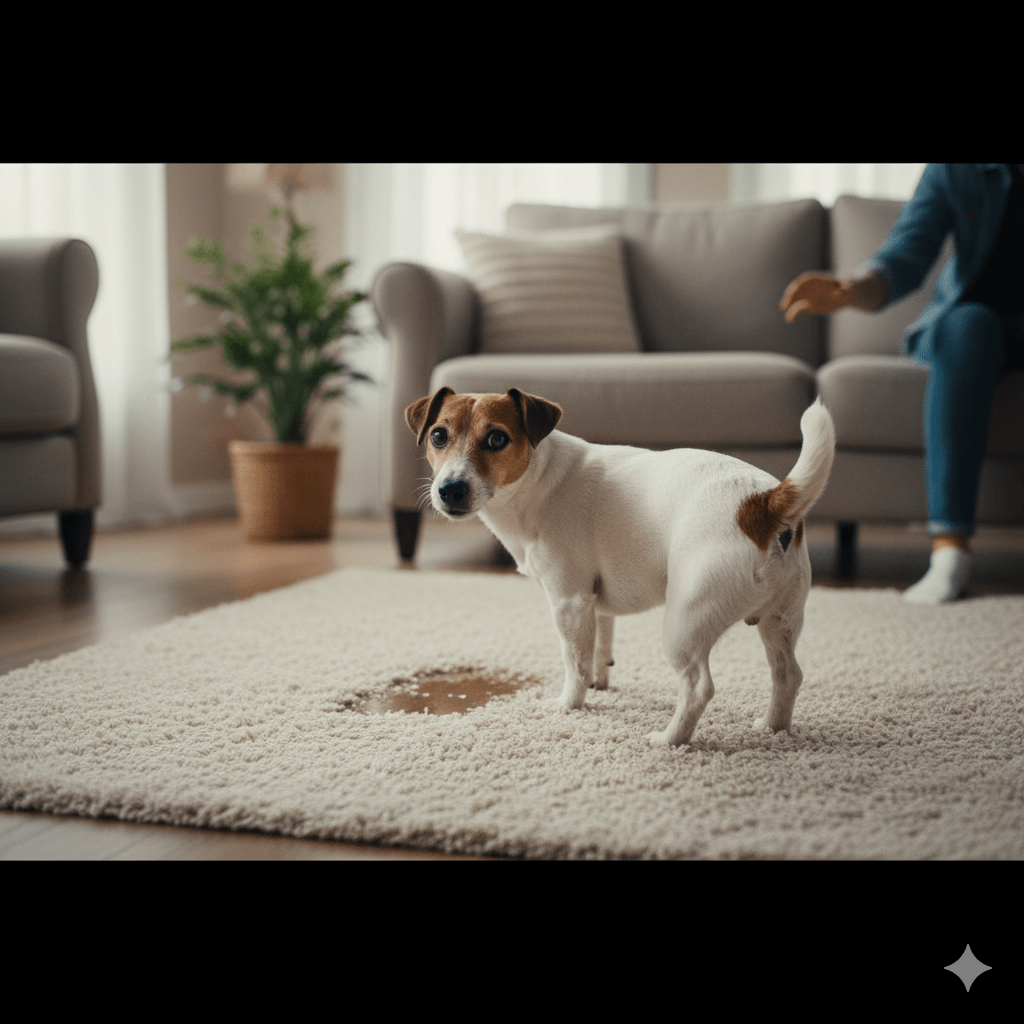

Understanding Why Your Dog Started Marking in House
If your previously house-trained dog suddenly begins lifting its leg or leaving small urine spots indoors, it’s likely engaging in territorial marking—not accidental elimination. This behavior can stem from stress, environmental changes, or social triggers, and it’s more common in intact males (though females and neutered dogs may do it too). While frustrating, marking is a form of communication, not defiance. Recognizing the underlying causes is the first step toward stopping it effectively and restoring harmony in your home.
Common Triggers That Cause Indoor Marking
Dogs don’t mark randomly—they respond to shifts in their environment or social dynamics. Identifying the catalyst helps you address the root issue rather than just cleaning up the mess:
- New People or Pets in the Home:
The arrival of a baby, roommate, or another animal can trigger marking as your dog tries to assert its place or reclaim familiar scents. - Unneutered or Unspayed Status:
Intact dogs are far more likely to mark due to hormonal drives, especially when sensing a female in heat nearby—even through walls or windows. - Changes in Routine or Environment:
Moving furniture, remodeling, or returning from vacation can disrupt your dog’s sense of security, prompting scent-based reassurance. - Presence of Outside Animal Scents:
Urine or feces from neighborhood cats or dogs tracked inside (on shoes, bags, or through open doors) may provoke a “scent reply.” - Anxiety or Social Stress:
Conflicts with other pets, loud noises, or inconsistent household rules can create tension that manifests as marking behavior.
Understanding these triggers allows you to intervene with empathy and strategy—not punishment—which is key to long-term resolution.
When Marking Isn’t Just Behavioral: Medical Red Flags
While marking is usually behavioral, certain health issues can mimic or worsen it. Before assuming it’s purely territorial, rule out underlying medical causes—especially if the behavior is new or sudden:
- Urinary Tract Infections (UTIs):
Pain or urgency from a UTI may cause small, frequent urinations that resemble marking but are actually involuntary. - Bladder Stones or Crystals:
These irritate the urinary tract, leading to discomfort and inappropriate urination, often near doorways or sleeping areas. - Hormonal Imbalances:
Conditions like Cushing’s disease or diabetes can increase thirst and urination, sometimes misinterpreted as marking. - Age-Related Incontinence:
Senior dogs may lose bladder control due to weakened muscles or neurological decline, especially during sleep or rest. - Medication Side Effects:
Some drugs (like corticosteroids) increase urine production, making accidents more likely—even in well-trained dogs.
If your dog shows signs like straining to urinate, blood in urine, or excessive licking of the genital area, consult your vet before addressing it as a behavioral issue.
Check this guide 👉Dog Pee Smells Fishy: Best 7 Health Tips!
Check this guide 👉Is Dog Pee Toxic? Best 7 Health Tips!
Check this guide 👉Dog Peeing Blood but Acting Normal: Best 7 Health Tips!
Behavioral Marking Signs | Medical Issue Warning Signs |
|---|---|
Small amounts of urine on vertical surfaces | Large puddles or frequent squatting |
Occurs near doors, windows, or new objects | Happens during sleep or without awareness |
Dog lifts leg deliberately | Dog seems uncomfortable or licks genitals often |
Triggered by specific events (e.g., new pet) | No clear environmental trigger |
Only when awake and alert | Increased thirst or appetite changes |
Effective Strategies to Stop Indoor Marking
Once medical causes are ruled out, focus on management, prevention, and retraining. Consistency and environmental control are your strongest tools in reducing and eliminating marking:
- Neuter or Spay If Intact:
Studies show neutering reduces marking in over 60% of male dogs, especially if done before the behavior becomes habitual. - Thoroughly Clean Soiled Areas:
Use an enzymatic cleaner (not ammonia-based) to fully remove odor cues that encourage repeat marking in the same spot. - Restrict Access Temporarily:
Use baby gates or crate training to limit your dog’s access to problem areas until the behavior is under control. - Increase Supervision and Redirect:
Watch for pre-marking signs (sniffing, circling) and calmly interrupt with a cue like “outside” or a short leash walk. - Reinforce Outdoor Elimination:
Praise and reward your dog immediately after they urinate outside to strengthen the desired behavior through positive association.
Patience and repetition are essential—most dogs respond within a few weeks when these strategies are applied consistently.
Managing Multi-Dog Household Dynamics
In homes with multiple dogs, marking often stems from social tension or competition. One dog may mark over another’s scent to assert dominance or respond to perceived challenges:
- Identify the Marker:
Use temporary supervision or separate feeding/elimination times to determine which dog is marking—punishing the wrong one worsens stress. - Avoid Punishment:
Scolding or rubbing a dog’s nose in urine increases anxiety and may lead to secretive marking, making the problem harder to solve. - Provide Equal Attention:
Ensure all dogs receive individual playtime, training, and affection to reduce jealousy or insecurity-driven marking. - Use Pheromone Diffusers:
Products like Adaptil release calming scents that can lower overall household tension and reduce the urge to mark. - Feed and Walk Separately If Needed:
Minimize resource competition by managing meals and potty breaks individually, especially during retraining phases.
A calm, structured multi-dog environment significantly decreases the need for scent-based communication indoors.
Prevention Tips for Future Marking Episodes
Preventing recurrence means maintaining routines and minimizing triggers long after the behavior stops. Proactive habits build lasting security:
- Maintain a Predictable Schedule:
Feed, walk, and play at consistent times—dogs thrive on routine, which reduces stress-related marking. - Keep Windows and Blinds Closed:
Block views of neighborhood animals that may provoke reactive marking, especially during peak outdoor activity hours. - Introduce New People or Pets Slowly:
Use scent-swapping (blankets, toys) and controlled, positive meetings to ease transitions without territorial panic. - Continue Using Enzymatic Cleaners:
Even after success, clean any potential scent remnants to prevent accidental re-triggering months later. - Schedule Regular Vet Check-Ups:
Early detection of urinary or hormonal issues can prevent medical causes from resurfacing as “marking.”
Prevention isn’t about vigilance—it’s about creating a stable, reassuring world where your dog feels no need to leave a scent trail indoors.
Special Considerations for Rescue or Rehomed Dogs
Dogs adopted from shelters or rehomed adults often mark due to past instability or trauma. Their behavior may reflect deep-seated insecurity rather than simple territoriality:
- Allow Adjustment Time:
Give your new dog 4–6 weeks to acclimate—marking often decreases as they begin to feel safe and bonded. - Avoid Overwhelming Introductions:
Limit visitors and keep initial interactions calm to prevent sensory overload that triggers marking. - Create a Safe Zone:
Designate a quiet room with their bed, water, and toys as a “sanctuary” where they can retreat without pressure. - Use Positive Association Training:
Pair new experiences (doorbells, deliveries) with treats to shift their emotional response from alertness to calm. - Be Patient with Setbacks:
Stressful events (storms, guests, vet visits) may cause temporary relapses—respond with reassurance, not frustration.
For rescue dogs, marking is often a language of uncertainty; your steady, kind response teaches them they’re finally home.
What to Expect During a Veterinary or Behaviorist Consultation
If marking persists despite your best efforts, professional guidance can uncover hidden triggers or reinforce your plan:
- Medical Workup First:
Your vet will likely request a urinalysis and possibly blood work to rule out infection, crystals, or metabolic issues. - Behavioral History Review:
A certified trainer or veterinary behaviorist will ask about timing, location, household changes, and your dog’s daily routine. - Customized Behavior Modification Plan:
This may include desensitization exercises, pheromone therapy, or structured retraining protocols tailored to your dog’s needs. - Medication as a Last Resort:
In severe anxiety-driven cases, short-term anti-anxiety medication may support behavioral therapy—not replace it. - Follow-Up Support:
Reputable professionals provide check-ins to adjust strategies and celebrate progress, ensuring long-term success.
Seeking help isn’t a failure—it’s the smartest, most compassionate step toward resolving a complex issue.
“Dogs can mark for many reasons; the two most common are to show ownership on what they consider their territory and anxiety.” — AKC Staff
Frequently Asked Questions About Dogs Marking in the House
Why did my dog start marking suddenly after years of being house-trained?
Sudden marking is often triggered by environmental changes (new pet, person, or scent), stress, or an emerging medical issue—always rule out health problems first.
Can female dogs mark indoors?
Yes—while less common, intact or even spayed females may mark due to anxiety, social dynamics, or hormonal fluctuations.
Does punishment stop marking?
No—punishment increases anxiety and often leads to secretive marking. Positive redirection and environmental management are far more effective.
How do I clean marked areas so my dog doesn’t return to them?
Use an enzymatic cleaner designed for pet urine; avoid vinegar or ammonia, which can mimic urine scent and encourage repeat marking.
Will neutering stop my dog from marking?
In many cases, yes—especially if done early. However, if marking has become a learned habit, behavioral retraining will also be needed.
Rebuilding Trust and a Clean Home Together
When your dog starts marking in the house, it’s easy to feel frustrated—but remember, they’re not being “bad.” They’re communicating discomfort, confusion, or a need for reassurance in the only way they know how. By responding with patience, consistency, and care, you not only stop the behavior but also deepen your bond. A clean home is possible, and your dog wants nothing more than to feel secure within it. With the right approach, those indoor marks can become a distant memory, replaced by trust, routine, and the quiet confidence that comes from knowing they truly belong.
Is Rawhide Bad for Cats? Best 7 Expert Tips! – Discover the risks, safe alternatives, and expert advice to keep your feline friend healthy and happy.

Is Rawhide Bad for Dogs? Best 7 Expert Tips! – Discover the risks, benefits, and safer alternatives to rawhides for your dog’s chewing needs.

Understanding Anorexia in Cats: Best 7 Expert Tips! – Learn why cats stop eating, spot warning signs, and discover how to help your feline regain appetite safely.

Understanding Anorexia in Dogs: Best 7 Expert Tips! – Learn causes, symptoms, and solutions to help your dog regain appetite and stay healthy.