
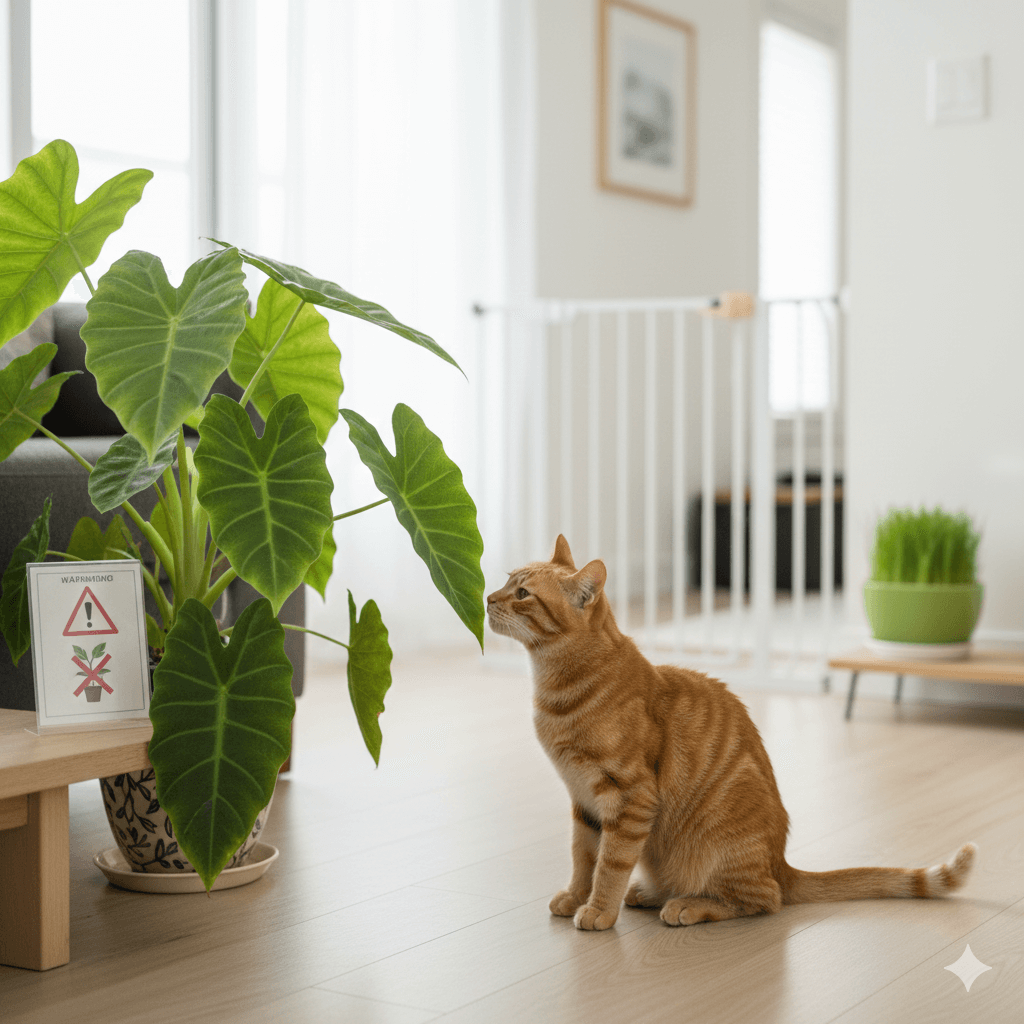

Are Elephant Ears Toxic to Cats?
If you’re a cat owner who loves lush, tropical houseplants, you’ve likely considered adding elephant ears to your collection. With their dramatic, heart-shaped leaves and bold presence, they’re undeniably striking—but they come with a serious warning for pet households. Elephant ears contain compounds that are highly irritating and potentially dangerous if ingested by cats. Even a curious nibble can trigger painful symptoms, making it essential to understand the risks before bringing this plant indoors. While not usually fatal, exposure demands prompt attention to protect your feline friend’s well-being.
Why Elephant Ears Pose a Risk to Cats
Elephant ears (plants in the Alocasia, Colocasia, and Xanthosoma genera) contain insoluble calcium oxalate crystals—sharp, needle-like structures that cause immediate tissue irritation upon contact. Cats, driven by curiosity or boredom, may chew on the leaves, unknowingly releasing these crystals into their mouth and throat. The reaction is swift and distressing, often prompting urgent veterinary care. Below are key reasons why this plant is unsafe in homes with cats:
- Calcium Oxalate Crystals:
These microscopic crystals embed in the tongue, gums, and throat, causing intense burning, swelling, and pain within minutes of ingestion. - Oral and Gastrointestinal Irritation:
Even small amounts can lead to excessive drooling, pawing at the mouth, vomiting, and difficulty swallowing. - Respiratory Distress (in Severe Cases):
Significant swelling of the airway may occur, especially if a large portion is consumed—this is a medical emergency. - Dermal and Eye Exposure:
Simply brushing against the plant or getting sap on their paws can cause skin redness; if they then groom, toxins enter the system. - Attractive to Curious Cats:
The large, floppy leaves may invite batting, chewing, or play—especially in kittens or highly inquisitive adult cats.
Because symptoms appear rapidly and are intensely uncomfortable, elephant ears should never be kept within a cat’s reach—ideally, not in the home at all.
Common Symptoms of Elephant Ear Poisoning in Cats
If your cat has interacted with an elephant ear plant, watch closely for signs of distress. Symptoms typically begin within minutes and may escalate quickly. Early recognition can make care more effective and less traumatic for your pet:
- Excessive Drooling:
One of the first signs—your cat may drool profusely due to the burning sensation in their mouth. - Pawing at the Face or Mouth:
This indicates pain or irritation as they try to soothe the discomfort from the crystals. - Vomiting or Gagging:
Attempts to expel the plant material often follow ingestion, sometimes accompanied by retching. - Loss of Appetite and Hiding:
Pain and nausea may cause your cat to refuse food and seek isolation, a common stress response. - Swelling of Lips, Tongue, or Throat:
Visible puffiness or difficulty breathing signals a serious reaction requiring immediate vet attention.
Most cases are mild to moderate, but any sign of breathing trouble warrants an emergency visit—airway obstruction is rare but possible.
Check this guide 👉Signs of Plant Poisoning in Cats: Best 7 Expert Tips!
Check this guide 👉Is Cyclamen Poisonous to Cats? Best 7 Expert Tips!
Check this guide 👉Are Veronica Plants Toxic to Cats? Best 7 Expert Tips!
Early Warning Signs | Emergency Red Flags |
|---|---|
Drooling or foaming at the mouth | Labored or noisy breathing |
Pawing at face | Swollen tongue blocking the airway |
Mild vomiting | Collapse or extreme lethargy |
Reluctance to eat | Blue-tinged gums (cyanosis) |
Rubbing eyes or face | Inability to swallow saliva |
Safe Alternatives to Elephant Ears for Cat Owners
You don’t have to sacrifice style for safety. Many non-toxic, cat-friendly plants offer similar visual drama without the danger. Choosing safer greens keeps your home both beautiful and pet-proof:
- Calathea Species:
With bold, patterned leaves and a similar tropical feel, calatheas are completely non-toxic to cats and thrive in indirect light. - Parlor Palm (Chamaedorea elegans):
This elegant, leafy palm is safe for cats and adds height and texture to indoor spaces with minimal care. - Cast Iron Plant (Aspidistra elatior):
Extremely hardy and shade-tolerant, its broad green leaves mimic elephant ears’ shape without the risk. - Boston Fern (Nephrolepis exaltata):
Lush, feathery fronds create a soft, full look—and it’s entirely safe if your cat takes a curious bite. - Ponytail Palm (Beaucarnea recurvata):
Despite its name, it’s not a true palm and is non-toxic; its unique trunk and cascading leaves add sculptural interest.
These alternatives let you enjoy a green, vibrant home while keeping your feline companion out of harm’s way.
What to Do If Your Cat Eats an Elephant Ear Plant
Accidents happen—even in the most careful homes. If you suspect your cat has chewed on or ingested any part of an elephant ear, act quickly but calmly:
- Remove Plant Debris Gently:
Wipe your cat’s mouth with a damp cloth to remove visible sap or plant particles—wear gloves to protect yourself. - Offer Fresh Water:
Encourage small sips to soothe the mouth and help flush toxins, but don’t force it if they’re gagging. - Do Not Induce Vomiting:
Vomiting can worsen irritation as the crystals pass back through the esophagus—never give home remedies like milk or hydrogen peroxide. - Call Your Vet or Pet Poison Helpline:
Contact your veterinarian or a pet poison control center (like ASPCA Animal Poison Control) immediately for guidance. - Monitor Closely for 24 Hours:
Even if symptoms seem mild, swelling can progress—watch for breathing changes, refusal to drink, or worsening drooling.
Prompt action can prevent complications and ensure your cat recovers comfortably with minimal intervention.
How to Cat-Proof Your Indoor Garden
Creating a pet-safe plant sanctuary is possible with thoughtful planning. Prevention is far easier—and kinder—than managing a poisoning incident:
- Place Toxic Plants Out of Reach:
Even high shelves aren’t safe if your cat jumps; better to avoid toxic species entirely. - Use Physical Barriers:
Plant stands with enclosed bases, hanging planters (out of swatting range), or room dividers can limit access. - Train with Deterrents:
Citrus sprays, pet-safe bitterants, or double-sided tape around pots can discourage investigation. - Provide Cat-Safe Greens:
Offer cat grass or catnip to satisfy their urge to chew on something leafy and green. - Label All Plants Clearly:
Keep a list of your houseplants and their toxicity status—update it when you bring in new ones.
A cat-proofed home doesn’t mean a plant-free home—it means making intentional, informed choices that honor both your style and your pet’s safety.
Special Considerations for Multi-Pet or High-Risk Households
If you have multiple cats, kittens, or senior pets, extra caution is essential. Vulnerable individuals may react more severely or be less able to communicate distress:
- Kittens Are at Highest Risk:
Their natural curiosity and smaller size mean even a tiny bite can cause significant symptoms—keep all toxic plants away during this exploratory stage. - Senior Cats May Hide Symptoms:
Older cats often mask pain; subtle changes in eating or grooming could signal a problem after plant exposure. - Multiple Cats Increase Risk:
If one cat interacts with a plant, others may groom them and ingest residual toxins from their fur or paws. - Cats with Preexisting Conditions:
Those with respiratory or gastrointestinal issues may experience amplified reactions to irritants. - Outdoor Access Complicates Control:
If your cat goes outside, ensure elephant ears aren’t growing in your garden or nearby yards—and supervise outdoor time.
In these scenarios, the safest policy is a strict “no elephant ears” rule—indoors or out.
When to Seek Veterinary Care
While many cases resolve with supportive care at home, professional help is crucial in certain situations. Don’t hesitate to seek vet assistance if:
- Breathing Seems Difficult:
Any wheezing, open-mouth breathing, or gasping requires immediate emergency care. - Swelling Worsens Over Time:
Facial or throat swelling that increases after 30–60 minutes may obstruct the airway. - Your Cat Refuses All Fluids:
Dehydration can set in quickly if pain prevents drinking—this is especially dangerous for small or young cats. - Vomiting Persists Beyond 2–3 Episodes:
Repeated vomiting can lead to electrolyte imbalances and further discomfort. - You’re Unsure How Much Was Ingested:
When in doubt, a vet can assess and provide pain relief, anti-inflammatories, or fluids if needed.
Veterinarians can offer comfort measures and monitor for complications—never assume it’s “just drooling” without professional evaluation.
Frequently Asked Questions About Elephant Ears and Cats
Are all elephant ear varieties toxic to cats?
Yes—whether Alocasia, Colocasia, or Xanthosoma, all contain calcium oxalate crystals and are unsafe for cats.
Can skin contact alone harm my cat?
Yes—sap on paws or fur can cause irritation, and cats may ingest it while grooming, leading to oral symptoms.
How long do symptoms last after exposure?
Most mild cases improve within 12–24 hours with supportive care, but severe swelling may take longer to resolve.
Is milk helpful if my cat eats elephant ears?
No—milk doesn’t neutralize the crystals and may upset the stomach further. Stick to water and vet advice.
Can elephant ear poisoning be fatal?
Rarely, but severe airway swelling can be life-threatening. Prompt treatment greatly reduces this risk.
Keeping Your Cat Safe Without Sacrificing Style
Your love for plants and your devotion to your cat don’t have to be in conflict—but when it comes to elephant ears, the risk simply isn’t worth it. These dramatic plants may enhance your décor, but your cat’s health and comfort are irreplaceable. By choosing non-toxic alternatives and creating a thoughtfully designed, pet-friendly green space, you protect what matters most while still enjoying the beauty of nature indoors. Remember, a safe home is the ultimate expression of care—and your cat will thank you with purrs, headbutts, and years of happy companionship.
Is Rawhide Bad for Cats? Best 7 Expert Tips! – Discover the risks, safe alternatives, and expert advice to keep your feline friend healthy and happy.

Is Rawhide Bad for Dogs? Best 7 Expert Tips! – Discover the risks, benefits, and safer alternatives to rawhides for your dog’s chewing needs.

Understanding Anorexia in Cats: Best 7 Expert Tips! – Learn why cats stop eating, spot warning signs, and discover how to help your feline regain appetite safely.

Understanding Anorexia in Dogs: Best 7 Expert Tips! – Learn causes, symptoms, and solutions to help your dog regain appetite and stay healthy.