
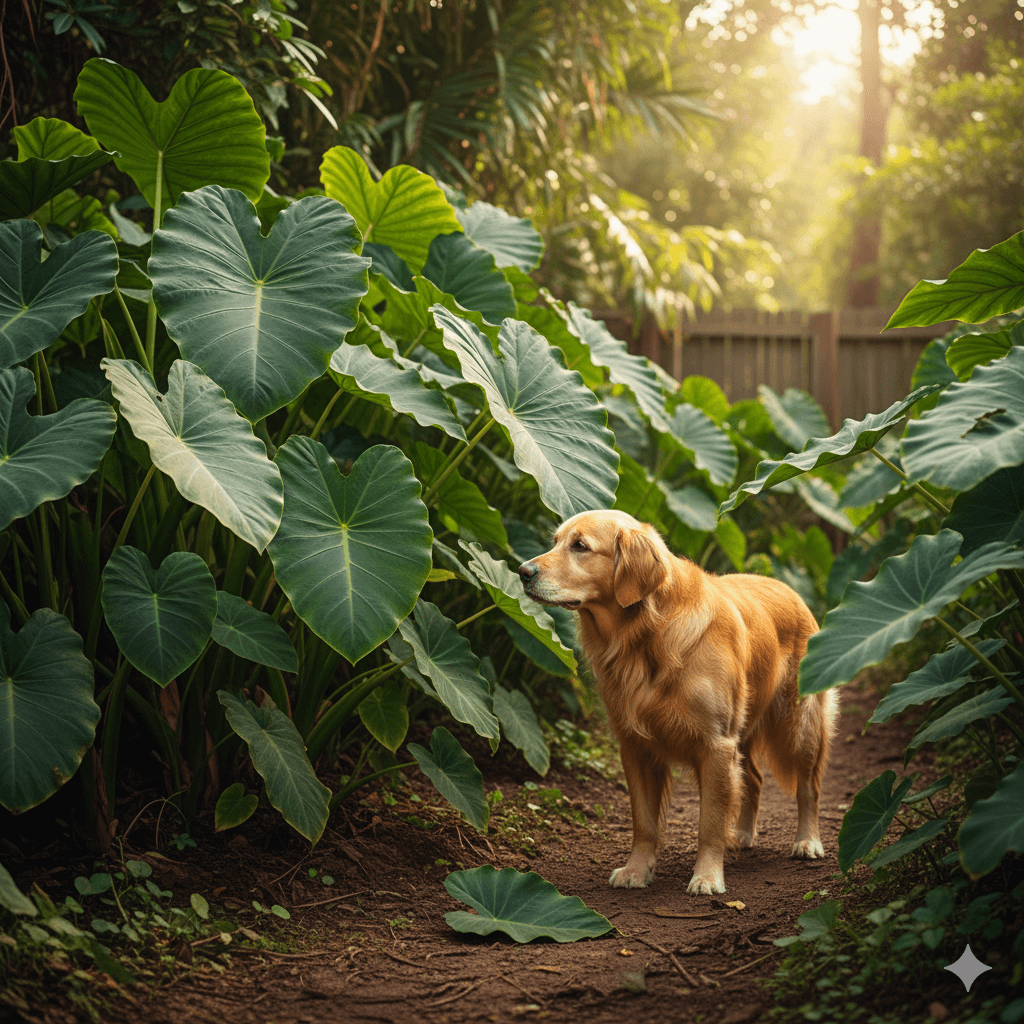

Are Elephant Ears Toxic to Dogs?
If you’ve ever admired the dramatic, tropical foliage of elephant ear plants, you might not realize they pose a serious risk to curious dogs. These popular ornamentals—often grown indoors and outdoors for their bold leaves—contain compounds that can cause intense irritation and distress if ingested. Even a small nibble can lead to drooling, swelling, or trouble breathing in dogs. Recognizing the signs of exposure and acting quickly can make all the difference. Understanding the toxicity of elephant ears is essential for any pet owner who shares their home or garden with greenery.
Common Symptoms of Elephant Ear Poisoning in Dogs
Elephant ear plants contain insoluble calcium oxalate crystals, which act like tiny needles when chewed or swallowed. These crystals embed in the mouth, throat, and digestive tract, triggering immediate and painful reactions. Symptoms typically appear within minutes of exposure and can range from mild discomfort to severe distress:
- Oral Irritation and Swelling:
Dogs often paw at their mouths, shake their heads, or whine due to burning, stinging, or swelling of the lips, tongue, and gums. - Excessive Drooling:
Profuse salivation is a common reflex as the body tries to flush out the irritating crystals from the mouth. - Difficulty Swallowing:
Swelling in the throat can make it hard for your dog to swallow, sometimes leading to gagging or retching. - Vomiting or Loss of Appetite:
If plant material is swallowed, nausea or vomiting may follow, and your dog may refuse food due to mouth pain. - Hoarse Barking or Breathing Changes:
In more severe cases, airway swelling can cause a raspy voice, wheezing, or even labored breathing—requiring emergency care.
While most cases are not fatal with prompt treatment, the discomfort is significant, and respiratory distress demands immediate veterinary attention.
Why Elephant Ears Are Dangerous: The Science Behind the Toxin
The danger lies in microscopic needle-like crystals called raphides, made of calcium oxalate, stored in specialized plant cells. When a dog bites into a leaf, these cells rupture, releasing the sharp crystals into soft tissues:
- Immediate Tissue Reaction:
The crystals pierce mucous membranes, causing intense pain, inflammation, and localized swelling—similar to swallowing ground glass. - Not Absorbed Systemically:
Unlike some plant toxins, calcium oxalate doesn’t enter the bloodstream, so organ damage is rare—but local effects can still be severe. - All Parts Are Toxic:
Leaves, stems, roots, and even the water in a vase containing cut elephant ear stems can carry enough toxin to cause symptoms. - Multiple Plant Names, Same Risk:
“Elephant ears” refer to several genera—including Alocasia, Colocasia, Caladium, and Xanthosoma—all of which contain calcium oxalate. - Repeated Exposure Risks:
Even if your dog seemed fine after a small bite once, subsequent exposure can trigger a stronger reaction due to sensitization.
This natural defense mechanism evolved to deter herbivores—but it doesn’t distinguish between deer and your beloved pet.
Check this guide 👉Dog Toxicity Treatment at Home: Best 7 Expert Tips!
Check this guide 👉Are Impatiens Toxic to Dogs? Best 7 Expert Tips!
Check this guide 👉Is Poinsettia Toxic to Dogs? Best 7 Expert Tips!
Warning Signs After Ingestion | Actions to Take Immediately |
|---|---|
Pawing at mouth or face | Rinse mouth gently with water (do not induce vomiting) |
Excessive drooling | Offer small sips of milk or water to soothe tissues |
Swollen lips or tongue | Monitor breathing closely for any changes |
Refusing food or water | Contact your vet or pet poison helpline right away |
Wheezing or coughing | Seek emergency veterinary care without delay |
Safe Alternatives to Elephant Ears for Pet Owners
You don’t have to give up lush, tropical aesthetics just because you have a dog. Many non-toxic plants offer similar visual drama without the danger:
- Calathea Species:
Known for striking leaf patterns and safe for pets, Calatheas thrive in indirect light and humid environments. - Parlor Palm (Chamaedorea elegans):
This compact palm brings height and texture indoors and is completely non-toxic to dogs and cats. - Cast Iron Plant (Aspidistra elatior):
Extremely hardy and shade-tolerant, it features broad, deep green leaves that mimic tropical foliage safely. - Ponytail Palm (Beaucarnea recurvata):
Despite its name, it’s not a true palm—but its unique shape and pet-safe status make it a great accent plant. - Boston Fern (Nephrolepis exaltata):
With feathery, arching fronds, it adds softness and thrives in hanging baskets—safe if your dog sniffs or licks it.
Choosing pet-friendly plants lets you enjoy greenery while keeping your home a safe haven for curious noses.
What to Do If Your Dog Eats an Elephant Ear Plant
Quick, calm action can minimize harm and ease your dog’s discomfort. Never wait to see if symptoms “get better”—early intervention prevents complications:
- Remove Plant Material:
Gently wipe your dog’s mouth with a damp cloth to remove any remaining plant debris and crystals. - Rinse, Don’t Induce Vomiting:
Do not give hydrogen peroxide or try to make your dog vomit—this can worsen tissue damage. Instead, flush the mouth with water or offer a small amount of milk. - Call a Professional Immediately:
Contact your veterinarian or the ASPCA Animal Poison Control Center (888-426-4435) for guidance, even if symptoms seem mild. - Monitor Closely for 24 Hours:
Watch for worsening swelling, breathing issues, or refusal to drink—these may require emergency treatment. - Keep the Plant Sample:
If possible, take a photo or bring a leaf sample to the vet to confirm the plant species and toxin involved.
Time is critical—acting within the first 30 minutes can significantly reduce your dog’s pain and recovery time.
Preventing Future Exposure in Indoor and Outdoor Spaces
Prevention is far easier than managing a poisoning emergency. A few strategic changes can eliminate access while preserving your garden’s beauty:
- Relocate or Fence Off Plants:
Move elephant ears to high shelves indoors or place them in fenced garden beds your dog can’t access. - Use Pet Deterrents:
Apply pet-safe bitter sprays to plant leaves to discourage chewing—reapply after rain or watering. - Train a “Leave-It” Command:
Consistent training helps your dog resist the urge to investigate tempting leaves, both at home and on walks. - Label All Household Plants:
Keep a list of your plants and their toxicity status—apps like ASPCA’s Toxic and Non-Toxic Plants can help identify risks. - Supervise Outdoor Time:
Especially in new environments, closely watch your dog to prevent unsupervised nibbling of unfamiliar foliage.
A little planning goes a long way in creating a pet-safe paradise—indoors and out.
Special Considerations for Puppies and Curious Breeds
Some dogs are at higher risk due to age, breed tendencies, or behavioral traits. Their natural curiosity can turn a beautiful plant into a medical emergency in seconds:
- Puppies Explore with Their Mouths:
Teething and exploration drive young dogs to chew everything—including toxic leaves—making them especially vulnerable. - High-Energy or Bored Dogs:
Breeds like Labradors, Beagles, or Terriers may chew plants out of boredom or excess energy if not mentally stimulated. - Indoor-Only Dogs with Limited Stimulation:
Without toys or interaction, a houseplant may become an enticing target for entertainment. - Dogs with Pica or Chewing Disorders:
Those who habitually eat non-food items need extra supervision and environmental management. - Small Breeds Face Greater Risk:
Due to their lower body weight, even a tiny amount of plant material can cause proportionally more severe symptoms.
For these dogs, prevention isn’t optional—it’s essential for their safety and your peace of mind.
What Veterinarians Typically Do for Calcium Oxalate Exposure
If your dog is seen by a vet after eating an elephant ear, treatment focuses on pain relief, reducing swelling, and preventing complications:
- Oral and Throat Assessment:
The vet will examine the mouth and airway for swelling, ulcers, or blockage using a light or scope if needed. - Pain Management:
Anti-inflammatory medications or antihistamines may be given to reduce discomfort and inflammation. - Intravenous Fluids:
If your dog is dehydrated from drooling or refusing water, IV fluids help restore balance and support recovery. - Airway Monitoring:
In severe cases, oxygen therapy or temporary intubation may be necessary if breathing is compromised. - Hospitalization (If Needed):
Dogs with significant swelling or respiratory signs may stay overnight for observation and supportive care.
Most dogs recover fully within 12–24 hours with proper care, but early veterinary involvement is key to a smooth outcome.
Frequently Asked Questions About Elephant Ears and Dogs
Are all elephant ear plants toxic to dogs?
Yes—whether labeled as Alocasia, Colocasia, Caladium, or Xanthosoma, all contain calcium oxalate crystals and are unsafe for dogs.
Can a dog die from eating an elephant ear?
Fatalities are extremely rare with modern veterinary care, but severe airway swelling can be life-threatening if untreated.
What if my dog only licked the plant?
Even contact with sap or a light lick can cause mild irritation—rinse the mouth and monitor for drooling or pawing.
How long do symptoms last?
Most signs peak within 1–2 hours and resolve within 12–24 hours with supportive care at home or the vet.
Is milk helpful after ingestion?
Yes—small amounts of milk can help neutralize the crystals and soothe irritated tissues, but don’t force your dog to drink.
Creating a Safe, Beautiful Home for Both Plants and Pets
Loving both your dog and your plants doesn’t mean you have to choose between them—it means making thoughtful choices that honor both. Elephant ears may be stunning, but their toxicity demands caution that many pet owners aren’t prepared for. By replacing them with safe alternatives, supervising your dog’s environment, and knowing exactly what to do in an emergency, you create a space where beauty and safety coexist. Your dog’s curiosity is a gift—it helps them explore the world—but your awareness is their greatest protection. With a little planning and the right knowledge, your home can remain a green sanctuary that’s joyful, lush, and completely safe for your furry family member.
Dog Seizure Symptoms: Best 7 Expert Tips! – Learn to spot signs, respond effectively, and manage seizures in dogs for a healthier, happier life.
Carprofen Dosage for Cats: Best 7 Expert Tips! – Learn safe dosing, risks, and alternatives to manage pain and inflammation in cats effectively.
Africanis Dog Breed: Best 7 Expert Tips! – Explore the resilience, loyalty, and adaptability of this ancient African breed, perfect for diverse lifestyles.
Cruciate Ligament Injury Symptoms in Dogs: Best 7 Tips! – Discover key signs like limping, swelling, and joint instability to ensure prompt treatment.


