
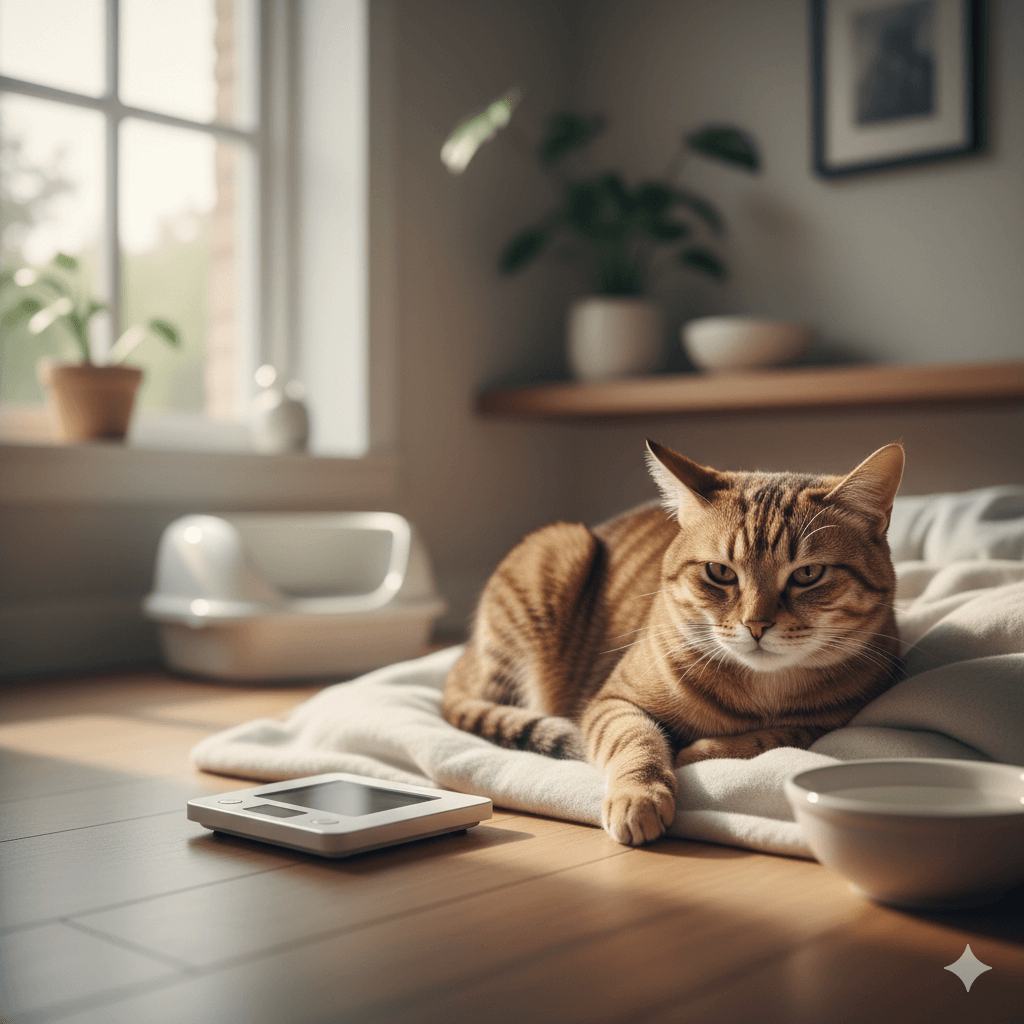

Understanding How Long Your Cat Should Have Diarrhea
Diarrhea in cats can be unsettling—but it’s not always a sign of serious illness. Occasional loose stools may resolve on their own within a day, especially if triggered by a minor dietary slip or stress. However, persistent diarrhea can lead to dehydration, nutrient loss, and underlying health issues that need attention. Knowing the typical timeline—and when to worry—helps you act quickly and confidently. While short bouts are common, anything beyond 24 to 48 hours warrants closer monitoring or a vet visit. Your cat’s age, overall health, and accompanying symptoms all influence how long diarrhea should last and when intervention is needed.
Common Causes of Short-Term Diarrhea in Cats
Most cases of acute diarrhea in cats stem from temporary triggers that resolve with minimal intervention. These causes typically produce mild symptoms that improve within a day if managed properly. Identifying the likely source can help you respond appropriately:
- Dietary Indiscretion:
Eating spoiled food, table scraps, or non-food items like plants can irritate the gut and cause sudden loose stools. - Food Transition Too Fast:
Switching cat food abruptly disrupts gut bacteria, often leading to soft stool or diarrhea for 12–24 hours. - Stress or Environmental Change:
Moving, new pets, or loud events can trigger “stress diarrhea” due to changes in gut motility and microbiome balance. - Mild Viral Infections:
Common feline viruses (like rotavirus) may cause brief gastrointestinal upset, especially in multi-cat households. - Hairballs or Occasional Grass Eating:
While often leading to vomiting, these can also result in one or two episodes of looser-than-normal stool.
In these scenarios, diarrhea usually clears up within 24 hours as the gut resets—provided your cat stays hydrated and shows no other red flags.
When Diarrhea Becomes a Concern: Warning Signs
While short bouts are often harmless, certain signs indicate your cat’s diarrhea is more than just an upset stomach. These red flags suggest infection, inflammation, or a systemic issue that needs veterinary care:
- Diarrhea Lasting More Than 48 Hours:
Persistent loose stools prevent proper nutrient absorption and increase dehydration risk, especially in kittens or seniors. - Blood or Mucus in Stool:
Bright red blood (hematochezia) or dark, tarry stool (melena) signals bleeding in the GI tract and requires immediate evaluation. - Vomiting Alongside Diarrhea:
Concurrent vomiting makes hydration difficult and may point to pancreatitis, toxin exposure, or obstruction. - Lethargy or Hiding Behavior:
A cat that stops grooming, withdraws, or seems weak is likely feeling unwell and needs medical support. - Weight Loss or Appetite Decline:
Refusing food for more than 24 hours or noticeable weight loss indicates a deeper problem beyond transient diarrhea.
If any of these signs appear—even if diarrhea seems mild—contact your veterinarian promptly to prevent complications.
Check this guide 👉Canned Pumpkin for Cat Diarrhea: Best 7 Expert Tips!
Check this guide 👉Cat Diarrhea Treatment: Best 7 Expert Tips!
Check this guide 👉Cat Parasites That Cause Diarrhea: Best 7 Expert Tips!
Normal, Temporary Diarrhea | Signs Requiring Veterinary Attention |
|---|---|
Resolves within 12–24 hours | Lasts longer than 2 days |
No change in energy or appetite | Lethargy or hiding |
Stool is soft but formed occasionally | Watery, frequent, or explosive stools |
Occurs after a known trigger (e.g., new treat) | No obvious cause or recurring episodes |
Cat remains hydrated (moist gums, normal urination) | Dry gums, sunken eyes, or reduced urination |
At-Home Care for Mild, Acute Diarrhea
If your cat’s diarrhea is brief and they’re otherwise bright and eating, you can often manage it safely at home. Supportive care focuses on rest, hydration, and gentle nutrition to help the gut recover:
- Ensure Constant Access to Fresh Water:
Diarrhea increases fluid loss—keep water bowls clean and full, or offer ice cubes to encourage sipping. - Pause Food for 12 Hours (Adults Only):
A short fast gives the digestive tract time to rest; skip this for kittens, seniors, or diabetic cats without vet guidance. - Offer a Bland Diet Gradually:
After fasting, introduce small amounts of boiled chicken (no skin or seasoning) or a vet-recommended gastrointestinal diet. - Add Probiotics Designed for Cats:
Feline-specific probiotics can help restore healthy gut flora and shorten recovery time—avoid human versions. - Limit Stress and Monitor Closely:
Keep your cat in a quiet space and track stool frequency, consistency, and behavior changes in a simple log.
With these steps, most mild cases improve within a day—but always err on the side of caution if your cat seems unwell.
Underlying Conditions That Cause Chronic Diarrhea
If diarrhea recurs or lasts more than a few days, it may signal an ongoing health issue. Chronic gastrointestinal problems often require diagnosis and long-term management to maintain your cat’s quality of life:
- Parasitic Infections:
Giardia, coccidia, or intestinal worms are common culprits, especially in outdoor or young cats—fecal tests can confirm. - Inflammatory Bowel Disease (IBD):
An immune-mediated condition causing chronic diarrhea, often paired with vomiting or weight loss despite a good appetite. - Food Allergies or Sensitivities:
Reactions to proteins like chicken or beef may manifest as intermittent diarrhea, sometimes with skin symptoms. - Hyperthyroidism or Kidney Disease:
Metabolic disorders in senior cats can alter digestion and lead to persistent loose stools. - Pancreatic or Liver Dysfunction:
These organs play key roles in digestion; their impairment often results in chronic diarrhea and poor nutrient absorption.
Recurring diarrhea should never be ignored—it’s your cat’s way of signaling that something deeper needs attention.
Special Considerations for Kittens, Seniors, and Vulnerable Cats
Young, old, or immunocompromised cats face greater risks from even mild diarrhea. Their bodies handle fluid loss and infection less effectively, making early intervention essential:
- Kittens Under 6 Months:
Dehydration can become life-threatening within hours—seek vet care for any diarrhea lasting more than 12 hours. - Senior Cats (10+ Years):
Diarrhea may mask serious conditions like cancer or organ failure; always investigate persistent cases. - Cats with Chronic Illnesses:
Those with diabetes, FIV, or kidney disease have less resilience—diarrhea can destabilize their entire health status. - Recently Adopted or Stressed Cats:
Shelter or stray cats may carry parasites or viruses that cause prolonged diarrhea after entering a new home. - Cats on Medications:
Antibiotics or NSAIDs can disrupt gut flora or irritate the intestines, leading to drug-induced diarrhea.
For these groups, “wait-and-see” is rarely safe—prompt veterinary input can be lifesaving.
What to Expect During a Veterinary Visit for Diarrhea
If diarrhea persists, your vet will work to identify the cause and provide targeted treatment. The visit typically includes several key steps to ensure an accurate diagnosis:
- Thorough History Review:
Your vet will ask about diet changes, outdoor access, litter box habits, and other symptoms to narrow possible causes. - Physical Examination:
Checking hydration, abdominal pain, temperature, and body condition helps assess severity and guide testing. - Fecal Testing:
A fresh stool sample is analyzed for parasites, bacteria, or abnormal fat levels—often the first diagnostic step. - Blood Work or Imaging:
For chronic cases, blood panels or abdominal ultrasound may reveal organ dysfunction or IBD. - Treatment Plan:
This may include dewormers, antibiotics, special diets, or fluid therapy—tailored to your cat’s specific needs.
Early veterinary involvement not only treats the symptom but uncovers hidden issues before they worsen.
Preventing Future Episodes of Diarrhea in Cats
While you can’t prevent every upset, consistent habits significantly reduce your cat’s risk of recurring diarrhea. Prevention focuses on diet stability, parasite control, and stress reduction:
- Feed a High-Quality, Consistent Diet:
Avoid frequent food changes; transition new foods over 7–10 days to protect gut health. - Keep Up with Parasite Prevention:
Use vet-approved dewormers and flea control regularly, especially for outdoor or hunting cats. - Secure Garbage and Toxins:
Keep trash, plants, and human food out of reach to prevent dietary indiscretion. - Minimize Household Stress:
Use pheromone diffusers, maintain routines, and provide safe hiding spots during changes. - Schedule Annual Wellness Checks:
Routine exams catch early signs of metabolic or digestive disorders before they cause chronic issues.
Proactive care builds a resilient digestive system—giving your cat the best chance for long-term comfort and health.
Frequently Asked Questions About Cat Diarrhea Duration
How long is too long for a cat to have diarrhea?
Diarrhea lasting more than 48 hours in an adult cat—or more than 12–24 hours in a kitten—should be evaluated by a vet.
Can I give my cat Imodium or Pepto-Bismol?
Never give human anti-diarrheal medications without veterinary approval—they can be toxic or mask serious conditions.
Is it normal for my cat to have diarrhea after deworming?
Mild, short-term diarrhea can occur as parasites die off, but it should resolve within 24 hours.
Should I withhold food if my cat has diarrhea?
For healthy adult cats, a 12-hour fast may help—but always ensure water access. Never fast kittens or sick cats.
When should I bring a stool sample to the vet?
Bring a fresh sample (collected within 4–6 hours) if diarrhea lasts over a day—it greatly aids diagnosis.
Supporting Your Cat Through Digestive Upset and Beyond
Watching your cat struggle with diarrhea can be worrying—but with calm observation and informed care, most cases resolve smoothly. The key is knowing the difference between a passing glitch and a sign of something deeper. By responding early, prioritizing hydration, and partnering with your vet when needed, you give your feline friend the best path to recovery. Remember, your cat’s digestive health reflects their overall well-being, so use this experience as a reminder to nurture consistency, prevent parasites, and honor their sensitive systems. In the quiet moments of care—offering fresh water, a soft blanket, or a gentle stroke—you reaffirm the bond that makes all the difference in their healing journey.
Is Rawhide Bad for Cats? Best 7 Expert Tips! – Discover the risks, safe alternatives, and expert advice to keep your feline friend healthy and happy.

Is Rawhide Bad for Dogs? Best 7 Expert Tips! – Discover the risks, benefits, and safer alternatives to rawhides for your dog’s chewing needs.

Understanding Anorexia in Cats: Best 7 Expert Tips! – Learn why cats stop eating, spot warning signs, and discover how to help your feline regain appetite safely.

Understanding Anorexia in Dogs: Best 7 Expert Tips! – Learn causes, symptoms, and solutions to help your dog regain appetite and stay healthy.