
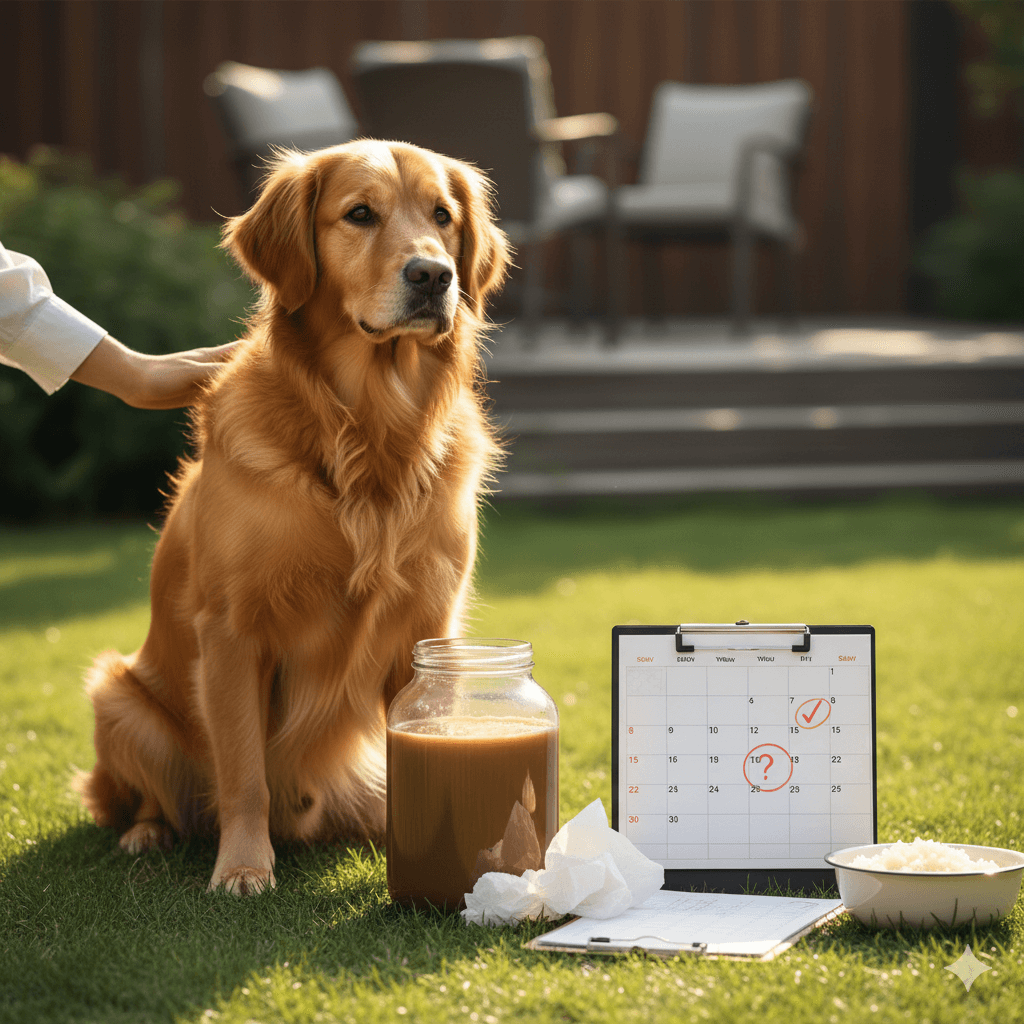

How Long Should My Dog Have Diarrhea: Best 7 Expert Tips!

How Long Should My Dog Have Diarrhea: Best 7 Expert Tips!

Understanding How Long Should My Dog Have Diarrhea

Diarrhea is a common issue many dog owners face, but knowing how long it should last—and when to worry—is crucial for your pet’s health. Most mild cases resolve within a day or two with simple at-home care, but persistent or worsening symptoms can signal something more serious. While occasional soft stool isn’t always alarming, prolonged diarrhea risks dehydration, nutrient loss, and underlying illness. Understanding the typical timeline helps you respond quickly and confidently. With the right balance of observation and action, you can support your dog through recovery while avoiding unnecessary delays in care.

Typical Duration of Mild Diarrhea in Healthy Dogs

For otherwise healthy adult dogs, mild diarrhea caused by dietary indiscretion or minor stress usually clears up quickly. The key is to monitor both duration and accompanying signs to determine whether home care is sufficient.

 
  • Up to 24 Hours Is Common:
    Occasional loose stool that resolves within a day is often the gut’s way of flushing out irritants like spoiled food or a sudden diet change.
     
  • 48 Hours as a General Limit:
    If diarrhea persists beyond two days—even if your dog seems otherwise fine—it’s time to consult your veterinarian for guidance.
     
  • Consistency Matters More Than Frequency:
    One very watery episode may be less concerning than repeated soft-but-formed stools over several days, which could indicate chronic irritation.
     
  • Puppies Need Faster Attention:
    In puppies under six months, diarrhea lasting more than 12 hours warrants a vet call due to their rapid dehydration risk.
     
  • Breed and Size Influence Risk:
    Small or toy breeds lose fluids faster, so even 18–24 hours of diarrhea should be taken seriously in these dogs.
 

Most short-term cases improve with rest, water, and a bland diet—but exceeding these timeframes means your dog needs professional evaluation.

How Long Should My Dog Have Diarrhea: Best 7 Expert Tips!

Warning Signs That Extend Beyond Normal Duration

Even if diarrhea hasn’t lasted long, certain red flags mean you shouldn’t wait for the 48-hour mark. These signs suggest infection, toxicity, or systemic illness requiring immediate action.

 
  • Blood in Stool:
    Bright red blood (hematochezia) or black, tarry stool (melena) indicates internal bleeding and needs urgent assessment.
     
  • Lethargy or Collapse:
    A dog that won’t move, seems disoriented, or barely lifts its head is in distress—don’t delay care.
     
  • Vomiting Alongside Diarrhea:
    Combined symptoms increase dehydration risk and may point to parvovirus, pancreatitis, or obstruction.
     
  • Fever or Pale Gums:
    A temperature above 103°F (39.4°C) or pale, sticky gums signal infection or poor circulation.
     
  • Refusing Water for 12+ Hours:
    Inability or unwillingness to drink dramatically worsens outcomes—especially in hot weather or active dogs.
 

If any of these appear, contact your vet immediately—duration becomes irrelevant when danger signs are present.

Expected Recovery Timeline
Signs It’s Taking Too Long
Resolves in 12–24 hours (adult dogs)
Diarrhea lasts more than 48 hours
Puppies improve within 6–12 hours
Puppies still have diarrhea after 12 hours
Stool firms up with bland diet
No improvement after 24 hours of home care
Energy returns as stool normalizes
Lethargy persists even if diarrhea stops
Appetite resumes within 1–2 days
Continued refusal to eat beyond 24 hours

Common Causes That Influence Diarrhea Duration

The underlying cause directly affects how long diarrhea lasts—and whether it will resolve on its own. Identifying potential triggers helps you anticipate recovery time and prevent recurrence.

 
  • Dietary Indiscretion:
    Eating garbage, table scraps, or non-food items usually causes 12–24 hours of upset, resolving once the irritant passes.
     
  • Viral Infections:
    Parvovirus, coronavirus, or rotavirus can cause severe, prolonged diarrhea (3–7 days) and require intensive treatment.
     
  • Parasites:
    Giardia, coccidia, or worms often lead to intermittent or chronic diarrhea that won’t clear without deworming or medication.
     
  • Stress or Anxiety:
    Kenneling, travel, or home changes may trigger 1–2 days of loose stool that stops once the dog feels secure again.
     
  • Chronic Conditions:
    Inflammatory bowel disease (IBD), food allergies, or pancreatitis cause recurring or persistent diarrhea needing long-term management.
 

Understanding the “why” behind the diarrhea helps set realistic expectations—and tells you when patience is no longer safe.

Safe At-Home Management During the First 24–48 Hours

If your dog is bright-eyed, hydrated, and only has mild diarrhea, supportive home care can aid recovery—provided you follow vet-approved guidelines.

 
  • Withhold Food Briefly:
    Fast for 12 hours (6 for puppies) to rest the gut, but offer small sips of water or ice chips every 15–20 minutes.
     
  • Introduce Bland Diet Slowly:
    After fasting, feed boiled chicken and white rice in small portions 3–4 times daily for 2–3 days.
     
  • Add Probiotics:
    Vet-recommended canine probiotics can help restore healthy gut flora and shorten recovery time.
     
  • Limit Activity:
    Keep walks short and avoid play until stools firm up—rest supports healing.
     
  • Monitor Closely:
    Track stool frequency, color, and consistency in a notebook to share with your vet if symptoms persist.
 

Home care works best when symptoms are mild—but always have your vet’s number ready in case things change.

Prevention Strategies to Reduce Future Episodes

Reducing the frequency and severity of diarrhea starts with consistent daily habits that support digestive resilience over time.

 
  • Feed a High-Quality, Consistent Diet:
    Avoid frequent brand changes or table scraps; transition foods gradually over 5–7 days.
     
  • Secure Trash and Toxins:
    Use dog-proof bins and keep countertops clear to prevent scavenging.
     
  • Schedule Regular Fecal Exams:
    Even asymptomatic dogs should have stool checks 1–2 times yearly to catch parasites early.
     
  • Keep Vaccinations Up to Date:
    Core vaccines (especially parvo) prevent life-threatening viral causes of prolonged diarrhea.
     
  • Manage Stress Proactively:
    Use calming aids during vet visits, storms, or travel to minimize gut disruption from anxiety.
 

Prevention isn’t just about avoiding mess—it’s about protecting your dog’s long-term digestive health and comfort.

Special Considerations for Puppies, Seniors, and High-Risk Dogs

Vulnerable dogs have less margin for error—what’s minor in a healthy adult can become critical in at-risk groups.

 
  • Puppies Under 6 Months:
    Their immune systems are immature; diarrhea beyond 12 hours can lead to rapid dehydration and electrolyte imbalance.
     
  • Senior Dogs (7+ Years):
    Underlying kidney, liver, or endocrine issues may present as diarrhea—never assume it’s “just a stomach bug.”
     
  • Dogs with Chronic Illness:
    Those with diabetes, Cushing’s, or IBD need immediate vet guidance at the first sign of loose stool.
     
  • Brachycephalic Breeds:
    Bulldogs, Pugs, and others may struggle to hydrate properly due to breathing issues, worsening diarrhea outcomes.
     
  • Toy Breeds (Under 10 lbs):
    Their tiny bodies lose fluids quickly—monitor hydration closely and seek help early.
 

For these dogs, “wait and see” is rarely safe. When in doubt, call your vet sooner rather than later.

When to Call the Vet: Clear Decision Guidelines

Knowing exactly when to seek help removes guesswork during stressful moments. Use these evidence-based thresholds to guide your call.

 
  • Diarrhea Lasts More Than 48 Hours in Adults:
    Even without other symptoms, prolonged diarrhea warrants evaluation.
     
  • Any Diarrhea in Puppies Beyond 12 Hours:
    Their small size demands faster intervention.
     
  • Multiple Episodes of Watery Stool in One Day:
    This increases dehydration risk significantly.
     
  • Diarrhea After Vaccines or New Medication:
    Could indicate an adverse reaction needing adjustment.
     
  • History of Pancreatitis, IBD, or Sensitive Stomach:
    These dogs often need early treatment to prevent flare-ups.
 

A quick vet call can provide peace of mind—or prevent a minor issue from becoming an emergency.

Frequently Asked Questions About How Long Should My Dog Have Diarrhea

How long is too long for a dog to have diarrhea?

In adult dogs, more than 48 hours is too long. In puppies, more than 12 hours warrants concern.

Yes—plain boiled chicken (no skin or seasoning) and white rice is a safe, gentle bland diet for short-term use.

No—hydration is critical. Offer small, frequent amounts to avoid triggering vomiting.

Occasional soft stool isn’t unusual, but recurring diarrhea (even if intermittent) suggests an underlying issue like food sensitivity or parasites.

Yes—stress alters gut motility and flora, potentially causing diarrhea that lasts 1–3 days after the trigger event.

Supporting Your Dog Through Digestive Upsets with Confidence

Diarrhea is never fun—but with knowledge, calm observation, and timely action, most dogs recover quickly and fully. Trust your instincts: if your dog seems “off” or the timeline feels wrong, don’t hesitate to reach out to your veterinarian. Your attentiveness is their greatest protection. By combining smart prevention, gentle home care, and professional guidance when needed, you create a foundation of digestive wellness that supports your dog’s overall health for years to come. Remember, every bout of loose stool is a message from your dog’s body—listen closely, respond with care, and never underestimate the power of your steady presence during recovery.

Is Rawhide Bad for Cats? Best 7 Expert Tips!

Is Rawhide Bad for Cats? Best 7 Expert Tips! – Discover the risks, safe alternatives, and expert advice to keep your feline friend healthy and happy.

Is Rawhide Bad for Dogs? Best 7 Expert Tips!

Is Rawhide Bad for Dogs? Best 7 Expert Tips! – Discover the risks, benefits, and safer alternatives to rawhides for your dog’s chewing needs.

Understanding Anorexia in Cats: Best 7 Expert Tips!

Understanding Anorexia in Cats: Best 7 Expert Tips! – Learn why cats stop eating, spot warning signs, and discover how to help your feline regain appetite safely.

Understanding Anorexia in Dogs: Best 7 Expert Tips!

Understanding Anorexia in Dogs: Best 7 Expert Tips! – Learn causes, symptoms, and solutions to help your dog regain appetite and stay healthy.

Leave a Reply

Your email address will not be published. Required fields are marked *