
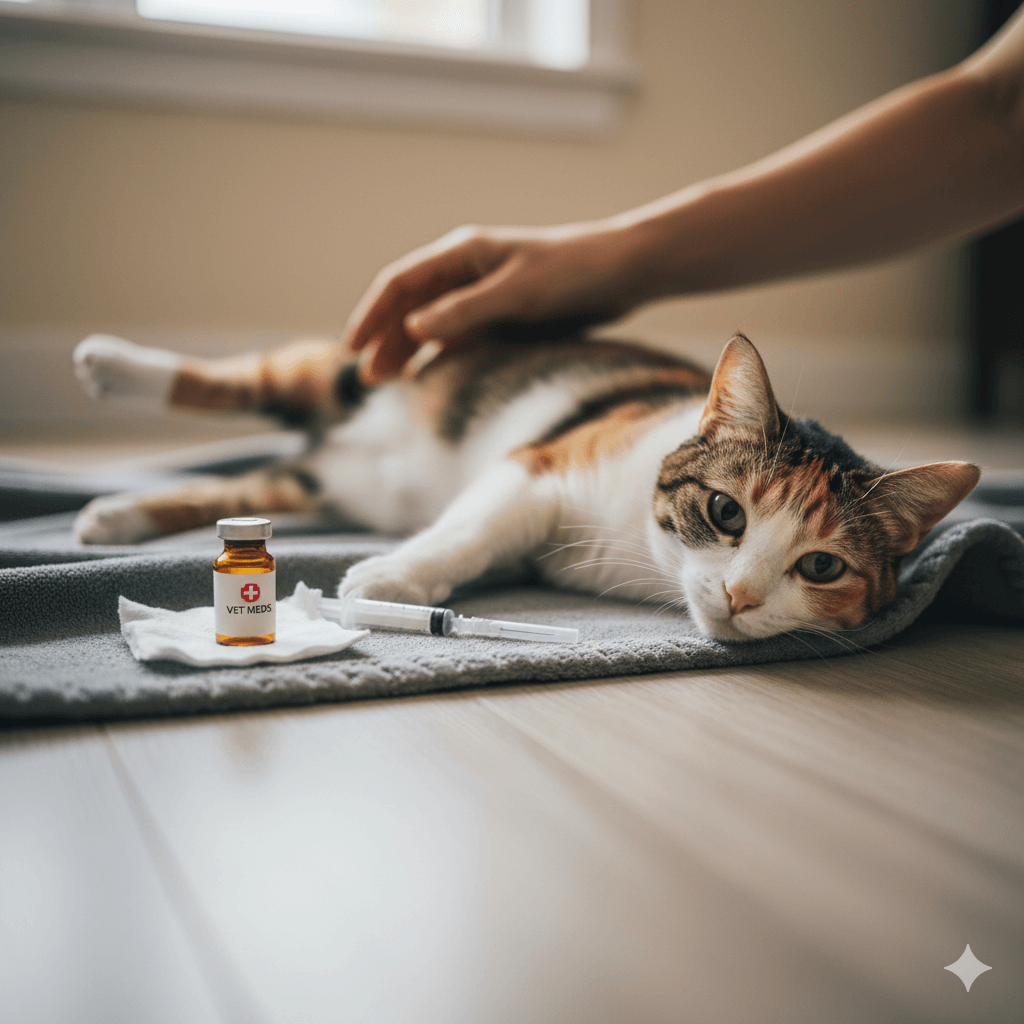

Understanding Cat Temporary Paralysis: Best 7 Expert Tips!
If your cat suddenly can’t move its legs, seems unsteady, or drags its hindquarters, you may be witnessing a distressing episode of temporary paralysis. While alarming, this condition can stem from various causes—some urgent, others treatable with prompt care. Recognizing early signs and acting quickly can make a significant difference in your cat’s recovery and long-term mobility. Most importantly, temporary paralysis is often a symptom, not a diagnosis, which means identifying the root cause is essential. With compassion, vigilance, and expert guidance, many cats regain full function and return to their curious, graceful selves.
Common Signs of Temporary Paralysis in Cats
Temporary paralysis—also called paresis (weakness) or ataxia (loss of coordination)—can appear suddenly and vary in severity. It often affects the hind legs but may involve the whole body. Watch for these key signs that signal your cat may be experiencing a neurological or circulatory issue:
- Inability to Stand or Walk:
Your cat may collapse, stumble, or drag its back legs while trying to move, sometimes appearing “drunk” or unbalanced. - Cold or Pale Paws:
Especially in cases of aortic thromboembolism (saddle thrombus), the hind paws may feel icy and appear bluish due to poor blood flow. - Vocalizing in Pain:
Sudden paralysis is often painful—your cat may cry out, pant, or seem anxious when touched or moved. - Loss of Bladder or Bowel Control:
Some cats may urinate or defecate involuntarily during or after the episode due to nerve disruption. - Rapid Breathing or Distress:
If the paralysis stems from heart disease or a clot, your cat may breathe faster, hide, or seem unusually agitated.
Even if symptoms seem to improve within minutes or hours, always treat temporary paralysis as a medical emergency until proven otherwise by a vet.
Underlying Causes That Trigger Temporary Paralysis
Paralysis in cats rarely happens without a reason. Understanding potential causes helps you respond appropriately and advocate for the right diagnostics:
- Aortic Thromboembolism (Saddle Thrombus):
A blood clot from underlying heart disease blocks blood flow to the hind legs—this is the most common and urgent cause in adult cats. - Spinal Cord Injury:
Falls, accidents, or even rough handling can bruise or compress the spine, leading to sudden loss of function. - Infections or Inflammation:
Conditions like meningitis, toxoplasmosis, or feline infectious peritonitis (FIP) can affect the nervous system and cause paralysis. - Toxin Exposure:
Ingestion of lilies, certain medications, pesticides, or heavy metals may lead to neurological symptoms including temporary paralysis. - Hypokalemia (Low Potassium):
Especially in cats with chronic kidney disease, dangerously low potassium levels can cause muscle weakness or collapse.
Identifying the true cause often requires blood tests, X-rays, ultrasound, or advanced imaging—never assume it will “pass on its own.”
Check this guide 👉Siamese Cat Neurological Problems: Best 7 Expert Tips!
Check this guide 👉Mitral Valve Disease in Cats: Best 7 Expert Tips!
Check this guide 👉Understanding Blastomycosis in Cats: Best 7 Expert Tips!
Emergency Red Flags | Manageable but Still Serious |
|---|---|
Sudden hind leg collapse with cold paws | Gradual weakness over days |
Loud vocalization and panting | Mild wobbliness after jumping |
No response to touch in legs | Occasional stumbling on stairs |
Rapid breathing and hiding | Temporary limp after minor fall |
Loss of bladder control | Brief disorientation followed by recovery |
What to Do Immediately If Your Cat Shows Paralysis
Time is critical when paralysis strikes. Your actions in the first 30 minutes can impact diagnosis, pain management, and outcome:
- Stay Calm and Minimize Movement:
Gently wrap your cat in a towel or blanket to prevent further injury and reduce stress during transport. - Check Paw Temperature and Gum Color:
Cold hind paws and pale or bluish gums suggest a clot—note this for your vet immediately. - Do Not Give Human Medications:
Never administer aspirin, ibuprofen, or sedatives—they can be fatal to cats and interfere with treatment. - Call Your Vet En Route:
Alert the clinic ahead of time so they can prepare for an emergency neurological or cardiac workup. - Avoid Feeding or Watering:
If sedation or surgery is needed, an empty stomach is safer—skip food and water until evaluated.
Quick, thoughtful action gives your cat the best chance at recovery, even in the most frightening scenarios.
Diagnostic Process and Veterinary Treatment Options
Once at the clinic, your vet will work swiftly to determine the cause and start life-saving care. Expect a thorough, multi-step evaluation:
- Physical and Neurological Exam:
Your vet will test reflexes, pain response, limb temperature, and coordination to localize the problem. - Heart Ultrasound (Echocardiogram):
Crucial if a saddle thrombus is suspected, as over 90% of these cases stem from undiagnosed heart disease. - Blood and Urine Tests:
These check for kidney disease, electrolyte imbalances, infection, or toxin exposure. - Pain Management and Supportive Care:
Even if the cause is unclear, vets prioritize comfort—often using injectable pain relief and oxygen therapy. - Clot-Dissolving or Anticoagulant Therapy (If Applicable):
While risky, some cats benefit from blood thinners or clot-busting drugs under close monitoring.
Treatment depends entirely on the diagnosis—but early intervention significantly improves prognosis, especially for non-cardiac causes.
Recovery and Home Care After a Paralysis Episode
If your cat survives the initial crisis, recovery at home requires patience, safety adjustments, and close observation:
- Create a Safe, Confined Space:
Use a large crate or small room with soft bedding, easy access to food/water, and a low-sided litter box. - Assist with Mobility as Needed:
Support your cat’s hips gently when walking, or use a sling if recommended by your vet or rehab therapist. - Monitor Urination and Defecation:
Ensure your cat empties its bladder regularly—urinary retention can lead to infection or kidney damage. - Follow Medication Instructions Exactly:
Whether it’s heart meds, pain relief, or potassium supplements, consistency is vital for healing. - Attend All Follow-Up Appointments:
Repeat ultrasounds, blood work, or neuro checks help track progress and adjust treatment plans.
Recovery can take days to weeks—and some cats regain near-full function, while others adapt to lasting changes with love and support.
Preventing Future Episodes of Temporary Paralysis
While not all causes are preventable, proactive care reduces risk—especially for cats with known conditions:
- Regular Senior Wellness Exams:
Annual (or biannual for seniors) check-ups with blood work can catch heart or kidney disease early. - Heart Screening for At-Risk Cats:
Breeds like Maine Coons or Ragdolls should have baseline echocardiograms, even if asymptomatic. - Keep Toxins Out of Reach:
Lilies, antifreeze, human meds, and rodenticides should be stored securely—many are deadly in tiny amounts. - Maintain Healthy Weight and Diet:
Obesity worsens heart strain; kidney-friendly diets help manage electrolyte balance in older cats. - Know the Signs of Heart Disease:
Subtle clues like decreased activity, faster breathing at rest, or hiding can precede a paralysis crisis.
Prevention isn’t about fear—it’s about giving your cat the longest, healthiest, and most comfortable life possible.
Special Considerations for Senior Cats and High-Risk Breeds
Older cats and certain breeds face higher odds of conditions that lead to paralysis. Tailored care is essential for these vulnerable groups:
- Senior Cats Over Age 8:
Most cases of saddle thrombus occur in cats 8+, often with silent heart disease—never dismiss “just slowing down” as normal aging. - Maine Coons and Ragdolls:
These breeds have genetic predispositions to hypertrophic cardiomyopathy (HCM), the leading cause of blood clots. - Cats with Chronic Kidney Disease (CKD):
Hypokalemia and hypertension in CKD increase paralysis risk—regular potassium and blood pressure checks are crucial. - Indoor-Only Cats:
While safer from trauma, they’re not immune—heart disease and toxins can affect any cat, regardless of lifestyle. - Cats with Prior Episodes:
Those who’ve had one clot are at high risk for recurrence—lifelong cardiac meds and monitoring are often needed.
For these cats, vigilance isn’t optional—it’s an act of love that can prevent future emergencies.
Frequently Asked Questions About Cat Temporary Paralysis
Can temporary paralysis in cats go away on its own?
Sometimes mild weakness improves, but true paralysis usually signals a serious issue that requires veterinary diagnosis—never assume it will resolve alone.
How long does recovery take after a saddle thrombus?
If the cat survives the first 48 hours, partial recovery may begin in 3–7 days, but full function is rare; many face permanent deficits or recurrence.
Is temporary paralysis always fatal?
No—while saddle thrombus has a poor prognosis, other causes like spinal inflammation, low potassium, or minor trauma can lead to full recovery with treatment.
Can stress cause my cat to become temporarily paralyzed?
Stress alone doesn’t cause paralysis, but it can worsen underlying heart disease, potentially triggering a clot in predisposed cats.
Should I consider euthanasia if my cat is paralyzed?
This is deeply personal. Discuss pain levels, quality of life, prognosis, and home care needs openly with your vet—many cats adapt well with support.
Supporting Your Cat Through Crisis and Recovery
Seeing your cat unable to walk or crying in pain is one of the most heartbreaking experiences a pet owner can face. Yet in that moment of fear, your calm presence becomes their anchor. Temporary paralysis is often a wake-up call—a sign that your cat needs deeper medical attention, not just symptom relief. By acting quickly, advocating fiercely, and providing loving aftercare, you give your feline companion the best possible chance to heal. Whether recovery is full or partial, your cat will sense your devotion. And in the quiet moments of nursing, bonding, and patience, you’ll both discover new depths of trust. Remember: even when they can’t walk, your love carries them forward.
Can I Give My Cat Midol? Best 7 Expert Tips! – Learn the risks, symptoms, and safe alternatives to keep your cat healthy and avoid toxic reactions.
Can I Give My Dog Midol? Best 7 Expert Tips! – Discover the risks, safe alternatives, and expert advice to keep your dog safe from accidental poisoning.

Maximum Weight for Cats on Planes: Best 7 Expert Tips! – Learn airline policies, tips to stay compliant, and ensure safe travels for your feline friend.

Max Weight for Dogs on Planes: Best 7 Expert Tips! – Discover airline weight limits, safe travel tips, and solutions for flying with your dog stress-free.