
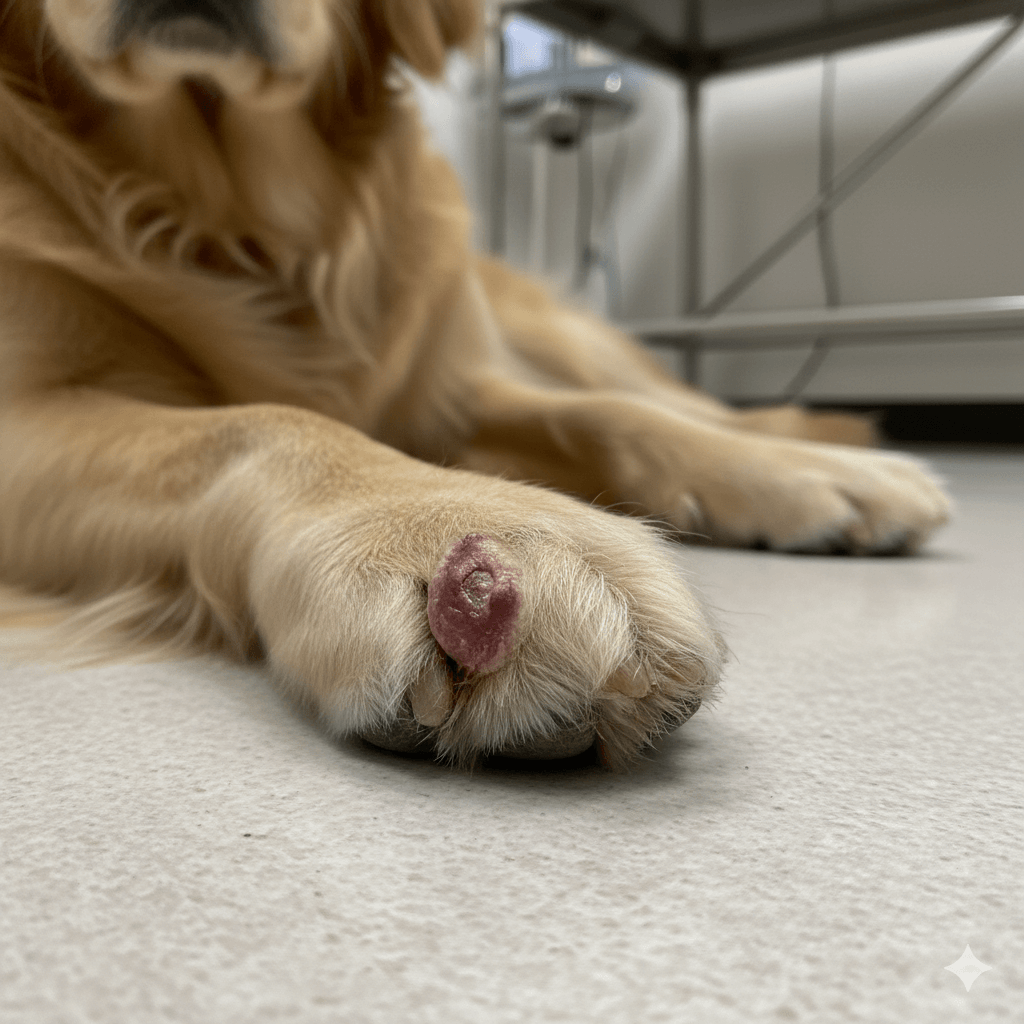

Mast Cell Tumor in a Dogs Paw: Best 7 Expert Tips!

Mast Cell Tumor in a Dogs Paw: Best 7 Expert Tips!

Understanding Mast Cell Tumor in a Dogs Paw

Discovering a lump on your dog’s paw can be alarming—especially when it’s diagnosed as a mast cell tumor, one of the most common skin cancers in canines. These tumors can appear anywhere, but paws pose unique challenges due to constant movement, pressure, and limited tissue for clean surgical removal. Early detection and prompt veterinary care are vital for the best outcome. While the diagnosis sounds serious, many mast cell tumors in the paw are treatable when caught early. Knowing what to look for and how to respond can make all the difference in your dog’s recovery and long-term health.

Common Signs of a Mast Cell Tumor on a Dog’s Paw

Mast cell tumors (MCTs) on the paw often mimic harmless lumps or injuries, which can delay diagnosis. Because dogs walk and dig with their paws, irritation can cause swelling or redness that masks the true issue. Watch closely for these subtle but telling signs:

 
  • Persistent or Changing Lump:
    A bump that grows quickly, shrinks and returns, or changes texture (soft to firm) is a classic red flag for mast cell activity.
     
  • Redness, Swelling, or Itching:
    Mast cells release histamine, which can cause localized inflammation—your dog may lick, chew, or favor the affected paw.
     
  • Ulceration or Bleeding:
    The skin over the tumor may break open, especially if your dog licks it, leading to slow-healing sores or minor bleeding.
     
  • Limping or Reluctance to Bear Weight:
    Pain or discomfort from the tumor can cause noticeable lameness, even if no visible wound is present.
     
  • “Darier’s Sign” – Swelling After Touch:
    Gently pressing the lump may cause it to swell or flare up within minutes—a telltale reaction of mast cell degranulation.
 

While not every paw lump is cancerous, any persistent or reactive mass warrants veterinary evaluation to rule out MCT or other serious conditions.

Mast Cell Tumor in a Dogs Paw: Best 7 Expert Tips!

Why Paw Tumors Require Special Attention

Tumors on the paw are trickier to manage than those on the torso or limbs due to anatomy and function. The skin is tight, bones are close to the surface, and movement is constant—all of which complicate treatment and healing:

 
  • Limited Surgical Margins:
    Paws have little extra skin, making wide excision (needed for clean tumor removal) difficult without amputation or skin grafts.
     
  • High Risk of Trauma:
    Daily walking, scratching, or digging can irritate the tumor, triggering histamine release and worsening inflammation.
     
  • Delayed Diagnosis:
    Owners often mistake paw tumors for insect bites, cysts, or thorns, leading to weeks of mismanagement before a vet visit.
     
  • Lymphatic Drainage Concerns:
    Tumors on the paw can spread to regional lymph nodes (like the popliteal or inguinal nodes), requiring staging tests.
     
  • Breed Predispositions:
    Boxers, Bulldogs, Boston Terriers, and Labrador Retrievers are at higher risk—paw tumors in these breeds should never be ignored.
 

Because of these challenges, early intervention and a thorough diagnostic plan are essential for the best prognosis.

Early Detection Clues
Advanced Concerns to Monitor
Small, firm lump on toe or pad
Rapid growth or multiple lumps
Occasional licking of one paw
Persistent limping or pain
Mild swelling after walks
Ulceration that won’t heal
Lump that seems “itchy”
Swollen lymph nodes nearby
Temporary improvement with antihistamines
Loss of appetite or lethargy

Diagnostic Steps Your Vet Will Take

If a mast cell tumor is suspected, your veterinarian will follow a careful protocol to confirm the diagnosis and determine severity. Accurate grading and staging guide treatment and predict outcomes:

 
  • Fine Needle Aspirate (FNA):
    A quick, minimally invasive test where cells are extracted with a needle and examined under a microscope for mast cells.
     
  • Biopsy and Histopathology:
    If FNA is inconclusive or surgery is planned, a tissue sample is sent to a lab to determine tumor grade (I, II, or III).
     
  • Staging Tests:
    Blood work, abdominal ultrasound, and lymph node aspirates help assess whether the cancer has spread beyond the paw.
     
  • Imaging (X-rays or MRI):
    These may be used to evaluate bone involvement or deep tissue extension, especially if amputation is being considered.
     
  • Special Stains or Genetic Testing:
    In high-grade cases, tests like c-KIT mutation analysis can guide targeted therapy options.
 

A full workup ensures your dog receives the most precise and effective treatment plan tailored to their specific tumor.

Treatment Options for Mast Cell Tumors on the Paw

Treatment depends on tumor grade, location, size, and whether it has spread. The goal is complete removal while preserving limb function and quality of life:

 
  • Surgical Excision:
    Wide-margin surgery is ideal, but on the paw, this may mean toe amputation or partial foot reconstruction.
     
  • Radiation Therapy:
    Used when clean margins aren’t possible, radiation can control local tumor growth with minimal side effects.
     
  • Chemotherapy or Targeted Drugs:
    For high-grade or metastatic tumors, medications like Palladia (toceranib) or Kinavet may be recommended.
     
  • Antihistamines and Stomach Protectants:
    Even before surgery, vets often prescribe famotidine or omeprazole to counter histamine-related stomach ulcers.
     
  • Palliative Care for Advanced Cases:
    If the tumor is inoperable, comfort-focused care with pain management and anti-inflammatory support improves well-being.
 

Many dogs with low-grade paw MCTs live full, active lives after appropriate treatment—especially when addressed early.

Post-Treatment Care and Monitoring

Recovery after paw tumor treatment requires patience, hygiene, and vigilance to prevent complications and detect recurrence:

 
  • Wound Protection:
    Use a cone or recovery suit to stop licking; keep bandages clean and dry if applied after surgery.
     
  • Pain and Medication Management:
    Follow your vet’s instructions for pain relievers, antihistamines, and any prescribed cancer medications.
     
  • Restricted Activity:
    Limit running, jumping, or rough play for 2–4 weeks to allow proper healing of paw tissue or surgical sites.
     
  • Regular Rechecks:
    Schedule follow-up visits every 3–6 months, including lymph node palpation and possible repeat imaging.
     
  • Home Surveillance:
    Check all paws weekly for new lumps, swelling, or changes—mast cell tumors can recur or appear elsewhere.
 

Consistent aftercare significantly boosts your dog’s comfort and long-term survival odds.

Prevention and Risk Reduction Strategies

While you can’t prevent all cancers, certain steps may lower your dog’s risk or catch issues sooner, especially in predisposed breeds:

 
  • Monthly Paw Inspections:
    During grooming or cuddle time, gently feel between toes, pads, and nail beds for any new lumps or sores.
     
  • Avoid Chronic Irritation:
    Keep nails trimmed, remove burrs promptly, and use pet-safe paw balms to prevent cracks that invite inflammation.
     
  • Healthy Immune Support:
    A balanced diet, regular exercise, and vet-approved supplements (like omega-3s or antioxidants) support overall resilience.
     
  • Early Spay/Neuter Considerations:
    While not directly linked to MCT, some studies suggest hormonal factors may influence cancer risk—discuss timing with your vet.
     
  • Choose Reputable Breeders:
    If getting a high-risk breed, ask about health testing and family history of cancer to reduce genetic vulnerabilities.
 

Prevention is about awareness, not guarantees—your attentive care is your dog’s best defense.

What to Expect Long-Term After Diagnosis

The long-term outlook for a mast cell tumor on the paw varies widely based on grade and treatment success. Low-grade (Grade I) tumors often have excellent prognoses, while high-grade (Grade III) require ongoing management:

 
  • Grade I Tumors:
    With complete removal, many dogs are cured and live normal lifespans with no further treatment.
     
  • Grade II Tumors:
    May recur locally or spread; 50–75% survive 1–2 years with appropriate therapy and monitoring.
     
  • Grade III Tumors:
    Aggressive and fast-spreading; survival is often measured in months, though targeted therapies can extend quality time.
     
  • Recurrence Risk:
    Up to 20–40% of dogs develop new mast cell tumors elsewhere, so lifelong vigilance is key.
     
  • Quality of Life Focus:
    Regardless of prognosis, modern veterinary oncology prioritizes comfort, function, and meaningful time with family.
 

Open communication with your vet or oncologist helps you make informed, loving decisions at every stage.

Frequently Asked Questions About Mast Cell Tumor in a Dog’s Paw

Can a mast cell tumor on the paw look like a bug bite?

Yes—many owners mistake early MCTs for insect stings, cysts, or minor wounds due to redness, swelling, and itching.

Not always. Toe amputation is common for localized tumors, but limb-sparing surgery or radiation may be options in select cases.

They can cause discomfort, especially if ulcerated, inflamed, or pressing on nerves—pain management is a key part of care.

No—they help manage symptoms like itching and stomach issues but do not treat the tumor itself.

Growth varies: some stay small for months, while others double in size within days. Sudden changes warrant immediate vet attention.

Supporting Your Dog Through Diagnosis and Beyond

A mast cell tumor diagnosis on your dog’s paw can feel overwhelming—but you’re not alone, and your dog isn’t without hope. With modern diagnostics, tailored treatments, and your unwavering love, many dogs continue to walk, play, and wag their tails long after surgery or therapy. The journey may require patience, tough decisions, and extra cuddles, but your presence is the greatest comfort your dog can have. By staying informed, acting early, and partnering with your veterinary team, you give your loyal companion the best possible chance at healing—and more precious moments by your side.

Pemphigus Erythematosus in Cats: Best 7 Expert Tips!

Pemphigus Erythematosus in Cats: Best 7 Expert Tips! – Learn to recognize symptoms, manage flare-ups, and improve your cat’s quality of life.

Pemphigus Erythematosus in Dogs: Best 7 Expert Tips!

Pemphigus Erythematosus in Dogs: Best 7 Expert Tips! – Discover causes, symptoms, and treatment options to manage this autoimmune skin condition effectively.

Cat Tympanic Membrane: Best 7 Expert Tips!

Cat Tympanic Membrane: Best 7 Expert Tips! – Learn how to protect your cat’s eardrum, spot issues early, and ensure lifelong auditory health.

Dog Tympanic Membrane: Best 7 Expert Tips!

Dog Tympanic Membrane: Best 7 Expert Tips! – Learn how to protect your dog’s eardrum, spot issues early, and ensure lifelong ear health with expert advice.

Leave a Reply

Your email address will not be published. Required fields are marked *

Post Category


