
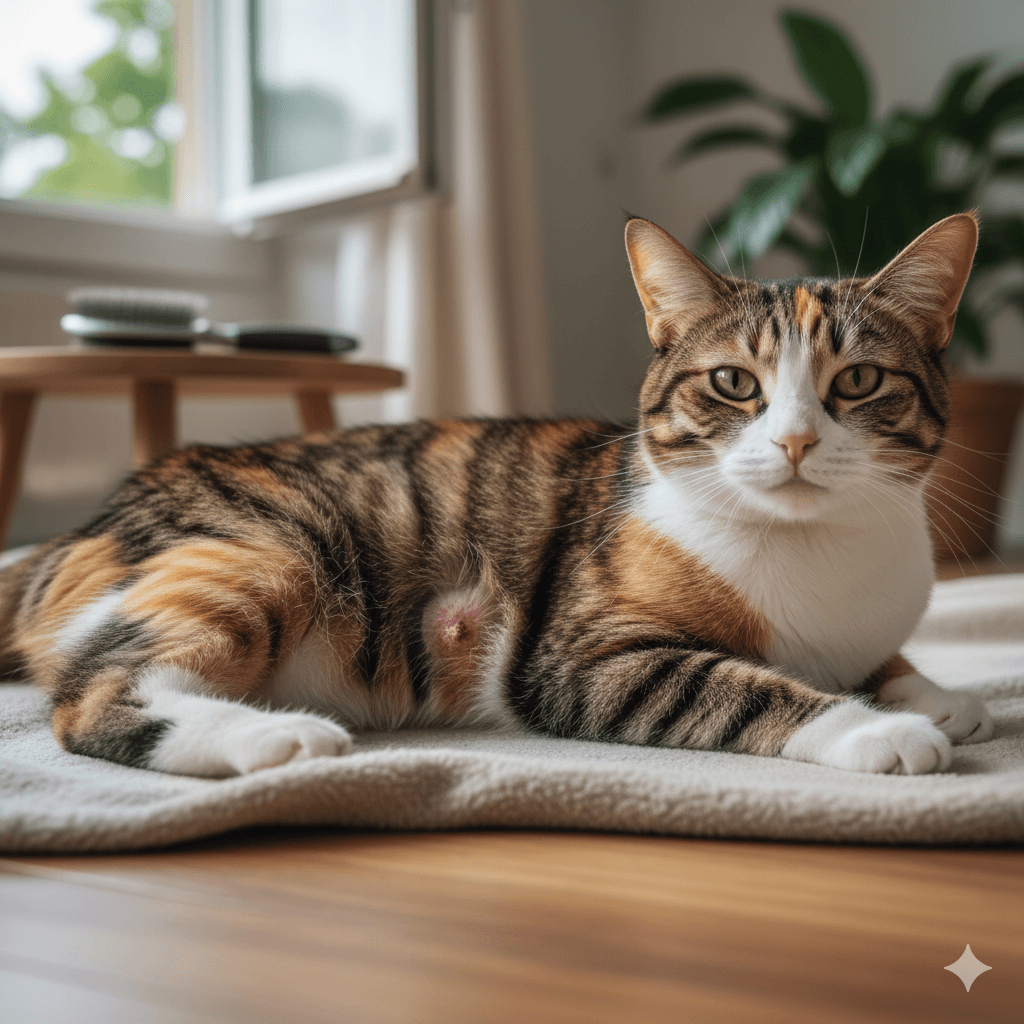

Why Does My Cat Keep Getting Skin Infections: Best 7 Tips!

Why Does My Cat Keep Getting Skin Infections: Best 7 Tips!

Understanding Why Does My Cat Keep Getting Skin Infections

Recurrent skin infections in cats can be frustrating and concerning for any pet owner. While occasional itching or minor irritation might seem normal, repeated infections often signal an underlying issue that needs attention. Whether it’s allergies, parasites, or a weakened immune system, identifying the root cause is essential to breaking the cycle. With the right insight and care, you can help your cat achieve healthier skin and lasting comfort. Let’s explore the most common reasons behind these persistent flare-ups—and what you can do about them.

Common Causes of Recurrent Skin Infections in Cats

Frequent skin infections rarely happen in isolation—they’re usually red flags pointing to deeper health or environmental factors. Understanding these triggers is the first step toward long-term relief for your feline friend:

 
  • Allergic Reactions:
    Food sensitivities, environmental allergens (like pollen or dust mites), or reactions to flea saliva can inflame the skin and create openings for bacteria or yeast.
     
  • Parasite Infestations:
    Fleas, mites (such as ear mites or mange), and lice cause intense scratching that breaks the skin barrier, inviting secondary infections.
     
  • Underlying Immune Disorders:
    Conditions like feline immunodeficiency virus (FIV), feline leukemia (FeLV), or chronic stress can suppress immune function, making infections more likely and harder to resolve.
     
  • Poor Grooming Habits:
    Overweight, senior, or arthritic cats may struggle to groom properly, leading to matted fur, skin folds that trap moisture, and bacterial overgrowth.
     
  • Bacterial or Yeast Overgrowth:
    Normal skin flora like Staphylococcus or Malassezia can multiply uncontrollably when the skin’s balance is disrupted—often after steroid use or repeated antibiotic courses.
 

Addressing the primary trigger—not just the surface infection—is key to preventing the same problem from returning again and again.

Why Does My Cat Keep Getting Skin Infections: Best 7 Tips!

Hidden Health Conditions That Predispose Cats to Skin Issues

Sometimes, the skin is merely reflecting a systemic problem brewing beneath the surface. These internal or chronic conditions often go unnoticed until skin infections become a recurring pattern:

 
  • Diabetes Mellitus:
    High blood sugar impairs healing and creates a favorable environment for yeast and bacteria to thrive on the skin.
     
  • Hyperthyroidism:
    This common condition in older cats can cause thinning hair, oily skin, and increased susceptibility to infection due to metabolic imbalance.
     
  • Feline Eosinophilic Granuloma Complex (EGC):
    An immune-mediated disorder that causes ulcers, plaques, or swollen lesions—often mistaken for simple infections but requiring different treatment.
     
  • Chronic Kidney Disease:
    Toxin buildup and poor nutrient absorption in advanced kidney disease can weaken skin integrity and immune response.
     
  • Hormonal Imbalances:
    Though rare in cats, conditions like hyperadrenocorticism (Cushing’s) can lead to fragile, infection-prone skin.
 

If your cat keeps getting skin infections despite treatment, a full veterinary workup—including bloodwork and skin cytology—may reveal a hidden diagnosis.

Infection Triggers
Underlying Systemic Links
Flea allergy dermatitis
Immune hypersensitivity
Yeast overgrowth in skin folds
Obesity or diabetes
Non-healing sores on chin or lips
Eosinophilic granuloma complex
Crusty ear margins
Mite infestation or autoimmune disease
Recurrent hot spots
Chronic stress or poor grooming due to arthritis

Environmental and Lifestyle Factors That Aggravate Skin Health

Even healthy cats can develop repeated skin issues if their environment or daily routine works against them. Small changes at home can make a big difference in prevention:

 
  • Indoor Air Quality:
    Dust, mold, cigarette smoke, or strong cleaning products can irritate sensitive skin and worsen allergies.
     
  • Shared Resources:
    Using the same brush, bedding, or food bowls among multiple pets can spread bacteria, fungi, or mites—especially if one is already infected.
     
  • Overbathing or Harsh Shampoos:
    Stripping natural oils with frequent baths or human-grade products disrupts the skin’s protective barrier and pH balance.
     
  • Stressful Household Changes:
    Moving, new pets, or even minor routine shifts can trigger stress-related overgrooming, leading to bald patches and open sores.
     
  • Inadequate Nutrition:
    Diets lacking omega-3 fatty acids, zinc, or high-quality protein compromise skin repair and coat health over time.
 

A calm, clean, and nutritionally supportive home environment is just as important as medical treatment in managing your cat’s skin health.

Why Standard Treatments Sometimes Fail to Prevent Recurrence

You’ve used antibiotics, medicated shampoos, or antifungals—yet the infection returns within weeks. This frustrating pattern usually means the treatment addressed the symptom, not the cause:

 
  • Incomplete Treatment Courses:
    Stopping medication early because symptoms improve can leave resilient pathogens alive, leading to resistant or recurring infections.
     
  • Misdiagnosis of the Pathogen:
    Bacterial, fungal, and parasitic infections require different treatments; using the wrong one wastes time and worsens the problem.
     
  • Ignoring the Primary Allergy:
    If flea allergy is the root issue but only the bacterial infection is treated, the cycle will restart with the next flea bite.
     
  • Topical-Only Approach:
    Severe or deep infections often need oral medication in addition to topical care—surface treatments alone won’t reach the source.
     
  • Lack of Follow-Up Testing:
    Without rechecking skin cytology or culture after treatment, you can’t confirm full clearance or detect emerging resistance.
 

True resolution requires teamwork with your vet, accurate diagnosis, and a full treatment protocol—not just quick fixes.

Effective Prevention Strategies for Long-Term Skin Health

Breaking the infection cycle means building a proactive defense system tailored to your cat’s unique needs. These evidence-based strategies support resilient, healthy skin:

 
  • Strict Flea Prevention Year-Round:
    Even indoor cats need monthly vet-approved preventives—flea allergy is the #1 cause of recurrent skin issues in cats.
     
  • Hypoallergenic or Limited-Ingredient Diet Trials:
    If food allergy is suspected, a 8–12 week elimination diet under veterinary guidance can identify triggers.
     
  • Regular Skin Checks at Home:
    Gently part your cat’s fur weekly to look for redness, scabs, dandruff, or lumps—early detection prevents escalation.
     
  • Gentle Grooming Routine:
    Brush short- and long-haired cats regularly to remove dead skin, distribute natural oils, and spot problems early.
     
  • Stress Reduction Techniques:
    Use Feliway diffusers, consistent routines, and vertical space to lower anxiety—since stress directly impacts immune function.
 

Prevention isn’t about perfection—it’s about consistent, thoughtful habits that protect your cat’s delicate skin ecosystem.

Special Considerations for Senior, Immune-Compromised, or Multi-Cat Households

Some cats face higher risks due to age, health status, or living arrangements. Tailoring your approach ensures no cat falls through the cracks:

 
  • Senior Cats:
    Arthritis may limit grooming; assist with soft brushing and keep nails trimmed to prevent self-trauma from scratching.
     
  • FIV/FeLV-Positive Cats:
    These cats need more frequent vet check-ups, parasite control, and gentle immune support (like proper nutrition and low-stress homes).
     
  • Multi-Cat Homes:
    Isolate infected cats during treatment, wash all bedding in hot water, and treat all pets simultaneously if parasites are involved.
     
  • Long-Haired Breeds:
    Persians or Maine Coons are prone to matting and moisture-trapping—daily brushing and occasional sanitary trims help prevent hot spots.
     
  • Outdoor or Indoor/Outdoor Cats:
    Higher exposure to parasites, fights, and environmental allergens means more vigilant monitoring and preventive care.
 

One-size-fits-all doesn’t work—your prevention plan should reflect your cat’s life stage, health, and lifestyle.

What to Expect During a Veterinary Dermatology Workup

If infections keep coming back, your vet may recommend a thorough dermatology evaluation to uncover the true cause. Here’s what that typically includes:

 
  • Detailed History Review:
    Your vet will ask about diet changes, flea prevention, onset of symptoms, and response to past treatments.
     
  • Physical and Dermatological Exam:
    Using a magnifying lens or Wood’s lamp, they’ll check for mites, ringworm, or subtle lesions not visible to the naked eye.
     
  • Skin Cytology and Culture:
    A gentle tape prep or swab is examined under a microscope to identify bacteria, yeast, or inflammatory cells.
     
  • Allergy Testing (If Indicated):
    Blood tests or intradermal testing can pinpoint environmental allergens for potential immunotherapy.
     
  • Diagnostic Bloodwork:
    CBC, chemistry panel, and thyroid tests help rule out diabetes, kidney disease, or hormonal imbalances.
 

This comprehensive approach moves beyond guesswork—giving your cat the best chance at lasting skin health.

Frequently Asked Questions About Recurrent Cat Skin Infections

Can stress really cause skin infections in cats?

Yes—stress can trigger overgrooming, which leads to hair loss and open sores that become infected, or suppress immunity, making infections more likely.

No—many human topical products contain ingredients toxic to cats (like tea tree oil or certain antifungals). Always use vet-approved treatments only.

Feline chin acne stems from blocked hair follicles, often worsened by plastic food bowls; switching to stainless steel and gentle cleaning can help prevent it.

Typically 3–6 weeks—much longer than for humans—because skin infections in cats require extended treatment to fully resolve and prevent resistance.


Yes—hairless breeds like the Sphynx produce excess oil without fur to absorb it, while long-haired breeds trap moisture and debris, both increasing infection risk.

Helping Your Cat Achieve Healthy, Resilient Skin for Life

Watching your cat suffer from repeated skin infections is heartbreaking—but with patience, partnership with your veterinarian, and a proactive mindset, you can break the cycle for good. The key lies in looking beyond the surface: treat the infection, yes, but also honor the underlying imbalance that allowed it to take hold. Whether it’s switching to a hypoallergenic diet, committing to year-round flea control, or simply reducing household stress, every thoughtful step you take builds a stronger defense for your cat’s delicate skin. Remember, healthy skin isn’t just about appearance—it’s a reflection of overall well-being. And your loving attention is the most powerful medicine of all.

How to Taper Off Prednisone for Cats: Best 7 Expert Tips!

How to Taper Off Prednisone for Cats: Best 7 Expert Tips! – Safely reduce prednisone with vet guidance. Learn now!

How to Taper Off Prednisone Schedule for Dogs: Best 7 Tips!

How to Taper Off Prednisone Schedule for Dogs: Best 7 Tips! – Learn the safe way to reduce prednisone, recognize withdrawal signs, and keep your dog healthy during the process.

Can a Cat Scratch Give You Rabies? Best 7 Expert Tips!

Can a Cat Scratch Give You Rabies? Best 7 Expert Tips! – Learn how rabies spreads, assess risks from cat scratches, and know when to seek medical help. Stay safe!

Can a Dog Scratch Give You Rabies? Best 7 Expert Tips!

Can a Dog Scratch Give You Rabies? Best 7 Expert Tips! – Learn the risks, symptoms, and steps to take if scratched by a dog. Stay informed and protect yourself from rabies exposure.

Leave a Reply

Your email address will not be published. Required fields are marked *