
Understanding French Bulldog Health Issues
French Bulldogs are beloved for their bat-like ears, expressive eyes, and easygoing charm—but their unique anatomy comes with significant health vulnerabilities. Bred for companionship rather than function, many of their traits stem from selective breeding that prioritizes appearance over physiology. As a result, Frenchie owners must be especially vigilant about potential medical concerns. While not every French Bulldog will experience serious problems, awareness and proactive care can dramatically improve quality of life and longevity. Understanding these common health issues is the first step toward providing your pup with a happy, comfortable life.
Respiratory Challenges Due to Brachycephalic Anatomy
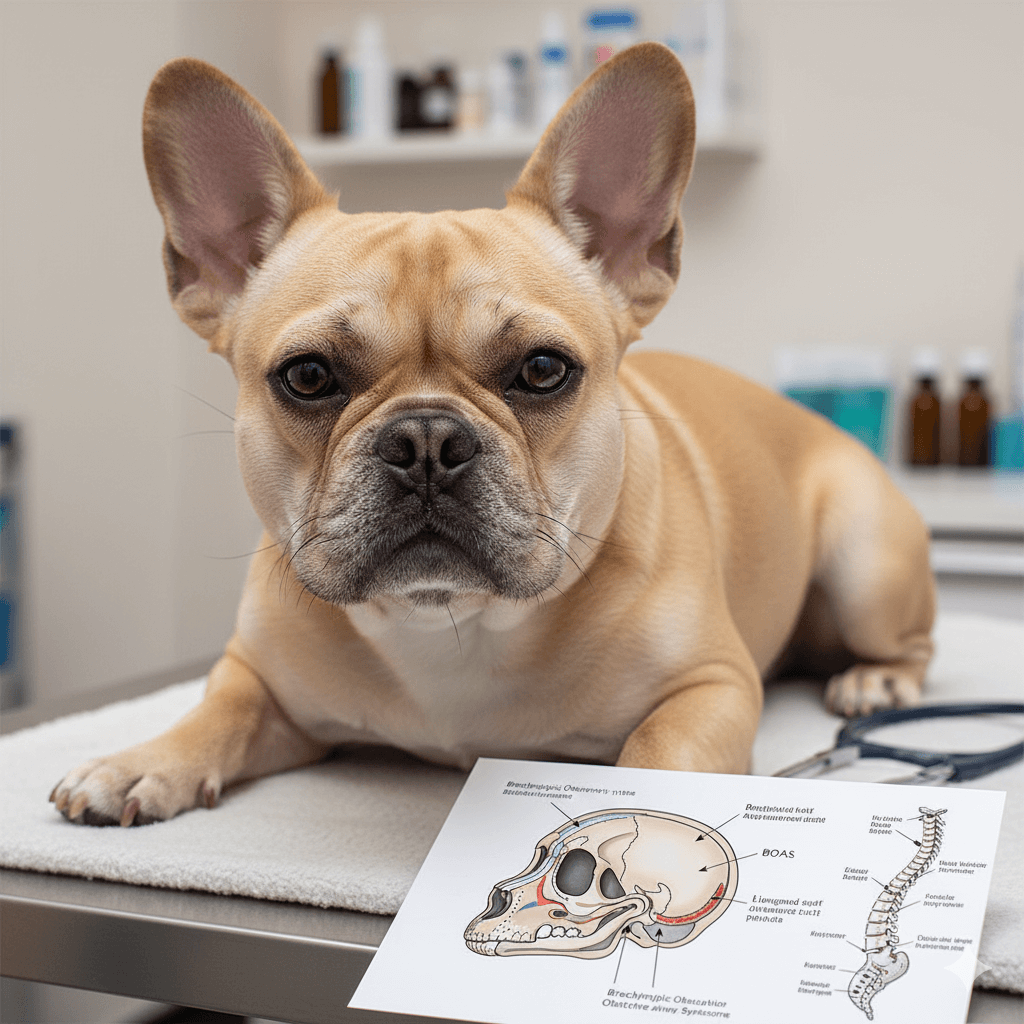
French Bulldogs are classic brachycephalic dogs—meaning they have shortened skulls and compressed airways. This facial structure, while endearing, leads to a range of breathing difficulties collectively known as Brachycephalic Obstructive Airway Syndrome (BOAS). These issues often worsen with age, heat, or exertion, so early recognition is vital:
- Stenotic Nares:
Narrowed or collapsed nostrils restrict airflow, causing loud breathing, snorting, or snoring even at rest. - Elongated Soft Palate:
Excess tissue at the back of the throat can partially block the airway, leading to gagging, choking, or exercise intolerance. - Everted Laryngeal Saccules:
Chronic breathing strain can cause small tissues inside the larynx to flip inward, further obstructing airflow—a sign of advanced BOAS. - Heat Intolerance:
Inability to pant effectively makes Frenchies highly prone to overheating, even on mild days or during short walks. - Sleep Disordered Breathing:
Many French Bulldogs suffer from disrupted sleep due to airway collapse, leading to fatigue and reduced oxygen levels.
Left unmanaged, these respiratory issues can lead to chronic stress on the heart and lungs—making veterinary evaluation essential for any Frenchie with noticeable breathing sounds.
Orthopedic and Joint-Related Conditions
Despite their stocky build, French Bulldogs are surprisingly prone to musculoskeletal problems. Their compact frame and rapid growth during puppyhood place unusual stress on joints and bones, often resulting in painful or mobility-limiting conditions:
- Hip Dysplasia:
A malformation of the hip joint causes instability, pain, and early-onset arthritis—common even in young Frenchies. - Patellar Luxation:
The kneecap can slip out of place, leading to sudden lameness, skipping gait, or reluctance to jump or climb stairs. - Intervertebral Disc Disease (IVDD):
Their short legs and long backs increase risk of spinal disc herniation, which can cause pain, weakness, or even paralysis. - Hemivertebrae:
A congenital spinal deformity (often linked to their curled tails) can compress the spinal cord and cause neurological symptoms. - Growth Plate Injuries:
Over-exercising puppies or allowing high-impact play can damage developing bones, leading to lifelong gait abnormalities.
Early screening via X-rays and maintaining a lean body weight are critical in reducing orthopedic strain and preserving mobility.
Check this guide 👉Rhodesian Ridgeback French Bulldog Mix: Best 7 Expert Tips!
Check this guide 👉Azawakh French Bulldog Mix: Best 7 Expert Tips!
Check this guide 👉Cane Corso Frenchie Mix: Best 7 Expert Tips!
Common Genetic Predispositions | Preventive & Supportive Measures |
|---|---|
Brachycephalic airway syndrome | Avoid heat, stress, and overexertion; consider corrective surgery if severe |
Hip and knee instability | Maintain ideal weight; use ramps instead of stairs or jumps |
Spinal deformities | Limit rough play; use harnesses (not collars) to reduce neck strain |
Allergies and skin fold infections | Clean facial wrinkles daily; use hypoallergenic shampoos |
Eye conditions (e.g., cherry eye) | Monitor for redness or discharge; schedule routine eye exams |
Skin and Allergy-Related Concerns
French Bulldogs have sensitive skin and deep facial folds that trap moisture, dirt, and bacteria—making them highly susceptible to dermatological issues. Additionally, many suffer from environmental or food allergies that manifest through their skin:
- Skin Fold Dermatitis:
Wrinkles around the nose, eyes, and tail base can become inflamed, smelly, or infected without daily cleaning. - Atopic Dermatitis:
Environmental allergens like pollen, dust mites, or mold often trigger intense itching, redness, and hair loss. - Food Allergies:
Common culprits include chicken, beef, dairy, or grains—symptoms may include chronic ear infections or recurrent paw licking. - Yeast and Bacterial Overgrowth:
Warm, moist skin folds create ideal conditions for Malassezia or Staph infections, requiring antifungal or antibiotic treatment. - Mange and Flea Allergy Dermatitis:
Even a single flea bite can trigger severe reactions in sensitive Frenchies, leading to hot spots or self-trauma.
Regular grooming, hypoallergenic diets, and vet-guided allergy testing can transform your Frenchie’s comfort and coat health.
Ocular (Eye) Health Vulnerabilities
French Bulldogs’ prominent, wide-set eyes are not only expressive but also vulnerable. Their shallow eye sockets and inability to fully close their eyelids increase the risk of injury and chronic eye conditions:
- Cherry Eye:
A prolapsed third eyelid gland appears as a red mass in the corner of the eye and often requires surgical correction. - Corneal Ulcers:
Dry eyes or minor trauma can lead to painful ulcers that, if untreated, risk vision loss or eye rupture. - Dry Eye (Keratoconjunctivitis Sicca):
Reduced tear production causes chronic irritation, scarring, and secondary infections—managed with daily eye drops. - Entropion or Ectropion:
Abnormal eyelid rolling (inward or outward) irritates the cornea and may need surgical repair. - Progressive Retinal Atrophy (PRA):
A genetic condition causing gradual vision loss, often detectable through DNA testing before symptoms appear.
Routine eye checks and immediate attention to squinting, cloudiness, or excessive tearing can prevent long-term damage.
Digestive and Gastrointestinal Sensitivities
Many French Bulldogs have delicate stomachs, often linked to food intolerances, rapid eating, or anatomical quirks like a narrow esophagus. Gastrointestinal upset is one of the most common reasons Frenchie owners visit the vet:
- Chronic Vomiting or Regurgitation:
Due to esophageal motility issues (like megaesophagus), some Frenchies regurgitate undigested food minutes after eating. - Flatulence and Bloating:
Fast eating and air-swallowing contribute to excessive gas and discomfort—elevated slow-feed bowls can help. - Food Intolerances:
Many thrive only on limited-ingredient or hydrolyzed protein diets after years of trial and error. - Constipation or Loose Stools:
Fiber imbalance or stress can easily disrupt their digestion, requiring dietary adjustments. - Pancreatitis Risk:
High-fat meals can trigger dangerous pancreatic inflammation—avoid table scraps and rich treats entirely.
Feeding smaller, frequent meals and choosing vet-formulated gastrointestinal diets often brings significant relief.
Reproductive and Neonatal Considerations
French Bulldogs face unique challenges when it comes to breeding and puppy survival—so much so that most litters are delivered via cesarean section. Prospective breeders and owners should understand these risks:
- Dystocia (Difficult Birth):
Due to large puppy heads and narrow maternal pelvises, natural birth is often impossible and dangerous. - High Puppy Mortality:
Newborn Frenchies are fragile; they require intensive monitoring for breathing, feeding, and temperature regulation. - Anesthesia Sensitivity:
Their airway anatomy makes them high-risk candidates for anesthesia—only experienced veterinary teams should perform procedures. - Cryptorchidism:
Retained testicles are common in males and increase cancer risk, necessitating early neutering. - Ethical Breeding Practices:
Reputable breeders prioritize health testing over color trends and avoid breeding dogs with severe BOAS or spinal issues.
For pet owners, this underscores the importance of spaying/neutering and avoiding backyard breeders who ignore these life-threatening risks.
Essential Daily Care Routine for French Bulldogs
French Bulldogs thrive on consistency, and a simple daily care routine can prevent many common health issues while strengthening your bond. Their unique physical traits demand more than just food and walks—they need intentional, gentle attention to stay comfortable and healthy:
- Wrinkle Cleaning Ritual:
Wipe facial folds, tail pockets, and neck creases daily with a soft, damp cloth to prevent moisture buildup and bacterial infections. - Controlled Exercise Schedule:
Limit walks to cooler parts of the day (early morning or evening) and keep sessions under 20–30 minutes to avoid respiratory stress. - Hydration Monitoring:
Always provide fresh water, but use shallow bowls to reduce air intake while drinking—this helps prevent bloating and regurgitation. - Harness-Only Walks:
Never use a collar; opt for a well-fitted, padded harness to avoid pressure on the trachea and spine during walks. - Quiet Cooling Zone:
Ensure access to a cool, shaded, well-ventilated space indoors—Frenchies can overheat in under 10 minutes on warm days, even without exertion.
A structured daily routine doesn’t just manage symptoms—it actively protects your Frenchie’s long-term health and enhances their everyday comfort.
Frequently Asked Questions About French Bulldog Health Issues
Are French Bulldogs high-maintenance dogs?
Most airlines ban them from cargo holds due to breathing risks; even cabin travel carries heat and stress dangers—consult your vet first.
Can French Bulldogs fly in airplanes?
With proactive care, many live 10–14 years, though severe BOAS or spinal disease can shorten lifespan if unmanaged.
How long do French Bulldogs live with health issues?
Not all, but many benefit from soft palate resection, nostril widening, or cherry eye correction—especially if symptoms affect quality of life.
Do all French Bulldogs need surgery?
Not all, but many benefit from soft palate resection, nostril widening, or cherry eye correction—especially if symptoms affect quality of life.
Is pet insurance worth it for a French Bulldog?
Absolutely. Given their high risk for costly conditions (like IVDD or BOAS surgery), insurance can ease financial stress during emergencies.
Prioritizing Your Frenchie’s Long-Term Well-Being
Owning a French Bulldog is a joyful experience filled with snorts, cuddles, and comic relief—but it also comes with serious responsibility. Their health issues aren’t mere inconveniences; they’re deeply rooted in how the breed was shaped by human preference. As an owner, your awareness, vigilance, and willingness to act early can mean the difference between chronic suffering and a vibrant, comfortable life. Choose ethical breeders, invest in preventive care, and never dismiss “normal” Frenchie symptoms as just part of the breed. With compassion and informed choices, you can give your bat-eared companion the healthy, happy life they truly deserve.

Is Rawhide Bad for Cats? Best 7 Expert Tips! – Discover the risks, safe alternatives, and expert advice to keep your feline friend healthy and happy.

Is Rawhide Bad for Dogs? Best 7 Expert Tips! – Discover the risks, benefits, and safer alternatives to rawhides for your dog’s chewing needs.

Understanding Anorexia in Cats: Best 7 Expert Tips! – Learn why cats stop eating, spot warning signs, and discover how to help your feline regain appetite safely.

Understanding Anorexia in Dogs: Best 7 Expert Tips! – Learn causes, symptoms, and solutions to help your dog regain appetite and stay healthy.