
The Pembroke Welsh Corgi: Best 7 Expert Tips!
Cheerful, intelligent, and endlessly charming, the Pembroke Welsh Corgi is far more than just a royal favorite—it’s a herding powerhouse wrapped in a compact, fox-like frame. Originally bred to drive cattle across the rugged Welsh countryside, this low-to-the-ground dog boasts surprising stamina, sharp instincts, and a joyful disposition that lights up any home. With its alert eyes, perky ears, and signature bobbed tail (or naturally tailless build), the Pembroke exudes confidence and warmth in equal measure. If you’re seeking a devoted, clever, and playful companion who thrives on human connection and mental challenges, the Pembroke Welsh Corgi may be your ideal match.
Origins and History of the Pembroke Welsh Corgi
The Pembroke Welsh Corgi’s story stretches back over a thousand years to the pastoral hills of Wales, where it earned its keep as a skilled and tireless farmhand. Its name—“cor” meaning “dwarf” and “gi” meaning “dog” in Welsh—hints at its humble stature and mighty work ethic.
- Ancient Herding Roots:
Pembrokes were developed to herd cattle by nipping at their heels and dodging kicks with agile, low-slung bodies built for endurance. - Distinct from the Cardigan:
Though often confused, the Pembroke (introduced by Flemish weavers around the 10th–12th century) is genetically and physically separate from the older Cardigan Welsh Corgi. - Royal Endorsement Boosted Fame:
Queen Elizabeth II famously owned over 30 Pembrokes during her lifetime, catapulting the breed into global popularity and symbolizing its loyal, refined nature. - AKC Recognition and Modern Role:
Officially recognized by the American Kennel Club in 1934, the Pembroke transitioned from farmhand to beloved family companion while retaining its herding instincts. - Cultural Icon Status:
From children’s books to animated films and internet memes, the Pembroke’s expressive face and quirky trot have made it a pop culture darling worldwide.
Though no longer driving cattle, the Pembroke’s heritage lives on in its alertness, energy, and desire to be involved in every aspect of family life.
Distinctive Physical Traits of the Pembroke Welsh Corgi
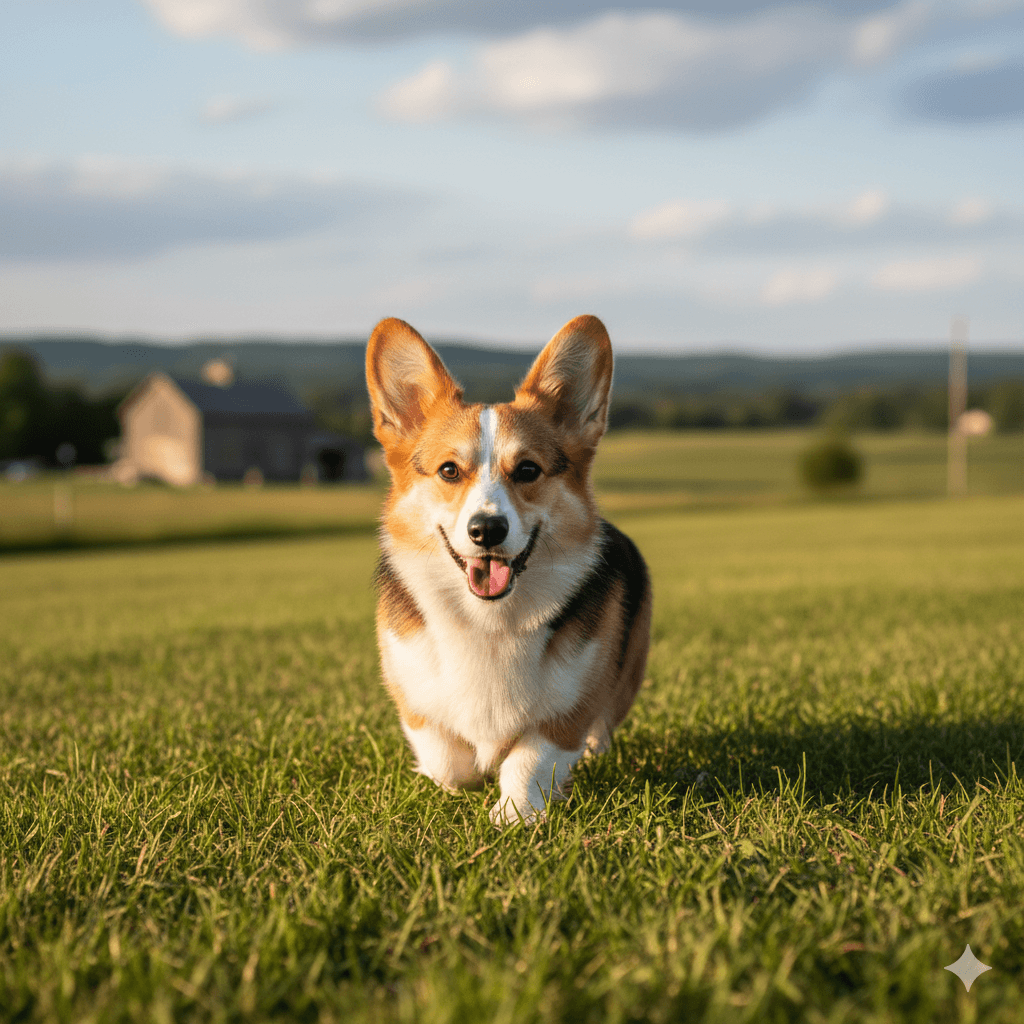
The Pembroke Welsh Corgi’s silhouette is unmistakable: a long body, short legs, and a bright, foxy expression that radiates intelligence and mischief. Every feature reflects its working past while fitting seamlessly into modern homes.
- Compact, Low-Slung Frame:
Standing just 10–12 inches tall but weighing 25–30 pounds, the Pembroke’s sturdy build allows quick turns and bursts of speed despite its short legs. - Double Coat for All Seasons:
A dense, weather-resistant double coat—medium in length—sheds moderately year-round and heavily during seasonal “blowouts.” - Signature Fox-Like Head:
Large, erect ears, dark almond-shaped eyes, and a tapered muzzle give the Pembroke an alert, expressive look that seems always ready for action. - Naturally Tailless or Docked:
Pembrokes are typically born with a short or absent tail (a natural genetic trait), distinguishing them from the long-tailed Cardigan. - Rich Color Variations:
Common coat colors include red, sable, fawn, and black-and-tan—often with white markings on the chest, legs, neck, and face (though excessive white is discouraged).
These traits combine form and function, making the Pembroke as practical as it is photogenic.
Check this guide 👉Corgi Dog Colors: Best 7 Expert Tips!
Check this guide 👉Rhodesian Ridgeback Corgi Mix: Best 7 Expert Tips!
Check this guide 👉Corgi Bloodhound Mix: Best 7 Expert Tips!
Temperament Highlights | Care Considerations |
|---|---|
Highly intelligent and eager to please | Daily brushing during heavy shedding seasons |
Playful and family-oriented | Portion-controlled feeding to prevent obesity |
Alert and vocal (natural watchdog) | Regular nail trims due to short legs |
Herding instinct may lead to nipping | Joint support supplements for spine and hips |
Thrives on routine and mental tasks | Early training to manage barking and chasing |
Personality and Temperament: Smart, Affectionate, and Full of Zest
Don’t mistake the Pembroke’s small size for fragility—this breed pulses with energy, curiosity, and deep emotional intelligence. Loyal to the core, Pembrokes form intense bonds with their families and thrive on inclusion in daily activities.
- Devoted Family Companion:
Pembrokes love being at the center of household life, often following owners room to room and offering gentle nudges for attention. - Bright and Quick-Learner:
Ranked among the most intelligent dog breeds, they pick up commands rapidly—but may choose to obey only when motivated! - Natural Herding Drive:
Even as pets, many Pembrokes attempt to “herd” children, bikes, or vacuum cleaners by circling or gently nipping heels. - Cheerful and Entertaining:
Known for their “Corgi zoomies,” playful bows, and comical waddles, they bring laughter and liveliness to any home. - Wary but Not Aggressive with Strangers:
While friendly with familiar faces, they’ll often bark first to alert you—making them excellent little watchdogs.
In the right environment, the Pembroke isn’t just a dog—it’s a joyful, thinking, feeling member of the family.
Training and Socialization Tips for Pembroke Owners
Training a Pembroke Welsh Corgi is a rewarding experience—if you respect their intelligence and independence. They respond best to consistency, creativity, and positive reinforcement, but can be stubborn if bored or mishandled.
- Start Early with Socialization:
Introduce your puppy to diverse people, dogs, sounds, and surfaces before 16 weeks to build confidence and prevent fearfulness. - Use High-Value Rewards:
Since Pembrokes can be food-motivated (and prone to weight gain), use small, healthy treats or play as incentives during short sessions. - Channel Herding Instincts Positively:
Agility, treibball, or flirt-pole games satisfy their drive to chase and control movement in a safe, structured way. - Establish Clear Boundaries:
Without consistent rules, their cleverness can lead to manipulative behavior—like “accidentally” not hearing a command they dislike. - Focus on Recall and Impulse Control:
Their prey drive is strong; a reliable “come” command is essential to prevent chasing squirrels, bikes, or joggers.
With patience and structure, your Pembroke will shine in obedience, tricks, or even canine sports—all while keeping you on your toes.
Grooming and Health Needs of the Pembroke Welsh Corgi
Despite their manageable size, Pembrokes require regular grooming and vigilant health monitoring due to their conformation and genetic predispositions. Proactive care ensures a long, happy life.
- Consistent Coat Maintenance:
Brush 2–3 times weekly (daily during shedding seasons) to remove loose undercoat and prevent matting—invest in an undercoat rake. - Weight Management Is Critical:
Their love of food and short legs put them at high risk for obesity, which stresses their spine and joints—measure meals and limit treats. - Dental and Ear Hygiene:
Brush teeth several times a week and check ears weekly for wax buildup or odor, especially if they swim or have allergies. - Watch for Breed-Specific Conditions:
Common concerns include intervertebral disc disease (IVDD), hip dysplasia, progressive retinal atrophy (PRA), and von Willebrand’s disease. - Lifespan and Preventive Care:
With proper care, Pembrokes live 12–15 years; annual vet checks, joint supplements, and controlled exercise support longevity.
Grooming and health aren’t chores—they’re acts of love that keep your Corgi comfortable, mobile, and thriving.
Living with a Pembroke Welsh Corgi: Ideal Home and Lifestyle Fit
The Pembroke adapts well to various homes—but flourishes only when their physical, mental, and emotional needs are met with intention and joy.
- Great for Active Families:
They bond deeply with children (especially older, respectful ones) and enjoy interactive play, walks, and backyard games. - Apartment Living Possible—with Caveats:
While they don’t need vast space, they do need daily exercise and mental stimulation; without it, boredom leads to barking or digging. - Not a Yard-Only Dog:
Pembrokes crave human companionship; leaving them outdoors or isolated causes distress and behavioral issues. - Sensitive to Heat and Cold:
Their double coat insulates well, but short legs mean bellies get wet in snow or overheated on hot pavement—adjust walk times accordingly. - Low-Shedding? Not Quite:
They shed heavily twice a year and moderately year-round—ideal for those who don’t mind regular vacuuming and lint rollers!
The Pembroke thrives in a home where they’re treated as a thinking, feeling partner—not just a pet.
Potential Challenges of Owning a Pembroke Welsh Corgi
As delightful as they are, Pembrokes aren’t without quirks that require awareness and commitment from their humans.
- Pronounced Barking Tendency:
Their watchdog heritage means they’ll alert you to everything—from doorbells to falling leaves—requiring early bark training. - Stubborn Streaks:
Highly intelligent dogs often ask, “What’s in it for me?”—making consistency and motivation essential in training. - Back and Joint Vulnerability:
Their long spine and short legs increase IVDD risk; avoid stairs, jumping on furniture, and rough play with larger dogs. - Heavy Shedding Seasons:
Twice a year, they “blow coat”—releasing clouds of fur that coat clothes, furniture, and air vents for weeks. - Emotional Sensitivity:
Harsh corrections or neglect deeply affect them; they respond best to gentle, confident leadership and lots of affection.
Understanding these challenges helps you prepare—and ultimately enjoy a deeper, more respectful bond with your spirited Corgi.
“Among the most agreeable of all small housedogs, the Pembroke Welsh Corgi is a strong, athletic, and lively little herder who is affectionate and companionable without being needy.”
— American Kennel Club
Frequently Asked Questions About the Pembroke Welsh Corgi
Is the Pembroke Welsh Corgi good for first-time dog owners?
Yes—with preparation. Their intelligence and eagerness to please help, but their energy, shedding, and vocal nature require commitment.
Do Pembroke Welsh Corgis shed a lot?
Yes. They have a thick double coat that sheds year-round and “blows” heavily in spring and fall—daily brushing is essential during those times.
How much exercise does a Pembroke need?
About 45–60 minutes daily of walks, play, or training. They’re energetic but not hyper—mental stimulation is just as important as physical activity.
Are Pembrokes aggressive or good with kids?
They’re generally affectionate and playful with respectful children, but supervision is key due to herding instincts (nipping at running feet).
Why are some Pembrokes born without tails?
It’s a natural genetic trait (not docking). The breed standard favors a naturally short or absent tail, distinguishing them from Cardigan Welsh Corgis.
A Loyal Heart on Short Legs
The Pembroke Welsh Corgi may scurry close to the ground, but its spirit soars. With a blend of sharp intelligence, unwavering loyalty, and comedic charm, this breed offers companionship that’s both deeply affectionate and endlessly entertaining. Whether trotting beside you on a morning walk, “helping” with chores, or curling up with a satisfied sigh at your feet, the Pembroke reminds us that joy often comes in compact, furry packages. If you’re ready to embrace the laughter, the learning, and the love—and yes, the fur—this remarkable herder might just steal your heart, one wiggle at a time.

Is Rawhide Bad for Cats? Best 7 Expert Tips! – Discover the risks, safe alternatives, and expert advice to keep your feline friend healthy and happy.

Is Rawhide Bad for Dogs? Best 7 Expert Tips! – Discover the risks, benefits, and safer alternatives to rawhides for your dog’s chewing needs.

Understanding Anorexia in Cats: Best 7 Expert Tips! – Learn why cats stop eating, spot warning signs, and discover how to help your feline regain appetite safely.

Understanding Anorexia in Dogs: Best 7 Expert Tips! – Learn causes, symptoms, and solutions to help your dog regain appetite and stay healthy.