
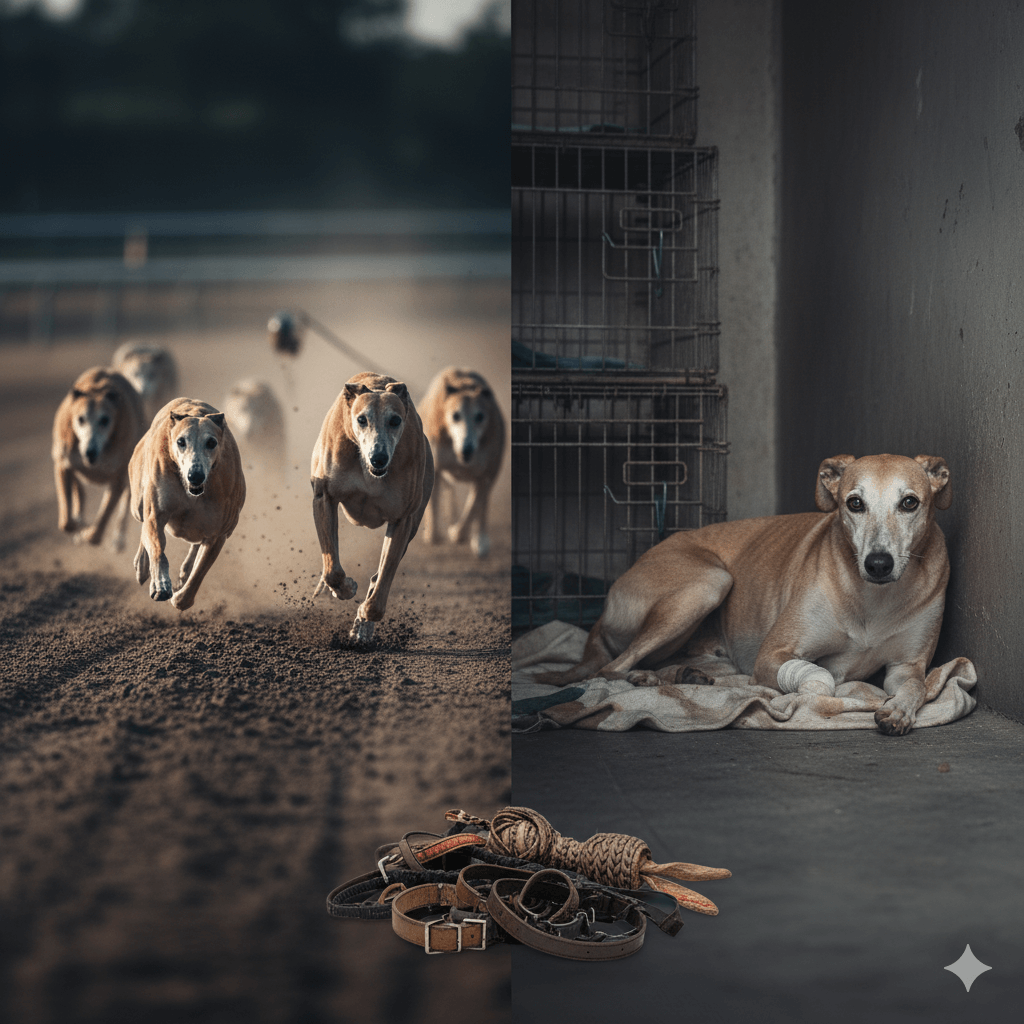

Understanding Why Dog Racing Is Illegal
Greyhound racing was once a popular spectator sport, but widespread concerns over animal welfare have led many regions to ban it entirely. The shift reflects growing public awareness of the physical and emotional toll the industry takes on dogs. From injuries on the track to life-threatening neglect off it, evidence of systemic cruelty has prompted lawmakers to act. Today, dog racing is illegal in most U.S. states and numerous countries worldwide. Understanding the reasons behind these bans reveals a crucial step forward in how society values and protects animals.
Key Welfare Concerns That Led to Bans
The move to outlaw dog racing stems from decades of documented abuse, neglect, and exploitation within the industry. Investigations, whistleblowers, and rescue organizations have exposed systemic issues that go far beyond the racetrack itself:
- High Injury and Fatality Rates:
Racing greyhounds frequently suffer broken legs, spinal trauma, or cardiac arrest due to extreme speeds and tight turns on poorly maintained tracks. - Inhumane Living Conditions:
Many dogs spend up to 23 hours a day in cramped, barren kennels with little socialization, exercise, or veterinary care—often for years. - Overbreeding and Disposal of “Non-Performers”:
Thousands of puppies are bred annually; those deemed too slow or uncompetitive are often euthanized, abandoned, or sold to labs. - Lack of Transparency and Oversight:
Regulatory gaps and weak enforcement have allowed neglect, doping, and unreported injuries to persist unchecked in many jurisdictions. - Short Racing Lifespan Followed by Uncertain Futures:
Most dogs retire by age 3–5, with many facing euthanasia if not adopted—a grim reality despite growing rescue efforts.
These patterns of suffering have convinced lawmakers, veterinarians, and the public that the sport’s risks far outweigh its entertainment value.
Countries and Regions That Have Banned Dog Racing
Legal action against dog racing has accelerated globally as ethical standards evolve and public pressure mounts. Bans reflect not just policy changes, but a cultural shift toward viewing dogs as companions—not commodities:
- United States (Most States):
As of 2025, commercial greyhound racing is illegal in 42 states; only three (West Virginia, Arkansas, and Iowa) still permit limited operations. - United Kingdom:
While not fully banned, the industry has collapsed due to declining attendance, strict welfare laws, and loss of government support. - Australia (Multiple States):
New South Wales, Queensland, and the Australian Capital Territory have banned racing; others maintain regulated but controversial operations. - European Union:
Countries like Germany, Finland, and the Netherlands prohibit greyhound racing entirely, citing animal protection principles. - Latin America and Beyond:
Argentina, Mexico, and several Caribbean nations have enacted full or partial bans after high-profile cruelty exposés.
These legal changes signal a global rejection of entertainment built on animal exploitation and suffering.
Check this guide 👉Why Does My Dog Run Away When Off Leash? Best 7 Tips!
Check this guide 👉If a Dog Runs Away, Will They Come Back? Best 7 Tips!
Check this guide 👉How Fast Can a Dog Run: Best 7 Expert Tips!
Ethical Concerns | Legal and Social Outcomes |
|---|---|
Routine injuries and high euthanasia rates | Widespread state and national bans |
Poor post-racing adoption infrastructure | Closure of major tracks (e.g., Florida in 2020) |
Public backlash from undercover investigations | Corporate sponsors withdrawing support |
Rising cost of regulation vs. declining profits | Industry deemed economically unsustainable |
Shift toward viewing dogs as sentient companions | Stronger animal cruelty laws and penalties |
The Role of Animal Advocacy and Public Awareness
Grassroots campaigns have played a pivotal role in ending dog racing by exposing hidden truths and mobilizing compassionate citizens. Documentaries, rescue stories, and social media have transformed public perception:
- Undercover Investigations:
Groups like GREY2K USA and the Humane Society revealed dogs living in filth, untreated injuries, and mass culling—fueling outrage. - Celebrity and Influencer Support:
Public figures have amplified the cause, encouraging adoptions and pressuring lawmakers to act. - Rescue and Adoption Networks:
Thousands of retired racers now find homes thanks to dedicated nonprofits, proving these dogs deserve loving lives—not tracks. - Educational Outreach:
Schools, veterinarians, and shelters now teach that dog racing is a form of institutionalized cruelty, not sport. - Voter-Led Initiatives:
In states like Florida, citizens bypassed politicians entirely by passing bans via ballot measures—a powerful democratic tool.
Public awareness didn’t just change laws—it changed hearts, proving that empathy can drive real policy change.
Economic and Industry Collapse Factors
Beyond ethics, the dog racing industry has crumbled under its own inefficiency and irrelevance in the modern entertainment landscape:
- Declining Attendance and Revenue:
With legal sports betting and digital entertainment options, live dog racing has lost its audience—and its profitability. - High Operating Costs:
Maintaining tracks, veterinary care, and regulatory compliance became unsustainable as profits shrank. - State Withdrawal of Subsidies:
Many governments once propped up tracks with gambling tax breaks; those supports vanished as public opinion turned. - Competition from Other Gambling Forms:
Casinos, online betting, and lotteries offer higher returns with fewer ethical complications. - Insurance and Liability Risks:
Tracks faced rising costs from lawsuits, injury claims, and animal welfare violations—making operations financially risky.
The industry’s decline wasn’t just moral—it was inevitable in a market that no longer values its product.
Common Misconceptions About Dog Racing
Despite growing opposition, myths persist that downplay the sport’s harms or suggest reforms could save it. Evidence tells a different story:
- “Dogs Love to Run, So It’s Natural”:
While greyhounds enjoy sprinting, forced repetitive racing on packed schedules is physically damaging—not playful. - “All Dogs Get Adopted After Retirement”:
Adoption rates have improved, but thousands still face euthanasia annually due to oversupply and limited resources. - “Regulation Can Fix the Problems”:
Decades of oversight have failed to eliminate injuries, doping, or neglect—proving reform is insufficient. - “It’s Just a Few Bad Kennels”:
Systemic issues are baked into the business model; isolated “good” operators can’t offset industry-wide harm. - “Banning Hurts Working-Class Jobs”:
Most track jobs were low-wage and temporary; economic transitions have focused on humane, sustainable alternatives.
Dispelling these myths is essential to prevent the romanticization of a deeply flawed industry.
How You Can Support the End of Dog Racing
Even in places where racing is already banned, ongoing vigilance and compassion help protect dogs and prevent resurgence:
- Adopt a Retired Racer:
Greyhound rescues always need foster and forever homes for gentle, couch-loving ex-racers. - Support Legislation:
Contact representatives to back bans, strengthen animal cruelty penalties, and fund enforcement. - Spread Awareness:
Share documentaries, rescue stories, and facts to educate others about the realities behind the sport. - Avoid Attending or Promoting Tracks:
Even “charity” races normalize exploitation; choose humane entertainment instead. - Donate to Rescue Organizations:
Groups like Greyhound Adoptions, Grey Muzzle, and local rescues rely on public support for medical and rehoming costs.
Your voice, home, and wallet can all be powerful tools for change in the fight against dog racing.
Expert Tips to Advocate Against Dog Racing
Ending dog racing isn’t just about legislation—it’s about sustained public engagement and compassionate action. Whether you’re a lifelong animal advocate or newly aware of the issue, your efforts can make a real difference in protecting these sensitive athletes:
- Educate Friends and Family:
Share verified facts, rescue stories, or short videos that reveal the truth behind racing—many people simply don’t know the reality. - Support Ethical Legislation:
Contact local representatives to back bills that ban racing, increase penalties for animal cruelty, or fund greyhound rescue programs. - Choose Cruelty-Free Entertainment:
Avoid betting on or attending any live animal racing events; instead, support humane sports like agility trials or dog shows. - Volunteer with Rescues:
Offer time to transport, foster, or help socialize retired racers—these dogs often need patient guidance to adjust to home life. - Amplify Retired Greyhound Stories:
Post adoption success stories on social media to normalize seeing these dogs as family pets, not former performers.
Every action, however small, chips away at the acceptance of dog racing and builds a culture where dogs are celebrated for their companionship—not their speed.
“It’s bewildering that routine cruelty leading to the frequent deaths of dogs is considered a reasonable consequence of a legal sport. That it still happens is a national shame.”
— ASPCA Policy Team
Frequently Asked Questions About Why Dog Racing Is Illegal
Why was dog racing banned in Florida?
Voters overwhelmingly passed Amendment 13 in 2018, citing animal cruelty; all tracks closed by 2020 amid falling profits and public pressure.
Is dog racing still legal anywhere?
Yes—limited operations remain in a few U.S. states (West Virginia, Arkansas, Iowa) and some countries like Ireland and the UAE, though all face growing opposition.
Are ex-racing greyhounds aggressive or hard to train?
No—most are calm, gentle, and house-trained; they adapt quickly to home life and make excellent companions.
Did gambling cause the bans?
Gambling decline accelerated closures, but bans were primarily driven by animal welfare investigations and public ethics—not economics alone.
Can’t the industry be reformed instead of banned?
Decades of failed reforms show the model is inherently harmful; true welfare is only possible when dogs are no longer raced for profit.
A Future Where Dogs Race Only Toward Love
The ban on dog racing marks a turning point in how society treats animals—not as tools for entertainment, but as sentient beings deserving of dignity and care. Each retired greyhound adopted into a loving home is a quiet victory over an outdated system. As awareness grows and laws strengthen, we move closer to a world where a dog’s only race is toward a warm bed, a full bowl, and the open arms of a family who sees them not as a performer, but as a cherished friend. The end of dog racing isn’t just legal progress—it’s moral evolution in action.
Is Rawhide Bad for Cats? Best 7 Expert Tips! – Discover the risks, safe alternatives, and expert advice to keep your feline friend healthy and happy.

Is Rawhide Bad for Dogs? Best 7 Expert Tips! – Discover the risks, benefits, and safer alternatives to rawhides for your dog’s chewing needs.

Understanding Anorexia in Cats: Best 7 Expert Tips! – Learn why cats stop eating, spot warning signs, and discover how to help your feline regain appetite safely.

Understanding Anorexia in Dogs: Best 7 Expert Tips! – Learn causes, symptoms, and solutions to help your dog regain appetite and stay healthy.