

Dog Pollen Allergy Symptoms: Best 7 Expert Tips!

Dog Pollen Allergy Symptoms: Best 7 Expert Tips!

Dog Pollen Allergy Symptoms: Recognizing the Sneaky Signs in Your Furry Friend

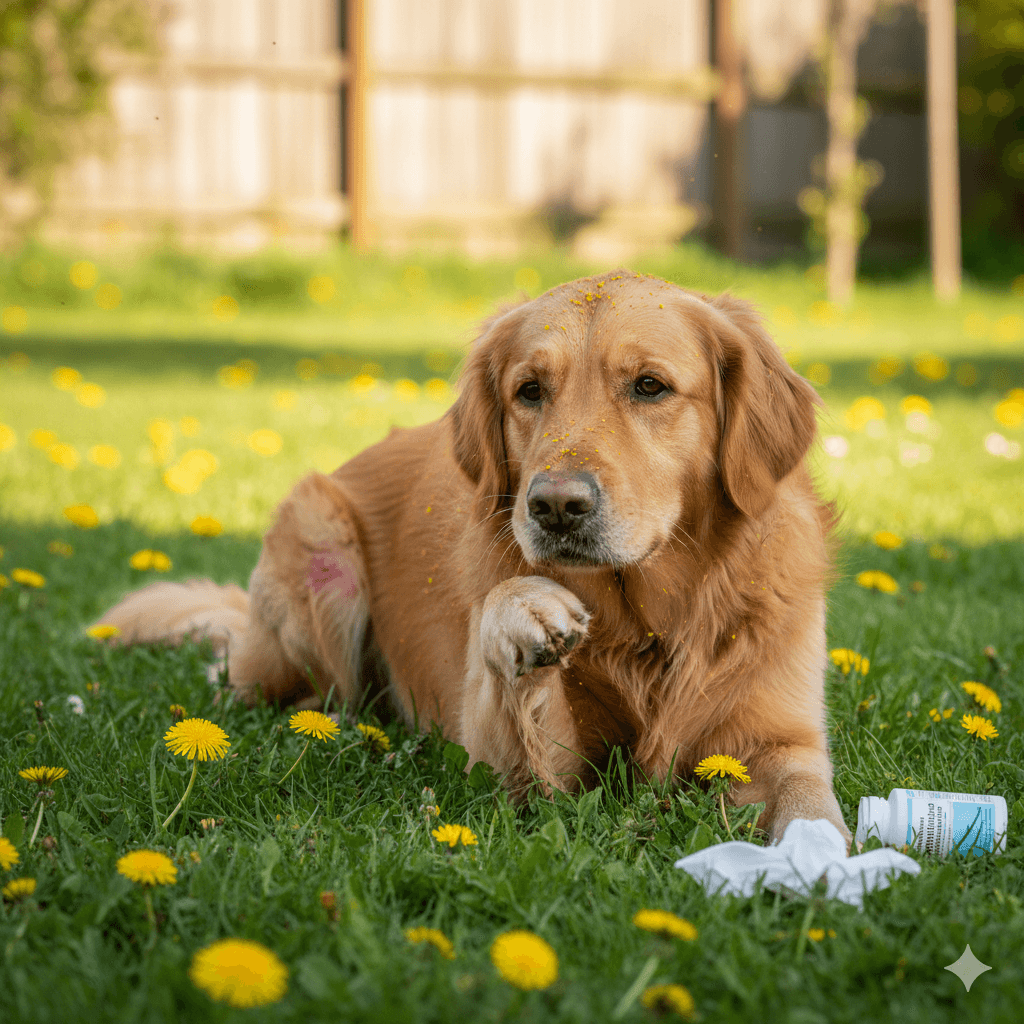
If your dog seems suddenly itchy, restless, or unusually fussy during spring or summer, pollen might be the invisible culprit. Just like humans, dogs can suffer from seasonal allergies—and pollen is one of the most common triggers. These microscopic grains float through the air, settle on fur and paws, and can cause a cascade of uncomfortable symptoms that impact your pet’s daily comfort. Understanding how pollen allergies manifest in dogs is the first step toward relief and peace of mind for both of you.

How Pollen Affects Dogs: More Than Just a Runny Nose

Unlike humans who often sneeze or get watery eyes, dogs express pollen allergies primarily through their skin. Their bodies react to inhaled or contact allergens with inflammation and intense itching, which can lead to secondary issues if left unaddressed. Early recognition of these signs allows for timely intervention and better quality of life.

 
  • Skin Irritation and Itching
    Pollen landing on your dog’s coat can trigger localized itching, especially around the face, paws, belly, and underarms.
     
  • Excessive Licking or Chewing
    To soothe irritated skin, many dogs obsessively lick or chew their paws, which may turn red, moist, or even raw over time.
     
  • Ear Infections or Head Shaking
    Allergies often lead to yeast or bacterial overgrowth in the ears, causing redness, odor, and frequent head shaking.
     
  • Watery or Red Eyes
    Though less common than skin issues, some dogs develop conjunctivitis-like symptoms when pollen contacts their eyes directly.
     
  • Hair Loss or Hot Spots
    Chronic scratching or licking can break the skin barrier, leading to patchy fur loss and painful, oozing hot spots.
 

Pollen allergies in dogs rarely present like human hay fever—instead, they silently torment your pet through the skin, making vigilance and observation key to early detection.

Dog Pollen Allergy Symptoms: Best 7 Expert Tips!

Common Types of Pollen That Trigger Allergies in Dogs

Not all pollen is created equal. Depending on your region and the time of year, different plants release varying types of pollen that can affect your dog. Knowing which pollens are most active helps you anticipate and manage symptoms.

 
  • Tree Pollen (Spring)
    Oaks, birches, maples, and cedar trees release lightweight pollen in early spring, often causing the first wave of seasonal allergies.
     
  • Grass Pollen (Late Spring to Early Summer)
    Common grasses like Bermuda, Timothy, and Kentucky bluegrass become potent allergens as lawns grow and flower.
     
  • Weed Pollen (Late Summer to Fall)
    Ragweed is the most notorious, but other weeds like lamb’s quarters and pigweed also produce highly allergenic pollen.
     
  • Mold Spores (Year-Round, Peaks in Humid Seasons)
    Though not pollen, airborne mold spores behave similarly and often worsen allergy symptoms alongside plant pollens.
     
  • Regional Variations
    Dogs in the Pacific Northwest may react more to alder pollen, while those in the Southwest face intense olive or mesquite pollen exposure.
 

Understanding which pollens dominate your area—and when—empowers you to take proactive steps before symptoms escalate.

Allergy Warning Signs Owner Action Steps
Persistent paw licking Wipe paws after walks with a damp cloth
Redness between toes Use hypoallergenic paw balm or booties
Frequent ear scratching Clean ears weekly with vet-approved solution
Restlessness at night Rinse dog’s coat before bedtime
Recurring skin infections Schedule allergy testing with your vet

Diagnosing Pollen Allergies in Dogs: Beyond Guesswork

While symptoms may point to pollen allergies, confirmation requires veterinary insight. Many skin conditions—like fleas, food allergies, or infections—can mimic pollen reactions, so accurate diagnosis is essential before starting treatment.

 
  • Veterinary Physical Exam
    Your vet will check for patterns of redness, hair loss, and secondary infections that suggest environmental allergies.
     
  • Seasonal Symptom Tracking
    Keeping a symptom diary (noting dates, weather, and activities) helps identify correlations with high-pollen periods.
     
  • Intradermal Skin Testing
    Considered the gold standard, this involves injecting small amounts of allergens under the skin to observe reactions.
     
  • Blood (Serum) Allergy Testing
    A less invasive option that measures IgE antibodies to specific pollens—though slightly less precise than skin testing.
     
  • Elimination of Other Causes
    Your vet may first rule out parasites, food sensitivities, or bacterial infections before confirming environmental allergies.
 

Accurate diagnosis not only confirms pollen as the trigger but also identifies exactly which pollens affect your dog—enabling targeted therapy like immunotherapy.


At-Home Strategies to Reduce Pollen Exposure

You can significantly lower your dog’s pollen load with simple, consistent routines. Think of your home as a pollen-free sanctuary where your pet can recover and reset daily.

 
  • Post-Walk Wipes or Rinses
    Use a microfiber cloth or gentle rinse to remove pollen from paws, belly, and face immediately after outdoor time.
     
  • Keep Windows Closed During High Pollen Counts
    Monitor local pollen forecasts and limit open windows on peak days, especially in the morning when counts are highest.
     
  • Wash Bedding Weekly in Hypoallergenic Detergent
    Pollen clings to fabrics—regular washing prevents your dog from re-exposing themselves while resting.
     
  • Use an Air Purifier with HEPA Filter
    These devices capture airborne pollen indoors, creating cleaner air for both you and your dog.
     
  • Avoid Lawn Mowing or Yard Work with Your Dog Present
    Mowing stirs up massive amounts of grass pollen—keep your dog indoors during and after yard maintenance.
 

Small daily efforts compound into meaningful relief, reducing your dog’s overall allergic burden without medication.

Medical and Holistic Treatment Options

Once diagnosed, several treatment paths can ease your dog’s discomfort—often used in combination for best results. Work closely with your vet to tailor a plan that fits your dog’s severity and lifestyle.

 
  • Antihistamines (Under Veterinary Guidance)
    Medications like cetirizine or diphenhydramine help some dogs, though effectiveness varies by individual.
     
  • Prescription Allergy Medications
    Drugs like Apoquel or Cytopoint target itch pathways directly and offer rapid, reliable relief with minimal side effects.
     
  • Allergen-Specific Immunotherapy (Allergy Shots or Drops)
    Custom treatments that gradually desensitize your dog to specific pollens—effective in 60–80% of cases over 6–12 months.
     
  • Omega-3 Fatty Acid Supplements
    High-quality fish oil supports skin barrier function and reduces inflammation naturally over time.
     
  • Medicated Shampoos and Sprays
    Oatmeal, chlorhexidine, or hydrocortisone-based rinses soothe irritated skin and flush allergens from the coat.
 

Treatment isn’t one-size-fits-all—what works for one dog may not suit another. Patience and partnership with your vet yield the best long-term outcomes.

Breeds Most Prone to Pollen Allergies

While any dog can develop pollen allergies, certain breeds have genetic predispositions that make them more vulnerable. Their skin or immune systems simply react more intensely to environmental triggers.

 
  • West Highland White Terriers
    Known for sensitive skin and a high incidence of atopic dermatitis linked to pollen and dust mites.
     
  • French Bulldogs
    Their skin folds trap allergens, and their compromised airways may worsen inflammatory responses.
     
  • Golden Retrievers
    Despite their water-loving nature, they’re highly prone to seasonal allergies, often starting between 1–3 years old.
     
  • Boxers
    Often develop early-onset environmental allergies, with pollen being a frequent trigger.
     
  • Shih Tzus
    Long coats collect pollen easily, and their facial structure increases eye and skin exposure.
 

If you own one of these breeds, proactive monitoring during allergy season is especially wise—even before symptoms appear.


Long-Term Management and Prevention Tips

Pollen allergies are typically lifelong, but with smart management, most dogs live comfortably year after year. The goal isn’t cure—it’s consistent control and minimized flare-ups.

 
  • Start Preventive Care Before Allergy Season Begins
    Begin antihistamines, supplements, or bathing routines 2–4 weeks before your area’s typical pollen surge.
     
  • Rotate Outdoor Walk Times
    Walk your dog after rain or in the evening when pollen counts are lower, avoiding dry, windy mornings.
     
  • Maintain a Healthy Skin Barrier
    Feed a balanced diet rich in essential fatty acids and avoid over-bathing, which strips natural oils.
     
  • Regular Vet Check-Ups During Peak Season
    Early intervention prevents minor itching from turning into full-blown infections.
     
  • Consider Climate When Traveling or Relocating
    Some regions (like coastal areas) have lower pollen loads—this may influence long-term comfort if allergies are severe.
 

With consistency and care, pollen allergies need not define your dog’s life—just inform how you support it.

Frequently Asked Questions About Dog Pollen Allergy Symptoms

Can dogs be allergic to pollen year-round?

While most pollen allergies are seasonal (spring to fall), some dogs react to indoor allergens like mold or dust mites that persist year-round, creating constant symptoms.

Often, yes. Allergies can intensify over time as the immune system becomes more sensitized, though proper management can slow this progression.

Yes—pollen counts typically peak between 5 a.m. and 10 a.m., especially on warm, dry, windy days. Evening walks are usually safer.

Only under veterinary supervision. Some antihistamines are safe, but dosing and inactive ingredients (like xylitol) can be dangerous.


Antihistamines may offer relief in hours; Apoquel or Cytopoint often work within 24–48 hours; immunotherapy takes months but provides lasting change.


Embracing Life with a Pollen-Sensitive Pup

Living with a dog who has pollen allergies requires extra attention—but it’s a small price for the boundless joy they bring. With early recognition, smart routines, and vet-guided care, your furry friend can sniff, play, and nap in comfort all season long. You’re not just managing symptoms; you’re protecting your dog’s well-being and deepening the trust between you. After all, the best adventures happen when your pup feels good—inside, outside, and everywhere in between.

 
Is Rawhide Bad for Cats? Best 7 Expert Tips!

Is Rawhide Bad for Cats? Best 7 Expert Tips! – Discover the risks, safe alternatives, and expert advice to keep your feline friend healthy and happy.

Is Rawhide Bad for Dogs? Best 7 Expert Tips!

Is Rawhide Bad for Dogs? Best 7 Expert Tips! – Discover the risks, benefits, and safer alternatives to rawhides for your dog’s chewing needs.

Understanding Anorexia in Cats: Best 7 Expert Tips!

Understanding Anorexia in Cats: Best 7 Expert Tips! – Learn why cats stop eating, spot warning signs, and discover how to help your feline regain appetite safely.

Understanding Anorexia in Dogs: Best 7 Expert Tips!

Understanding Anorexia in Dogs: Best 7 Expert Tips! – Learn causes, symptoms, and solutions to help your dog regain appetite and stay healthy.

Leave a Reply

Your email address will not be published. Required fields are marked *