

Gastric Foreign Body in Dogs: When Curiosity Turns Critical
Every dog owner knows that curious sniff, the sudden gulp, or the guilty look after something’s vanished from the floor. While playful exploration is part of canine nature, it can sometimes lead to a serious medical emergency: a gastric foreign body. This condition occurs when an object a dog eats becomes lodged in the stomach or upper intestines, unable to pass through the digestive tract naturally. Though it may begin with mild symptoms, a gastric foreign body can quickly escalate into a life-threatening situation. Understanding the warning signs, risk factors, and urgent steps to take can make all the difference between a close call and a crisis.
What Exactly Is a Gastric Foreign Body?
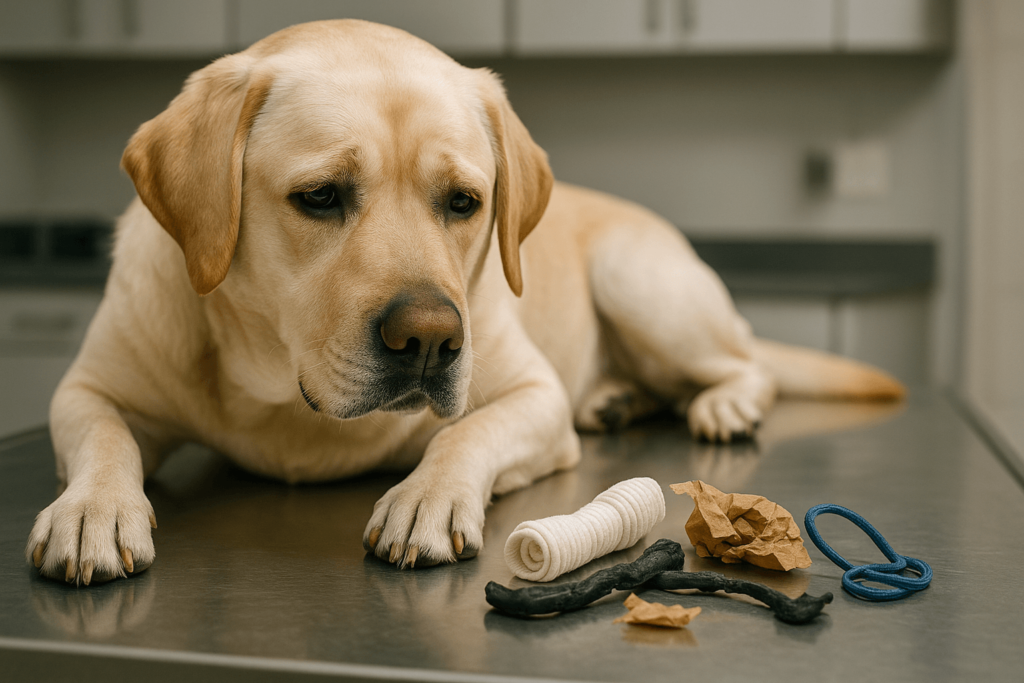
A gastric foreign body refers to any non-food item that a dog ingests and that subsequently becomes trapped in the stomach or proximal small intestine. These objects range from harmless-looking household items to outdoor debris—and even things meant for dogs, like chew toys or rawhide. While some foreign bodies may pass on their own, others cause partial or complete blockages, leading to pain, vomiting, dehydration, and even tissue death if left untreated.
- Common Culprits Include Toys and Chews
Small rubber balls, squeaker toys, rope fibers, and rawhide pieces are frequent offenders—especially in enthusiastic chewers who don’t discriminate by size. - Household Hazards Are Everywhere
Socks, underwear, hair ties, plastic wrappers, and even children’s small toys are easily swallowed during unsupervised moments. - Outdoor Objects Pose Hidden Dangers
Sticks, stones, acorns, corn cobs, and plastic bags picked up during walks can seem innocuous but often cause serious obstructions. - Food-Related Items Can Be Tricky
Bones (cooked or raw), fruit pits, and large gristle chunks may seem digestible but frequently lodge in the stomach or intestines. - Non-Digestible Materials Are High-Risk
Items like metal, rubber, dense plastics, and fabric don’t break down and are more likely to cause mechanical blockages or perforations.
Though dogs have evolved as scavengers, their modern environment is filled with objects their digestive systems simply weren’t built to handle—making vigilance essential for every pet parent.
Recognizing the Warning Signs Early
Spotting a gastric foreign body in its early stages can prevent severe complications. Dogs often mask discomfort until it becomes overwhelming, so knowing what subtle behaviors to look for is crucial. Early intervention not only improves outcomes but can also reduce treatment costs and recovery time.
- Repeated Vomiting (Especially Non-Productive)
If your dog keeps trying to vomit but brings up little or only bile or foam, it may indicate a partial or complete blockage. - Loss of Appetite or Sudden Food Refusal
A dog that usually eats eagerly but suddenly turns away from meals might be experiencing stomach distress. - Lethargy or Unusual Restlessness
Abdominal pain can manifest as either extreme tiredness or anxious pacing, whining, or inability to get comfortable. - Abdominal Swelling or Tenderness
A distended belly or flinching when touched near the stomach area should raise immediate concern. - Changes in Bowel Movements
Diarrhea, constipation, or the absence of stool altogether can signal that something is obstructing normal digestion.
Because symptoms can mimic other illnesses like gastroenteritis or pancreatitis, any combination of these signs—especially after suspected ingestion—warrants urgent veterinary attention.
Check this guide 👉Cost of Dog Surgery to Remove Foreign Object: Best 7 Tips!
Check this guide 👉Understanding Foreign Body Surgery in Dogs: Best 7 Tips!
Check this guide 👉Home Remedy for Dog Constipation: Best 7 Expert Tips!
| Key Symptoms to Watch For | Immediate Actions to Take |
|---|---|
| Persistent vomiting (more than 2–3 episodes) | Withhold food, offer small sips of water, and call your vet immediately. |
| Visible distress or whining when lying down | Do not give over-the-counter meds—seek professional evaluation. |
| Known ingestion of a large or sharp object | Go to an emergency vet clinic even if symptoms haven’t appeared yet. |
| Dry heaving or retching without results | Monitor closely and prepare for possible X-rays or ultrasound. |
| Lack of bowel movements for over 24 hours | Track intake/output and alert your vet—this may indicate obstruction. |
High-Risk Breeds and Behavioral Factors
While any dog can swallow something they shouldn’t, certain breeds and personalities are more prone to gastric foreign bodies due to genetics, energy levels, or learned behaviors. Understanding these risk patterns helps owners tailor prevention strategies effectively.
- Young Dogs Are Naturally Curious
Puppies and adolescents under two years old explore the world with their mouths, making them the most common patients for foreign body ingestion. - High-Energy Breeds Often Act First
Terriers, Labs, and sporting breeds may grab and swallow objects during play without pausing to assess safety. - Anxious or Bored Dogs May Chew Excessively
Separation anxiety or lack of stimulation can lead to destructive chewing and accidental ingestion of non-food items. - Food-Motivated Dogs Are Easily Tempted
Breeds like Beagles or Dachshunds may gulp down anything that smells remotely edible—even if it’s wrapped or partially hidden. - Previous Incident = Higher Future Risk
Dogs that have had one foreign body episode are statistically more likely to repeat the behavior if environmental risks aren’t addressed.
Preventing recurrence often means more than just supervision—it requires environmental management and behavioral enrichment tailored to your dog’s personality.
Diagnostic Tools Your Vet May Use
When a gastric foreign body is suspected, time is of the essence. Veterinarians rely on a combination of physical exams and advanced imaging to confirm the presence, location, and severity of the obstruction—guiding decisions about whether surgery is needed.
- Abdominal Palpation
A skilled vet may feel a firm mass or distended loop of intestine during a hands-on exam, though this isn’t always conclusive. - X-Rays (Radiographs)
Metal, dense plastic, or bone will show up clearly; however, fabric, wood, or soft rubber may be invisible without contrast agents. - Barium Contrast Studies
When standard X-rays are inconclusive, a liquid barium solution is given orally—it coats the digestive tract and highlights blockages as it moves. - Abdominal Ultrasound
This real-time imaging can detect soft foreign bodies, assess blood flow to intestinal walls, and check for perforations or fluid buildup. - Endoscopy as Both Diagnostic and Treatment Tool
A camera on a flexible tube can visualize the stomach lining and, in many cases, retrieve the object without surgery—ideal for recent ingestions.
Accurate diagnosis ensures your dog receives the least invasive and most effective treatment possible, minimizing recovery time and complications.
Treatment Options: From Observation to Surgery
The approach to resolving a gastric foreign body depends on the object’s size, shape, material, location, and how long it’s been inside. Not every case requires surgery—but some demand immediate intervention to save the dog’s life.
- Watchful Waiting (For Small, Smooth Objects)
If the item is small, non-toxic, and already moving through the intestines, vets may recommend home monitoring with stool checks. - Endoscopic Retrieval (Within 24–48 Hours)
If the object is still in the stomach and accessible, endoscopy avoids surgical incisions and speeds recovery dramatically. - Surgical Intervention (For Complete or Sharp Obstructions)
Laparotomy—opening the abdomen—is necessary when the object is sharp, large, or causing tissue damage or perforation. - Supportive Care During Recovery
IV fluids, anti-nausea meds, pain control, and antibiotics are often used before, during, and after treatment to stabilize the dog. - Post-Op Monitoring for Complications
After surgery, vets watch for signs of infection, leakage from the incision site, or delayed motility (ileus), which can prolong hospitalization.
Every treatment path prioritizes your dog’s safety—but prevention remains far safer, less stressful, and more affordable than any emergency procedure.
Preventing Future Incidents at Home
Prevention is always more effective than treatment. By dog-proofing your home and understanding your pet’s behavior, you can drastically reduce the risk of another gastric foreign body emergency.
- Secure Trash and Laundry Areas
Use latched bins and keep hampers in closed rooms—socks and food wrappers are among the top ingested items. - Choose Safe, Size-Appropriate Toys
Avoid toys that can be shredded or broken into swallowable pieces; supervise play with rope or plush toys. - Store Small Household Items Out of Reach
Hair ties, batteries, coins, and office supplies should be kept in drawers or cabinets, especially in homes with curious dogs. - Supervise Outdoor Time Closely
Don’t let your dog roam unsupervised in yards or on walks—many foreign bodies are picked up from parks, sidewalks, or compost piles. - Train a Reliable “Leave-It” Command
This critical skill can stop ingestion before it happens and is especially useful during walks or multi-pet households.
Consistent routines and environmental awareness turn your home into a safer space—where exploration doesn’t come with hidden dangers.
Long-Term Outlook and Recovery Tips
Most dogs recover fully from a gastric foreign body if treated promptly and appropriately. However, the days and weeks following treatment require careful management to ensure healing and prevent setbacks.
- Follow Feeding Instructions Precisely
Start with bland, easily digestible meals in small portions, gradually returning to regular food over several days. - Restrict Activity Post-Surgery
Even if your dog seems energetic, leash walks and crate rest prevent strain on healing tissues for 10–14 days. - Monitor Stool Consistency and Frequency
Report any blood, mucus, straining, or absence of stool to your vet, as these may indicate lingering issues. - Attend All Follow-Up Appointments
Sutures, infection risk, and internal healing need professional evaluation—don’t skip post-op checks. - Address Underlying Behavioral Triggers
If boredom or anxiety contributed to the incident, work with a trainer or behaviorist to build healthier coping mechanisms.
With attentive care, most dogs bounce back completely—ready to play, nap, and explore again, just a little wiser (and hopefully, so are we).
“GI obstructions are emergencies often requiring surgical removal, and prompt veterinary intervention is critical to achieving the best outcome for your dog.”
— Cornell University
Frequently Asked Questions About Gastric Foreign Bodies in Dogs
What should I do if I see my dog swallow something dangerous?
Contact your veterinarian or an emergency clinic immediately—even if your dog seems fine. Some objects cause damage hours later.
How long does it take for a foreign object to pass naturally?
Most objects pass within 24–72 hours. If not seen in stool by 72 hours, or if symptoms develop, seek veterinary care.
Can a gastric foreign body resolve on its own?
Sometimes—but only if the object is small, smooth, and non-toxic. Never assume it will pass without professional guidance.
Are certain objects more dangerous than others?
Yes. Sharp items (bones, needles), batteries, and linear objects (string, yarn) pose higher risks of perforation or intestinal bunching.
What’s the average cost of foreign body surgery?
Costs range from $800 to $7,000+ depending on location, severity, and facility. Pet insurance can significantly offset expenses.
When Prevention Meets Preparedness
A gastric foreign body is one of the most common—and preventable—emergencies in veterinary medicine. While your dog’s curiosity is part of what makes them endearing, it’s our responsibility as guardians to create a world where that curiosity doesn’t come at a life-threatening cost. By recognizing early signs, acting swiftly when something goes wrong, and taking proactive steps to remove everyday hazards, you give your companion the best chance at a long, healthy, and incident-free life. Remember: in the world of dog ownership, awareness isn’t just kindness—it’s lifesaving care wrapped in daily attention.

Is Rawhide Bad for Cats? Best 7 Expert Tips! – Discover the risks, safe alternatives, and expert advice to keep your feline friend healthy and happy.

Is Rawhide Bad for Dogs? Best 7 Expert Tips! – Discover the risks, benefits, and safer alternatives to rawhides for your dog’s chewing needs.

Understanding Anorexia in Cats: Best 7 Expert Tips! – Learn why cats stop eating, spot warning signs, and discover how to help your feline regain appetite safely.

Understanding Anorexia in Dogs: Best 7 Expert Tips! – Learn causes, symptoms, and solutions to help your dog regain appetite and stay healthy.