
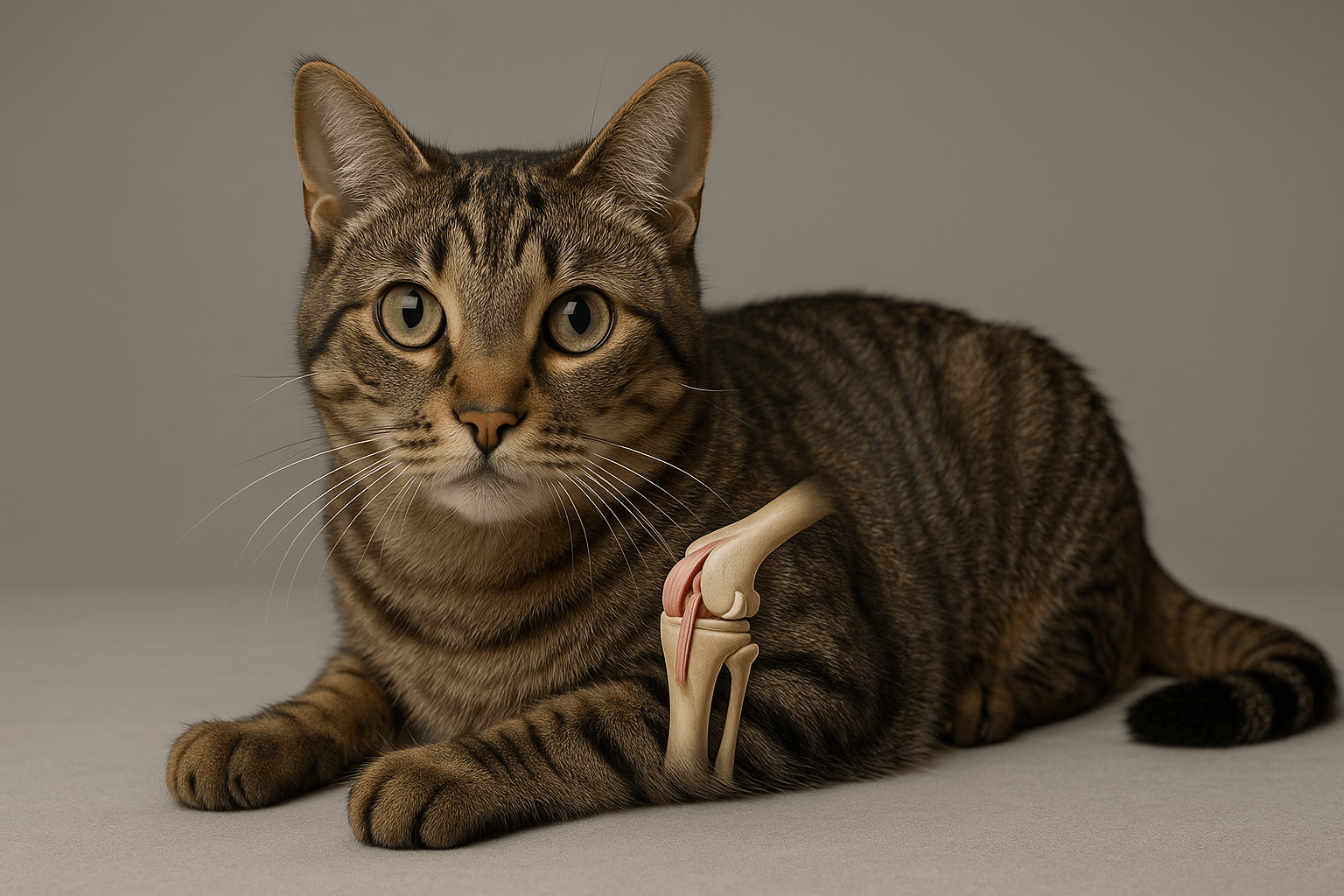
Understanding the Cat Anterior Cruciate Ligament Location
When it comes to feline mobility, every joint and ligament plays a vital role—and few are as crucial as the anterior cruciate ligament. Nestled within the stifle (the cat’s knee joint), this tiny but essential structure stabilizes the hind leg during leaps, landings, and sudden dashes. While less commonly discussed than in dogs, injuries to this ligament can significantly impact your cat’s comfort and agility. Knowing its exact location and function helps you recognize subtle signs of distress early. Understanding this anatomy isn’t just for veterinarians—it’s a key part of compassionate cat care.
Where Exactly Is the Anterior Cruciate Ligament in Cats?
The anterior cruciate ligament (ACL)—sometimes referred to as the cranial cruciate ligament (CCL) in veterinary contexts—is a small but critical band of connective tissue deep inside your cat’s hind knee. Unlike humans, cats rely heavily on explosive hind-leg propulsion for climbing, pouncing, and escaping threats, making joint integrity essential. This ligament connects the femur (thigh bone) to the tibia (shin bone), preventing the tibia from sliding forward during movement. Though tiny, its role is massive in maintaining smooth, pain-free motion.
- Located within the stifle joint:
The ACL resides inside the knee-like stifle, the primary joint of the cat’s hind limb, just below the femur and above the tibia. - Connects femur to tibia:
It runs diagonally from the back of the femur to the front of the tibia, acting like a tether to control forward movement of the shin bone. - Part of a cruciate pair:
Alongside the posterior cruciate ligament, it forms an “X” (cruciate) shape inside the joint, providing multidirectional stability. - Hidden beneath muscles and tendons:
Because it’s internal and not palpable from the outside, ACL injuries often go unnoticed until lameness appears. - Surrounded by synovial fluid:
The ligament is bathed in lubricating joint fluid, which nourishes it and reduces friction during motion.
Though invisible to the naked eye, the anterior cruciate ligament is foundational to your cat’s graceful movements—and its disruption can change everything about how your feline navigates the world.
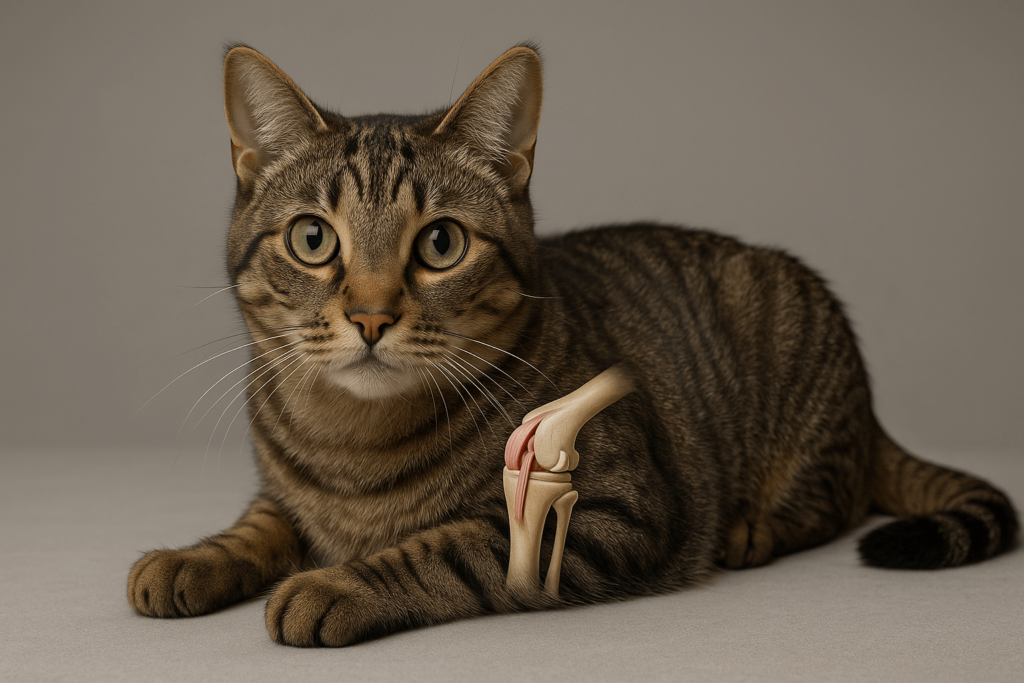
Why the Anterior Cruciate Ligament Matters for Feline Mobility
Cats are masters of stealth, balance, and precision—and much of that stems from the integrity of their hind-limb joints. The ACL’s primary job is to stabilize the knee during high-impact activities like jumping off countertops or chasing toys at full speed. Without it, the joint becomes unstable, leading to pain, inflammation, and compensatory behaviors that strain other limbs. Even partial tears can alter your cat’s gait, often subtly at first.
- Enables controlled landings:
After a leap, the ACL absorbs shock and prevents the tibia from shifting, allowing smooth, silent landings. - Supports rapid direction changes:
When your cat pivots mid-chase, the ligament keeps the knee from buckling under torsion. - Prevents joint degeneration:
A healthy ACL reduces abnormal wear on cartilage, lowering the risk of early-onset arthritis. - Maintains muscle coordination:
Proper ligament function ensures surrounding muscles fire in sync, preserving agility. - Critical for climbing confidence:
Instability in the stifle can make vertical climbs feel unsafe, causing hesitation or avoidance.
In short, this ligament isn’t just a passive strap—it’s an active participant in every confident step your cat takes.
Check this guide 👉Understanding Cat Leg Infections: Best 7 Expert Tips!
Check this guide 👉Cat Leg Whiskers: Best 7 Expert Tips!
Check this guide 👉Cat Leg Anatomy: Best 7 Expert Tips!
| Signs of ACL Concern | Daily Care Tips |
|---|---|
| Intermittent limping after play | Keep floors slip-resistant with rugs |
| Reluctance to jump onto high surfaces | Provide low, stable steps or ramps |
| Stiffness after resting | Encourage gentle movement after naps |
| Swelling near the knee joint | Monitor joints weekly for warmth or puffiness |
| Licking or chewing at the hind leg | Use soft pet-safe cones if overgrooming occurs |
Common Causes of Anterior Cruciate Ligament Injury in Cats
While ACL tears are rarer in cats than in dogs, they do happen—often triggered by sudden trauma or chronic joint stress. Unlike large-breed dogs, whose ligaments degenerate over time, cats usually suffer acute injuries from missteps or falls. However, underlying conditions like obesity or arthritis can weaken the joint over time, increasing vulnerability.
- High-impact landings:
A miscalculated jump from a window or shelf can torque the stifle beyond its limits. - Obesity-related strain:
Extra weight places constant pressure on the ligament, accelerating wear. - Degenerative joint disease:
Arthritis alters joint mechanics, indirectly stressing the ACL. - Congenital joint laxity:
Some cats are born with looser ligaments, predisposing them to injury. - Repetitive minor trauma:
Frequent hard landings during play may cause microtears that accumulate.
Prevention starts with minimizing risk factors—ensuring safe climbing spaces and maintaining a lean, healthy weight.
Diagnosing ACL Issues: What Vets Look For
Because cats mask pain instinctively, ACL injuries often go undetected until the problem worsens. Veterinarians use a combination of physical exams, imaging, and gait analysis to pinpoint the issue. One key test is the “cranial drawer sign,” where the vet gently moves the tibia forward while stabilizing the femur—if it slides abnormally, the ACL is likely compromised.
- Physical manipulation test:
The cranial drawer test is the gold standard for ACL assessment in conscious or sedated cats. - X-rays for secondary signs:
While ligaments don’t show on X-rays, joint swelling or arthritis may indicate past trauma. - Observation of gait:
Vets watch how your cat walks, jumps, and shifts weight between legs. - Pain response evaluation:
Gentle pressure on the stifle may reveal discomfort even if your cat doesn’t vocalize. - Ruling out other causes:
Conditions like patellar luxation or hip dysplasia must be excluded first.
Early diagnosis dramatically improves recovery outcomes—so don’t dismiss subtle changes in mobility.
Treatment Options for ACL Injuries in Cats
Unlike dogs, most cats with ACL injuries respond well to conservative (non-surgical) management thanks to their lighter weight and different biomechanics. However, severe tears or persistent lameness may warrant more aggressive intervention. The goal is always pain relief, joint stability, and return to normal function.
- Strict rest and confinement:
Limiting activity for 4–6 weeks allows natural healing in mild to moderate cases. - Pain management protocols:
Veterinarian-prescribed NSAIDs or other analgesics reduce inflammation and discomfort. - Weight optimization:
Shedding excess pounds decreases ongoing stress on the healing joint. - Physical rehabilitation:
Controlled exercises, laser therapy, or acupuncture may support recovery. - Surgical repair (rarely needed):
In chronic or bilateral cases, procedures like extracapsular stabilization might be considered.
Most cats regain full or near-full function with proper care—often without ever going under the knife.
Long-Term Joint Health After an ACL Injury
Even after recovery, that once-injured stifle remains more vulnerable to future issues. Proactive joint care becomes a lifelong priority. The aim is to slow cartilage degradation, maintain muscle support, and prevent arthritis from taking hold too early.
- Daily joint supplements:
Glucosamine, chondroitin, and omega-3s nourish cartilage and reduce inflammation. - Low-impact exercise routines:
Gentle play with wand toys keeps muscles strong without jarring the joint. - Orthopedic bedding:
Memory foam beds cushion joints during rest, easing morning stiffness. - Regular vet check-ins:
Biannual exams help catch degeneration before symptoms appear. - Environmental modifications:
Reduce jump heights and add traction to slippery floors to minimize re-injury risk.
With consistent care, your cat can enjoy years of comfortable mobility—even on a previously injured leg.
Preventing Future Ligament Strain in Your Feline Friend
Prevention is always kinder than cure, especially when it comes to delicate joint structures. By creating a safe, supportive environment and monitoring your cat’s physical condition, you can greatly reduce the odds of another stifle crisis.
- Maintain ideal body condition:
A lean cat exerts less force on every joint with each step. - Install cat-friendly furniture:
Provide staggered shelves or cat trees with multiple landing levels to avoid big leaps. - Trim claws regularly:
Overgrown claws reduce traction, increasing slip-and-fall risks on smooth surfaces. - Avoid high-impact toys:
Discourage toys that encourage wild, uncontrolled sprinting on hard floors. - Watch for behavioral shifts:
If your cat avoids stairs or hesitates before jumping, investigate early.
Small daily choices add up to big long-term protection for your cat’s knees.
Frequently Asked Questions About the Cat Anterior Cruciate Ligament Location
Can cats fully recover from an ACL tear?
Yes—most cats heal well with rest, pain management, and weight control, often returning to near-normal activity within 6–8 weeks.
Is surgery common for feline ACL injuries?
Rarely. Due to their light weight and different joint loading, cats usually don’t require surgical intervention like dogs do.
How can I tell if my cat has an ACL problem?
Look for intermittent limping, reluctance to jump, or stiffness after rest—especially if it worsens after activity.
Are certain breeds more at risk?
No breed is specifically predisposed, but overweight or older cats face higher risk due to joint stress.
Can diet help protect my cat’s ligaments?
Absolutely. A balanced, species-appropriate diet supports connective tissue health and helps maintain a lean body mass.
A Final Word: Protecting Your Cat’s Silent Strength
Your cat moves through the world with silent grace, leaping and landing with an elegance that seems effortless. But beneath that poise lies a complex network of tendons, ligaments, and joints—each playing its part in every graceful motion. The anterior cruciate ligament, though tiny and hidden, is a linchpin in that system. By understanding its location, respecting its vulnerability, and responding quickly to subtle signs of trouble, you honor your feline’s resilience and ensure they continue to climb, pounce, and curl up beside you for years to come. After all, the quietest steps often carry the deepest trust—and deserve the gentlest care.

Is Rawhide Bad for Cats? Best 7 Expert Tips! – Discover the risks, safe alternatives, and expert advice to keep your feline friend healthy and happy.

Is Rawhide Bad for Dogs? Best 7 Expert Tips! – Discover the risks, benefits, and safer alternatives to rawhides for your dog’s chewing needs.

Understanding Anorexia in Cats: Best 7 Expert Tips! – Learn why cats stop eating, spot warning signs, and discover how to help your feline regain appetite safely.

Understanding Anorexia in Dogs: Best 7 Expert Tips! – Learn causes, symptoms, and solutions to help your dog regain appetite and stay healthy.