Mitral Valve Disease in Cats: Best 7 Expert Tips!

Mitral Valve Disease in Cats: Best 7 Expert Tips!

Mitral Valve Disease in Cats: What Every Cat Owner Should Know

When your cat purrs softly on your lap, it’s easy to assume their heart is as steady as their calm demeanor. But beneath that quiet exterior, a silent condition like mitral valve disease can quietly progress—often without obvious signs until it’s advanced. While less common in cats than in dogs, this heart disorder can significantly impact your feline friend’s quality of life if left unaddressed. Understanding its origins, symptoms, and management options empowers you to act early and thoughtfully. Because when it comes to your cat’s heart, awareness truly is love in action.

What Is Mitral Valve Disease?


Mitral valve disease (MVD) affects the heart’s ability to pump blood efficiently due to a faulty valve between the left atrium and ventricle. In cats, it’s typically degenerative and progresses slowly—but not always harmlessly.

 
  • Valve leakage (regurgitation):
    Over time, the mitral valve’s edges thicken or warp, allowing blood to flow backward into the atrium instead of forward through the body.
     
  • Increased heart workload:
    To compensate for the leak, the heart must work harder, which can lead to enlargement and eventual heart failure.
     
  • Often asymptomatic early on:
    Many cats show no outward signs in the early stages, and the condition is frequently discovered during a routine vet exam via a heart murmur.
     
  • More common in older cats:
    While it can occur at any age, degenerative MVD is most often seen in senior cats over 10 years old.
     
  • Not the same as hypertrophic cardiomyopathy (HCM):
    Though HCM is the most common feline heart disease, MVD is a distinct condition involving valve dysfunction rather than muscle thickening.
 

Early detection through regular check-ups gives you the best chance to support your cat’s heart health before symptoms escalate.

Mitral Valve Disease in Cats: Best 7 Expert Tips!

Recognizing the Subtle Signs of Mitral Valve Disease


Cats are masters of hiding illness, and heart disease is no exception. Symptoms may be so mild you mistake them for “just getting older”—but paying close attention can reveal critical clues.

 
  • Reduced activity or lethargy:
    Your cat may nap more, avoid jumping to high perches, or seem less interested in play.
     
  • Increased breathing rate or effort:
    Watch for abdominal movement when breathing or open-mouth breathing—both signal respiratory distress.
     
  • Weight loss despite normal appetite:
    Metabolic changes and poor circulation can lead to muscle wasting even if your cat is eating well.
     
  • Fainting or collapse (rare but serious):
    This indicates advanced disease and requires immediate veterinary care.
     
  • Heart murmur detected by a vet:
    Often the first—and only—sign in early stages; not all murmurs mean disease, but they warrant monitoring.
 

Because cats mask discomfort so well, any sustained change in behavior should prompt a visit to your veterinarian.

Early-Stage Support Strategies When to Seek Immediate Care
Regular vet check-ups with cardiac monitoring Labored or rapid breathing at rest
Maintaining a stress-free home environment Blue-tinged gums or tongue
Balanced diet with controlled sodium Sudden hind-leg weakness or paralysis
Weight management to reduce cardiac strain Collapse or unresponsiveness
Avoiding extreme temperatures Persistent coughing (though rare in cats)

Diagnostic Tools Your Vet May Use


If a murmur or symptoms suggest mitral valve disease, your veterinarian will recommend tests to confirm the diagnosis and assess severity.

 
  • Auscultation with a stethoscope:
    The first step; helps grade the murmur’s intensity and location.
     
  • Thoracic radiographs (X-rays):
    Show heart size, shape, and signs of fluid buildup in the lungs.
     
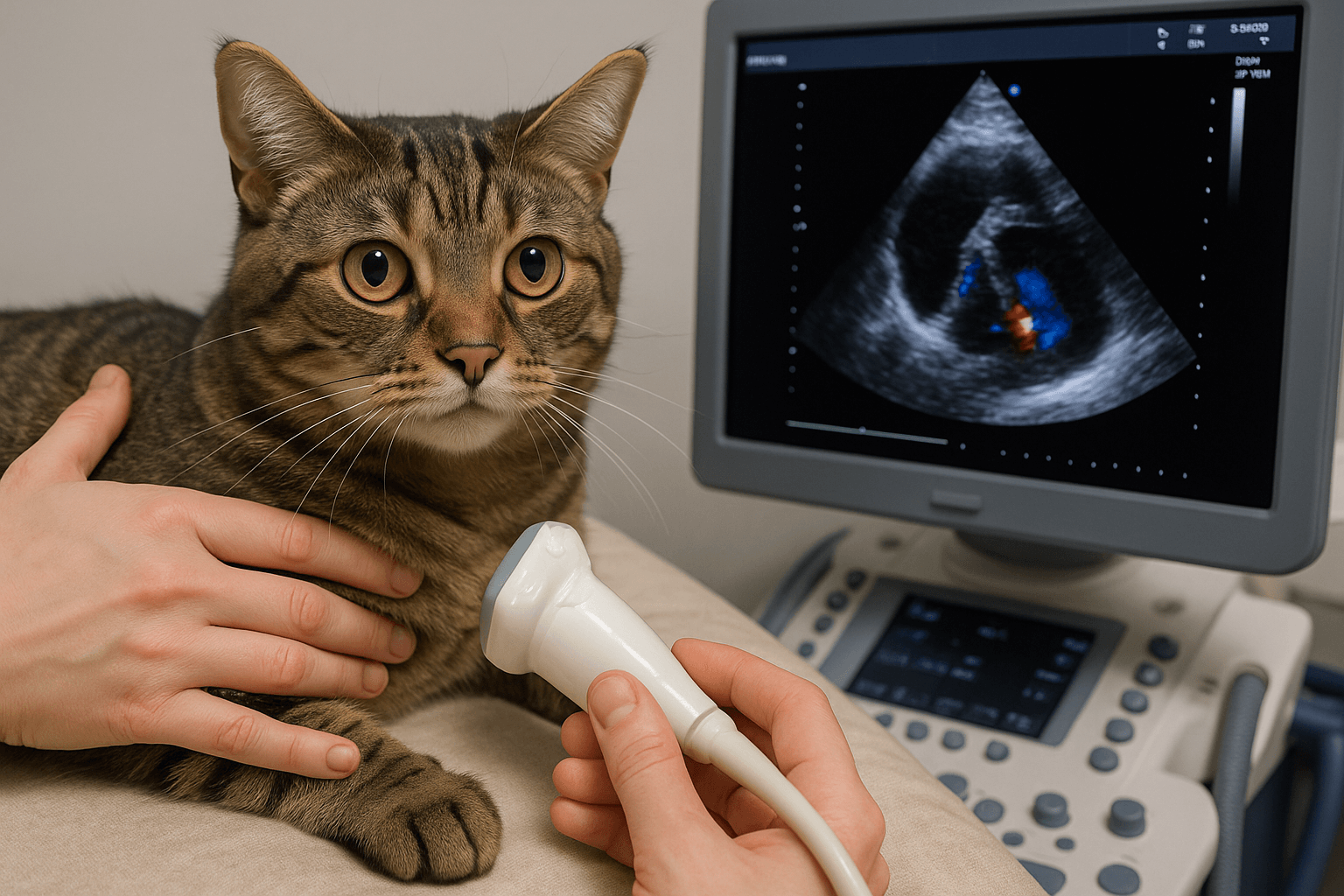
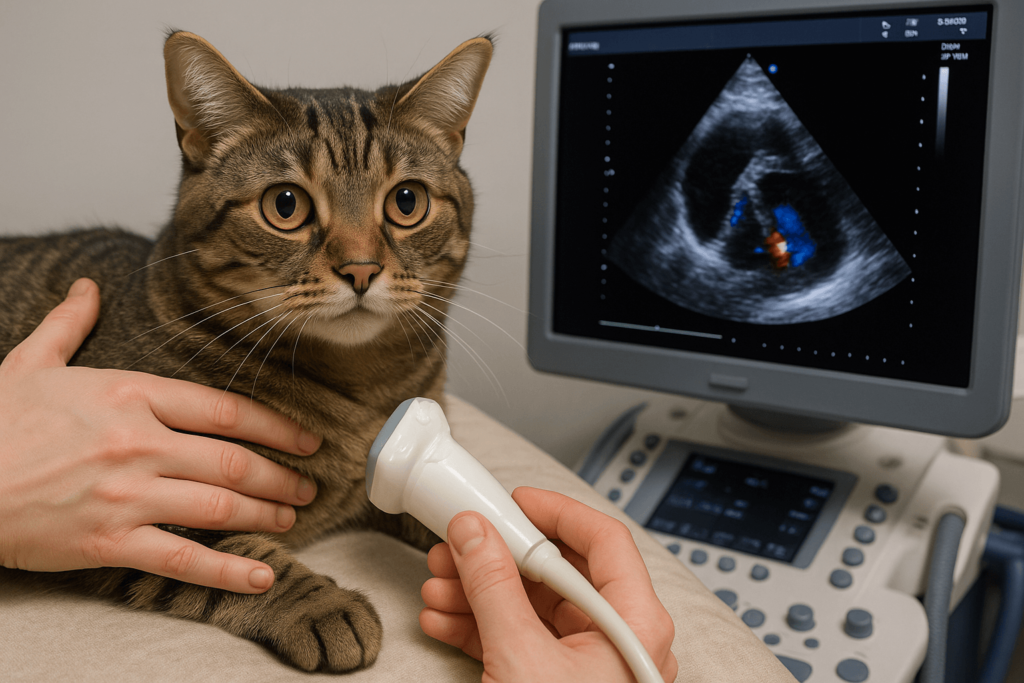
  • Echocardiogram (ultrasound of the heart):
    The gold standard—it visualizes valve movement, blood flow, and chamber dimensions in real time.
     
  • Electrocardiogram (ECG/EKG):
    Checks for abnormal heart rhythms that may accompany valve disease.
     
  • Blood pressure and thyroid testing:
    Rules out hypertension or hyperthyroidism, which can mimic or worsen heart symptoms.
 

These tools allow your vet to create a personalized management plan—before irreversible damage occurs.

Treatment and Management Options


While mitral valve disease can’t be cured, its progression can often be slowed, and symptoms managed to preserve quality of life.

 
  • Medications for heart support:
    Drugs like ACE inhibitors (e.g., benazepril) or diuretics (e.g., furosemide) may be prescribed if heart failure develops.
     
  • Regular cardiac monitoring:
    Follow-up echocardiograms and exams help track changes and adjust treatment as needed.
     
  • Low-sodium diet:
    Reduces fluid retention and eases the heart’s workload—especially important in moderate to advanced cases.
     
  • Stress reduction at home:
    Quiet routines, safe hiding spots, and minimal disruptions help lower cortisol and cardiac strain.
     
  • Avoiding overexertion:
    Gentle play is fine, but intense activity should be limited once the disease is diagnosed.
 

With careful oversight, many cats live comfortably for months or even years after diagnosis.

What NOT to Do If Your Cat Has Mitral Valve Disease


Good intentions can backfire when managing heart conditions. Avoid these common but risky mistakes.

 
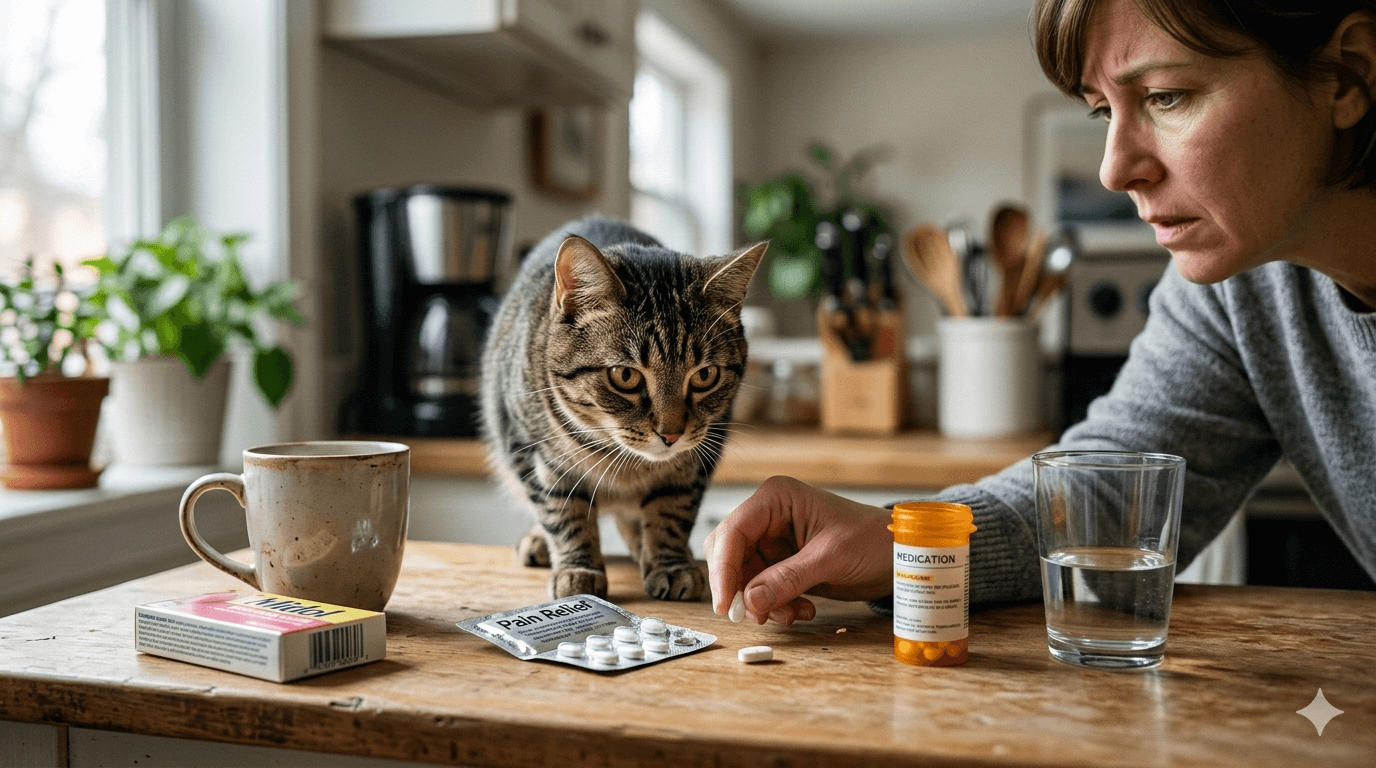
  • Giving human heart medications:
    Drugs like beta-blockers or aspirin can be toxic to cats without precise dosing and veterinary supervision.
     
  • Ignoring dental care:
    Oral bacteria can enter the bloodstream and worsen valve damage—regular cleanings are essential.
     
  • Assuming “no symptoms” means “no problem”:
    Silent progression is typical; skipping check-ups can miss critical windows for intervention.
     
  • Feeding high-sodium treats or table scraps:
    Even small amounts can trigger fluid retention and breathing difficulties.
     
  • Delaying care during respiratory changes:
    Cats in heart failure deteriorate quickly; waiting “until morning” can be fatal.
 

When in doubt, always consult your veterinarian before making changes to diet, medication, or lifestyle.


The Role of Nutrition in Supporting Heart Health


Diet plays a surprisingly powerful role in managing feline heart conditions—even before symptoms appear.

 
  • Taurine is non-negotiable:
    This amino acid is essential for heart muscle function; all commercial cat foods are supplemented, but homemade diets often lack it.
     
  • Omega-3 fatty acids (EPA/DHA):
    May help reduce inflammation and support cardiovascular function; often added via fish oil (vet-approved dose).
     
  • Controlled phosphorus and sodium:
    Important in later stages to support kidney and heart synergy, especially in older cats.
     
  • Maintaining ideal body weight:
    Obesity strains the heart, while underweight cats may lack reserves to fight illness.
     
  • Hydration matters:
    Wet food helps maintain blood volume and kidney function, both vital for cats with heart conditions.
 

Always discuss supplements or diet changes with your vet—balance is key.

Living Well With a Cat Who Has Mitral Valve Disease


A diagnosis isn’t a life sentence—it’s a call to tailor your care with extra tenderness and attention.

 
  • Create a calm, predictable environment:
    Cats with heart disease thrive on routine and low-stress surroundings.
     
  • Monitor resting respiratory rate weekly:
    Count breaths per minute while your cat sleeps; over 35–40 breaths/minute warrants a vet call.
     
  • Keep vet records organized:
    Track medications, test results, and symptom changes to spot trends early.
     
  • Plan for emergencies:
    Know the location of your nearest 24-hour vet and have a carrier ready.
     
  • Celebrate small joys:
    Gentle head butts, quiet purring, and shared naps are precious—focus on quality, not just longevity.
 

With love, vigilance, and partnership with your vet, your cat can enjoy peaceful, meaningful days.

Frequently Asked Questions

Is mitral valve disease common in cats?

It’s less common than hypertrophic cardiomyopathy but still occurs—especially in older cats or certain breeds like Maine Coons or Ragdolls.

Sometimes, especially if caused by fever, anemia, or stress. But murmurs from valve disease are typically permanent and require monitoring.

Not necessarily in early stages. Medication usually begins only when symptoms or structural changes appear.

Diet supports heart health but can’t reverse valve damage. It’s one part of a broader care plan.

If a murmur is present, every 6–12 months is typical—more often if disease is confirmed or progressing.

A Quiet Heart, A Cherished Life


Mitral valve disease in cats may not come with dramatic warnings, but its quiet progression demands our quiet vigilance. By tuning into subtle shifts in breathing, energy, or routine—and partnering with a trusted veterinarian—you give your feline companion the gift of time, comfort, and dignity. Though their hearts may be small, the love they offer is immeasurable. And with informed, compassionate care, you can ensure that love beats strong for as long as possible.

Understanding Cryptosporidium in Cats: Best 7 Expert Tips!

Understanding Cryptosporidium in Cats: Best 7 Expert Tips! – Spot symptoms, treat safely, and stop parasite spread in your home.

Understanding Cryptosporidium in Dogs: Best 7 Expert Tips!

Understanding Cryptosporidium in Dogs: Best 7 Expert Tips! – Learn symptoms, treatment & prevention for this stubborn gut parasite.

Understanding Syringomyelia in Cats: Best 7 Expert Tips!

Understanding Syringomyelia in Cats: Best 7 Expert Tips! – Recognize signs, manage pain, and support your cat’s neurological health with vet-backed guidance.

Understanding Syringomyelia in Dogs: Best 7 Expert Tips!

Understanding Syringomyelia in Dogs: Best 7 Expert Tips! – Expert insights on symptoms, MRI diagnosis, pain management & quality of life.

Leave a Reply

Your email address will not be published. Required fields are marked *