
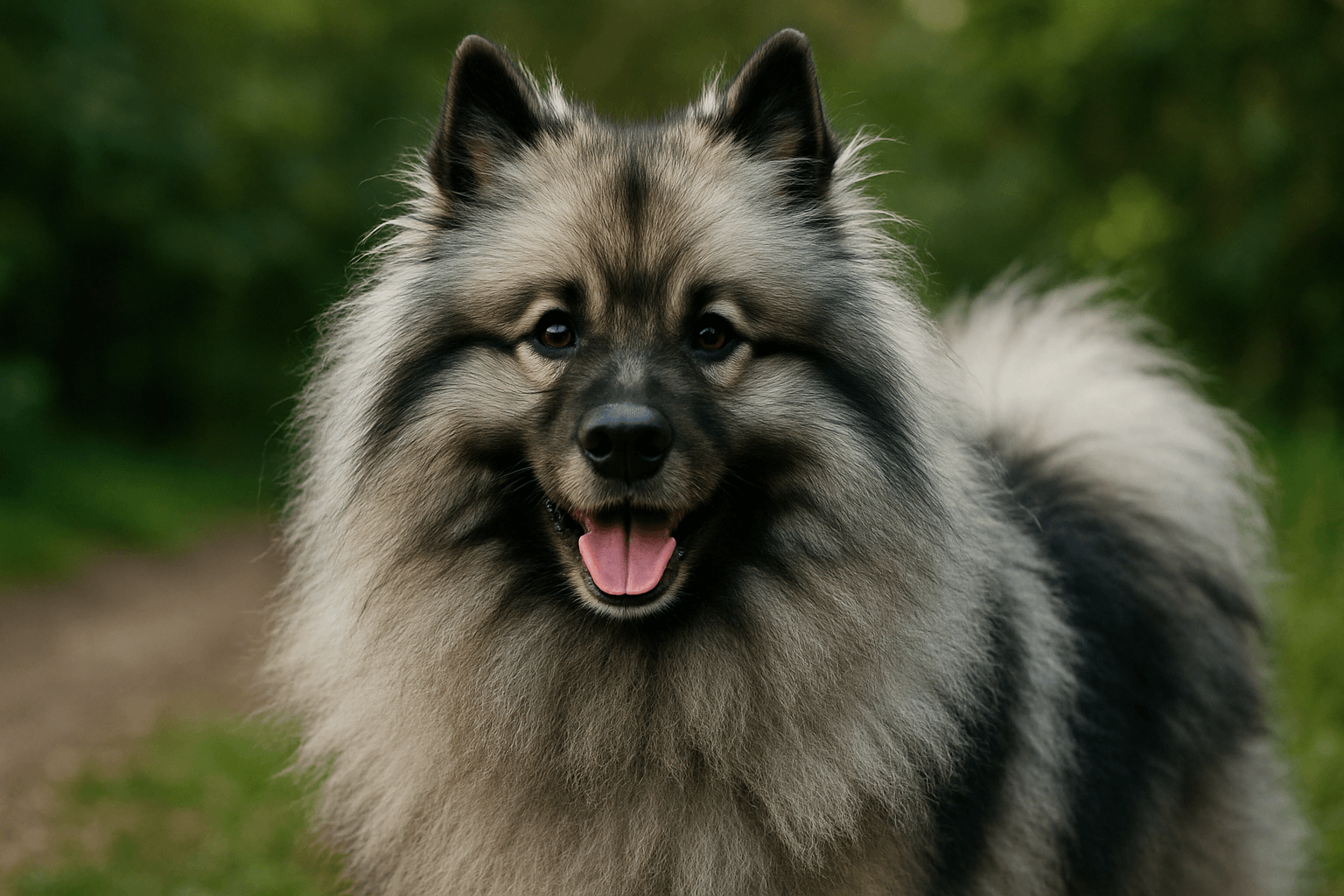

The Keeshond Dog Breed: A Fluffy Cloud of Smiles and Loyalty
With a mane like a lion, a smile that never fades, and eyes full of warmth, the Keeshond is more than just a pretty face—it’s a devoted, people-loving companion wrapped in plush fur. Originally bred as a watchdog and companion on Dutch barges, this Nordic charmer brings intelligence, cheerfulness, and a touch of theatrical flair to every home it enters. Known for its “spectacles”—distinctive markings around the eyes—it seems perpetually curious and endlessly expressive. If you’re seeking a family-friendly dog with elegance, heart, and a wagging tail that never quits, the Keeshond might just steal yours.
Origins and History of the Keeshond
The Keeshond isn’t just a beautiful breed—it’s a living symbol of Dutch heritage and political history. Its story weaves through canals, revolutions, and cozy hearths, revealing a dog deeply tied to human life for centuries.
- Dutch Barge Dog Roots:
The Keeshond served as a loyal companion and alert watchdog on merchant boats along the Rhine River, guarding cargo and keeping sailors company. - Named After a Patriot:
Its name honors Cornelis de Gijselaar (nicknamed “Kees”), leader of the 18th-century Dutch Patriots; the breed became a symbol of the movement. - Near Extinction and Revival:
Political shifts caused its popularity to wane, but dedicated breeders in the 1920s saved it from obscurity, especially in England and the Netherlands. - AKC Recognition:
The American Kennel Club officially recognized the Keeshond in 1930, praising its temperament and striking appearance. - National Symbol Status:
In the Netherlands, it’s affectionately called the “Dutch Smiling Dog” and remains a cherished cultural icon.
From canal decks to suburban backyards, the Keeshond has carried its spirited loyalty through history—always with that signature grin.
Distinctive Physical Traits of the Keeshond
The Keeshond’s appearance is unforgettable: a plush double coat, dramatic facial markings, and a tail curled like a question mark over its back. Every detail has purpose, rooted in its northern working origins.
- Medium, Balanced Build:
Standing 17–18 inches tall and weighing 35–45 pounds, it’s sturdy yet agile—perfect for life on and off the water. - Plush Double Coat:
A thick, weather-resistant outer coat and soft undercoat provide insulation against cold, damp climates. - Signature “Spectacles”:
Dark lines around the eyes, combined with light eyebrows, create an alert, smiling expression unique to the breed. - Color and Pattern:
The coat is always a mix of black, gray, and cream, with distinct bands on each hair (known as “shaded sable”). - Curled Tail and Mane:
The tail rests tightly over the back, and the ruff around the neck gives a lion-like elegance.
These aren’t just aesthetic charms—they’re functional traits honed over generations for resilience and expression.
Check this guide 👉Nordic Dog Breeds: Best 7 Expert Tips!
Check this guide 👉Jamaican Dog Breeds: Best 7 Expert Tips!
Check this guide 👉Discover the Karakachan Dog Breed: Best 7 Expert Tips!
| Temperament Highlights | Care Considerations |
|---|---|
| Affectionate and family-oriented | Daily brushing during shedding seasons |
| Highly social and people-focused | Prone to separation anxiety |
| Intelligent and eager to please | Needs mental stimulation daily |
| Gentle with children and other pets | Sensitive to hot climates |
| Natural watchdog with a clear bark | Requires early socialization |
Personality and Temperament: The Ultimate Family Companion
Few breeds match the Keeshond’s blend of warmth, intelligence, and joyful energy. It thrives on human connection and brings a steady, cheerful presence to every interaction.
- Deeply Affectionate:
The Keeshond forms intense bonds with all family members and often “checks in” with cuddles or gentle pawing. - Excellent with Children:
Patient, playful, and naturally gentle, it’s a wonderful partner for respectful kids of all ages. - Social Butterfly:
Unlike aloof breeds, the Keeshond loves meeting new people and rarely shows aggression. - Expressive and Vocal:
It uses barks, whines, and body language to communicate—often sounding like it’s “talking” back during training. - Loyal to a Fault:
This breed dislikes being left out and will follow you from room to room, tail wagging steadily.
In a world of independent dogs, the Keeshond stands out for its heartfelt devotion and emotional availability.
Training and Socialization Tips for Keeshond Owners
Training a Keeshond is a joy—but requires consistency, variety, and plenty of positive reinforcement. Boredom is their biggest enemy; engagement is their motivator.
- Start Early with Socialization:
Expose your puppy to diverse people, sounds, and environments before 16 weeks to build confidence. - Use Positive Methods Only:
Harsh corrections shut them down; they respond beautifully to treats, praise, and play-based rewards. - Keep Lessons Short and Fun:
Their sharp minds learn quickly, but attention wanes—mix obedience with tricks or scent games. - Teach Quiet Commands Early:
While not excessive barkers, their alert nature means they’ll vocalize; “quiet” training prevents nuisance barking. - Involve Them in Family Activities:
From walks to car rides to backyard games, they learn best when included in daily life.
With the right approach, your Keeshond becomes not just obedient—but an eager, joyful partner in everything you do.
Grooming and Coat Care Essentials
That glorious fluff doesn’t maintain itself—but with routine care, it stays healthy, tangle-free, and stunning year-round.
- Brush 3–4 Times Weekly:
Use a slicker brush and undercoat rake to prevent mats, especially behind ears and on legs. - Heavy Shedding Twice a Year:
During “blow coat” seasons (spring and fall), daily brushing is essential to manage loose fur. - Bathing Every 6–8 Weeks:
Use a gentle dog shampoo; over-bathing strips natural oils and dries the skin. - Clean Face and Paws After Walks:
Dirt and moisture can irritate skin—wipe gently with a damp cloth. - Never Shave the Coat:
The double coat regulates temperature; shaving can cause long-term texture damage and sunburn.
Grooming is also bonding time—most Keeshonds lean into it as a form of affection.
Health and Wellness Considerations
Generally a healthy breed, the Keeshond benefits from proactive care to avoid common genetic and age-related issues.
- Watch for Hip Dysplasia:
Though not overly common, responsible breeders screen for this joint condition. - Thyroid and Autoimmune Disorders:
Hypothyroidism and lupus-like syndromes can occur; annual blood panels help with early detection. - Dental Care Is Crucial:
Like many medium breeds, they’re prone to tartar buildup—brush teeth several times a week. - Maintain a Healthy Weight:
Their fluffy coat hides extra pounds; obesity stresses joints and shortens lifespan. - Lifespan of 12–15 Years:
With proper diet, exercise, and vet care, Keeshonds often enjoy long, vibrant lives.
Preventive care isn’t just medical—it’s an investment in years of shared joy.
Ideal Home and Lifestyle Fit
The Keeshond adapts well—but only if its emotional and physical needs are respected. It’s not a backyard dog; it’s a family member.
- Thrives in Active Households:
Daily walks, playtime, and mental games keep them happy—boredom leads to barking or chewing. - Not Suited for Hot Climates:
Their thick coat makes them vulnerable to heatstroke; keep them cool with AC, shade, and water. - Apartment-Friendly (With Exercise):
Their moderate energy fits city life—as long as they get enough outdoor time and interaction. - Poor Candidate for Long Alone Time:
Left alone for 8+ hours regularly, they may develop anxiety or destructive habits. - Great for Multi-Pet Homes:
When socialized early, they coexist peacefully with cats and other dogs, often becoming the “glue” of the group.
Give a Keeshond love, structure, and inclusion—and you’ll receive unwavering loyalty in return.
Frequently Asked Questions
Is the Keeshond good for first-time dog owners?
Yes! Their eagerness to please and responsiveness to positive training make them excellent for committed beginners.
Do Keeshonds shed a lot?
Yes—they “blow coat” heavily twice a year, requiring daily grooming during those periods. Off-season, shedding is moderate.
Are Keeshonds hypoallergenic?
No. Their double coat sheds dander and fur, making them unsuitable for most allergy sufferers.
How much exercise does a Keeshond need?
About 45–60 minutes daily, split between walks, play, and mental challenges like puzzle toys or obedience drills.
Can Keeshonds live in hot climates?
With precautions—yes. But they need air conditioning, limited midday sun, and access to cool water at all times.
Final Thoughts – More Than Just a Pretty Fluffball
The Keeshond is proof that beauty and brains can coexist with boundless heart. From its historic role on Dutch canals to its modern place at the foot of your bed, this breed offers unwavering companionship wrapped in a cloud of gray, black, and cream. Yes, it needs brushing, attention, and a spot on the couch—but in return, you gain a dog that smiles with its eyes, dances with its tail, and loves without conditions. If your home is filled with warmth, laughter, and togetherness, the Keeshond won’t just fit in—it will flourish.
Understanding Cryptosporidium in Cats: Best 7 Expert Tips! – Spot symptoms, treat safely, and stop parasite spread in your home.
Understanding Cryptosporidium in Dogs: Best 7 Expert Tips! – Learn symptoms, treatment & prevention for this stubborn gut parasite.
Understanding Syringomyelia in Cats: Best 7 Expert Tips! – Recognize signs, manage pain, and support your cat’s neurological health with vet-backed guidance.
Understanding Syringomyelia in Dogs: Best 7 Expert Tips! – Expert insights on symptoms, MRI diagnosis, pain management & quality of life.


