

What Is a Dog Muzzle? Best 7 Expert Tips!

What Is a Dog Muzzle? Best 7 Expert Tips!

What Is a Dog Muzzle?

A dog muzzle is far more than a tool of restriction—it’s a thoughtful safety measure that protects your pet, other animals, and people around them. Often misunderstood, muzzles play a vital role in responsible dog ownership, from vet visits to public outings. When used correctly, they allow dogs to explore the world safely while managing behaviors like biting, scavenging, or excessive barking. Whether your dog is reactive, recovering from surgery, or simply curious, a well-fitted muzzle can be a compassionate choice. Let’s clear up myths, explore types, and reveal how this simple device can enhance—not limit—your dog’s well-being.

Common Reasons Dogs Wear Muzzles


Muzzles serve many practical and humane purposes beyond the outdated idea of “punishment.” In fact, many veterinary and training professionals consider them essential gear for proactive pet parents.

 
  • Post-surgical or injury recovery:
    Dogs may lick or bite at wounds, sutures, or bandages; a muzzle prevents self-harm during healing.
     
  • Veterinary or grooming appointments:
    Even gentle dogs can snap when in pain or fear; a muzzle keeps staff safe and reduces stress through predictability.
     
  • Reactivity or fear-based aggression:
    For dogs who lunge or snap at triggers (bikes, strangers, other dogs), a muzzle adds a safety buffer during training.
     
  • Preventing scavenging:
    Dogs prone to eating trash, feces, or toxic substances benefit from basket muzzles on walks.
     
  • Legal or breed-specific requirements:
    Some regions or landlords require muzzles for certain breeds or in public spaces, regardless of temperament.
 

Used with empathy and proper fit, a muzzle empowers both dog and owner to navigate challenging situations with confidence.

What Is a Dog Muzzle? Best 7 Expert Tips!

Types of Dog Muzzles and Their Best Uses


Not all muzzles are created equal—choosing the right type depends on your dog’s needs, duration of use, and comfort.

 
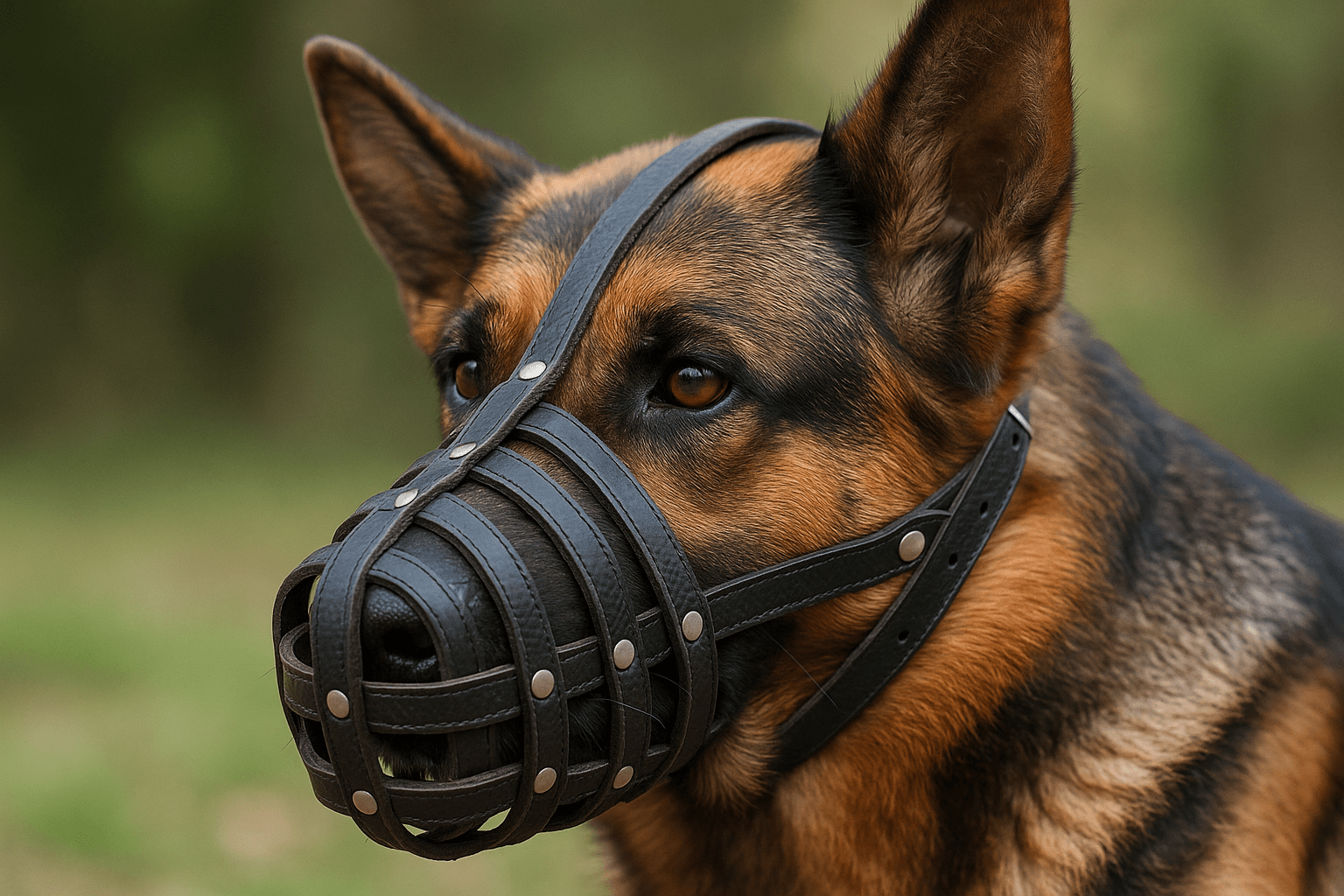
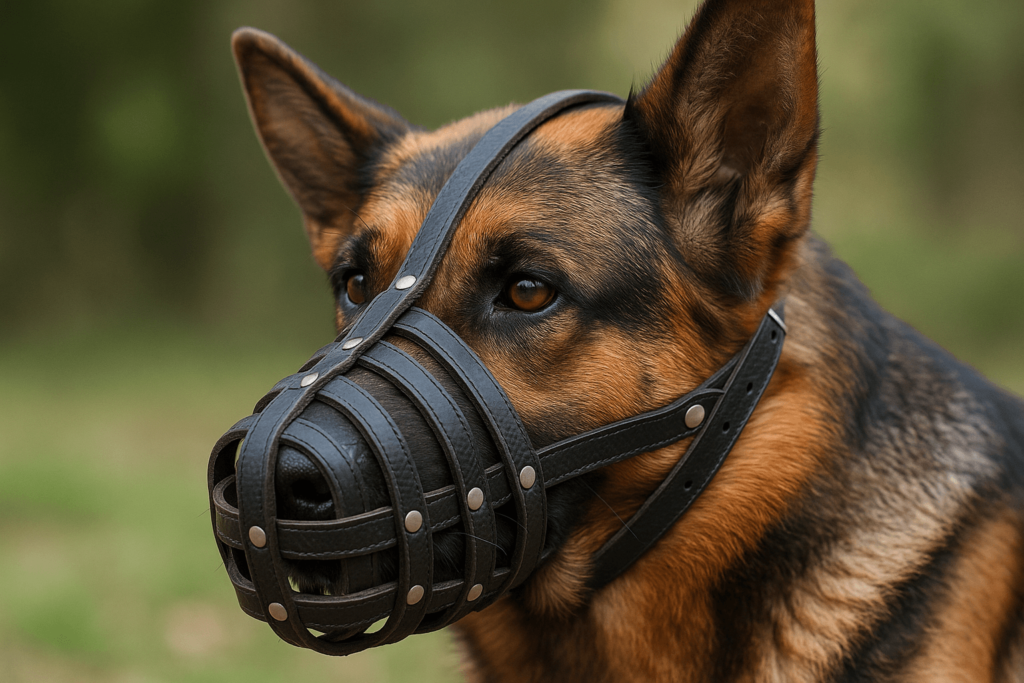
  • Basket muzzles (plastic, wire, or leather):
    Allow panting, drinking, and even taking treats; ideal for extended wear and training.
     
  • Soft fabric or nylon muzzles:
    Restrict jaw movement and airflow; suitable only for very short-term use (e.g., nail trims).
     
  • Custom-fit thermoplastic muzzles:
    Molded to your dog’s exact snout shape for maximum comfort and safety—great for dogs with unique head shapes.
     
  • Emergency gauze or wrap muzzles:
    Used in first aid to prevent biting during injury transport; never left on unattended.
     
  • Sport or protection training muzzles:
    Heavy-duty designs for bite work; not intended for everyday use or unsupervised wear.
 

The golden rule? Your dog must be able to pant, drink, and breathe freely—especially in warm weather

Muzzle Benefits Common Misconceptions
Prevents biting during panic or pain "Only aggressive dogs need muzzles"
Allows safe social exposure during training "Muzzles are cruel or punitive"
Stops dogs from ingesting dangerous items "Dogs can’t drink or pant in them"
Reduces liability in public settings "Muzzled dogs are unpredictable"
Supports gradual behavior modification "Training alone eliminates the need"

How to Introduce a Muzzle Positively


Forcing a muzzle leads to fear—but gradual, reward-based training builds trust and acceptance.

 
  • Start with scent and curiosity:
    Place the muzzle near your dog’s bed with treats inside, letting them investigate at their own pace.
     
  • Pair with high-value rewards:
    Feed meals or special treats only when the muzzle is nearby or briefly worn.
     
  • Use short, upbeat sessions:
    Begin with just 5–10 seconds of wear, gradually increasing duration only when your dog is relaxed.
     
  • Never rush or punish:
    If your dog paws at or resists the muzzle, go back a step—never scold or force it on.
     
  • Practice in calm environments first:
    Only use the muzzle in stressful situations (like vet visits) after your dog is fully comfortable.
 

With patience, most dogs learn to see their muzzle as a neutral—or even positive—part of their routine.

Safety Tips for Muzzle Use


Even the best muzzle can become dangerous if used incorrectly. Keep these guidelines in mind for your dog’s well-being.

 
  • Never leave a dog unattended in a muzzle:
    They can’t remove it if it slips, overheats, or causes distress—always supervise wear time.
     
  • Avoid fabric muzzles in heat:
    These restrict panting, which can lead to overheating or heatstroke within minutes.
     
  • Check fit regularly:
    A proper muzzle allows two fingers to fit vertically under the jaw and doesn’t rub the eyes or ears.
     
  • Limit wear time to necessity:
    Even basket muzzles shouldn’t be worn for hours; 30–60 minutes is typically the safe maximum.
     
  • Remove immediately if signs of stress appear:
    Pacing, whining, excessive drooling, or pawing indicate discomfort or fear.
 

A muzzle should enhance safety—not compromise comfort.

Breeds That May Benefit from Muzzle Training


While any dog can wear a muzzle, certain breeds or types often gain extra advantages due to size, strength, or legal considerations.

 
  • Bulldogs and mastiff-types:
    Their powerful jaws mean even playful mouthing can cause injury; muzzles add caution during greetings.
     
  • Sighthounds (e.g., Greyhounds, Whippets):
    High prey drive can trigger chasing and snapping at small animals—muzzles prevent accidents on walks.
     
  • Rescue dogs with unknown histories:
    Muzzles provide a safety net while you learn your new pet’s triggers and boundaries.
     
  • Dogs with medical conditions (e.g., dementia):
    Older dogs may snap unexpectedly due to confusion or pain—muzzles protect family members.
     
  • Working or protection-line dogs:
    Even well-trained dogs may have strong bite instincts; muzzles ensure control in public.
 

Remember: muzzle use isn’t about labeling a dog as “dangerous”—it’s about responsible management.

Legal and Travel Considerations


Laws and policies around muzzles vary widely—knowing the rules prevents stress during transit or public outings.

 
  • Public transportation rules:
    Many buses, trains, and subways require muzzles for dogs over a certain size or in crowded conditions.
     
  • International travel regulations:
    Some countries (e.g., UK, Australia) mandate muzzles during customs or quarantine entry procedures.
     
  • Breed-specific legislation (BSL):
    In areas with BSL, owners of breeds like Pit Bulls or Rottweilers may be legally required to muzzle in public.
     
  • Veterinary or boarding facility policies:
    Even friendly dogs may be asked to wear a muzzle upon arrival if they show stress signals.
     
  • Service or therapy dog exceptions:
    Certified assistance dogs are often exempt—but must still demonstrate reliable bite inhibition.
 

Always check local ordinances and venue policies ahead of time to avoid surprises.

Myths vs. Reality: Changing the Narrative


Muzzles carry unfair stigma—but education can shift public perception and improve dog welfare.

 
  • Myth: “Muzzled dogs are aggressive.”
    Reality: Many are fearful, in pain, or simply learning—muzzles often signal a responsible owner.
     
  • Myth: “Using a muzzle means I failed to train my dog.”
    Reality: Even expertly trained dogs can react under extreme stress—muzzles are a safety net, not a failure.
     
  • Myth: “It’s embarrassing to walk a muzzled dog.”
    Reality: Confident owners normalize muzzle use and spark helpful conversations about dog behavior.
     
  • Myth: “Muzzles stop barking or chewing.”
    Reality: They only prevent biting—behavioral issues require training, not just equipment.
     
  • Myth: “Dogs hate wearing muzzles.”
    Reality: With proper introduction, many dogs wear them willingly—especially if linked to fun outings.
 

Shifting this mindset helps reduce shame and increases acceptance of muzzles as a standard tool of care.

“A properly fitted basket muzzle will allow the dog to open its mouth, pant, eat treats, and show body language signals – but will prevent a bite.”

Ellen Lindell, VMD, DACVB

Frequently Asked Questions

Can a dog drink water with a muzzle on?

Yes—but only with a basket-style muzzle that allows the mouth to open slightly. Fabric muzzles block drinking entirely.

Up to 30–60 minutes under supervision, depending on temperature and activity. Never leave it on for hours.

No. Most muzzles don’t restrict vocalization—only jaw movement. Barking requires separate training.

Not when properly fitted and introduced. In fact, they prevent trauma from bites, rehoming, or legal consequences.

Yes—brief, positive sessions can start as early as 8–10 weeks to build comfort, using lightweight basket styles.

Final Thoughts – A Tool of Care, Not Control


A dog muzzle, when chosen wisely and used kindly, is a symbol of responsibility—not restriction. It reflects an owner’s commitment to safety, empathy, and proactive care. Whether you’re managing reactivity, aiding recovery, or simply preparing for the unexpected, the right muzzle gives your dog freedom within boundaries. By demystifying this tool and using it with compassion, you not only protect those around you—you honor your dog’s dignity, comfort, and right to be part of a trusting, understanding world.

Is Rawhide Bad for Cats? Best 7 Expert Tips!

Is Rawhide Bad for Cats? Best 7 Expert Tips! – Discover the risks, safe alternatives, and expert advice to keep your feline friend healthy and happy.

Is Rawhide Bad for Dogs? Best 7 Expert Tips!

Is Rawhide Bad for Dogs? Best 7 Expert Tips! – Discover the risks, benefits, and safer alternatives to rawhides for your dog’s chewing needs.

Understanding Anorexia in Cats: Best 7 Expert Tips!

Understanding Anorexia in Cats: Best 7 Expert Tips! – Learn why cats stop eating, spot warning signs, and discover how to help your feline regain appetite safely.

Understanding Anorexia in Dogs: Best 7 Expert Tips!

Understanding Anorexia in Dogs: Best 7 Expert Tips! – Learn causes, symptoms, and solutions to help your dog regain appetite and stay healthy.

Leave a Reply

Your email address will not be published. Required fields are marked *