
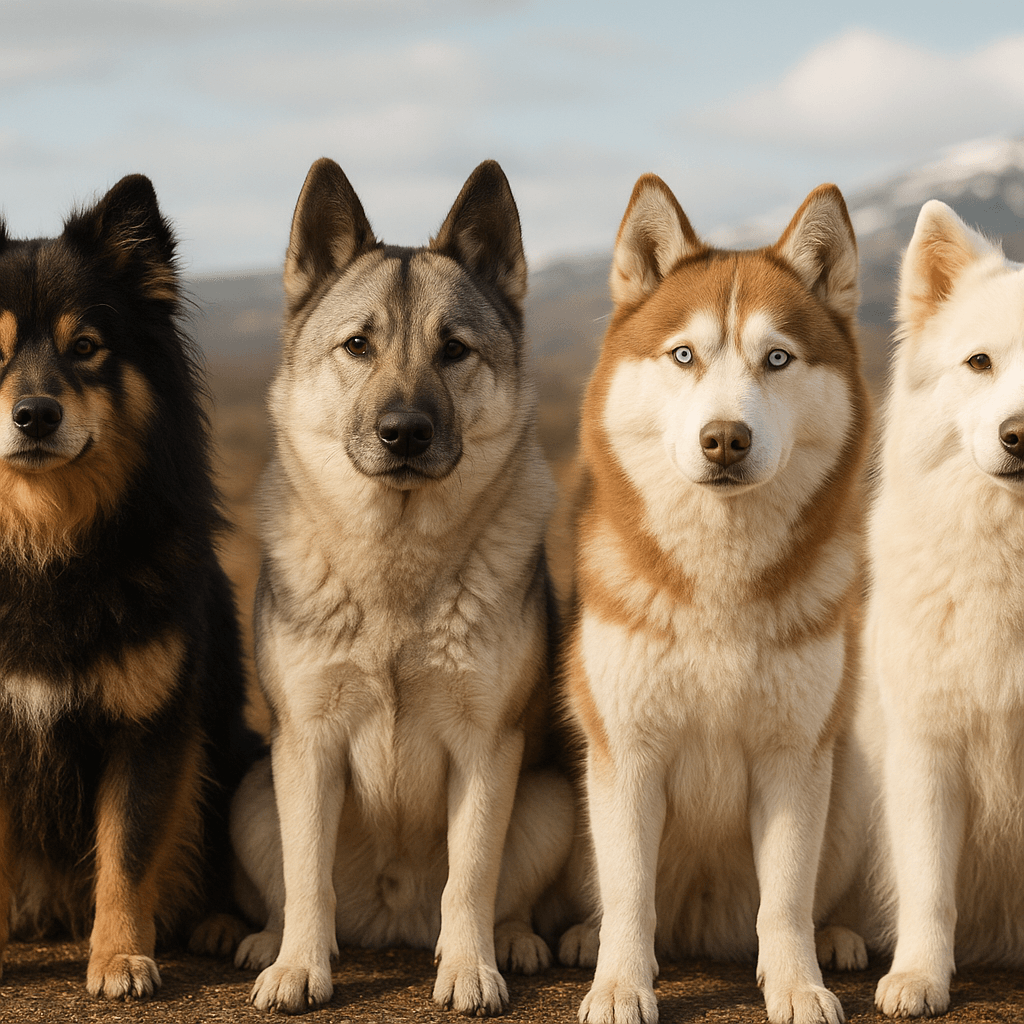

Nordic Dog Breeds: Best 7 Expert Tips!

Nordic Dog Breeds: Best 7 Expert Tips!

Nordic Dog Breeds: Majestic, Resilient, and Built for the Wild

From snow-blanketed forests to windswept Arctic tundras, Nordic dog breeds have thrived for centuries in some of Earth’s harshest climates. Bred for endurance, intelligence, and unwavering loyalty, these dogs are more than just companions—they’re living legacies of northern cultures and survival. With striking coats, alert eyes, and spirits as vast as the landscapes they hail from, Nordic breeds captivate dog lovers worldwide. Whether pulling sleds or guarding homesteads, their versatility is matched only by their beauty. Let’s explore what makes these northern wonders so extraordinary—and whether one might be your ideal match.

Origins and Historical Roles of Nordic Dog Breeds


Nordic dog breeds weren’t created for show rings—they were forged by necessity. Indigenous peoples across Scandinavia, Siberia, and the Arctic relied on these dogs for transportation, hunting, and protection in unforgiving environments.

 
  • Sled Pulling and Travel:
    Breeds like the Siberian Husky and Alaskan Malamute were essential for pulling sleds across ice and snow, enabling trade, migration, and survival.
     
  • Hunting and Herding:
    The Norwegian Elkhound tracked moose and guarded farms, while the Swedish Vallhund herded cattle with tireless energy and sharp instincts.
     
  • Guardians of Home and Hearth:
    Finnish Lapphunds and Icelandic Sheepdogs protected livestock from predators and warned families of approaching strangers.
     
  • Spiritual and Cultural Significance:
    In Norse and Sami traditions, these dogs were often seen as sacred—symbols of resilience, loyalty, and connection to nature.
     
  • Survival in Extreme Climates:
    Thick double coats, compact bodies, and high metabolisms evolved specifically to endure sub-zero temperatures and long winters.
 

These roles shaped not just their bodies, but their minds—making today’s Nordic dogs intelligent, independent, and deeply purposeful.

Nordic Dog Breeds: Best 7 Expert Tips!

Signature Physical Traits of Nordic Breeds


You can often spot a Nordic breed from a distance: pointed ears, curled tails, and dense, weather-resistant coats are their hallmarks. Every feature tells a story of adaptation.

 
  • Double Coat for Insulation:
    A soft undercoat traps warmth, while a coarse outer layer repels snow, wind, and moisture.
     
  • Almond-Shaped, Dark Eyes:
    Reduced exposure to wind and glare, often with a watchful, intelligent expression.
     
  • Erect, Triangular Ears:
    Enhance hearing over vast distances—critical for hunting or alerting in open terrain.
     
  • Bushy, Curled Tail:
    Often carried over the back, it can wrap around the face for added warmth during rest.
     
  • Compact, Muscular Build:
    Balanced for both endurance and bursts of speed, whether chasing prey or hauling loads.
 

These traits aren’t just aesthetic—they’re survival tools refined over thousands of years.

Classic Nordic Breeds Key Traits & Purposes
Siberian Husky Sled dog, high endurance, pack-oriented
Alaskan Malamute Heavy freight hauler, strong-willed, loyal
Norwegian Elkhound Big-game hunter, bold, protective
Finnish Lapphund Reindeer herder, gentle, vocal
Icelandic Sheepdog Livestock guardian, cheerful, agile

Temperament and Personality Across Nordic Breeds


Don’t expect a clingy lapdog—most Nordic breeds are independent thinkers with strong instincts and deep loyalty to their inner circle.

 
  • Highly Intelligent but Independent:
    They solve problems on their own terms, which can make training feel like a negotiation rather than obedience.
     
  • Loyal to Family, Reserved with Strangers:
    While affectionate at home, many Nordic dogs are naturally cautious around new people.
     
  • Vocal and Expressive:
    From howls to yodels, these breeds “talk”—especially when bored, excited, or alerting you to something.
     
  • Strong Pack Instincts:
    They often bond deeply with all household members and may struggle if isolated or ignored.
     
  • Playful with Endless Stamina:
    Don’t be fooled by calm indoor moments—they light up during outdoor adventures and thrive on activity.
 

Their personalities reflect their origins: self-reliant, observant, and always ready for purpose.

Training and Socialization Needs


Training a Nordic breed requires patience, creativity, and respect for their intelligence. Force or repetition alone won’t work—you need engagement.

 
  • Start Early with Socialization:
    Expose puppies to diverse people, sounds, and environments before 16 weeks to build confidence.
     
  • Use Positive, Game-Based Methods:
    They respond best to rewards, puzzles, and variety—monotony shuts them down fast.
     
  • Consistency Over Control:
    Clear boundaries matter, but harsh corrections breed resistance or withdrawal.
     
  • Channel Prey Drive Wisely:
    Many have strong chasing instincts; use flirt poles or recall games instead of off-leash freedom near roads.
     
  • Mental Stimulation Is Non-Negotiable:
    Without puzzles, scent work, or tasks, boredom can lead to digging, howling, or escape attempts.
 

Train with partnership in mind—not dominance—and you’ll earn their willing cooperation.


Exercise and Activity Requirements


These aren’t couch potatoes. Nordic breeds need physical and mental outlets to stay balanced and happy.

 
  • Daily Vigorous Exercise:
    Aim for 60–90 minutes of walking, running, hiking, or play—split into multiple sessions if needed.
     
  • Cold-Weather Enthusiasts:
    They often thrive in snow and may even refuse to come inside during winter storms.
     
  • Dog Sports Love:
    They excel in sledding, skijoring, agility, and scent work—activities that mimic their ancestral roles.
     
  • Not Ideal for Sedentary Lifestyles:
    Apartment living is possible, but only with committed daily activity and enrichment.
     
  • Escape Artists If Bored:
    A neglected Nordic dog may dig under fences or scale enclosures in search of adventure.
 

Meeting their energy needs isn’t optional—it’s the key to a peaceful home.

Grooming and Seasonal Care


That glorious coat comes with responsibilities—especially during biannual “blowouts” when fur seems to float like snow.

 
  • Weekly Brushing (Daily During Shedding):
    Use an undercoat rake during spring and fall to manage massive shedding.
     
  • Never Shave the Coat:
    Their double coat regulates temperature; shaving risks sunburn, overheating, and poor regrowth.
     
  • Ear and Paw Checks in Winter:
    Ice balls form between toes, and road salt can irritate skin—rinse paws after walks.
     
  • Dental and Nail Maintenance:
    Like all dogs, Nordic breeds need regular teeth brushing and nail trims, especially if less active in summer.
     
  • Bathing Only When Needed:
    Their coat is naturally water- and dirt-resistant; over-bathing strips protective oils.
 

Grooming is less about vanity and more about health, comfort, and preserving their natural insulation.


Ideal Living Environments and Considerations


While adaptable, Nordic breeds truly shine when their environment aligns with their instincts and energy.

 
  • Best in Cool or Temperate Climates:
    They struggle in high heat; air conditioning and shaded rest are essential in summer.
     
  • Need Secure, Fenced Yards:
    Their curiosity and prey drive mean they’ll chase squirrels or explore beyond boundaries if given the chance.
     
  • Thrive with Active, Engaged Owners:
    They bond deeply with people who include them in adventures, not those who treat them as backyard ornaments.
     
  • Can Live in Apartments—With Caveats:
    Only if their exercise and mental needs are fully met through structured daily routines.
     
  • Excellent With Respectful Children:
    When raised together, they’re gentle—but their size and energy mean supervision is wise with toddlers.
 

Give them purpose, space, and partnership, and they’ll reward you with unwavering devotion.

Frequently Asked Questions

Are Nordic dog breeds good for first-time owners?

Some, like the Icelandic Sheepdog, can be—but breeds like the Husky or Malamute are better suited for experienced owners due to their independence and energy.

Many do, especially Huskies and Malamutes, but others (like the Elkhound) bark more. Vocalization is common but can be managed with training.

Heavily—twice a year they “blow coat,” losing clumps of undercoat. Regular grooming minimizes mess but won’t stop it entirely.

With precautions—plenty of shade, water, AC, and limited outdoor time during peak heat—they can adapt, but it’s not ideal.

Rarely. Strong prey drive and independence make reliable off-leash recall difficult; most are safest on leash or in enclosed areas.

Final Thoughts – Guardians of the Northern Spirit


Nordic dog breeds carry the soul of the Arctic in their stride—the quiet strength of sled runners, the watchful gaze of herders, and the enduring loyalty of companions who once meant the difference between life and death in frozen lands. Owning one isn’t just about adding a pet to your home; it’s about embracing a partnership rooted in respect, activity, and mutual trust. If you’re ready to meet their needs—with daily adventure, patient training, and a deep appreciation for their wild heritage—you’ll gain not just a dog, but a living echo of the north itself.

Understanding Cryptosporidium in Cats: Best 7 Expert Tips!

Understanding Cryptosporidium in Cats: Best 7 Expert Tips! – Spot symptoms, treat safely, and stop parasite spread in your home.

Understanding Cryptosporidium in Dogs: Best 7 Expert Tips!

Understanding Cryptosporidium in Dogs: Best 7 Expert Tips! – Learn symptoms, treatment & prevention for this stubborn gut parasite.

Understanding Syringomyelia in Cats: Best 7 Expert Tips!

Understanding Syringomyelia in Cats: Best 7 Expert Tips! – Recognize signs, manage pain, and support your cat’s neurological health with vet-backed guidance.

Understanding Syringomyelia in Dogs: Best 7 Expert Tips!

Understanding Syringomyelia in Dogs: Best 7 Expert Tips! – Expert insights on symptoms, MRI diagnosis, pain management & quality of life.

Leave a Reply

Your email address will not be published. Required fields are marked *


