

The Vomeronasal Organ in Cats: Best 7 Expert Tips!

The Vomeronasal Organ in Cats: Best 7 Expert Tips!

The Vomeronasal Organ in Cats: Unlocking Their Secret Sensory World

Cats experience the world in ways we can barely imagine—and much of that hidden perception hinges on a tiny, fascinating structure called the vomeronasal organ. Nestled just behind their front teeth, this specialized sensory system allows cats to “taste-smell” chemical signals in the air, from pheromones to territorial markers. It’s the reason your cat curls its lip in that quirky, almost sneering expression known as the flehmen response. Understanding this organ reveals a deeper layer of feline behavior, communication, and instinct. Far from being just a curious quirk, the vomeronasal organ is central to how cats navigate relationships, reproduction, and even safety.

What Is the Vomeronasal Organ?


Also known as Jacobson’s organ, the vomeronasal organ is a chemosensory structure found in many mammals—but it’s especially refined in cats. Located in the roof of the mouth, it works alongside the nose and tongue to detect non-volatile chemical compounds that regular olfaction can’t pick up.

 
  • Anatomical location:
    Situated just behind the upper incisors, connected to the nasal and oral cavities via small ducts.
     
  • Dual sensory pathway:
    Unlike the main olfactory system, it detects pheromones and other social or reproductive chemical cues through direct contact or inhalation.
     
  • Neural connection:
    Signals travel directly to the amygdala and hypothalamus—brain regions tied to emotion, behavior, and instinct—not the conscious “smell” centers.
     
  • Activation via the flehmen response:
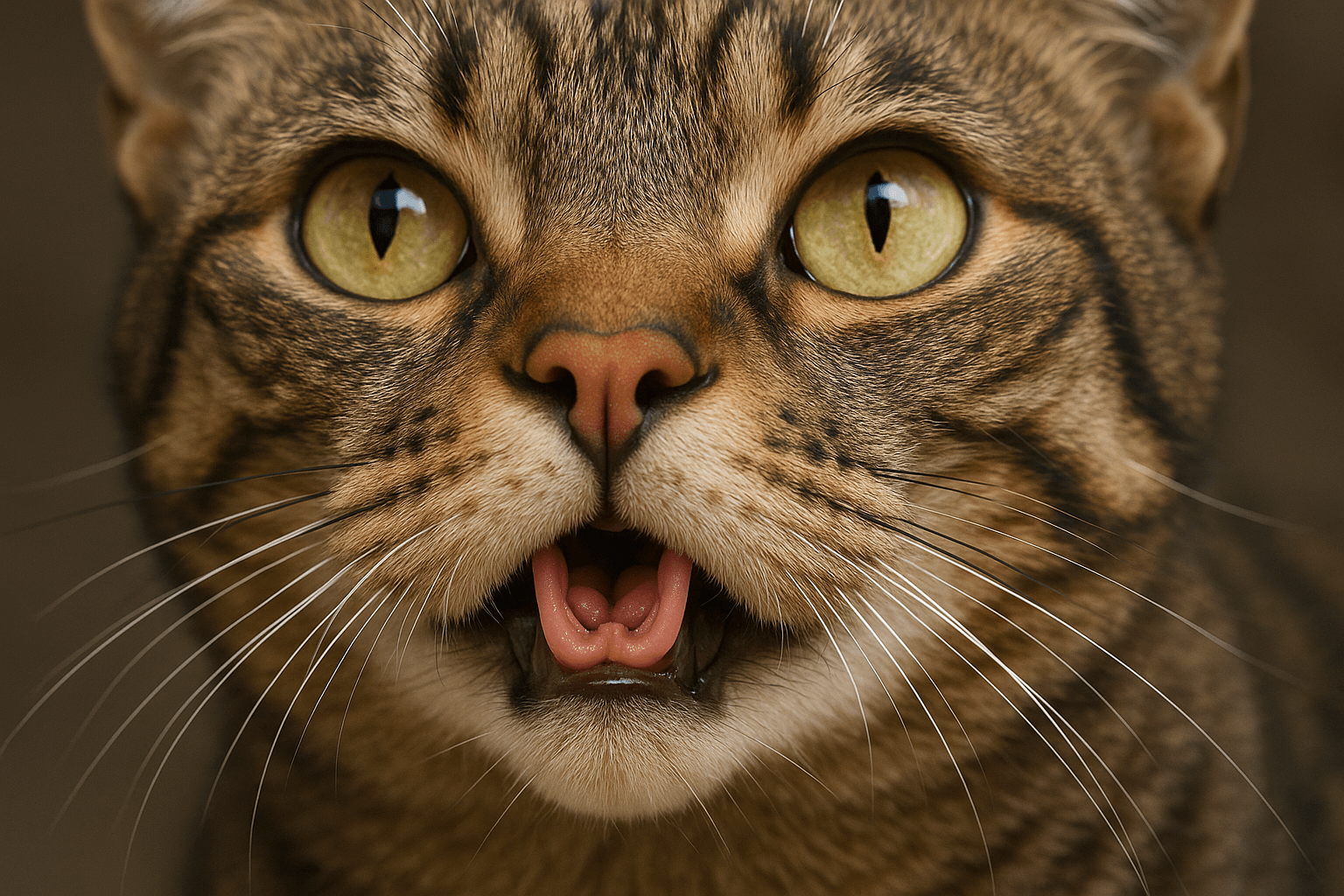
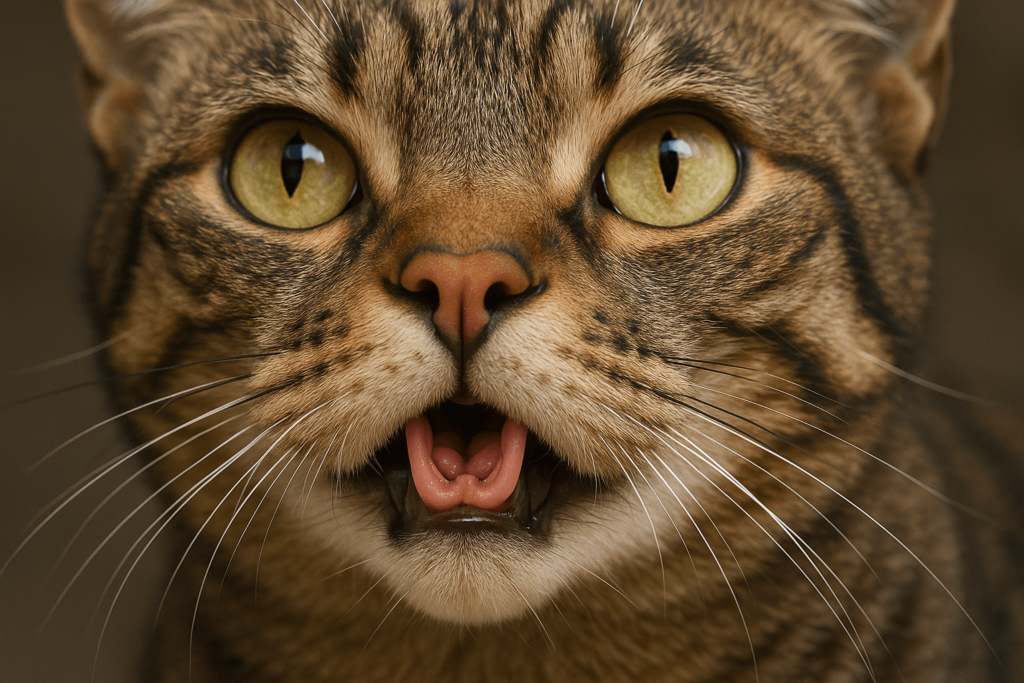
    When a cat curls its lip, closes its mouth, and appears to grimace, it’s opening ducts to draw scents into the vomeronasal organ.
     
  • Present in all felids:
    From house cats to lions, this organ is a shared evolutionary trait critical to feline survival and social structure.
 

This organ isn’t just a biological footnote—it’s a key to understanding why cats react the way they do to everything from new furniture to unfamiliar animals.

The Vomeronasal Organ in Cats: Best 7 Expert Tips!

The Flehmen Response: More Than a Funny Face


That odd, open-mouthed grimace your cat makes isn’t confusion or disgust—it’s a deliberate, functional behavior tied directly to the vomeronasal organ. Observing the flehmen response gives you a window into your cat’s chemical world.

 
  • Triggered by pheromone-rich scents:
    Commonly seen after sniffing urine, feces, or scent marks left by other cats.
     
  • More frequent in intact males:
    Unneutered males use it heavily to assess female reproductive status, but females and neutered cats also display it regularly.
     
  • Lasts just a few seconds:
    The cat freezes, lip curls, nostrils flare slightly, and breath is held briefly to maximize scent intake.
     
  • Often follows intense sniffing:
    It typically happens after the cat has already investigated a scent with its nose—this is the “deep analysis” phase.
     
  • Harmless and instinctive:
    It’s a completely natural behavior, not a sign of pain, illness, or distress.
 

Recognizing the flehmen response helps you interpret your cat’s environment through their eyes—or rather, through their chemical senses.

 
Functions of the Vomeronasal Organ Common Triggers in Daily Life
Detecting mating readiness in other cats Sniffing urine marks near windows or doors
Identifying territorial boundaries Investigating a new cat carrier or blanket
Assessing social hierarchy Sniffing your shoes after you’ve been outdoors
Recognizing familiar vs. unfamiliar scents Encountering a new pet or visitor’s belongings
Evaluating environmental safety Sniffing cleaning products or new furniture

How the Vomeronasal Organ Shapes Cat Behavior


This hidden sensory system influences everything from social bonding to anxiety—and explains many “mysterious” feline actions you might otherwise misinterpret.

 
  • Territorial marking awareness:
    Cats use the vomeronasal organ to read scent messages left by others, helping them avoid conflict or assert dominance.
     
  • Mate selection:
    Females in heat release pheromones that males detect via this organ—critical for natural breeding behaviors.
     
  • Mother-kitten bonding:
    Queens and kittens recognize each other through unique chemical signatures processed by this system.
     
  • Stress responses to unfamiliar scents:
    New smells (like a vet’s office) can overwhelm the vomeronasal system, contributing to fear or hiding.
     
  • Preference for familiar objects:
    Your cat may rub its face on your laptop or pillow not just to mark it—but to “read” your scent repeatedly for comfort.
 

In short, much of what we call “cat intuition” is actually sophisticated chemical intelligence.

The Vomeronasal Organ in Kittens vs. Adult Cats


This sensory system develops early—but its use evolves with age, social experience, and hormonal changes.

 
  • Functional by 3–4 weeks:
    Kittens begin showing flehmen responses once they start exploring beyond the nest.
     
  • Highly active during adolescence:
    As sexual maturity approaches, pheromone detection becomes more frequent and intense.
     
  • Less pronounced in senior cats:
    Sensory decline may reduce flehmen frequency, though the organ remains functional.
     
  • Neutering alters usage patterns:
    While still present, the drive to analyze reproductive pheromones diminishes after spay/neuter.
     
  • Lifelong role in social memory:
    Even older cats use it to recognize household members and long-term scents.
 

Developmental changes don’t eliminate this sense—they simply shift its focus from reproduction to familiarity and safety.

Misconceptions About the Vomeronasal Organ


Despite its importance, this organ is often misunderstood—even by devoted cat owners.

 
  • It’s not part of the “smell” system:
    It’s a separate chemosensory channel with its own neural wiring and purpose.
     
  • The flehmen response isn’t aggression:
    That lip curl looks like a snarl, but it’s purely sensory—not emotional or hostile.
     
  • Humans have a vestigial version:
    We possess remnants of the organ, but it’s nonfunctional in adults—so we can’t “do” flehmen.
     
  • It doesn’t detect food smells:
    It’s specialized for pheromones and social chemicals, not culinary aromas.
     
  • Not all grimaces are flehmen:
    True flehmen involves stillness and focused inhalation—not twitching, drooling, or pawing at the mouth.
 

Clearing up these myths helps you respond appropriately—and appreciate your cat’s sensory genius.

Supporting Your Cat’s Natural Sensory Needs


Honoring this hidden sense can improve your cat’s well-being, especially in multi-cat homes or stressful environments.

 
  • Avoid strong synthetic fragrances:
    Air fresheners, perfumes, or scented litters can overwhelm or confuse the vomeronasal system.
     
  • Use pheromone diffusers wisely:
    Products like Feliway mimic calming pheromones that the organ detects, reducing anxiety during transitions.
     
  • Let your cat “read” new items:
    When introducing a carrier or bed, allow time for sniffing and flehmen assessment before forcing interaction.
     
  • Respect scent-based routines:
    Cats feel secure when their environment smells consistent—avoid frequent deep-cleaning of their core areas.
     
  • Never punish the flehmen response:
    It’s an involuntary, natural behavior—scolding or startling your cat during it creates confusion.
 

By working with—not against—your cat’s biology, you foster trust and comfort.

When to Be Concerned: Abnormal Behaviors vs. Normal Flehmen


While the flehmen response is normal, some mouth or breathing behaviors warrant a vet visit.

 
  • Persistent lip curling with drooling:
    Could indicate dental pain, oral ulcers, or nausea—not flehmen.
     
  • Flehmen with pawing at the mouth:
    May signal a foreign object, tooth abscess, or oral injury.
     
  • Difficulty breathing during or after the response:
    Could point to respiratory issues, especially in flat-faced breeds.
     
  • Loss of interest in all scents:
    A sudden lack of curiosity might reflect illness, depression, or sensory decline.
     
  • Flehmen triggered by bland, odorless objects:
    Unusual fixation on non-scented items may indicate neurological or behavioral issues.
 

When in doubt, video the behavior and consult your veterinarian—context matters.

“Cats detect pheromones with the vomeronasal organ (VNO). The VNO is two fluid-filled sacs in the hard palate at the top of the mouth… Molecules travel to the VNO via two openings behind the front teeth.”

Frequently Asked Questions

Do all cats show the flehmen response?

Most do, but frequency varies by personality, age, and environment. Some are subtler than others.

Not exactly—but they detect stress-related pheromones humans emit, which may explain their seemingly intuitive reactions.

It’s not supernatural—it’s a highly evolved biological system for chemical communication.

They’re analyzing your scent to check where you’ve been, who you’ve met, and whether anything’s changed.

Absolutely. They read scents from windows, your clothes, other pets, and even household products—so it stays active.

Final Thoughts – Seeing the World Through Your Cat’s Chemical Lens


The vomeronasal organ may be small, but its impact on your cat’s life is enormous. It’s the silent interpreter of social codes, the detector of danger, and the quiet guardian of emotional safety. By understanding this hidden sense, you move beyond guesswork and into true empathy with your feline companion. Next time your cat curls its lip in that quirky grimace, don’t just smile—recognize it as a moment of deep perception, a glimpse into a rich, invisible world only they can fully experience. And in honoring that world, you strengthen the bond that makes cat ownership so uniquely rewarding.

Is Rawhide Bad for Cats? Best 7 Expert Tips!

Is Rawhide Bad for Cats? Best 7 Expert Tips! – Discover the risks, safe alternatives, and expert advice to keep your feline friend healthy and happy.

Is Rawhide Bad for Dogs? Best 7 Expert Tips!

Is Rawhide Bad for Dogs? Best 7 Expert Tips! – Discover the risks, benefits, and safer alternatives to rawhides for your dog’s chewing needs.

Understanding Anorexia in Cats: Best 7 Expert Tips!

Understanding Anorexia in Cats: Best 7 Expert Tips! – Learn why cats stop eating, spot warning signs, and discover how to help your feline regain appetite safely.

Understanding Anorexia in Dogs: Best 7 Expert Tips!

Understanding Anorexia in Dogs: Best 7 Expert Tips! – Learn causes, symptoms, and solutions to help your dog regain appetite and stay healthy.

Leave a Reply

Your email address will not be published. Required fields are marked *