

Gingivitis in Dogs: Best 7 Expert Tips!

Gingivitis in Dogs: Best 7 Expert Tips!

Gingivitis in Dogs: Don’t Ignore the Whisper Before the Warning

Your dog’s bright eyes and wagging tail might hide a silent struggle happening right in their mouth—gingivitis, the earliest stage of gum disease, affects the majority of dogs by age three. Often mistaken for “just bad breath,” this inflammation of the gums is both preventable and treatable when caught early. Left unchecked, however, it can escalate into painful infections, tooth loss, and even impact vital organs like the heart and kidneys. In this guide, we’ll unpack what gingivitis really looks like, how to spot it, and most importantly—what you can do to protect your pup’s smile and overall health. Because a healthy mouth isn’t just about fresh breath—it’s about lifelong well-being.

What Is Gingivitis—and Why It Matters


Gingivitis in dogs is more than cosmetic; it’s the body’s first red flag that oral bacteria are winning the battle. It begins when plaque—a sticky film of food debris and bacteria—builds up along the gumline and hardens into tartar, irritating the delicate gum tissue. Unlike humans, dogs rarely show obvious pain until the disease is advanced, making early detection crucial.

 
  • Reversible inflammation:
    Gingivitis is the only stage of periodontal disease that can be fully reversed with proper dental care and cleaning.
     
  • Common in adult dogs:
    Over 80% of dogs over age three show signs of some form of dental disease—gingivitis being the most frequent starting point.
     
  • Breed predisposition:
    Small breeds like Yorkies, Poodles, and Chihuahuas are especially prone due to crowded teeth and shallow roots.
     
  • Silent progression:
    Dogs hide discomfort instinctively, so subtle signs like slight redness or mild odor may go unnoticed for months.
     
  • Gateway to systemic issues:
    Untreated, bacteria from inflamed gums can enter the bloodstream and affect the heart, liver, and kidneys.
 

Recognizing gingivitis early isn’t just about saving teeth—it’s about safeguarding your dog’s entire health trajectory.

Gingivitis in Dogs: Best 7 Expert Tips!

Early Warning Signs Every Dog Owner Should Know


You don’t need to be a vet to spot the first clues—just a little attention during cuddle time or meal prep. Regularly checking your dog’s mouth builds familiarity and helps you notice changes quickly.

 
  • Red or swollen gums:
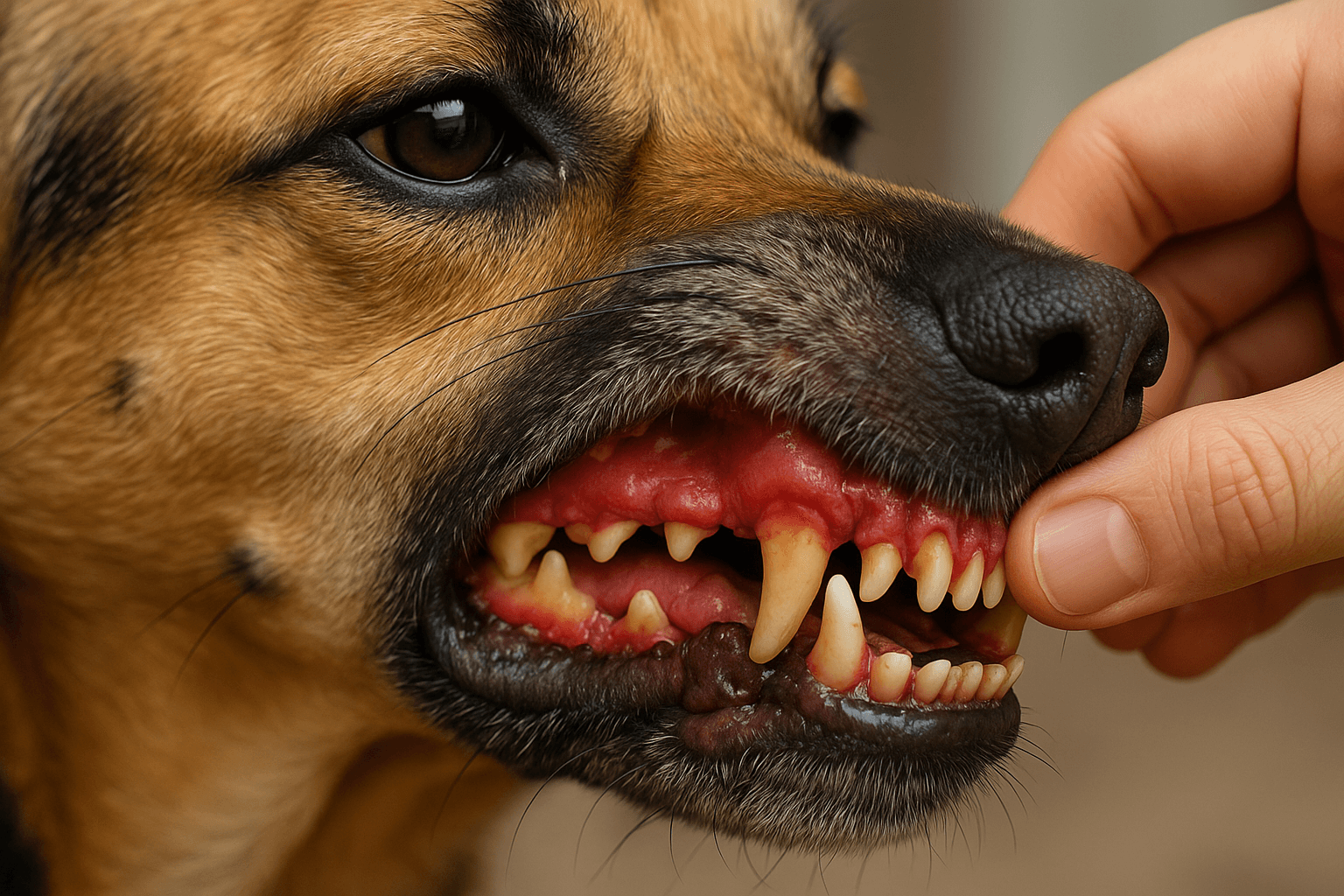
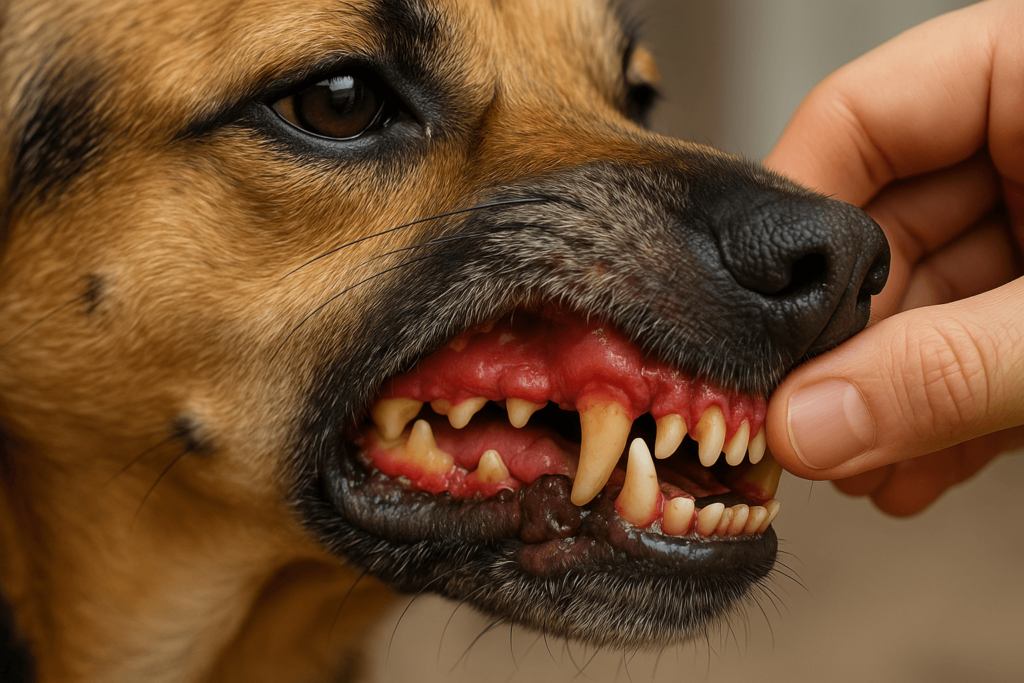
    Healthy gums are pale pink and firm; gingivitis turns the gumline bright red and puffy, especially near molars.
     
  • Persistent bad breath (halitosis):
    While “dog breath” is common, a sour, foul odor often signals bacterial overgrowth.
     
  • Reluctance to chew hard toys or food:
    Your dog may drop kibble, chew on one side, or avoid dental chews they once loved.
     
  • Visible plaque or tartar buildup:
    Yellowish-brown crust along the gumline is hardened plaque—tartar—that brushing alone can’t remove.
     
  • Bleeding after chewing or during brushing:
    Even light contact causing blood is a clear sign of inflamed, fragile gum tissue.
 

If you notice one or more of these signs, a vet dental check should be your next step—not a “wait-and-see” scenario.

At-Home Prevention Strategies Professional Care Indicators
Daily tooth brushing with dog-safe toothpaste Bleeding gums during brushing
Dental chews approved by VOHC Visible tartar buildup
Oral rinses or water additives Persistent bad breath despite home care
Regular mouth checks during petting Loose or missing teeth
Balanced diet supporting oral health Swelling or pus near gums

Safe and Effective At-Home Dental Care


Daily home care is the cornerstone of preventing and managing early gingivitis. While professional cleanings are essential, consistent brushing at home dramatically slows plaque accumulation.

 
  • Use a dog-specific toothbrush or finger brush:
    Human brushes can be too harsh; soft, angled pet brushes reach back molars more effectively.
     
  • Never use human toothpaste:
    Fluoride and xylitol are toxic to dogs—always choose enzymatic, poultry- or beef-flavored toothpaste.
     
  • Start slow and positive:
    Lift lips gently, reward with praise, and gradually increase brushing time over weeks to build trust.
     
  • Focus on the gumline:
    Angle bristles at 45 degrees where plaque forms fastest—especially on the outer surfaces of molars.
     
  • Supplement with dental chews or toys:
    VOHC-approved options like Greenies or dental ropes help mechanically scrub teeth between brushings.
 

Consistency beats perfection: even 3–4 brushings per week make a measurable difference in gum health.

Diet and Nutrition’s Role in Oral Health


What your dog eats directly impacts plaque formation, saliva pH, and gum resilience. Strategic dietary choices can support—or sabotage—your dental efforts.

 
  • Dry kibble vs. wet food:
    While kibble offers slight abrasive benefits, quality matters more than texture—some soft diets include dental-supportive ingredients.
     
  • Dental-specific formulas:
    Prescription or VOHC-approved dental diets feature larger, fibrous kibble that “scrubs” teeth as your dog chews.
     
  • Avoid sugary treats:
    Sugars feed plaque-forming bacteria—opt for low-carb, high-protein snacks instead.
     
  • Add omega-3 fatty acids:
    Found in fish oil, these nutrients help reduce gum inflammation naturally.
     
  • Hydration supports saliva flow:
    Fresh water throughout the day helps wash away food particles and neutralize acids.
 

Food isn’t a cure for gingivitis—but it’s a powerful ally when combined with brushing and vet care.

What NOT to Do When Treating Gingivitis


Good intentions can backfire if you reach for the wrong tools or delay professional help. Avoid these common pitfalls that may worsen your dog’s condition.

 
  • Scraping tartar with human tools:
    Improper scaling can damage enamel or push bacteria deeper into gums—leave this to veterinary professionals.
     
  • Using baking soda or vinegar rinses:
    These can upset oral pH, irritate sensitive tissue, or be toxic if swallowed in quantity.
     
  • Ignoring veterinary dental cleanings:
    Home care can’t remove subgingival tartar—only a vet with anesthesia can clean below the gumline safely.
     
  • Assuming chew toys replace brushing:
    While helpful, most toys don’t contact critical gumline areas where plaque accumulates fastest.
     
  • Waiting until teeth fall out:
    By then, irreversible bone loss and systemic infection risks are already present.
 

Oral health requires partnership: your daily care plus your vet’s expertise.

Professional Dental Cleanings—What to Expect


A veterinary dental cleaning is the gold standard for reversing gingivitis and preventing progression. Though it requires anesthesia, modern protocols make it very safe for healthy dogs.

 
  • Pre-anesthetic bloodwork:
    Ensures liver and kidney function are adequate to process sedation—especially important in older dogs.
     
  • Full-mouth dental X-rays:
    Reveal hidden issues like root abscesses or bone loss that aren’t visible above the gumline.
     
  • Ultrasonic scaling and polishing:
    Removes plaque and tartar above and below the gums, then smooths enamel to delay future buildup.
     
  • Extraction if necessary:
    Severely damaged or loose teeth are removed to eliminate sources of chronic infection.
     
  • Post-op care instructions:
    May include soft food, pain relief, and a recheck in 2–4 weeks to assess healing.
 

Most dogs return to normal activity within 24 hours—and eat more comfortably than they have in months.


Preventing Recurrence After Treatment


One cleaning isn’t a forever fix—without ongoing care, gingivitis can return in as little as 3–6 months. Long-term success hinges on routine.

 
  • Resume brushing within days post-cleaning:
    Start gently, using vet-recommended products to avoid irritating healing gums.
     
  • Schedule 6–12 month dental checkups:
    Early detection of new plaque prevents another full cleaning cycle.
     
  • Use VOHC-approved dental products:
    Look for the Veterinary Oral Health Council seal for proven efficacy.
     
  • Monitor breath and gum color weekly:
    Make it part of your bonding routine—lift lips while petting and check for changes.
     
  • Consider water additives or oral gels:
    For dogs resistant to brushing, these can reduce bacterial load between cleanings.
 

Prevention isn’t optional—it’s the investment that keeps your dog’s mouth (and body) thriving for years.

Frequently Asked Questions

Can gingivitis in dogs be reversed?

Yes—gingivitis is fully reversible with professional cleaning and consistent home care before it progresses to periodontitis.

Ideally daily, but even 3–4 times per week significantly reduces plaque buildup and gum inflammation.

Yes. Small and toy breeds (e.g., Poodles, Dachshunds, Shih Tzus) have tightly spaced teeth that trap food and plaque more easily.

Yes. Thorough cleaning below the gumline—which is essential—requires the dog to be still and pain-free, which only anesthesia ensures.

Often, yes. While other causes exist (like kidney disease), persistent halitosis is the #1 sign of early gum disease in dogs.

A Healthy Mouth, A Healthier Life


Gingivitis in dogs may start quietly, but its ripple effects are anything but small. From a wagging tail to a hearty appetite, your dog’s quality of life is deeply tied to the health of their gums and teeth. The good news? You hold powerful tools: a toothbrush, a watchful eye, and the willingness to partner with your vet. By acting early, avoiding myths, and committing to prevention, you’re not just saving your dog from dental pain—you’re protecting their heart, kidneys, and longevity. So lift those lips, check those gums, and give your loyal friend the gift of a healthier, happier smile.

Understanding Cryptosporidium in Cats: Best 7 Expert Tips!

Understanding Cryptosporidium in Cats: Best 7 Expert Tips! – Spot symptoms, treat safely, and stop parasite spread in your home.

Understanding Cryptosporidium in Dogs: Best 7 Expert Tips!

Understanding Cryptosporidium in Dogs: Best 7 Expert Tips! – Learn symptoms, treatment & prevention for this stubborn gut parasite.

Understanding Syringomyelia in Cats: Best 7 Expert Tips!

Understanding Syringomyelia in Cats: Best 7 Expert Tips! – Recognize signs, manage pain, and support your cat’s neurological health with vet-backed guidance.

Understanding Syringomyelia in Dogs: Best 7 Expert Tips!

Understanding Syringomyelia in Dogs: Best 7 Expert Tips! – Expert insights on symptoms, MRI diagnosis, pain management & quality of life.

Leave a Reply

Your email address will not be published. Required fields are marked *


