

The Shikoku Ken Dog: Best 7 Expert Tips!

The Shikoku Ken Dog: Best 7 Expert Tips!

The Shikoku Ken Dog: Japan’s Rare and Resilient Mountain Companion

Majestic, alert, and deeply loyal, the Shikoku Ken is a rare Japanese spitz-type breed that thrives on challenge, connection, and open space. Bred for hunting in rugged mountain terrain, this agile and intelligent dog carries centuries of tradition in its poised stance and watchful eyes. Though not widely known outside Japan, the Shikoku Ken rewards dedicated owners with unwavering devotion and quiet confidence. If you’re drawn to a dog with heritage, independence, and striking beauty, this ancient breed may capture your heart. Just be prepared—it’s not a pet for the casual or uncommitted.

Origins and History of the Shikoku Ken


The Shikoku Ken’s story is woven into the remote forests and steep valleys of Japan’s Shikoku Island, where it served as an indispensable hunting partner for centuries. Preserved through isolation and cultural reverence, this breed remains one of Japan’s national treasures.

 
  • Ancient Hunting Heritage:
    Originally used to track and corner boar and deer in dense, mountainous terrain, the Shikoku Ken worked in packs with hunters who relied on its endurance and courage.
     
  • Island Isolation Preserved Purity:
    Geographic seclusion on Shikoku Island limited outside breeding, helping maintain the breed’s distinctive traits and genetic integrity.
     
  • Near Extinction and Revival:
    Wars and modernization in the 20th century nearly wiped out the breed, but dedicated preservation efforts—especially post-WWII—brought it back from the brink.
     
  • Designated Natural Monument:
    In 1937, the Japanese government recognized the Shikoku Ken as a “Living National Monument,” cementing its cultural importance and protection.
     
  • Rarity Beyond Japan:
    Even today, the breed remains uncommon outside its homeland, with careful breeding programs prioritizing health and authenticity over mass popularity.
 

This rich history explains the Shikoku Ken’s resilience, independence, and deep-rooted instincts—qualities that still shape its behavior today.

The Shikoku Ken Dog: Best 7 Expert Tips!

Distinctive Physical Traits of the Shikoku Ken


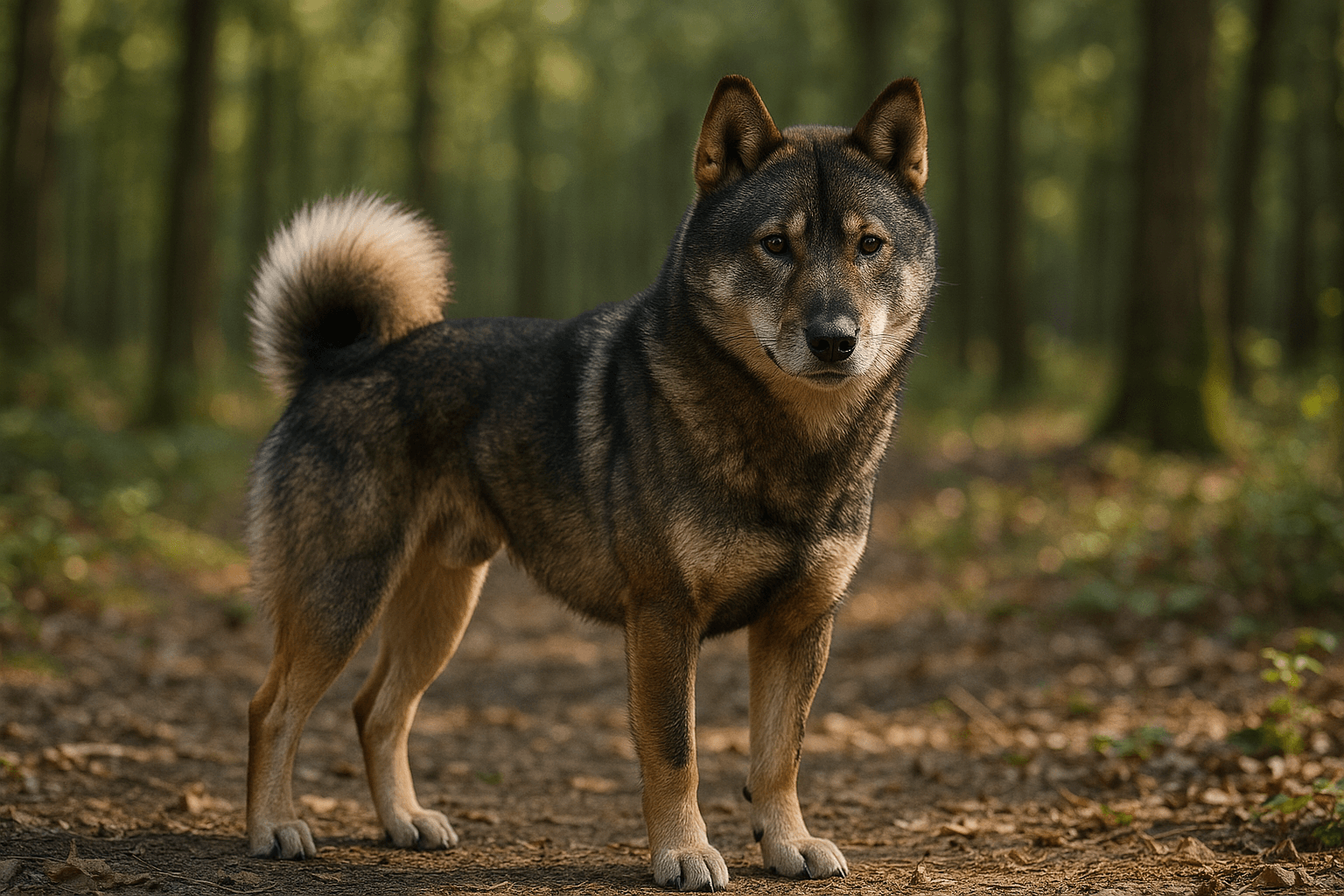
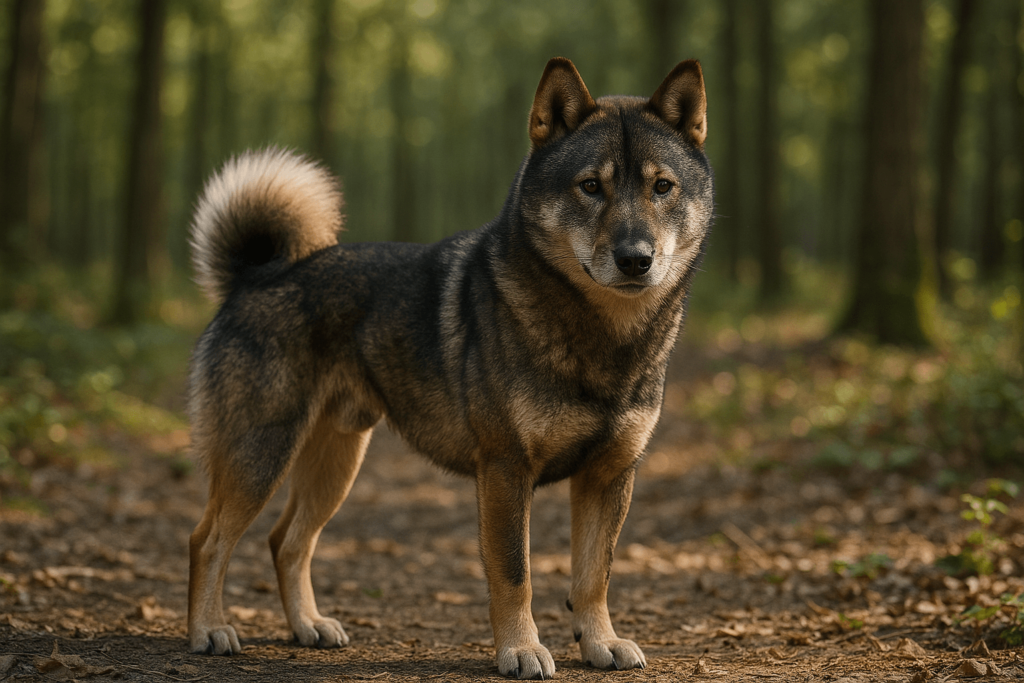
With its fox-like face, curled tail, and balanced build, the Shikoku Ken is both elegant and athletic—a true embodiment of functional beauty shaped by its rugged origins.

 
  • Medium Build with Muscular Frame:
    Males stand 19–22 inches tall and weigh 35–55 pounds; females are slightly smaller—compact yet powerful enough for mountain agility.
     
  • Double Coat with Seasonal Variation:
    A straight, harsh outer coat and soft undercoat protect against cold and brush, shedding heavily twice a year (a “blow coat”).
     
  • Signature Sesame Coloring:
    Coat colors include red sesame, black sesame, and red—with black-tipped guard hairs creating a striking “sesame” effect unique to Japanese breeds.
     
  • Almond-Shaped, Dark Eyes:
    Eyes convey alertness and intelligence, set slightly oblique beneath small, erect, forward-tilting ears.
     
  • Tightly Curled Tail:
    The high-set tail curls firmly over the back, a hallmark of spitz-type dogs and a sign of confident posture.
 

Every feature of the Shikoku Ken reflects purpose—not just aesthetics—making it as capable in the wild as it is striking in the home.

Breed Strengths Owner Considerations
Loyal and deeply bonded to family Reserved with strangers—needs early socialization
Highly intelligent and alert Can be stubborn—requires consistent, respectful training
Low odor and minimal year-round shedding Heavy seasonal shedding—brushing 3–4x/week during blowouts
Excellent endurance and agility Needs daily physical and mental stimulation
Clean, cat-like self-grooming habits Not ideal for first-time or passive owners

Personality and Temperament: Independent Yet Devoted


The Shikoku Ken forms intense bonds with its inner circle but maintains a dignified reserve with outsiders—a blend of loyalty and self-reliance honed by generations of semi-independent work.

 
  • Deeply Attached to Family:
    Once trust is earned, the Shikoku Ken is affectionate, attentive, and often shadow-like in its devotion to primary caregivers.
     
  • Naturally Wary of Strangers:
    Its alert nature makes it an excellent watchdog, but without socialization, this caution can tip into shyness or suspicion.
     
  • Calm Indoors, Energetic Outdoors:
    Unlike high-strung breeds, the Shikoku Ken is typically composed at home but transforms into a tireless explorer on walks or hikes.
     
  • Strong Prey Drive:
    Bred to chase boar, it may react to small animals or fast-moving objects—secure fencing and leash control are essential.
     
  • Quiet by Nature:
    It barks sparingly and only when necessary, reflecting its thoughtful, observant personality.
 

This balance of quiet confidence and fierce loyalty makes the Shikoku Ken a profound companion—for those who appreciate depth over flash.


Training and Socialization Essentials


Training a Shikoku Ken demands mutual respect. Harsh methods backfire; instead, consistency, patience, and positive engagement build trust and cooperation.

 
  • Start Socialization Before 16 Weeks:
    Exposure to diverse people, sounds, and environments prevents lifelong wariness or reactivity.
     
  • Use Reward-Based Techniques:
    High-value treats, praise, and play work best—this breed won’t respond to dominance or force.
     
  • Keep Training Engaging:
    Repetition bores them; mix in scent games, obedience challenges, or agility to maintain interest.
     
  • Establish Clear Boundaries Early:
    Their intelligence means they’ll test limits—calm, consistent rules prevent manipulative or aloof behavior.
     
  • Focus on Recall and Impulse Control:
    Given their chase instinct, rock-solid off-leash reliability is a must before any off-leash activity.
 

With the right approach, the Shikoku Ken becomes a responsive, thoughtful partner—though it will always retain a spark of autonomous spirit.

Grooming and Health Considerations


While low-maintenance compared to many double-coated breeds, the Shikoku Ken still requires attentive care to support its long-term well-being.

 
  • Brush Weekly, More in Shedding Seasons:
    Use an undercoat rake during spring and fall blowouts to manage thick shedding and prevent matting.
     
  • Bathe Only When Necessary:
    Their coat repels dirt naturally; over-bathing strips protective oils—every 2–3 months is usually sufficient.
     
  • Dental and Nail Care:
    Brush teeth 2–3 times weekly and trim nails monthly to support mobility and oral health.
     
  • Breed-Specific Health Watchpoints:
    Monitor for hip dysplasia, patellar luxation, and allergies—reputable breeders screen for these genetically.
     
  • Longevity with Proper Care:
    With a typical lifespan of 12–15 years, the Shikoku Ken thrives on high-quality food, regular vet checks, and mental enrichment.
 

Preventive care isn’t optional—it’s the key to preserving this rare breed’s vitality for years to come.

Ideal Living Environment and Lifestyle Fit


The Shikoku Ken adapts best to homes that honor its instincts, energy, and need for meaningful connection—not just a backyard, but a purpose.

 
  • Best in Rural or Suburban Settings:
    While adaptable, they flourish with access to trails, forests, or large yards where they can explore safely.
     
  • Not Suited for Long Solitude:
    Left alone for hours daily, they may become anxious, vocal, or destructive—this is not an “independent” dog in the aloof sense.
     
  • Thrives with Active, Engaged Owners:
    Hikers, runners, or outdoor enthusiasts who involve their dog in daily adventures will find a perfect match.
     
  • Can Live with Other Dogs (If Raised Together):
    Same-sex aggression can occur; early socialization and careful introductions improve harmony.
     
  • Sensitive to Heat:
    Their double coat insulates well in cold but struggles in high humidity—limit exercise in summer heat.
 

This breed doesn’t just live in your home—it becomes part of your rhythm, your routine, and your outdoor life.


Potential Challenges of Owning a Shikoku Ken


The Shikoku Ken’s strengths come with responsibilities. Understanding its challenges ensures a harmonious, respectful relationship.

 
  • Strong-Willed Nature:
    They think for themselves—training requires creativity, not commands.
     
  • Slow to Warm Up:
    Don’t expect immediate affection with guests; patience and positive exposure build comfort over time.
     
  • Escape Artist Tendencies:
    Their agility and curiosity mean fences must be tall, secure, and dig-proof.
     
  • Limited Availability and High Demand:
    Ethical breeders often have waiting lists; never buy from puppy mills or unverified sources.
     
  • Not a “Velcro” Cuddler:
    While loving, they show affection on their terms—quiet companionship, not constant lap-sitting.
 

Acknowledging these traits upfront helps you prepare—and ultimately deepens the mutual trust that defines this rare bond.

Frequently Asked Questions

Is the Shikoku Ken good with children?

Yes—with older, respectful kids who understand dog boundaries. Early socialization is key, and supervision is always recommended due to their size and energy.


Extremely rare. Only a handful of responsible breeders exist in North America and Europe, often with waiting lists of 1–2 years.

Seasonally, yes—they “blow coat” twice a year with heavy shedding. Between seasons, shedding is minimal.


Only if the owner provides vigorous daily exercise and mental stimulation. Without it, frustration and barking may follow.

Not inherently—but their wariness of strangers and same-sex dog tension require lifelong socialization and management.

Final Thoughts – A Breed for the Discerning Dog Lover


The Shikoku Ken isn’t a dog for everyone—but for the right person, it’s everything. Rooted in centuries of tradition, forged in mountain solitude, and guided by quiet intelligence, this rare Japanese breed offers a relationship built on mutual respect, not submission. If you’re ready to invest time in training, honor its independence, and share your adventures with a loyal, watchful companion, the Shikoku Ken may just be your soul’s match in canine form. Just remember: true rarity isn’t just about scarcity—it’s about depth, dignity, and the quiet power of a dog who chooses to walk beside you.

Spleen Cancer in Cats: Best 7 Expert Tips!

Spleen Cancer in Cats: Best 7 Expert Tips! – Expert insights on symptoms, care, treatment & quality of life for feline spleen cancer.

Dog Mastitis Treatment: Best 7 Expert Tips!

Dog Mastitis Treatment: Best 7 Expert Tips! – Safe, vet-approved care for nursing moms & prevention strategies.

The Shikoku Ken Dog: Best 7 Expert Tips!

The Shikoku Ken Dog: Best 7 Expert Tips! – Discover expert care, training & health advice for this rare, loyal Japanese mountain breed.

The Cairn Terrier Dog Breed: Best 7 Expert Tips!

The Cairn Terrier Dog Breed: Best 7 Expert Tips! – Discover care, training & health advice for this spirited, loyal Scottish terrier.

Leave a Reply

Your email address will not be published. Required fields are marked *

Recent Post

Post Category


