

Dog Skin Infection Home Remedy: Best 7 Expert Tips!

Dog Skin Infection Home Remedy: Best 7 Expert Tips!

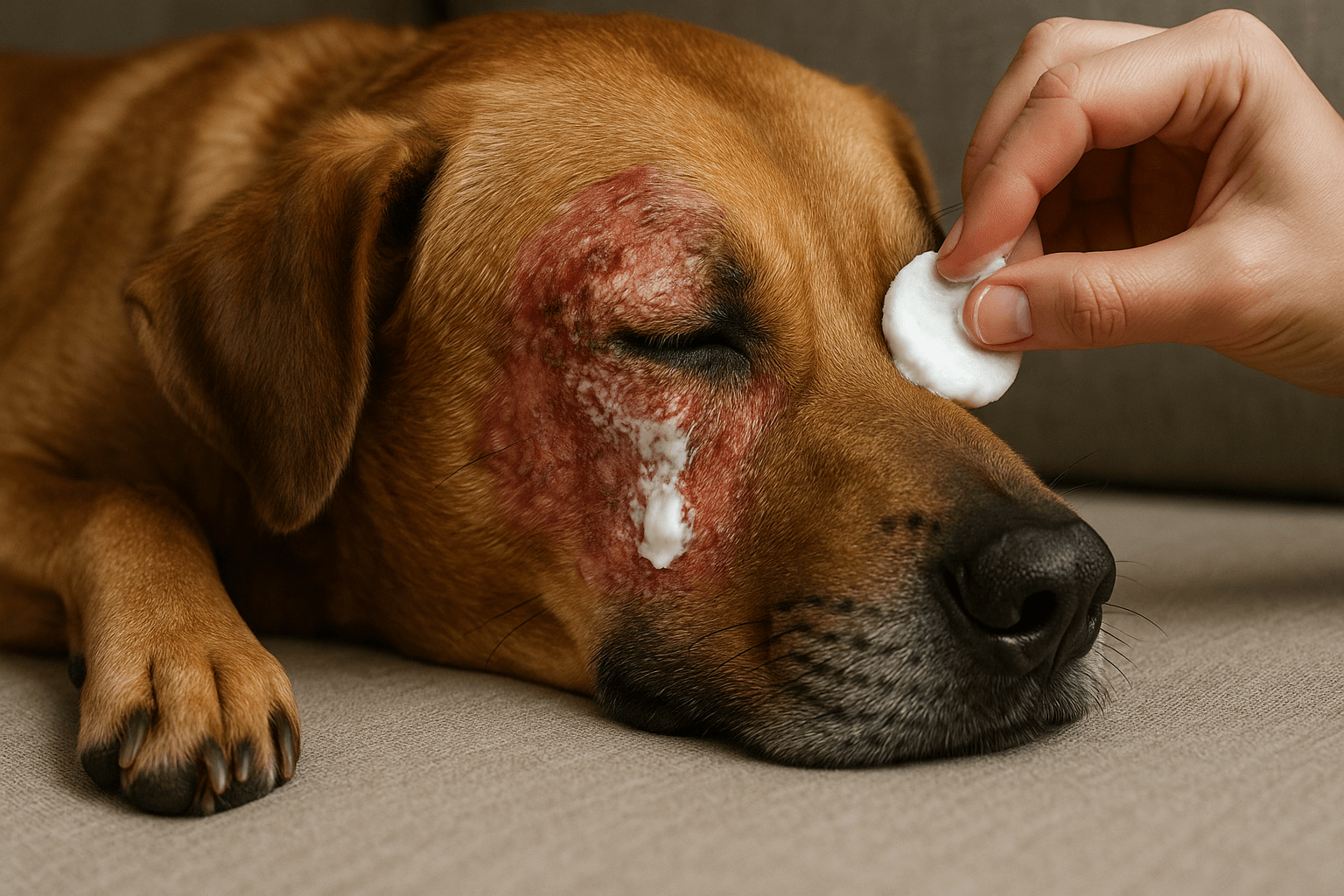
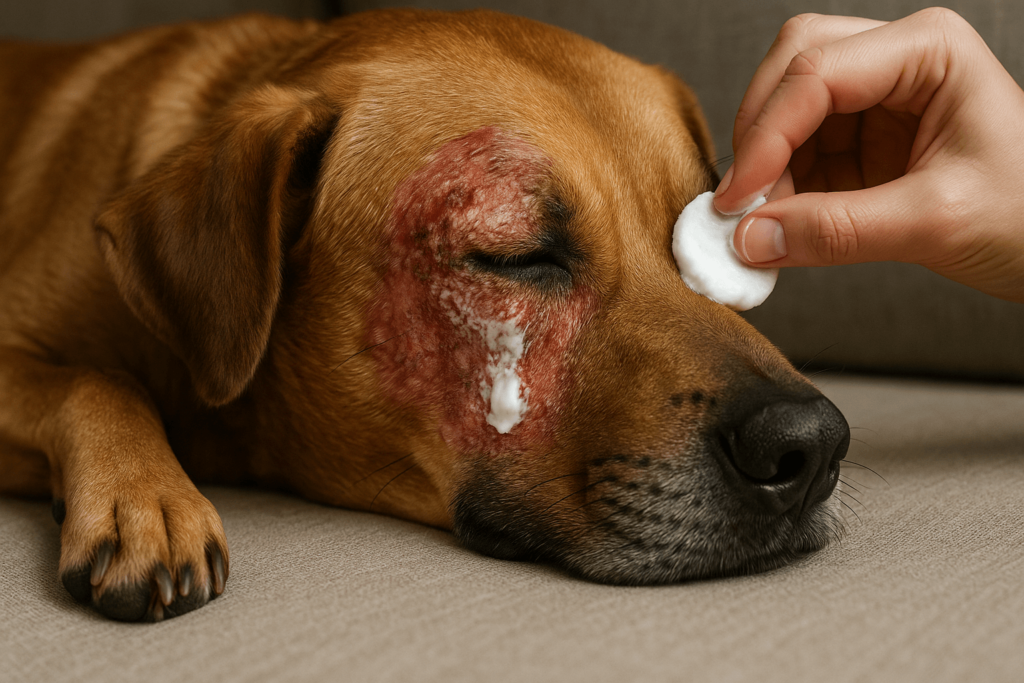
Dog Skin Infection Home Remedy: Safe Relief Options for Itchy, Irritated Skin

Discovering red, flaky, or oozing patches on your dog’s skin can be alarming—and you’re right to seek gentle, effective solutions fast. While some mild skin irritations respond well to home care, others need professional treatment to prevent worsening. Understanding when a home remedy is appropriate—and which ones actually work—is key to helping your pup feel better without delay. In this guide, we’ll explore vet-approved, at-home approaches that soothe, protect, and support healing. Because healthy skin means a happier, more comfortable dog.

Common Types of Dog Skin Infections


Not all skin issues are the same—knowing what you’re dealing with helps determine whether home care is safe or if a vet visit is essential. Dogs commonly suffer from bacterial, fungal, or allergy-driven skin conditions.

 
  • Bacterial pyoderma:
    Often appears as red bumps, pustules, or crusty sores, usually secondary to scratching or poor grooming.
     
  • Yeast (Malassezia) overgrowth:
    Causes greasy, smelly skin—especially in ears, paws, and skin folds—with intense itching.
     
  • Ringworm (fungal, not a worm):
    Circular, scaly patches with hair loss; highly contagious to other pets and humans.
     
  • Hot spots (acute moist dermatitis):
    Raw, oozing, painful lesions triggered by licking or scratching—often worsen rapidly.
     
  • Allergic dermatitis:
    Chronic itching from food or environmental allergens can break the skin barrier, inviting infection.
 

Identifying the type of infection guides your next steps—and helps avoid treatments that could make things worse.

Dog Skin Infection Home Remedy: Best 7 Expert Tips!

When to Skip Home Remedies and See a Vet


While mild irritation may respond to gentle care, certain signs mean your dog needs professional diagnosis and treatment—fast.

 
  • Open, oozing, or foul-smelling wounds:
    These often indicate deep bacterial infection requiring antibiotics or antifungal meds.
     
  • Rapidly spreading redness or swelling:
    Could signal cellulitis or systemic infection needing urgent care.
     
  • Signs of pain or lethargy:
    If your dog is whimpering, avoiding touch, or acting unusually tired, infection may be advanced.
     
  • No improvement after 2–3 days of home care:
    Persistent symptoms suggest an underlying issue beyond surface irritation.
     
  • Recurrent skin problems:
    Chronic infections often point to allergies, immune disorders, or hormonal imbalances needing long-term management.
 

When in doubt, a vet visit prevents complications—and brings faster relief.

Safe Home Support Measures Red Flags Needing a Vet
Chlorhexidine rinses (diluted) Fever or loss of appetite
Coconut oil (small external areas) Oozing yellow/green discharge
Oatmeal baths for itching Hair loss in large patches
E-collar to prevent licking Skin that feels hot to touch
Clean, dry bedding changes Lethargy or depression

Gentle Cleansing and Soothing Baths


Bathing your dog properly can remove irritants, reduce microbes, and calm inflamed skin—without harsh chemicals.

 
  • Colloidal oatmeal baths:
    Soothe itching and protect irritated skin; use lukewarm water and rinse thoroughly.
     
  • Diluted chlorhexidine shampoo (2–4%):
    Antibacterial and antifungal—ideal for mild infections; follow with a moisturizing rinse if skin is dry.
     
  • Avoid human shampoos or soaps:
    These disrupt your dog’s skin pH and can worsen irritation or dryness.
     
  • Limit baths to 1–2 times per week:
    Over-bathing strips natural oils and delays healing.
     
  • Dry thoroughly, especially in skin folds:
    Moisture trapped in folds promotes yeast and bacterial growth—pat dry gently with a clean towel.
 

A well-executed bath is often the first—and most effective—step in home-based skin care.

Natural Topical Support (Used Cautiously)


Some natural ingredients offer anti-inflammatory or antimicrobial benefits—but must be applied wisely and sparingly.

 
  • Coconut oil (virgin, cold-pressed):
    Has lauric acid with mild antimicrobial effects; apply a tiny amount to small, dry areas—not oozing or open wounds.
     
  • Aloe vera gel (100% pure, no additives):
    Calms redness and itching—only use if your dog won’t lick it, as ingestion can cause vomiting or diarrhea.
     
  • Chamomile tea compress:
    Cooled, unsweetened chamomile tea applied with a cloth may reduce inflammation and soothe hot spots.
     
  • Apple cider vinegar rinse (diluted 1:1 with water):
    May help with yeast on paws or fur—but never use on broken skin or face.
     
  • Honey (medical-grade Manuka only):
    Has wound-healing properties—but sticky and messy; best used under veterinary guidance.
 

Natural doesn’t always mean safe—always patch-test and avoid oral use without vet approval.

What NOT to Use on Your Dog’s Infected Skin


Good intentions can backfire when using unproven or toxic home treatments. Avoid these common mistakes.

 
  • Tea tree oil (undiluted or oral):
    Highly toxic to dogs—even small amounts can cause tremors, weakness, or coma.
     
  • Hydrogen peroxide or alcohol:
    These damage healthy tissue, delay healing, and cause pain on open sores.
     
  • Human antibiotic ointments (e.g., Neosporin):
    Often licked off—and ingredients like neomycin can trigger allergic reactions in dogs.
     
  • Essential oil blends or “natural” sprays:
    Many contain compounds unsafe for canine skin or respiratory systems.
     
  • Baking soda pastes on large areas:
    Can dry out skin excessively and disrupt pH balance, worsening irritation.
 

When treating infections, less is often more—stick to proven, gentle options.

Supporting Healing Through Diet and Hydration


Skin health starts from the inside. Nutrition plays a powerful role in immune function and tissue repair.

 
  • Omega-3 fatty acids (fish oil):
    Reduce inflammation and support skin barrier integrity; use vet-recommended doses.
     
  • High-quality protein sources:
    Essential for tissue regeneration—look for named meats like chicken, salmon, or lamb as first ingredients.
     
  • Avoid known food allergens:
    Common triggers like beef, dairy, or wheat can fuel skin inflammation in sensitive dogs.
     
  • Fresh, clean water always available:
    Hydration keeps skin supple and aids detoxification through kidneys.
     
  • Probiotics for gut-skin axis:
    A healthy gut microbiome may reduce allergic skin responses over time.
 

Diet alone won’t cure an active infection—but it builds resilience for faster recovery and fewer flare-ups.

Preventing Future Skin Infections


Once your dog has had a skin issue, recurrence is common—unless you address underlying triggers and habits.

 
  • Regular grooming (especially in double-coated breeds):
    Prevents matting that traps moisture, bacteria, and debris against the skin.
     
  • Flea and tick prevention year-round:
    Even one bite can trigger allergic dermatitis and secondary infection in sensitive dogs.
     
  • Clean bedding and crate liners weekly:
    Reduces exposure to dust mites, bacteria, and fungal spores.
     
  • Manage allergies proactively:
    Work with your vet on blood tests, elimination diets, or immunotherapy if needed.
     
  • Keep ears and paws dry after walks or baths:
    Moisture in these areas is a leading cause of yeast overgrowth.
 

Prevention isn’t about perfection—it’s about consistent, thoughtful care that keeps your dog’s skin barrier strong.

Frequently Asked Questions

Can I use coconut oil on my dog’s skin infection?

In small amounts on dry, non-open areas—yes. But avoid it on oozing, raw, or infected wounds, and never let your dog ingest large quantities.


Yeast often causes greasy, smelly, brownish discharge (especially in ears/paws), while bacterial infections show as pustules, crusts, or red hot spots. A vet can confirm with a skin scrape.


Only when diluted (50/50) and used on intact skin—not on broken areas, face, or mucous membranes. Discontinue if redness or irritation increases.

Yes. Food allergies or poor nutrition can weaken the skin barrier, making infections more likely. Omega-3s and high-quality protein support defense.

With proper care, mild cases may improve in 3–7 days. If there’s no change—or it worsens—within 48 hours, see a vet.

Healthy Skin, Happy Dog: A Journey of Care and Caution


Caring for your dog’s skin infection at home can bring quick relief—but only when done wisely and with awareness of limits. The best home remedies support healing without masking deeper problems. By combining gentle cleansing, safe topical care, smart nutrition, and vigilant observation, you become a true partner in your dog’s well-being. And when something doesn’t feel right? Trust your gut and call your vet. Because clear, comfortable skin isn’t just cosmetic—it’s a sign of a dog thriving in your loving care.

Spleen Cancer in Cats: Best 7 Expert Tips!

Spleen Cancer in Cats: Best 7 Expert Tips! – Expert insights on symptoms, care, treatment & quality of life for feline spleen cancer.

Dog Mastitis Treatment: Best 7 Expert Tips!

Dog Mastitis Treatment: Best 7 Expert Tips! – Safe, vet-approved care for nursing moms & prevention strategies.

The Shikoku Ken Dog: Best 7 Expert Tips!

The Shikoku Ken Dog: Best 7 Expert Tips! – Discover expert care, training & health advice for this rare, loyal Japanese mountain breed.

The Cairn Terrier Dog Breed: Best 7 Expert Tips!

The Cairn Terrier Dog Breed: Best 7 Expert Tips! – Discover care, training & health advice for this spirited, loyal Scottish terrier.

Leave a Reply

Your email address will not be published. Required fields are marked *

Recent Post

Post Category


