
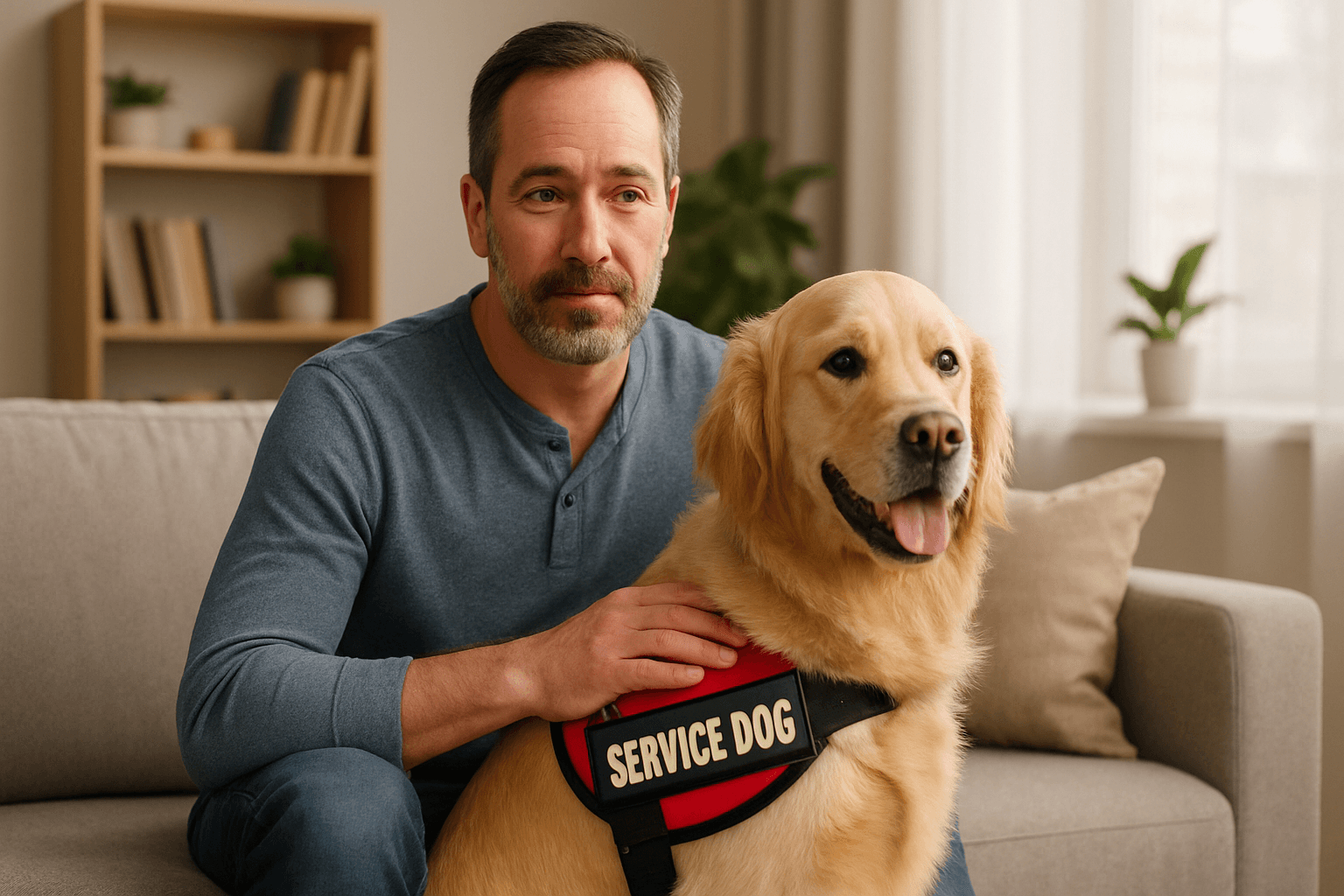

Reasons to Get a Service Dog
A service dog is far more than a loyal companion—it’s a life-changing partner trained to assist with physical, emotional, or neurological challenges. For countless individuals, these highly skilled canines restore independence, confidence, and daily functionality in ways technology often cannot. From guiding the visually impaired to interrupting panic attacks, service dogs perform tailored tasks with unwavering dedication. But beyond their training, they offer something equally powerful: unconditional presence. If you’ve ever wondered whether a service dog could be right for you or someone you love, exploring the many benefits is a meaningful first step.
What Exactly Is a Service Dog?
Before diving into the reasons to get one, it’s important to understand what legally defines a service dog—and how it differs from emotional support or therapy animals. Under the Americans with Disabilities Act (ADA), a service dog is a dog individually trained to perform specific tasks that mitigate a person’s disability.
- Task-trained, not just comforting:
Unlike emotional support animals, service dogs must perform active, observable tasks directly related to a disability. - Public access rights:
They are legally allowed to accompany their handler into nearly all public spaces, including restaurants, stores, and public transit. - Not required to wear a vest—but often do:
While identification isn’t mandatory, vests or harnesses help signal their working status to others. - Breeds vary widely:
Though Labs and Goldens are common, service dogs can be any breed suited to the job—size and temperament matter more than appearance. - Not pets while on duty:
When working, they should not be petted, distracted, or treated like typical dogs—a key part of respecting their role.
Understanding this distinction ensures you approach the idea of a service dog with clarity, respect, and realistic expectations.
Life-Changing Benefits Across Disabilities
Service dogs support people with an astonishing range of conditions—each tailored to unique needs. Their impact often goes beyond practical help, touching emotional and social well-being too.
- For mobility impairments:
They can open doors, retrieve dropped items, press elevator buttons, and even provide balance support while walking. - For the visually impaired:
Guide dogs navigate obstacles, stop at curbs, and help their handler move safely through complex environments. - For hearing loss:
They alert to sounds like doorbells, alarms, or a person calling their handler’s name—often with a gentle nudge or lead. - For seizure disorders:
Some dogs can predict seizures before they happen, giving time to sit down or call for help, and stay close during recovery. - For psychiatric conditions:
They can interrupt self-harm behaviors, create personal space in crowds, or guide their handler out of overwhelming situations.
In every case, the dog becomes a conduit for greater autonomy—and often, renewed hope.
Check this guide 👉Tactile Stimulation Service Dog: Best 7 Expert Tips!
Check this guide 👉Bipolar Service Dog: Best 7 Expert Tips!
Check this guide 👉Autism Service Dog Tasks: Best 7 Expert Tips!
| Everyday Tasks a Service Dog Can Perform | Key Considerations Before Applying |
|---|---|
| Retrieving medication or a phone | Minimum 18–24 months of training time |
| Turning on lights with a switch paddle | Significant financial investment or waitlist |
| Bracing during standing or walking | Daily care, feeding, and grooming required |
| Alerting to low blood sugar or allergens | Commitment to ongoing training reinforcement |
| Providing deep pressure therapy during anxiety | Ability to handle public attention and questions |
Emotional and Psychological Impact
Beyond physical tasks, service dogs often provide profound emotional healing—sometimes in ways their handlers never anticipated.
- Reduced anxiety in public spaces:
Knowing your dog is trained to respond to panic attacks can make grocery stores or transit feel safe again. - Increased social interaction:
A service dog often acts as a natural conversation starter, reducing isolation for those with invisible disabilities. - Routine and responsibility:
Caring for a dog creates structure, which can be grounding for people with PTSD, depression, or autism. - Unconditional acceptance:
Dogs don’t judge symptoms, bad days, or setbacks—they offer steady companionship without conditions. - Restored sense of control:
When a disability makes the world feel unpredictable, a trained dog returns a powerful sense of agency.
For many, this emotional partnership is just as vital as the practical assistance.
Enhanced Independence and Daily Functioning
One of the most cited reasons to get a service dog is the dramatic increase in self-reliance it enables—often transforming what feels “impossible” into “doable.”
- Fewer reliance on human caregivers:
Tasks once requiring help—like dressing or fetching water—can be done with canine assistance. - Safer navigation of the home:
Dogs can locate objects, turn on lights, or lead to exits during disorientation or episodes. - Confidence in emergencies:
Many are trained to activate medical alert systems, bark for help, or stay close during falls. - Freedom to travel or work:
With a service dog, more people can maintain employment, attend school, or travel independently. - Improved sleep and routines:
Nighttime alerts or calming presence can stabilize circadian rhythms disrupted by illness.
This regained autonomy isn’t just convenient—it’s deeply empowering.
Common Misconceptions to Avoid
Despite growing awareness, myths about service dogs persist—and they can affect public behavior, legal rights, and even eligibility decisions.
- “All service dogs wear vests”:
Not true. The ADA doesn’t require identification, though many handlers use them for clarity. - “Puppies can be service dogs”:
No. Full task training typically begins at 12–18 months, with certification often taking two years. - “Only physical disabilities qualify”:
Psychiatric, neurological, and sensory disabilities are equally valid under the law. - “You can train your own dog easily”:
While owner-training is allowed, it demands expertise, consistency, and hundreds of hours of work. - “Service dogs never misbehave”:
They’re animals first. Even the best-trained dog may occasionally be distracted—but they must be under handler control.
Clearing up these myths helps foster better public understanding and informed personal choices.
The Commitment Behind the Partnership
A service dog is a profound ally—but also a long-term responsibility that extends far beyond “getting help.”
- Daily care is non-negotiable:
Feeding, grooming, vet visits, and exercise must happen even on your hardest days. - Training never truly ends:
Skills need reinforcement, and new tasks may be added as your needs evolve. - Public scrutiny is real:
You’ll face questions, stares, and sometimes denial of access—requiring calm advocacy. - Emotional attachment runs deep:
Losing a service dog can feel like losing a lifeline, making grief especially complex. - Retirement planning matters:
Most service dogs retire around age 8–10, requiring transition plans for both care and your support system.
This partnership thrives on mutual trust—and that requires ongoing dedication from both sides.
How to Begin the Process
If you’re seriously considering a service dog, the journey starts long before you meet your match. Thoughtful preparation increases success dramatically.
- Confirm your eligibility:
You must have a documented disability that significantly impacts major life activities. - Research accredited organizations:
Look for programs accredited by Assistance Dogs International (ADI) for ethical standards and quality training. - Explore funding options:
Costs range from $15,000–$50,000; some nonprofits offer grants, fundraising support, or no-cost placements. - Consider owner-training (if feasible):
It’s legal but requires mentorship, time, and access to professional trainers. - Prepare for interviews and assessments:
Reputable programs evaluate your lifestyle, home environment, and ability to care for the dog.
Taking these steps seriously sets the foundation for a successful, sustainable partnership.
Frequently Asked Questions
Can any dog become a service dog?
No. Successful service dogs need specific temperament traits—calmness, focus, resilience, and eagerness to work—not all dogs possess these.
How long does it take to get a service dog?
Waitlists at reputable programs often range from 1–3 years due to high demand and intensive training requirements.
Are service dogs covered by insurance?
Generally, no. Most health insurance plans, including Medicare and Medicaid, do not cover service dog costs.
Can children have service dogs?
Yes—especially for autism, seizures, or mobility needs—but the child must be able to handle and direct the dog appropriately, often with caregiver support.
What’s the difference between a service dog and a therapy dog?
Service dogs assist one specific handler with a disability and have public access rights. Therapy dogs provide comfort in settings like hospitals but have no legal access rights.
Final Thoughts – More Than a Helper, a True Partner
Choosing to pursue a service dog is not just about solving a problem—it’s about embracing a new way of living. These remarkable animals don’t just perform tasks; they restore dignity, expand possibilities, and walk beside you through life’s most challenging moments with quiet strength. While the path to getting one requires patience, resources, and readiness, the reward is a bond unlike any other: functional, emotional, and profoundly human. If your life could be transformed by a four-legged ally, know that you’re not just gaining assistance—you’re gaining a loyal friend who sees you, supports you, and stands by you, every single day.
Spleen Cancer in Cats: Best 7 Expert Tips! – Expert insights on symptoms, care, treatment & quality of life for feline spleen cancer.
Dog Mastitis Treatment: Best 7 Expert Tips! – Safe, vet-approved care for nursing moms & prevention strategies.
The Shikoku Ken Dog: Best 7 Expert Tips! – Discover expert care, training & health advice for this rare, loyal Japanese mountain breed.
The Cairn Terrier Dog Breed: Best 7 Expert Tips! – Discover care, training & health advice for this spirited, loyal Scottish terrier.


