

Dog Sore on Leg: Best 7 Expert Tips!

Dog Sore on Leg: Best 7 Expert Tips!

Dog Sore on Leg: What Every Pet Parent Needs to Know

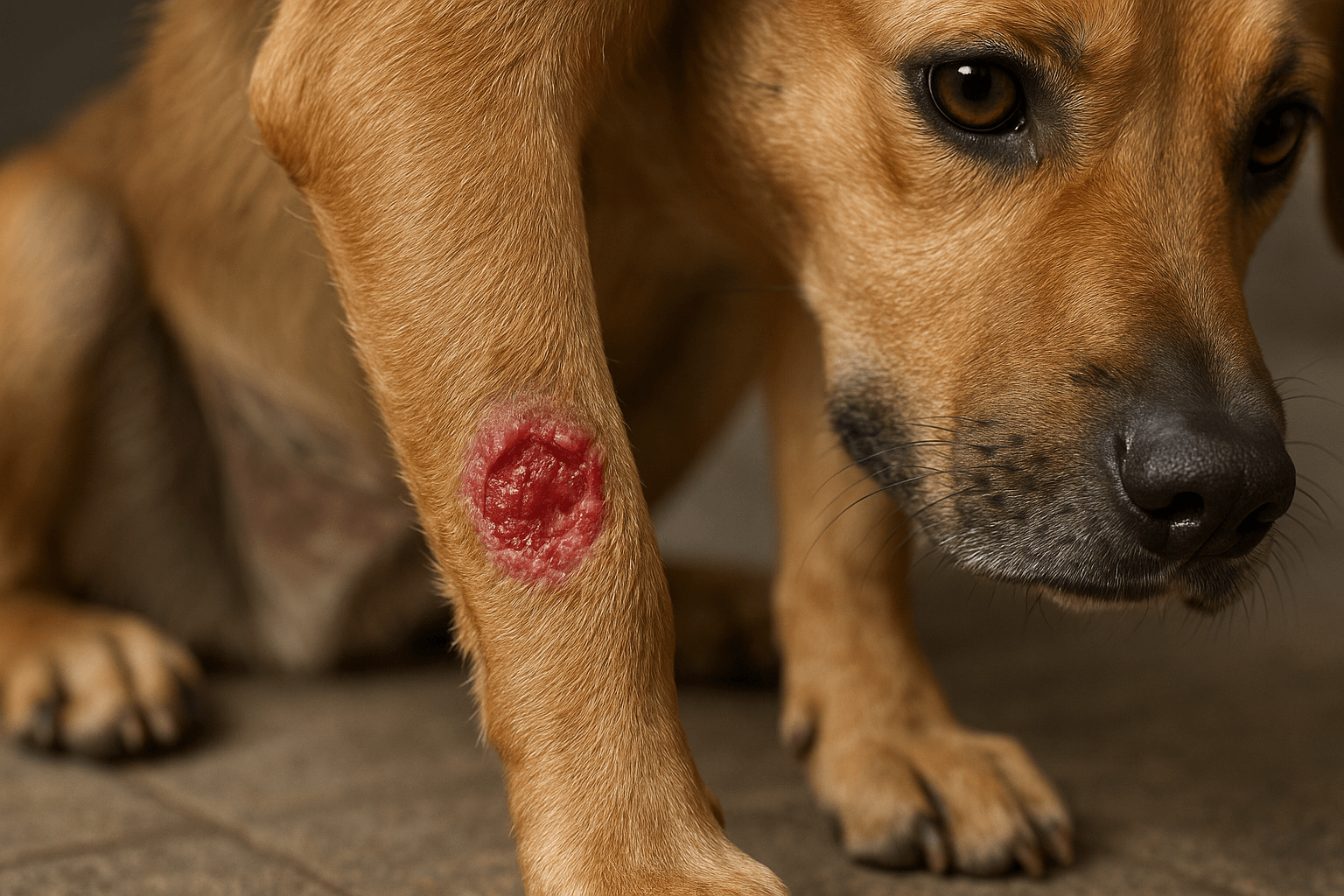
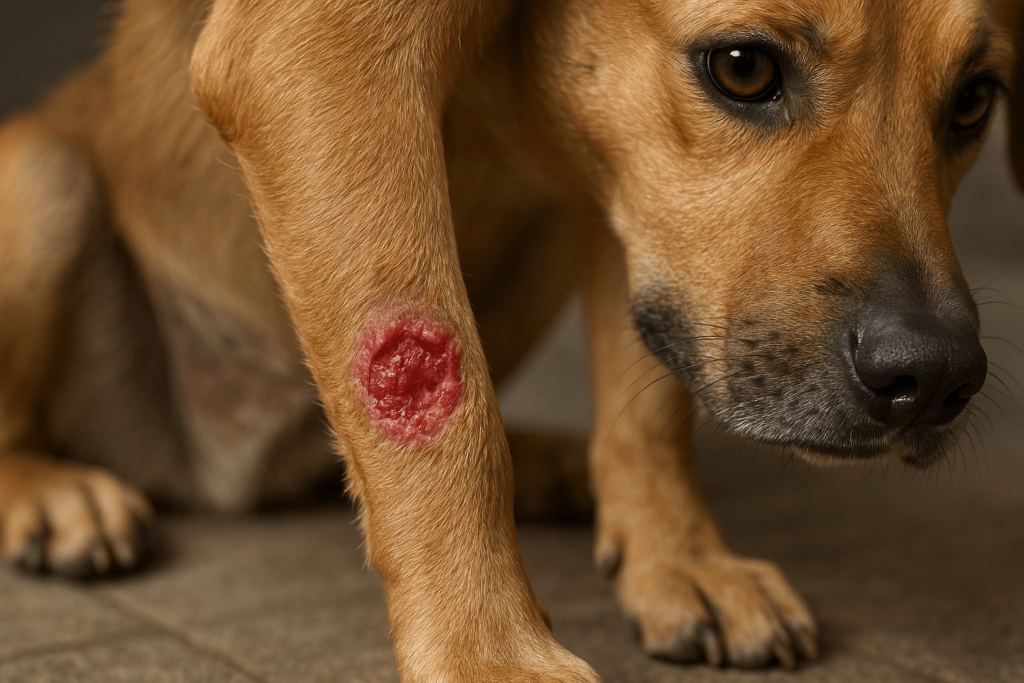
Finding a sore on your dog’s leg can be unsettling—especially when you’re unsure whether it’s a minor scrape or something more serious. These sores can stem from anything from a simple cut to an underlying health issue like an allergy or infection. Left untreated, even small wounds can worsen quickly due to licking, moisture, or bacterial invasion. Understanding the causes, safe care steps, and warning signs empowers you to act wisely and protect your dog’s comfort. In this guide, we’ll walk you through everything you need to know to assess, manage, and heal your dog’s leg sore with confidence.

Common Causes of a Dog Sore on Leg


Not all leg sores are the same—some heal in days, while others signal chronic conditions needing professional care. Identifying the likely cause helps you choose the right response and avoid accidental harm.

 
  • Trauma or abrasions:
    Cuts, scrapes, or burns from rough terrain, hot pavement, or accidental injuries often appear as raw, red patches.
     
  • Hot spots (acute moist dermatitis):
    Triggered by allergies, insect bites, or moisture, these painful, oozing sores spread quickly due to constant licking.
     
  • Interdigital cysts or pododermatitis:
    Sores between the toes may stem from trapped debris, ingrown hairs, or deep bacterial infections.
     
  • Allergic dermatitis:
    Environmental or food allergies can cause itchy skin that your dog scratches until it breaks open.
     
  • Parasites or fungal infections:
    Mites, ringworm, or yeast overgrowth may lead to crusty, inflamed, or hairless lesions on the legs.
 

Pinpointing the root cause is essential—because treating a hot spot like a simple cut (or vice versa) can delay healing or worsen the issue.

Dog Sore on Leg: Best 7 Expert Tips!

When to See a Veterinarian Right Away


While some minor sores can be managed at home, others demand prompt professional attention. Ignoring key warning signs can lead to serious complications.

 
  • Rapidly spreading redness or swelling:
    This suggests a fast-moving infection that may require antibiotics or drainage.
     
  • Pus, foul odor, or oozing:
    These indicate bacterial involvement that won’t resolve with basic cleaning alone.
     
  • Limping or refusing to bear weight:
    Painful sores—especially near joints—can impair mobility and signal deeper tissue damage.
     
  • Sore present for more than 3–4 days without improvement:
    Stalled healing often means an underlying issue like immune dysfunction or foreign material.
     
  • Multiple sores or systemic symptoms:
    Fever, lethargy, or loss of appetite alongside skin lesions may point to a broader illness.
 

When in doubt, a vet visit is always the safest choice—early intervention prevents small problems from becoming big ones.

Safe Home Care Steps Signs Requiring a Vet
Gentle cleaning with saline solution Pus or foul-smelling discharge
Using an E-collar to prevent licking Sore larger than 1 cm or growing
Applying vet-approved topical ointment Limping or vocalizing in pain
Keeping the area dry and clean Fever, lethargy, or loss of appetite
Monitoring daily for changes No improvement after 3 days

Safe At-Home First Aid for Minor Sores


For small, clean, non-infected sores, home care can support healing—but only if done correctly and with close observation.

 
  • Clean gently with saline or diluted chlorhexidine:
    Avoid hydrogen peroxide or alcohol, which damage healthy tissue and delay healing.
     
  • Trim hair around the sore:
    Use blunt scissors to expose the area, reduce moisture trapping, and prevent contamination.
     
  • Apply a vet-approved antimicrobial spray or ointment:
    Products like Vetericyn or prescription silver sulfadiazine can protect without toxicity if licked.
     
  • Use an Elizabethan collar (E-collar):
    Preventing licking is non-negotiable—saliva introduces bacteria and keeps the wound moist.
     
  • Change bedding and limit outdoor exposure:
    Keep your dog on clean, dry surfaces to avoid reinfection or irritation.
 

Even with perfect care, monitor closely—because what starts as a tiny sore can escalate if bacteria take hold.

Natural Support Options (Used Wisely)


Some natural remedies may complement healing—but only for minor, non-infected sores and never as a substitute for veterinary care.

 
  • Manuka honey (medical-grade):
    Has natural antibacterial properties; apply thinly under vet guidance for clean wounds.
     
  • Aloe vera gel (100% pure, external only):
    Soothes mild irritation—but never use if your dog might lick it (aloe is toxic if ingested).
     
  • Coconut oil (small amounts, short-term):
    May offer mild antimicrobial benefits, though it can trap debris if overused.
     
  • Chamomile tea compress (cooled):
    Gentle anti-inflammatory rinse for itchy, superficial sores—pat dry afterward.
     
  • Omega-3 supplements:
    Support skin barrier health over time, potentially reducing recurrence of allergy-related sores.
 

Always consult your vet before trying natural remedies—some can interfere with medications or worsen certain conditions.

Dangerous Mistakes to Avoid


Good intentions can backfire when treating a dog’s leg sore. These common errors can slow healing or cause harm.

 
  • Applying human antibiotic creams:
    Many contain ingredients like neomycin or zinc that are toxic if licked by dogs.
     
  • Wrapping the sore tightly:
    Occlusive bandages trap moisture and heat, creating a breeding ground for bacteria.
     
  • Ignoring licking behavior:
    A dog’s constant attention to a sore turns a minor wound into a chronic hot spot.
     
  • Using essential oils or home mixes:
    Tea tree oil, vinegar, or garlic can cause chemical burns or poisoning.
     
  • Assuming it’s “just a scratch”:
    Even small sores in skin folds or between toes can hide deep infections.
 

When treating your dog, less is often more—stick to clean, dry, and vet-approved methods.

Managing Recurrent or Chronic Leg Sores


If your dog keeps developing sores in the same spot, an underlying issue likely needs diagnosis and long-term management.

 
  • Rule out allergies:
    Food trials or allergy testing may reveal triggers causing itchy, self-inflicted wounds.
     
  • Check for autoimmune skin diseases:
    Conditions like pemphigus require specific immunosuppressive treatments.
     
  • Evaluate paw structure:
    Splayed toes or abnormal gait can cause repeated trauma and pressure sores.
     
  • Address behavioral causes:
    Anxiety or compulsive licking (acral lick dermatitis) may need behavior modification or medication.
     
  • Maintain consistent skin care:
    Regular bathing with medicated shampoos (e.g., chlorhexidine) can prevent flare-ups.
 

Chronic sores aren’t just “bad luck”—they’re clues. Work with your vet to uncover and resolve the root cause.


Prevention Tips for Healthy Skin and Legs


Proactive care reduces the risk of future sores, especially in dogs prone to skin issues or outdoor activity.

 
  • Inspect paws after walks:
    Check for cuts, thorns, or embedded grass seeds that can turn into sores.
     
  • Keep nails trimmed:
    Long nails alter gait and increase friction, leading to pressure sores on wrists or hocks.
     
  • Use hypoallergenic bedding:
    Wash dog beds weekly in fragrance-free detergent to reduce skin irritants.
     
  • Maintain a healthy weight:
    Excess weight increases pressure on legs and joints, slowing healing and raising injury risk.
     
  • Schedule routine vet check-ups:
    Early detection of allergies, parasites, or metabolic issues prevents skin breakdown.
 

Prevention isn’t about perfection—it’s about creating conditions where your dog’s skin can stay strong and resilient.


Frequently Asked Questions

Can I use Neosporin on my dog’s leg sore?

No. Neosporin contains ingredients that can be toxic if licked and may cause allergic reactions. Use only veterinary-approved topical treatments.

Licking releases endorphins that soothe pain—but it also introduces bacteria and prevents healing. An E-collar is often essential.

With proper care, small, clean sores may heal in 5–7 days. If it hasn’t improved in 3 days, consult your vet.

Yes. Breeds with short coats (like Boxers), skin folds (like Bulldogs), or high energy (like Labs) are at higher risk due to trauma or allergies.


Absolutely. Food allergies or deficiencies in omega-3s, zinc, or protein can weaken the skin barrier and trigger sores.

Healing Starts With Care—and Caution


A sore on your dog’s leg might seem like a small issue, but it’s a window into their overall health and comfort. By responding with clean care, vigilance, and respect for when professional help is needed, you protect your dog from unnecessary pain and complications. Remember: your dog can’t tell you when something hurts—they rely on you to notice, act, and advocate. With the right balance of home support and veterinary partnership, most leg sores heal well, and your loyal companion can get back to walking, running, and curling up beside you—safely and happily once again.

Spleen Cancer in Cats: Best 7 Expert Tips!

Spleen Cancer in Cats: Best 7 Expert Tips! – Expert insights on symptoms, care, treatment & quality of life for feline spleen cancer.

Dog Mastitis Treatment: Best 7 Expert Tips!

Dog Mastitis Treatment: Best 7 Expert Tips! – Safe, vet-approved care for nursing moms & prevention strategies.

The Shikoku Ken Dog: Best 7 Expert Tips!

The Shikoku Ken Dog: Best 7 Expert Tips! – Discover expert care, training & health advice for this rare, loyal Japanese mountain breed.

The Cairn Terrier Dog Breed: Best 7 Expert Tips!

The Cairn Terrier Dog Breed: Best 7 Expert Tips! – Discover care, training & health advice for this spirited, loyal Scottish terrier.

Spleen Cancer in Cats: Best 7 Expert Tips!

Spleen Cancer in Cats: Best 7 Expert Tips! – Expert insights on symptoms, care, treatment & quality of life for feline spleen cancer.

Dog Mastitis Treatment: Best 7 Expert Tips!

Dog Mastitis Treatment: Best 7 Expert Tips! – Safe, vet-approved care for nursing moms & prevention strategies.

The Shikoku Ken Dog: Best 7 Expert Tips!

The Shikoku Ken Dog: Best 7 Expert Tips! – Discover expert care, training & health advice for this rare, loyal Japanese mountain breed.

The Cairn Terrier Dog Breed: Best 7 Expert Tips!

The Cairn Terrier Dog Breed: Best 7 Expert Tips! – Discover care, training & health advice for this spirited, loyal Scottish terrier.

Leave a Reply

Your email address will not be published. Required fields are marked *

Recent Post

Post Category


