
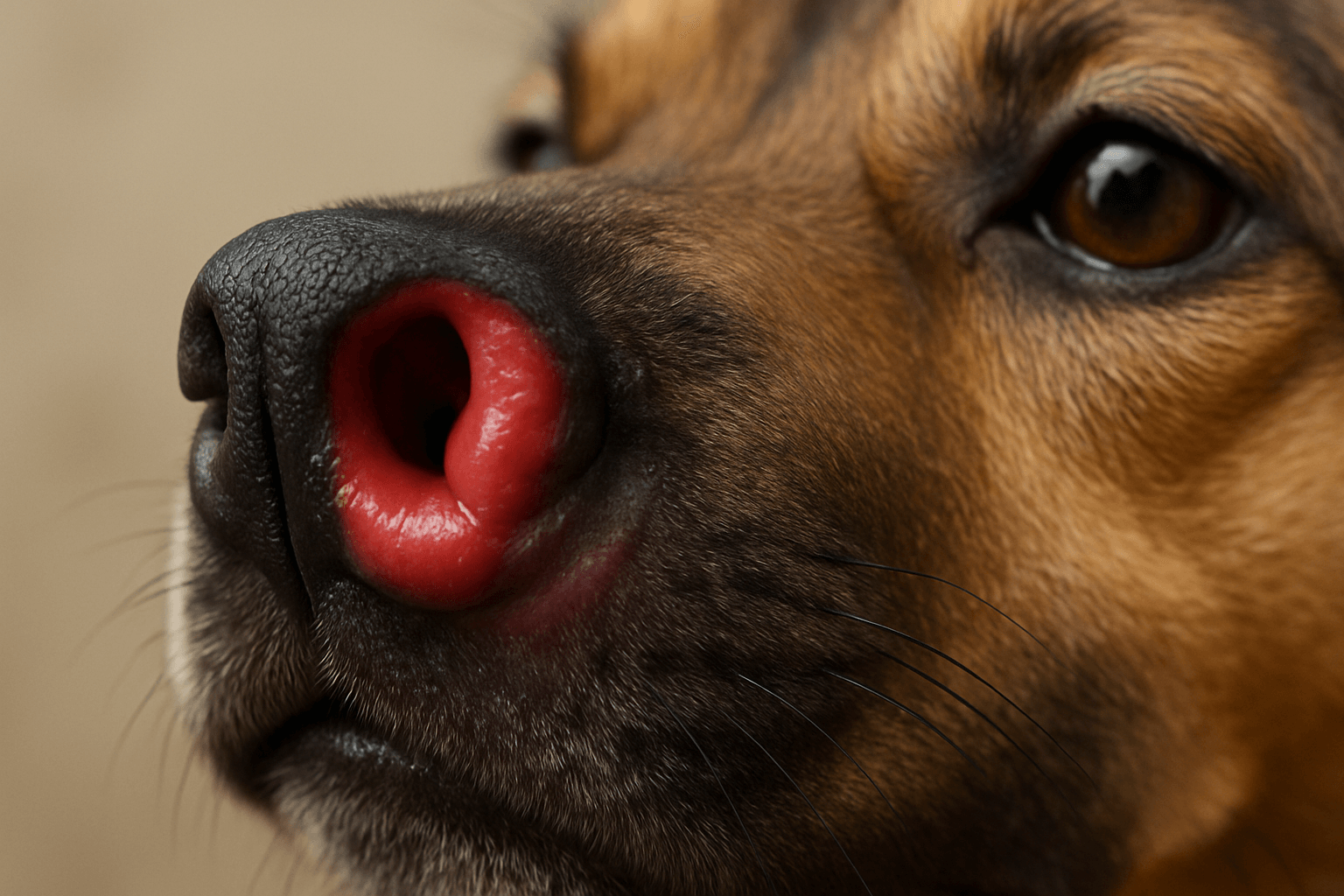
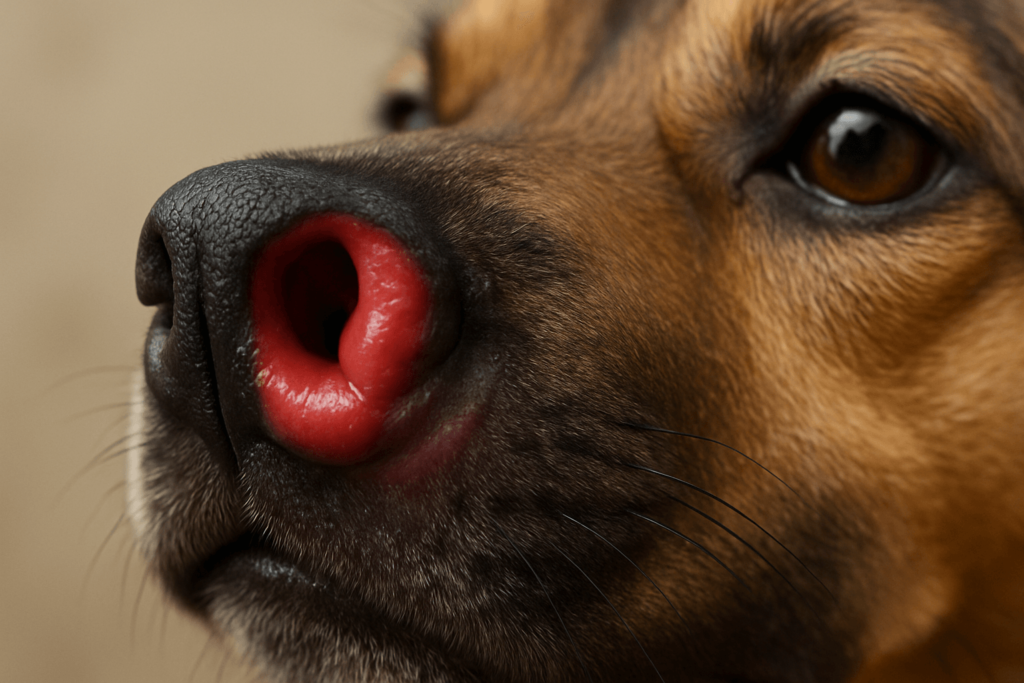

Dog Nostril Swollen Inside: What It Means and What to Do
If you’ve noticed your dog’s nostril swollen inside, your first instinct might be worry—and for good reason. Internal nasal swelling can stem from anything as simple as a bug bite to more serious issues like infection or a foreign object lodged deep in the nasal passage. Because dogs rely heavily on their sense of smell, even minor discomfort can affect their eating, breathing, and behavior. Understanding the likely causes and knowing when to act can make all the difference in your dog’s comfort and health. This guide walks you through what’s normal, what’s not, and how to respond wisely.
Common Causes of Internal Nostril Swelling in Dogs
Swelling inside a dog’s nostril rarely happens without a trigger. Identifying the root cause helps determine whether home monitoring is enough—or if a vet visit is urgent.
- Foreign bodies:
Grass seeds, twigs, or small debris can become trapped in the nasal passage, causing irritation and localized swelling. - Allergic reactions:
Inhalant allergens like pollen, dust, or mold may lead to inflammation inside the nasal cavity, often accompanied by sneezing. - Insect bites or stings:
Bites near or inside the nostril—especially from ants or spiders—can cause rapid, painful swelling. - Bacterial or fungal infections:
Chronic nasal infections (rhinitis or sinusitis) often present with swelling, discharge, and sometimes nosebleeds. - Nasal polyps or tumors:
Benign growths or malignant masses can develop inside the nasal passage, leading to persistent or worsening swelling.
While some causes resolve on their own, others require diagnostics like rhinoscopy or imaging—so observation alone isn’t always safe.
Warning Signs That Demand Immediate Veterinary Attention
Not every swollen nostril is an emergency—but some symptoms signal serious trouble that can’t wait.
- Bloody or pus-filled nasal discharge:
This often indicates infection, trauma, or a tumor and requires professional evaluation. - Difficulty breathing through the nose:
If your dog is mouth-breathing, panting excessively, or seems distressed, airflow may be obstructed. - Swelling that worsens over hours:
Rapid progression suggests allergic reaction, abscess, or foreign body migration. - Loss of appetite or lethargy:
When nasal discomfort affects eating or energy levels, pain or systemic illness may be present. - Facial deformity or asymmetry:
Swelling that changes the shape of the nose or face can point to deep infection or neoplasia.
When in doubt, err on the side of caution—nasal issues can escalate quickly in dogs.
Check this guide 👉What Can I Give My Dog for Swelling? Best 7 Expert Tips!
Check this guide 👉Dog Mosquito Bite Swelling: Best 7 Expert Tips!
Check this guide 👉Can You Put Ice on a Dog for Swelling? Best 7 Tips!
| May Be Managed at Home (Temporarily) | Requires Veterinary Evaluation |
|---|---|
| Mild sneezing after outdoor exposure | Blood from one or both nostrils |
| Brief swelling after known insect bite | Nostril visibly enlarged or distorted |
| Clear discharge with no other symptoms | Persistent pawing at the nose |
| Occasional snorting or reverse sneezing | Fever or swollen lymph nodes |
| Swelling that improves within 12 hours | Loss of smell or refusal to eat |
Safe Initial Steps You Can Take at Home
If your dog’s nostril is mildly swollen and they’re acting normally, you can try gentle supportive care—while watching closely for changes.
- Limit outdoor exposure:
Reduce contact with pollen, dust, or grasses that may worsen irritation or introduce new allergens. - Humidify the air:
A cool-mist humidifier can soothe dry, inflamed nasal passages—especially in dry or heated indoor environments. - Gentle saline rinse (vet-approved):
Some vets recommend mild saline nasal drops to flush irritants—but never use human decongestants or sprays. - Prevent nose rubbing or pawing:
Use a soft cone if your dog obsessively scratches, as trauma can worsen swelling or cause secondary infection. - Monitor breathing and behavior:
Keep a log of sneezing frequency, discharge color, and appetite to share with your vet if needed.
These measures offer comfort but aren’t cures—always be ready to seek help if symptoms persist beyond 24 hours.
What NOT to Do When Your Dog’s Nostril Is Swollen
Well-meaning actions can sometimes backfire. Avoid these common missteps when dealing with internal nasal swelling.
- Inserting cotton swabs or tools:
Trying to “clean” inside the nostril can push debris deeper or cause injury to delicate tissue. - Giving human antihistamines without approval:
Even OTC allergy meds can be toxic or ineffective in dogs without proper dosing and formulation. - Ignoring one-sided symptoms:
Swelling or discharge in only one nostril often signals a foreign body or tumor—not a simple allergy. - Assuming it’s “just allergies”:
Chronic nasal issues are rarely allergic in dogs; infections or structural problems are more common. - Delaying care due to cost concerns:
Early diagnosis often means simpler, less expensive treatment—waiting can lead to complications.
When it comes to the nose, gentle observation beats aggressive intervention every time.
Diagnostic Tools Vets Use to Identify the Cause
If your dog’s nostril remains swollen, your vet may recommend tests to pinpoint the problem accurately.
- Rhinoscopy:
A tiny camera is inserted into the nasal passage to visualize swelling, polyps, foreign bodies, or tumors. - X-rays or CT scans:
Imaging reveals bone changes, fluid, masses, or foreign objects not visible from the outside. - Nasal swabs or cultures:
These help identify bacterial or fungal infections guiding targeted antibiotic or antifungal therapy. - Biopsy of nasal tissue:
If a growth is suspected, a small sample is taken for histopathology to determine if it’s benign or cancerous. - Blood work and allergy testing:
While less common for nasal issues, these rule out systemic disease or true environmental allergies.
Accurate diagnosis ensures treatment matches the true cause—not just the symptoms.
Treatment Options Based on Underlying Cause
Once the cause is known, your vet can recommend a precise treatment plan tailored to your dog’s needs.
- Foreign body removal:
Often done under sedation using rhinoscopy; recovery is quick if caught early. - Antibiotics or antifungals:
Prescribed for confirmed infections, usually given for 2–6 weeks depending on severity. - Anti-inflammatory medications:
Steroids or NSAIDs (dog-safe only) may reduce swelling and discomfort short-term. - Surgical intervention:
For polyps, tumors, or severe structural issues, surgery may be necessary to restore airflow. - Allergy management (if confirmed):
Includes avoidance, immunotherapy, or prescription diets under veterinary supervision.
Most dogs respond well when treatment aligns with the true diagnosis—underscoring the value of professional evaluation.
Preventing Future Nasal Swelling Episodes
While not all causes are preventable, smart habits can reduce your dog’s risk of recurrent issues.
- Supervise off-leash sniffing:
Discourage rooting in dense brush or piles of leaves where foreign objects or insects lurk. - Use air purifiers indoors:
Especially during high-pollen seasons to minimize airborne irritants. - Keep up with parasite prevention:
Some nasal mites (like Pneumonyssoides) can cause chronic inflammation—monthly preventives help. - Avoid strong chemical cleaners:
Harsh scents can irritate sensitive nasal passages; opt for pet-safe, fragrance-free products. - Schedule annual nose-to-tail exams:
Early detection of dental disease (which can spread to sinuses) or slow-growing masses saves lives.
Prevention isn’t foolproof—but it builds a healthier environment for your dog’s most sensitive sensory organ.
“Swelling can indicate an allergic reaction, injury, infection or even a tumor. It’s important to have this evaluated by a vet promptly,” says Dr. Amanda Nascimento
Frequently Asked Questions
Can allergies cause a dog’s nostril to swell inside?
True inhalant allergies rarely cause isolated internal nostril swelling in dogs. More often, the culprit is infection, foreign bodies, or growths.
Is it normal for only one nostril to be swollen?
No. Unilateral swelling is a red flag—it often indicates a foreign object, polyp, tumor, or localized infection.
How long should I wait before calling the vet?
If swelling lasts more than 12–24 hours, worsens, or is accompanied by discharge, bleeding, or breathing changes—call immediately.
Can I use a saline spray made for humans?
Only if your vet approves. Many contain preservatives or additives unsafe for dogs. Plain sterile saline (0.9%) is usually acceptable in small amounts.
Are certain breeds more prone to nasal swelling?
Yes. Brachycephalic breeds (e.g., Bulldogs, Pugs) have narrow nasal passages and are more susceptible to inflammation and obstruction.
Trust Your Instincts—Your Dog’s Nose Knows, But You Know Best
A swollen nostril inside might seem like a small issue—until it affects your dog’s ability to breathe, eat, or simply feel like themselves. While some cases are fleeting and harmless, others hide deeper problems that only timely care can resolve. By staying observant, avoiding risky home remedies, and partnering with your veterinarian, you give your dog the best chance at quick relief and lasting health. After all, every snuffle, sniff, and sneeze tells a story—and as their guardian, you’re the one best equipped to listen.
Is Rawhide Bad for Cats? Best 7 Expert Tips! – Discover the risks, safe alternatives, and expert advice to keep your feline friend healthy and happy.

Is Rawhide Bad for Dogs? Best 7 Expert Tips! – Discover the risks, benefits, and safer alternatives to rawhides for your dog’s chewing needs.

Understanding Anorexia in Cats: Best 7 Expert Tips! – Learn why cats stop eating, spot warning signs, and discover how to help your feline regain appetite safely.

Understanding Anorexia in Dogs: Best 7 Expert Tips! – Learn causes, symptoms, and solutions to help your dog regain appetite and stay healthy.