

The Egyptian Hound Dog: Best 7 Expert Tips!

The Egyptian Hound Dog: Best 7 Expert Tips!

The Egyptian Hound Dog: Grace, Speed, and Ancient Mystery

With sleek lines, alert ears, and eyes that seem to hold centuries of desert secrets, the Egyptian Hound—also known as the Pharaoh Hound—is a living sculpture of elegance and athleticism. Revered in ancient art and still thriving today, this rare breed blends regal poise with playful charm. Bred for coursing game across rocky terrain, it moves with a silent, springy grace that’s unmistakable. While not as common as other hounds, its loyal, gentle nature makes it a captivating companion for the right home. Discover why this “Blushing Dog of the Pharaohs” continues to enchant dog lovers worldwide.

Origins and History of the Egyptian Hound


Often mistaken for a myth, the Egyptian Hound boasts one of the oldest documented lineages among domesticated dogs—but its true story is even more fascinating than legend.

 
  • Ancient Egyptian Depictions:
    Tomb paintings and artifacts from over 5,000 years ago show dogs strikingly similar to today’s Pharaoh Hound, often accompanying pharaohs or hunting in the Nile Valley.
     
  • Malta’s Living Legacy:
    Despite its name, the modern breed was preserved and refined in Malta, where it’s known as the “Kelb tal-Fenek” (Rabbit Hound) and remains a national symbol.
     
  • Misattributed Mythology:
    Long thought to descend directly from Anubis’s sacred jackal-dog, DNA studies suggest it’s more closely related to Mediterranean sighthounds than ancient Egyptian canids.
     
  • 20th-Century Rediscovery:
    British servicemen stationed in Malta after WWII brought the breed to England and the U.S., sparking international interest and formal recognition.
     
  • AKC Recognition in 1983:
    The American Kennel Club officially classified it as a hound, though its rarity keeps it among the less-seen but deeply admired breeds.
 

This is a dog not just shaped by time—but saved by it, thanks to dedicated islanders who kept its flame alive.

The Egyptian Hound Dog: Best 7 Expert Tips!

Distinctive Physical Traits of the Egyptian Hound


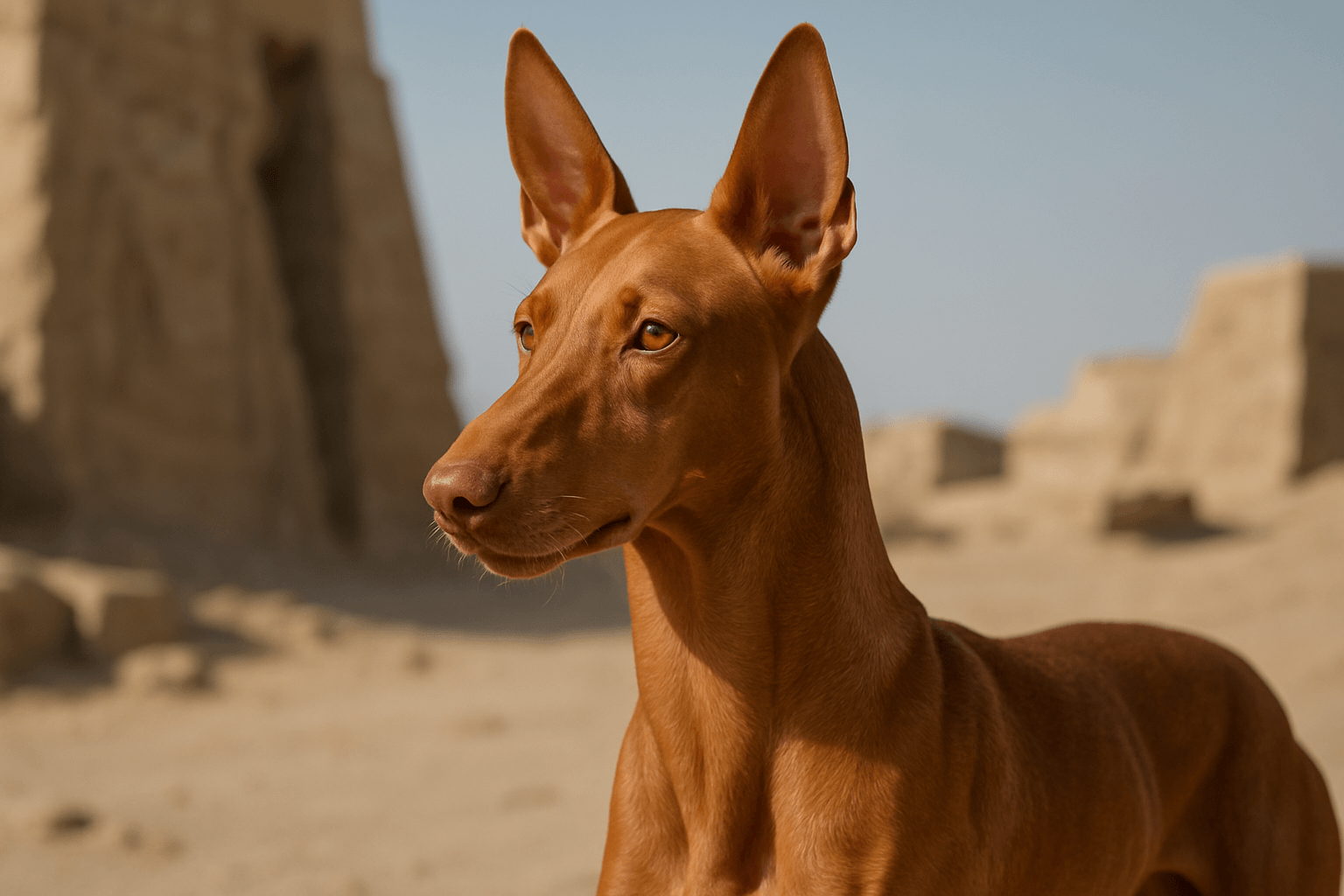
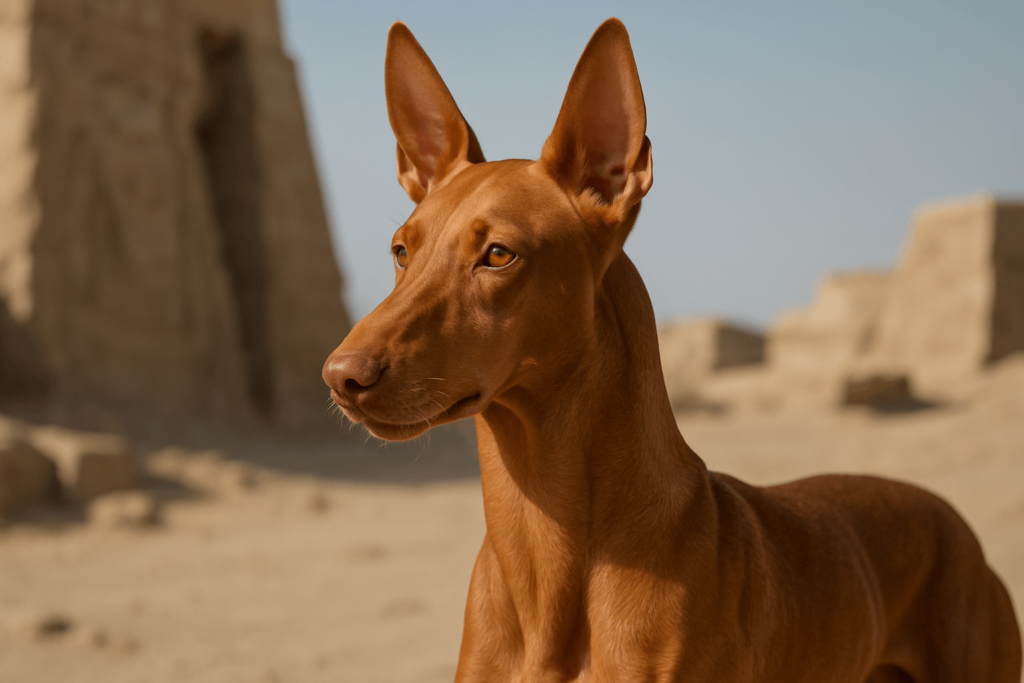
Every inch of the Egyptian Hound speaks of function, finesse, and feline-like agility. Lean yet powerful, it’s built for silent pursuit and sudden bursts of speed.

 
  • Sleek, Muscular Build:
    Standing 21–25 inches tall and weighing 45–55 pounds, it’s medium-sized but remarkably light on its feet—more gazelle than galumph.
     
  • Unique “Blushing” Feature:
    When excited or happy, its nose and ears flush a warm pink—a rare trait shared by few breeds, earning it the nickname “the blushing dog.”
     
  • Large, Erect Ears:
    Oversized and always alert, these radar-like ears swivel independently to catch the faintest rustle of prey.
     
  • Short, Glossy Coat:
    Its fine, close-lying coat comes only in shades of tan or chestnut, often with white markings on chest, toes, or tail tip.
     
  • Graceful, Springy Gait:
    Unlike galloping sighthounds, it moves with a smooth, ground-covering trot that can instantly explode into a silent sprint.
 

These traits aren’t just beautiful—they’re honed by generations of rabbit hunting in Malta’s rugged limestone terrain.

Ideal Lifestyle Fit Key Care Considerations
Active households with secure fencing High prey drive—off-leash only in safe areas
Homes with older, respectful children Sensitive to cold—needs winter coats
Owners who enjoy mental games Prone to “blushing”—not a health issue
Moderate space (house or large apartment) Low grooming needs but high exercise needs
Experience with independent breeds Can be shy with strangers—early socialization vital

Personality and Temperament: Gentle, Intelligent, and Playful


Don’t let its noble appearance fool you—the Egyptian Hound thrives on fun, affection, and the occasional dramatic zoomie session around the yard.

 
  • Affectionate with Family:
    Deeply bonded to its people, it often seeks physical closeness and will follow owners from room to room like a quiet shadow.
     
  • Reserved with Strangers:
    While not aggressive, it tends to be aloof or cautious around new people—a trait that makes early socialization essential.
     
  • Quiet and Clean Nature:
    Unlike many hounds, it rarely barks and is fastidious about grooming itself, much like a cat.
     
  • Playful and Clownish:
    Known to “smile,” leap vertically for toys, or race in joyful circles when excited—earning its reputation as a “happy dancer.”
     
  • Independent Thinker:
    Bred to hunt solo, it makes decisions swiftly—sometimes ignoring calls if something more interesting catches its eye.
 

Beneath its calm exterior beats the heart of a joyful, spirited companion who values both dignity and daily delight.

Training and Socialization Tips


Training an Egyptian Hound requires patience, creativity, and respect for its sensitive nature—harsh methods will backfire instantly.

 
  • Use Positive Reinforcement Only:
    Responds beautifully to treats, praise, and play—but shuts down with scolding or force.
     
  • Start Socialization Early:
    Expose puppies to diverse people, sounds, and environments before 16 weeks to prevent shyness or anxiety.
     
  • Keep Sessions Short and Engaging:
    With a short attention span, 10-minute games that feel like play work better than repetitive drills.
     
  • Focus on Recall and Impulse Control:
    Its prey drive is strong; practice “leave-it” and “come” in enclosed areas before attempting off-leash freedom.
     
  • Avoid Repetition and Boredom:
    Introduce new tricks, scent games, or flirt poles to keep its sharp mind stimulated.
 

Success comes not through dominance—but through partnership, trust, and mutual joy.

Exercise and Mental Stimulation Needs


This is not a couch potato—though it will happily nap beside you after a proper workout. Physical and mental outlets are non-negotiable.

 
  • Daily Vigorous Exercise:
    Needs 60+ minutes of running, hiking, or play—ideally in a securely fenced area where it can sprint freely.
     
  • Scent and Chase Games:
    Flirt poles, lure coursing, or hide-and-seek with toys tap into its natural hunting instincts safely.
     
  • Off-Leash Caution:
    Never trust recall near roads or wildlife—its chase response can override all training in seconds.
     
  • Indoor Enrichment:
    Puzzle feeders, snuffle mats, or hide-and-seek with treats prevent boredom on rainy days.
     
  • Avoid Overheating:
    Though heat-tolerant compared to many breeds, always provide shade and water during warm-weather activity.
 

A tired Egyptian Hound is a peaceful, well-behaved companion—neglect its energy, and it may invent its own (often destructive) fun.

Grooming and Health Considerations


Low-maintenance in looks but not in care, the Egyptian Hound’s health hinges on proactive, informed ownership.

 
  • Minimal Coat Grooming:
    Weekly brushing removes loose hair; baths only as needed—its skin produces natural oils that shouldn’t be stripped.
     
  • Dental and Ear Checks:
    Clean ears weekly and brush teeth daily—like many lean breeds, it’s prone to periodontal disease.
     
  • Cold Sensitivity:
    Its short coat and low body fat mean it struggles in freezing temps—invest in a quality dog coat for winter walks.
     
  • Common Health Issues:
    Generally robust, but watch for hip dysplasia, thyroid imbalances, and occasional sensitivity to anesthesia.
     
  • Longevity and Wellness:
    Lives 12–14 years on average; balanced diet, regular vet checks, and joint supplements support lifelong vitality.
 

Simple grooming, yes—but thoughtful health management is what keeps this ancient hound thriving in modern times.

Living with an Egyptian Hound: Ideal Home and Challenges


This breed fits beautifully into certain lifestyles—but demands awareness of its unique needs and sensitivities.

 
  • Not for First-Time Owners (Usually):
    Its independence, sensitivity, and prey drive require experienced handling and consistent boundaries.
     
  • Apartment Possible—With Conditions:
    Can live in smaller spaces if given ample daily exercise and mental engagement.
     
  • Fence Must Be Secure and Tall:
    Capable of high jumps and silent escapes; chain-link or invisible fences won’t contain it.
     
  • Gets Along with Other Dogs:
    Generally sociable with canines, especially if raised together—but may chase small pets.
     
  • Thrives on Routine and Calm:
    Dislikes chaos, yelling, or unpredictable households; flourishes in peaceful, structured environments.
 

The Egyptian Hound isn’t for everyone—but for the right person, it’s nothing short of magical.

Frequently Asked Questions

Is the Egyptian Hound really from ancient Egypt?

While depicted in ancient art, modern DNA suggests today’s breed developed in Malta—though it likely shares ancestry with ancient Mediterranean hounds.


No. It has a very short, fine coat with minimal shedding—ideal for tidy homes or mild allergy sufferers.


Very rare outside Malta. The AKC registers fewer than 200 puppies annually in the U.S., making it one of the least common purebreds.

Only if raised with them from puppyhood—and even then, supervision is crucial due to its strong chase instinct.

Its nose and ears turn pink when excited due to increased blood flow—a harmless, endearing trait unique to this breed.

A Living Echo of Antiquity


The Egyptian Hound isn’t just a dog—it’s a whisper from the past, wrapped in sleek muscle and warm tan fur. With its quiet dignity, joyful playfulness, and uncanny emotional sensitivity, it offers companionship that feels both timeless and deeply personal. While not easy to find or simple to manage, those who earn its trust are rewarded with unwavering loyalty and daily moments of quiet wonder. If you’re drawn to a dog that moves like poetry, loves with intensity, and carries the spirit of ancient hunters in its soul, the Egyptian Hound may just be your once-in-a-lifetime match.

Is Rawhide Bad for Cats? Best 7 Expert Tips!

Is Rawhide Bad for Cats? Best 7 Expert Tips! – Discover the risks, safe alternatives, and expert advice to keep your feline friend healthy and happy.

Is Rawhide Bad for Dogs? Best 7 Expert Tips!

Is Rawhide Bad for Dogs? Best 7 Expert Tips! – Discover the risks, benefits, and safer alternatives to rawhides for your dog’s chewing needs.

Understanding Anorexia in Cats: Best 7 Expert Tips!

Understanding Anorexia in Cats: Best 7 Expert Tips! – Learn why cats stop eating, spot warning signs, and discover how to help your feline regain appetite safely.

Understanding Anorexia in Dogs: Best 7 Expert Tips!

Understanding Anorexia in Dogs: Best 7 Expert Tips! – Learn causes, symptoms, and solutions to help your dog regain appetite and stay healthy.

Leave a Reply

Your email address will not be published. Required fields are marked *