

Dog Paw Infection Between Toes: What Every Pet Parent Needs to Know
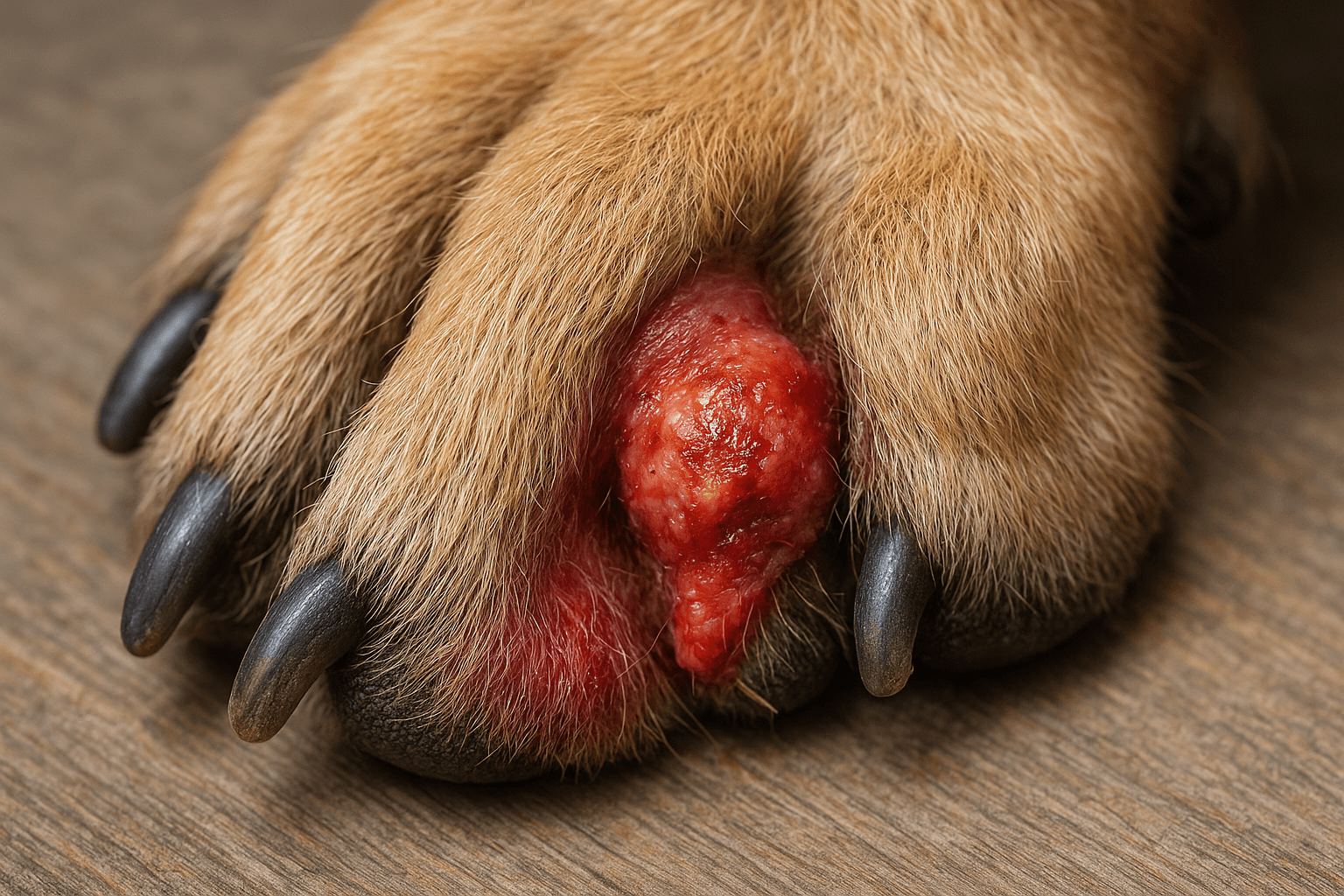
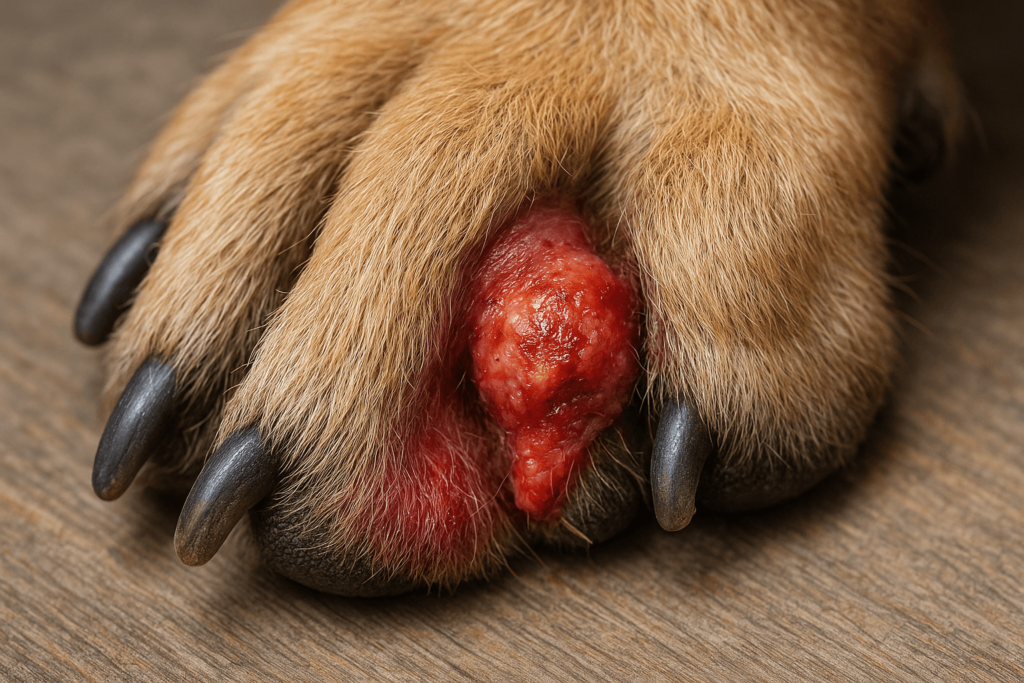
If your dog is limping, licking obsessively, or seems tender between the toes, a paw infection could be the culprit. These hidden but painful conditions often start small—yet can escalate quickly without proper care. Moisture, cuts, allergies, or foreign objects create the perfect environment for bacteria or yeast to thrive in those snug, warm spaces. Left untreated, an infection between the toes can cause discomfort, swelling, and even lameness. The good news? With early recognition and the right approach, most cases resolve well—and your pup can get back to happy, pain-free adventures.
Common Causes of Infection Between a Dog’s Toes
Infections in the interdigital spaces (between the toes) rarely happen without a trigger. Identifying the underlying cause is key to both treatment and prevention.
- Moisture buildup:
Damp paws from rain, baths, or swimming create a breeding ground for yeast and bacteria—especially in dogs with dense fur or webbed feet. - Foreign objects:
Grass seeds, thorns, or splinters can lodge between toes, break the skin, and introduce infection deep into the tissue. - Allergies (food or environmental):
Chronic licking from itchy paws due to allergies damages the skin barrier, paving the way for secondary infections. - Trauma or cuts:
Scrapes from rough terrain or overgrown nails splitting the skin allow microbes easy entry. - Autoimmune or hormonal conditions:
Less commonly, disorders like lupus or hypothyroidism can cause skin breakdown and recurrent toe infections.
Addressing the root cause—not just the infection itself—is essential to prevent frustrating recurrences.
Warning Signs Your Dog Has an Interdigital Infection
Not all paw issues look dramatic at first. But subtle behaviors and physical changes can reveal an infection brewing between the toes.
- Excessive licking or chewing:
Your dog may focus intensely on one paw, often making wet, dark stains on carpets or fur. - Redness and swelling:
The skin between toes appears inflamed, warm to the touch, and may feel firm or puffy. - Discharge or odor:
Yellow, green, or brown pus, along with a musty or foul smell, signals bacterial or yeast overgrowth. - Limping or reluctance to walk:
Pain causes your dog to favor the affected paw or avoid hard surfaces altogether. - Hair loss or scabbing:
Chronic cases show bald patches, crusts, or even draining tracts (small holes that leak fluid).
If you notice any of these signs, don’t wait—early treatment prevents deeper tissue involvement.
Check this guide 👉Fox Tail in Dog Paw: Best 7 Expert Tips!
Check this guide 👉How to Protect Dog Paws in Winter: Best 7 Expert Tips!
Check this guide 👉Are Dog Paws Sensitive? Best 7 Expert Tips!
| At-Home Support Measures | Signs That Require a Vet Visit |
|---|---|
| Gentle paw soaks (with vet-approved solutions) | Pus, foul odor, or open sores |
| Thorough drying after walks | Limping lasting more than 24 hours |
| Trimming excess hair between toes | Swelling that worsens or spreads |
| Using an Elizabethan collar to prevent licking | Fever, lethargy, or loss of appetite |
| Switching to hypoallergenic food (if allergy suspected) | No improvement after 2–3 days of home care |
Safe Home Care While Awaiting Veterinary Advice
While professional diagnosis is crucial, you can provide comfort and prevent worsening before the vet visit—with caution and cleanliness.
- Epsom salt soaks:
Dissolve 1–2 tablespoons in warm water and soak the paw for 5–10 minutes, 2–3 times daily—then dry thoroughly. - Keep paws dry and clean:
Wipe feet after walks, especially in wet or grassy areas; use a soft towel and avoid harsh chemicals. - Trim interdigital hair:
Long fur traps moisture—carefully trim with blunt scissors or visit a groomer to reduce humidity between toes. - Use a protective boot or sock:
Prevents further contamination and stops obsessive licking—just ensure it’s not too tight or worn too long. - Limit activity on rough terrain:
Give paws a rest on soft surfaces like grass or rugs to avoid additional irritation or injury.
These steps support healing—but never replace antibiotics or antifungals when they’re truly needed.
Veterinary Diagnosis and Treatment Options
Vets use several tools to pinpoint the exact cause and prescribe targeted therapy—because not all infections respond to the same treatment.
- Cytology (skin scraping):
A swab or tape sample is examined under the microscope to identify bacteria, yeast, or mites. - Culture and sensitivity:
For stubborn cases, a culture determines which antibiotic will actually work against the specific bacteria. - Oral or topical medications:
Depending on severity, your dog may need oral antibiotics, antifungals, or medicated shampoos/soaks. - Anti-inflammatory pain relief:
NSAIDs prescribed by your vet can reduce swelling and discomfort during recovery. - Allergy testing:
If infections recur, your vet may recommend food trials or blood tests to uncover hidden allergies.
Accurate diagnosis prevents guesswork—and stops your dog from cycling through ineffective treatments.
What NOT to Do When Treating a Paw Infection
Good intentions can backfire if you use the wrong products or delay care. Avoid these common but risky mistakes.
- Apply human antiseptics like hydrogen peroxide or alcohol:
These damage healthy tissue and delay healing—plus, they sting and may cause your dog to resist care. - Use over-the-counter antibiotic creams without guidance:
Many aren’t formulated for dogs and can be licked off—or even toxic if ingested. - Assume it’s “just a scrape” that will heal on its own:
Interdigital infections often worsen quickly due to constant moisture and movement. - Bandage too tightly:
Improper wrapping cuts off circulation or traps more moisture, creating a worse environment for infection. - Ignore recurring infections:
Frequent paw issues signal an underlying problem—like allergies or immune dysfunction—that needs investigation.
When in doubt, skip home experiments and consult your vet—your dog’s paws deserve precision, not guesswork.
Preventing Future Interdigital Infections
Once your dog has had one paw infection, they’re more prone to another—unless you address the conditions that allowed it to start.
- Dry paws thoroughly after every outing:
Use a microfiber towel and gently separate each toe to ensure no moisture remains. - Trim nails regularly:
Overgrown nails splay toes unnaturally, creating friction and micro-tears in the skin. - Maintain a healthy weight:
Extra pounds increase pressure on paws, worsening irritation and slowing healing. - Use paw balms in extreme weather:
Protective waxes in winter or summer shield skin from ice, salt, or hot pavement. - Feed a balanced, anti-inflammatory diet:
Omega-3s and high-quality proteins support skin integrity and immune resilience.
Prevention is far easier—and kinder—than treating another painful flare-up.
Breeds Most Prone to Paw Infections (and Why)
Some dogs are genetically or structurally more vulnerable to interdigital issues—knowing your breed’s risks helps you stay ahead.
- Bulldogs and French Bulldogs:
Their wide stance and short toes trap moisture; plus, they often suffer from skin fold dermatitis. - Spaniels and Setters:
Long hair between toes holds water and debris after field work or walks in tall grass. - Poodles and Bichons:
Dense, curly coats grow continuously between toes, creating a warm, humid microclimate. - German Shepherds and Retrievers:
Prone to food and environmental allergies that manifest as itchy, infected paws. - Terriers (like Westies and Scotties):
Often affected by “canine pedal furunculosis”—a chronic inflammatory condition of the paws.
If your dog belongs to a high-risk group, proactive grooming and skin care are non-negotiable.
Frequently Asked Questions
Can a dog paw infection heal on its own?
Minor irritation might, but true infections—especially with discharge, swelling, or pain—almost always need treatment to resolve fully.
Is it yeast or bacteria between my dog’s toes?
Yeast infections often smell musty and cause brownish discharge; bacterial ones tend to be more pus-like and foul-smelling. Only a vet can confirm.
How long does a paw infection take to heal?
With proper treatment, most improve within 3–7 days, but full recovery can take 2–4 weeks—especially if the cause is chronic.
Can I use apple cider vinegar on my dog’s infected paw?
Not recommended without vet approval. While diluted ACV may help prevent yeast in healthy paws, it can irritate open sores or worsen bacterial cases.
Will my dog need long-term medication?
Only if there’s an underlying condition like allergies. Many dogs recover fully after a short course—if the root cause is addressed.
Healthy Paws, Happy Dog—Your Vigilance Makes All the Difference
Your dog’s paws are their connection to the world—every walk, run, and playful leap depends on them feeling strong and pain-free. An infection between the toes might seem minor, but to your dog, it’s a constant source of discomfort that affects their mood, mobility, and trust in daily routines. By knowing the signs, responding quickly, and partnering with your vet, you turn a frustrating setback into a manageable hiccup. And with smart prevention, you can keep those little paws clean, dry, and infection-free for years of joyful adventures together.
Newfoundland Dog Personality: Best 7 Expert Tips! – Discover the gentle, loyal, and protective nature of this giant breed perfect for families.
Can Hot Pavement Burn Your Cats Paws? Best 7 Expert Tips! – Learn how to protect your cat’s paws from hot surfaces and prevent painful burns this summer.
Can Hot Pavement Burn Your Dogs Paws? Best 7 Expert Tips! – Learn how to protect your dog’s paws from hot surfaces and ensure safe summer walks.
Irish Wolfhound Size: Best 7 Expert Tips! – Discover the ideal height, weight, and care tips for this majestic giant breed. Learn how to manage their impressive stature responsibly.


