

The Carolina Mountain Dog: Best 7 Expert Tips!

The Carolina Mountain Dog: Best 7 Expert Tips!

The Carolina Mountain Dog: A Rare Gem of the Appalachian Wilderness

Tucked away in the misty ridges of the southern Appalachians lives a little-known but deeply resilient breed—the Carolina Mountain Dog. Valued for its intelligence, independence, and gentle loyalty, this breed embodies the spirit of rural mountain life. Though not officially recognized by major kennel clubs, it has earned devoted followers among homesteaders, hunters, and families seeking a capable, low-maintenance companion. With a lean build, weather-resistant coat, and calm demeanor, the Carolina Mountain Dog thrives where other breeds might struggle. Let’s explore what makes this quiet guardian so special—and whether it might be the right fit for your lifestyle.


Origins and History of the Carolina Mountain Dog


The Carolina Mountain Dog isn’t bred for dog shows or city sidewalks—it was shaped by necessity in the rugged terrain of western North Carolina and eastern Tennessee. For generations, these dogs lived alongside self-reliant mountain families, serving as protectors, hunters, and loyal friends with minimal human intervention.

 
  • Landrace Heritage:
    The Carolina Mountain Dog is a landrace breed, meaning it developed naturally through environmental adaptation and functional selection—not human-directed breeding programs.
     
  • Working Roots in Isolation:
    In remote Appalachian homesteads, these dogs guarded livestock, tracked game, and alerted families to intruders—all without formal training.
     
  • Preservation Efforts:
    In recent decades, dedicated breeders and enthusiasts have worked to document and preserve the breed’s traits before they disappear.
     
  • Distinct from the Carolina Dog:
    Often confused with the Carolina Dog (a separate breed linked to ancient pariah dogs), the Carolina Mountain Dog is a more recent, region-specific working type.
     
  • No Official Kennel Club Recognition:
    Despite its rich history, it remains unrecognized by the AKC or UKC—but that hasn’t diminished its value to those who know it best.
 

This breed’s story is one of quiet endurance, shaped not by pedigrees, but by survival and purpose in one of America’s most beautiful yet demanding landscapes.

The Carolina Mountain Dog: Best 7 Expert Tips!

Distinctive Physical Traits of the Carolina Mountain Dog


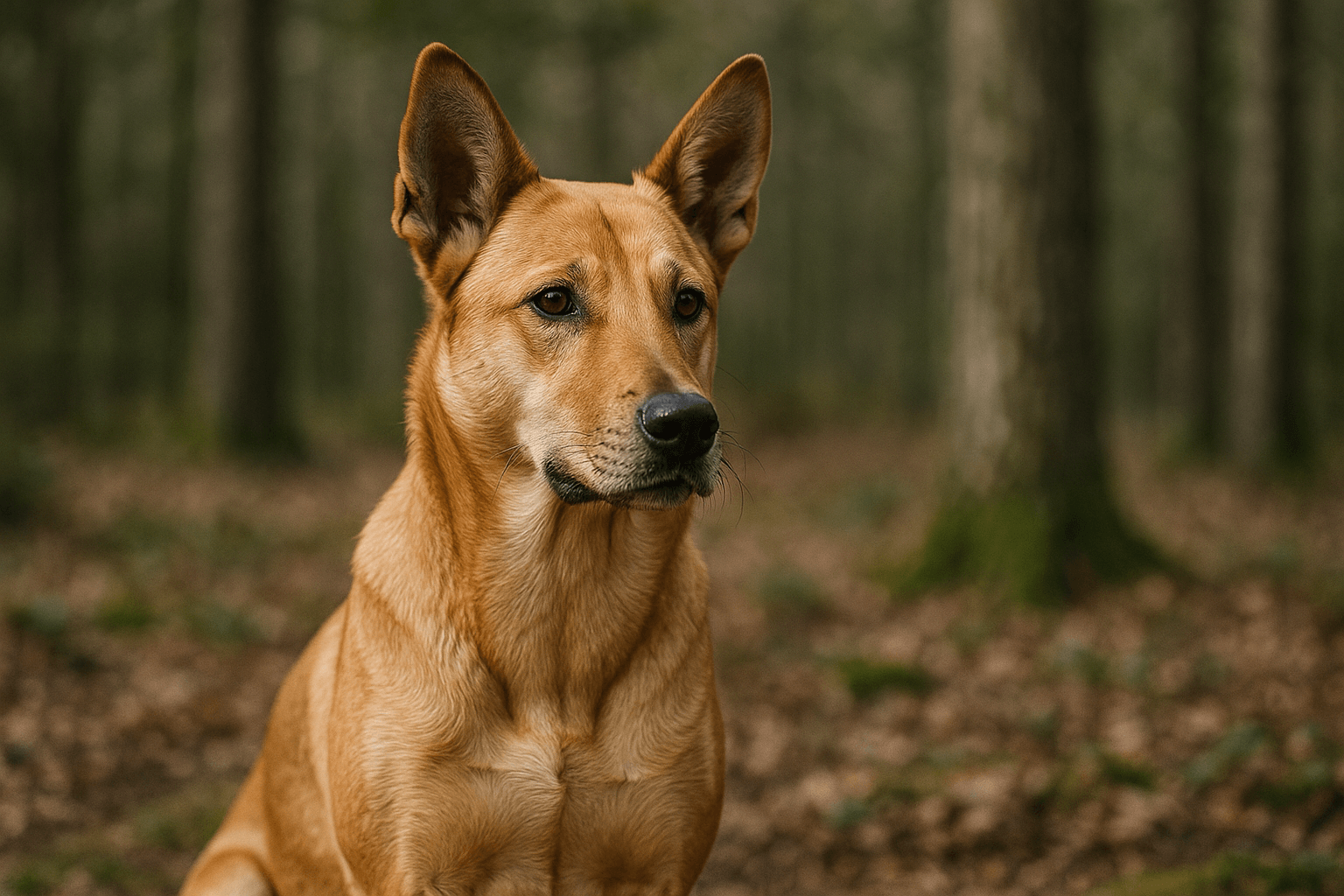
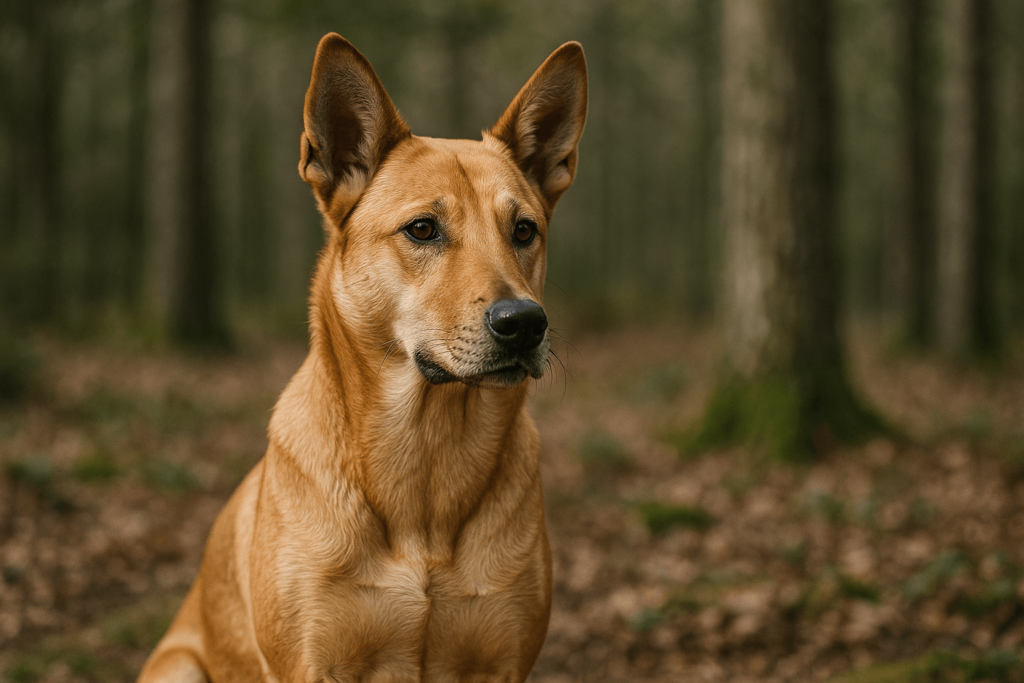
Lean, agile, and built for the mountain climate, the Carolina Mountain Dog’s appearance reflects its practical origins. Every feature—from coat to stance—serves a function in its native environment.

 
  • Medium Build with Athletic Frame:
    Typically 40–60 pounds and 18–24 inches tall, it’s sturdy enough for rugged terrain but not bulky or slow.
     
  • Weather-Resistant Double Coat:
    A medium-length, dense coat sheds seasonally and protects against rain, snow, and brush—ideal for year-round outdoor work.
     
  • Natural, Unaltered Features:
    Ears are usually upright or semi-pricked, tails are long and carried low or with a gentle curve—no cropping or docking is practiced.
     
  • Almond-Shaped, Expressive Eyes:
    Eye color ranges from amber to brown, conveying alertness and calm intelligence.
     
  • Color Variety with Camouflage Tones:
    Common coat colors include black, sable, brindle, tan points, or agouti—often blending seamlessly into forest and field.
 

These physical traits aren’t just aesthetic—they’re the result of generations surviving and thriving in the wild Appalachian highlands.

Temperament Highlights Care Considerations
Calm, observant, and naturally cautious Needs secure fencing—strong prey drive
Loyal to family but reserved with strangers Seasonal shedding—brush 2–3x weekly
Excellent with respectful children Requires mental stimulation to prevent boredom
Low barking tendency—only when necessary Sensitive to harsh training methods
Independent but deeply bonded Not suited for apartment living without ample exercise

Personality and Temperament: Quiet Loyalty with Mountain Grit


The Carolina Mountain Dog doesn’t seek attention—it earns trust through steady presence and quiet reliability. This isn’t a dog that performs tricks on command, but one that watches, listens, and acts when needed.

 
  • Naturally Protective:
    Without aggression, it monitors its surroundings and alerts only when something truly warrants attention.
     
  • Gentle with Trusted Family:
    Once bonded, it’s affectionate in a reserved way—leaning against legs, following silently, or resting nearby.
     
  • Calm Around Livestock:
    Unlike herding breeds, it doesn’t chase or nip; instead, it patrols calmly, deterring predators through presence alone.
     
  • Wary of Strangers:
    It won’t greet visitors with tail wags, but it’s rarely aggressive—more likely to observe from a distance.
     
  • Adaptable but Not Needy:
    It thrives with routine and purpose, yet doesn’t demand constant interaction like high-energy companion breeds.
 

This temperament makes it an ideal partner for rural households—but a challenging fit for those seeking an overtly demonstrative pet.

Training and Socialization Needs


Training a Carolina Mountain Dog requires patience, consistency, and respect for its independent mind. Force or repetition won’t work—this breed responds to logic, trust, and clear boundaries.

 
  • Start Early with Positive Exposure:
    Puppy socialization to people, animals, and novel sights is crucial to prevent excessive wariness.
     
  • Use Reward-Based Methods:
    Food, praise, or play work best—never punishment, which can cause shutdown or avoidance.
     
  • Focus on Recall and Boundaries:
    Given its roaming instincts, reliable off-leash recall is essential if living in unfenced areas.
     
  • Keep Training Sessions Purposeful:
    Short, meaningful tasks (e.g., “go check the perimeter”) engage its working mindset better than abstract obedience drills.
     
  • Respect Its Pace:
    It may take weeks or months to warm to new people or routines—rushing only deepens its caution.
 

Success with this breed isn’t about obedience—it’s about mutual understanding and earned cooperation.

Grooming and Health Considerations


Low-maintenance doesn’t mean no maintenance. The Carolina Mountain Dog’s natural coat and hardy constitution still require attentive care.

 
  • Seasonal Shedding Blows:
    Expect heavy shedding in spring and fall—regular brushing reduces hair buildup indoors.
     
  • Bathing Only When Needed:
    Its coat repels dirt and odor; over-bathing strips natural oils and irritates skin.
     
  • Dental and Nail Care:
    Like all dogs, it benefits from weekly tooth brushing and monthly nail trims—especially if not worn down naturally.
     
  • Generally Robust Health:
    Thanks to natural selection, it avoids many inherited issues common in purebreds—but still needs parasite prevention and vaccines.
     
  • Longevity and Vitality:
    With proper care, it commonly lives 12–15 years, remaining active and alert well into senior years.
 

Preventive care—not intensive intervention—is the key to its lifelong well-being.

Ideal Living Environment and Lifestyle Fit


The Carolina Mountain Dog isn’t a one-size-fits-all pet. It flourishes in specific settings where its instincts and temperament are understood and valued.

 
  • Best in Rural or Semi-Rural Homes:
    Fenced acreage with livestock, hiking trails, or forest access allows it to fulfill its natural role.
     
  • Not Suited for Urban Apartments:
    Its need for space, quiet, and purpose makes city living stressful unless carefully managed.
     
  • Thrives with Active, Grounded Owners:
    Farmers, hikers, hunters, or homesteaders who lead calm, consistent lives make ideal companions.
     
  • Tolerates Solitude Better Than Clingy Breeds:
    It’s content to rest while you work—but shouldn’t be left alone for days without interaction.
     
  • Excellent in Multi-Dog Households (If Introduced Properly):
    It often bonds well with other dogs, especially if raised together or socialized young.
 

This breed doesn’t adapt to you—you adapt your lifestyle to honor what it was born to be.

Potential Challenges of Ownership


While deeply rewarding, owning a Carolina Mountain Dog comes with realities that may surprise first-time or urban dog owners.

 
  • Slow to Warm Up:
    Strangers may never be “friends”—just tolerated presences, which can be awkward in social settings.
     
  • Independent Decision-Making:
    It may ignore a command if it senses a higher priority (e.g., tracking a scent), frustrating owners used to compliant breeds.
     
  • Limited Breed Resources:
    With no major kennel club backing, finding breeders, vets familiar with the type, or training advice can be difficult.
     
  • Not a High-Energy Playmate:
    Don’t expect fetch obsession or puppy-like exuberance—it’s more likely to nap in the sun after a morning patrol.
     
  • Rare Outside the Southeast:
    Finding a true Carolina Mountain Dog puppy often requires travel to North Carolina or Tennessee and waiting lists.
 

These aren’t flaws—they’re authentic traits of a dog bred for function, not fashion. Knowing them upfront ensures a respectful, lasting bond.

Frequently Asked Questions

Is the Carolina Mountain Dog the same as the Carolina Dog?

No. The Carolina Dog is a separate breed believed to descend from ancient Native American pariah dogs. The Carolina Mountain Dog is a landrace working type from the Appalachian highlands.

Yes—with children who are calm, respectful, and understand boundaries. It’s not tolerant of rough handling or loud chaos.

Moderate daily activity—long walks, hikes, or farm chores—are ideal. They’re active but not hyper; mental engagement matters more than mileage.

They prefer access to the outdoors but can live indoors if given ample space, routine, and purpose. Confinement without stimulation leads to stress.

Look for breeders in western North Carolina or eastern Tennessee who prioritize temperament, health, and working ability over appearance—and who raise puppies in home environments.


Final Thoughts – A True Companion of the Highlands


The Carolina Mountain Dog may never grace the cover of a dog magazine or win best in show—but for those who live close to the land, it’s worth far more than trophies. Steady, sincere, and silently devoted, it asks for little but gives unwavering loyalty in return. If you’re drawn to a dog shaped by wind, woods, and real work—not pedigrees or trends—this rare mountain guardian might just be your soulmate on four paws. Just remember: some of the best companions aren’t found in crowds, but in the quiet corners of the world, watching, waiting, and ready to walk beside you—step for step, season after season.

Understanding Cryptosporidium in Cats: Best 7 Expert Tips!

Understanding Cryptosporidium in Cats: Best 7 Expert Tips! – Spot symptoms, treat safely, and stop parasite spread in your home.

Understanding Cryptosporidium in Dogs: Best 7 Expert Tips!

Understanding Cryptosporidium in Dogs: Best 7 Expert Tips! – Learn symptoms, treatment & prevention for this stubborn gut parasite.

Understanding Syringomyelia in Cats: Best 7 Expert Tips!

Understanding Syringomyelia in Cats: Best 7 Expert Tips! – Recognize signs, manage pain, and support your cat’s neurological health with vet-backed guidance.

Understanding Syringomyelia in Dogs: Best 7 Expert Tips!

Understanding Syringomyelia in Dogs: Best 7 Expert Tips! – Expert insights on symptoms, MRI diagnosis, pain management & quality of life.

Leave a Reply

Your email address will not be published. Required fields are marked *


