

What Dog Owner Should Know About Coccidia
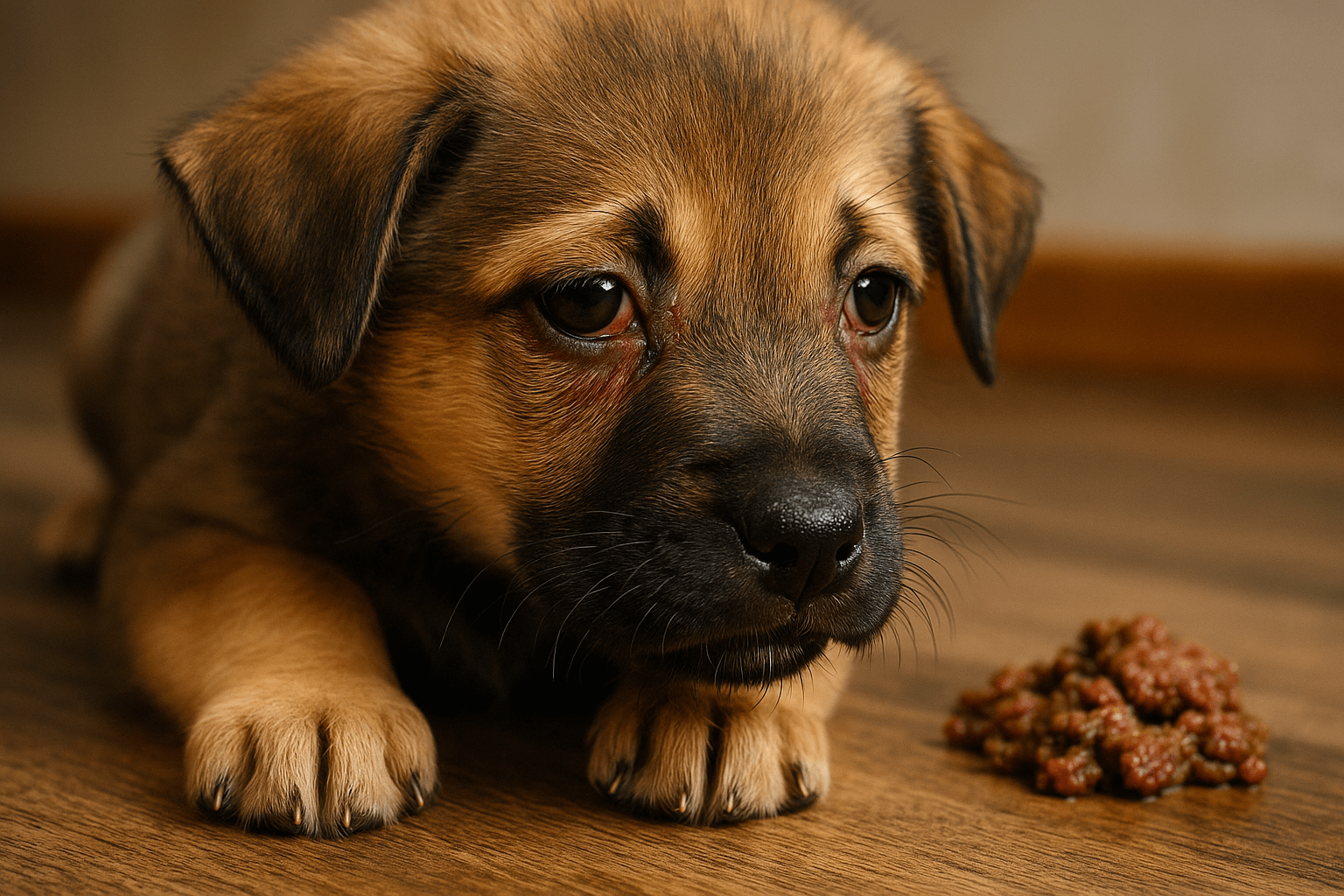
If your dog has sudden diarrhea—especially if it’s watery, foul-smelling, or tinged with blood—it could be coccidia, a common but often misunderstood intestinal parasite. While many dogs carry low levels without symptoms, stress, illness, or a weakened immune system can trigger a full-blown infection. Puppies and shelter dogs are especially vulnerable, but no dog is entirely immune. The good news? With early detection and proper treatment, coccidia is highly manageable. Let’s explore what it is, how it spreads, and exactly what you can do to protect your furry friend.
What Is Coccidia and How Does It Affect Dogs?
Coccidia are microscopic, single-celled parasites that invade the lining of a dog’s small intestine. Though tiny, they can cause significant gastrointestinal distress—particularly in young or immunocompromised animals.
- Caused by protozoa, not worms:
Unlike roundworms or tapeworms, coccidia belong to a group of organisms called protozoa, with Isospora canis being the most common species in dogs. - Disrupts nutrient absorption:
As the parasites multiply in intestinal cells, they damage the gut lining, leading to poor digestion and fluid loss. - Symptoms range from mild to severe:
Some dogs show no signs, while others suffer from explosive diarrhea, dehydration, weight loss, or even vomiting. - High risk in puppies:
Their immature immune systems make them far more likely to develop serious illness from coccidia exposure. - Not directly contagious to humans:
The species affecting dogs (Isospora) doesn’t infect people, though other coccidian types (like Cryptosporidium) can—but rarely.
Understanding coccidia’s biology helps you grasp why prevention and prompt treatment matter so much.
How Do Dogs Get Infected with Coccidia?
Transmission happens through ingestion—but the route is often more indirect than you’d expect. The parasite’s lifecycle plays a key role in its spread.
- Ingesting oocysts from the environment:
Dogs become infected by swallowing coccidia eggs (oocysts) found in soil, grass, or surfaces contaminated with infected feces. - Exposure at dog parks or kennels:
Shared spaces where feces aren’t promptly cleaned pose high risk—oocysts can survive for months in moist, shaded areas. - Mother-to-puppy transmission:
Puppies can contract coccidia from their mother’s feces or even through grooming if she’s shedding oocysts. - Hunting or scavenging behavior:
Dogs that eat rodents or insects may ingest intermediate hosts carrying coccidia, though this is less common with Isospora. - Stress as a trigger:
Moving, boarding, or illness can suppress immunity, allowing dormant coccidia to flare into active infection.
Because oocysts are invisible to the naked eye, even a “clean” backyard can harbor this parasite—making hygiene essential.
Check this guide 👉Dog Parasite Symptoms: Best 7 Expert Tips!
Check this guide 👉Norovirus in Dogs: Best 7 Expert Tips!
Check this guide 👉Dog COVID Symptoms: Best 7 Expert Tips!
| Signs Your Dog May Have Coccidia | Prevention Best Practices |
|---|---|
| Watery or mucoid diarrhea | Scoop feces daily |
| Lethargy or loss of appetite | Disinfect kennels with ammonia or steam |
| Blood or mucus in stool | Avoid overcrowded boarding facilities |
| Dehydration (dry gums, sunken eyes) | Quarantine new puppies for 2 weeks |
| No improvement with standard dewormers | Schedule routine fecal exams |
Diagnosing Coccidia: What to Expect at the Vet
A fecal exam is the gold standard—but not all tests catch coccidia on the first try. Understanding the diagnostic process helps you advocate for your dog.
- Fecal flotation test:
Vets mix stool with a solution that causes parasite eggs to float; coccidia oocysts are then identified under a microscope. - May require repeat testing:
Shedding isn’t constant—your dog might test negative early but positive days later, especially if symptoms persist. - PCR testing for accuracy:
Some clinics use DNA-based PCR tests for higher sensitivity, particularly in confusing or chronic cases. - Rule out other causes:
Vets often check for giardia, bacteria, or viral infections that mimic coccidia symptoms. - Physical exam and history matter:
Recent stressors, diet changes, or exposure to other sick animals help guide the diagnosis.
Early and accurate diagnosis prevents unnecessary suffering and stops the spread to other pets.
Treatment Options for Coccidia in Dogs
While coccidia won’t respond to standard dewormers, effective medications exist—and supportive care is equally important.
- Sulfadimethoxine (Albon):
The most common prescription; it doesn’t kill coccidia directly but stops replication so the immune system can clear it. - Treatment duration:
Typically 5–20 days, depending on severity—sometimes longer in immune-compromised dogs. - Supportive hydration therapy:
In severe cases, subcutaneous or IV fluids prevent dangerous dehydration from prolonged diarrhea. - Probiotics and bland diet:
Help restore gut flora and soothe the irritated digestive tract during recovery. - Recheck fecal exams:
Recommended after treatment to confirm the parasite is gone, especially before introducing your dog to other pets.
With consistent care, most dogs recover fully within 1–2 weeks—though shedding may continue briefly.
What NOT to Do When Your Dog Has Coccidia
Well-meaning choices can delay recovery or put other animals at risk. Avoid these common pitfalls.
- Assume it’s “just stress diarrhea”:
Untreated coccidia can lead to life-threatening dehydration in puppies—never ignore persistent loose stool. - Use over-the-counter dewormers:
Products targeting roundworms or hookworms have zero effect on coccidia and waste valuable time. - Skip cleaning shared spaces:
Oocysts are extremely hardy—without proper disinfection, reinfection or spread to other dogs is likely. - Stop medication early:
Even if diarrhea stops, stopping Albon too soon can allow the parasite to rebound. - Bathe your dog before cleaning the environment:
You’ll just recontaminate them—sanitize bedding, bowls, and floors first.
Precision and patience are your allies in beating this parasite.
Preventing Coccidia in Multi-Dog Homes and Shelters
In group settings, coccidia can spread like wildfire—but smart protocols drastically reduce risk.
- Daily fecal removal:
Oocysts take 1–7 days to become infectious, so prompt cleanup breaks the cycle. - Use ammonia or steam cleaning:
Bleach doesn’t kill coccidia; 10% ammonia or high-heat steam are far more effective for surfaces. - Separate sick animals immediately:
Isolate dogs with diarrhea until coccidia is ruled out or treatment is complete. - Avoid overcrowding:
More dogs in tight spaces = higher contamination risk and stress-induced outbreaks. - Routine fecal screening:
Test all new arrivals and schedule biannual checks for all residents, even if asymptomatic.
Prevention isn’t just about cleanliness—it’s about creating a resilient, low-stress environment.
Long-Term Outlook and Immunity After Infection
Most dogs recover completely—but immunity isn’t lifelong, and vigilance remains key.
- Full recovery is typical:
With proper treatment, even severely affected puppies usually return to normal health. - Temporary immunity develops:
After infection, dogs often resist reinfection for weeks or months—but not forever. - Chronic cases are rare but possible:
Dogs with immune disorders (e.g., from viruses or medication) may struggle to clear coccidia fully. - Reinfection is common in high-risk areas:
Dogs in shelters, breeding facilities, or rural settings may face repeated exposure. - Fecal exams remain essential:
Regular screening—especially before boarding or adoption—catches silent carriers early.
Coccidia is a manageable chapter in your dog’s health story, not a life sentence.
“Fortunately, dog coccidia (Cystoisospora spp.) are not considered zoonotic to humans, meaning people cannot acquire the parasite from dogs.”
— Dr. Michael Kearley, DVM, PetMD
Frequently Asked Questions
Can coccidia go away on its own in dogs?
Sometimes—healthy adult dogs may clear minor infections without treatment. But in puppies or sick dogs, it rarely resolves alone and can be fatal.
How long is a dog contagious with coccidia?
Dogs can shed oocysts for days to weeks after symptoms stop. A follow-up fecal test confirms when they’re no longer contagious.
Is coccidia the same as giardia?
No. Both cause diarrhea, but giardia is a different protozoan parasite requiring different medication (e.g., fenbendazole or metronidazole).
Can I get coccidia from my dog?
The Isospora species in dogs doesn’t infect humans. However, always practice good hygiene—especially with immunocompromised individuals.
How do I disinfect my yard from coccidia?
Oocysts resist most chemicals and weather. Remove feces daily, limit dog access to moist shaded areas, and use ammonia on hard surfaces (not grass).
Protecting Your Pup Starts with Awareness
Coccidia may be microscopic, but its impact on your dog’s health is anything but small. The key lies in early recognition, accurate diagnosis, and consistent care—paired with smart prevention to keep your home and yard safe. While the thought of intestinal parasites is unsettling, remember: with today’s veterinary tools, coccidia is a treatable, often preventable condition. By staying informed and proactive, you give your dog the best defense against this silent invader—and the gift of a healthy, happy life by your side.
Is Rawhide Bad for Cats? Best 7 Expert Tips! – Discover the risks, safe alternatives, and expert advice to keep your feline friend healthy and happy.

Is Rawhide Bad for Dogs? Best 7 Expert Tips! – Discover the risks, benefits, and safer alternatives to rawhides for your dog’s chewing needs.

Understanding Anorexia in Cats: Best 7 Expert Tips! – Learn why cats stop eating, spot warning signs, and discover how to help your feline regain appetite safely.

Understanding Anorexia in Dogs: Best 7 Expert Tips! – Learn causes, symptoms, and solutions to help your dog regain appetite and stay healthy.